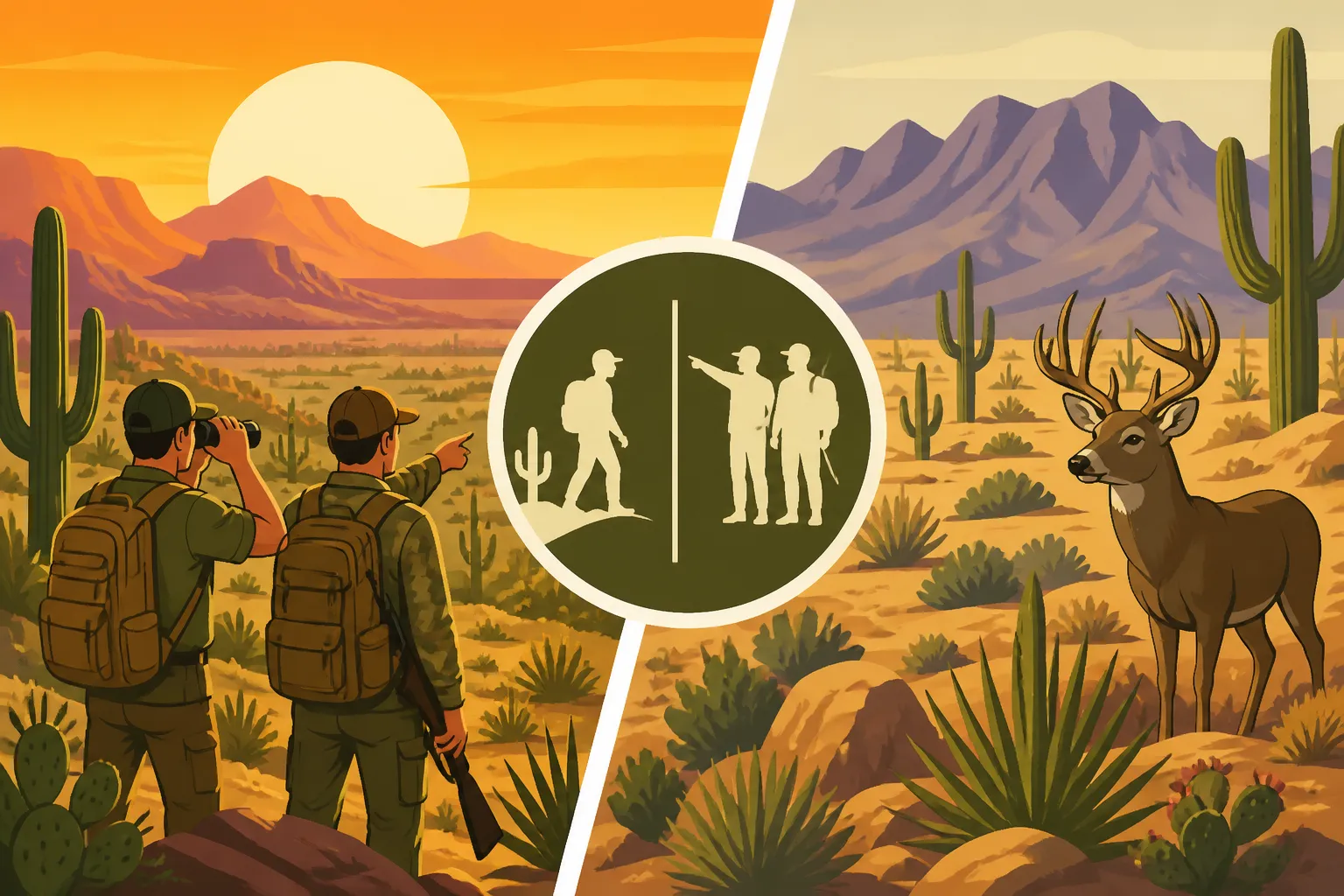
What Semi-Guided Actually Means on a Hunt
Hunting in Arizona can be an incredible adventure, but let's be honest, the logistics can be overwhelming. Many folks dream of chasing elk in the high country or glassing for Coues deer in the sky islands, but they often get stuck trying to figure out if they should go completely on their own, hire a full-service guide, or find something in between. This guide is all about shedding light on that "in-between" option: what a semi-guided hunt actually means, so you can decide if it's the right fit for your next Arizona expedition.
What Even Is Semi-Guided?
The term "semi-guided" is one of those phrases in the hunting world that can feel a bit fuzzy, leaving a lot of new and even experienced hunters scratching their heads. It’s not a full-on, all-inclusive luxury experience where someone cooks your meals and sets up your tree stand, but it’s definitely not the pure, rugged do-it-yourself (DIY) trip where you’re solely responsible for every single detail, from navigation to retrieving your animal. Think of it as hitting the sweet spot right in the middle, offering a blend of independence and crucial support.
At its core, a semi-guided hunt is designed for hunters who want to be actively involved in their hunt – doing their own stalking, calling, and making their own shot decisions – but who still appreciate having some professional assistance with key elements like scouting, camp logistics, or game retrieval. It’s often ideal for those who have some hunting experience but might be new to a particular species, terrain, or unit, like trying to figure out the vastness of Arizona’s elk country or the intricacies of hunting the desert. The outfitter provides a framework, a starting point, and a safety net, allowing you to focus more on the hunting itself and less on the overwhelming amount of planning that goes into a truly self-sufficient backcountry trip. This middle-ground approach can alleviate a lot of the common frustrations that often push hunters away from venturing into unfamiliar territory.
The Spectrum of Support
The truth about "semi-guided" is that it's not a single, universally defined package. It's more of a spectrum, with different outfitters offering varying levels of assistance. On one end, you might have a setup that's essentially a fancier drop camp: they get you into a remote area, set up a comfortable camp, and leave you to hunt, maybe checking in periodically. On the other end, it might include daily advice, pre-scouted areas, and assistance with specific tasks like game recovery, without the guide being physically by your side 24/7.
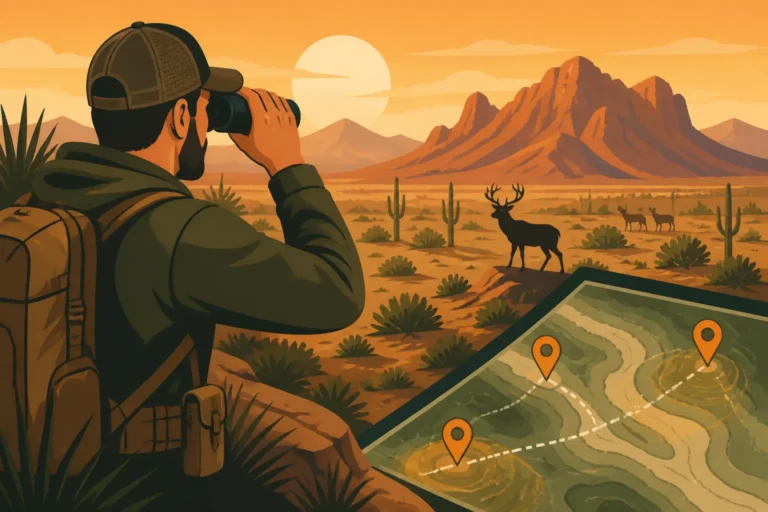
Some outfitters might offer a map orientation and tell you where they've been seeing elk, marking recent sign on a topographical map or your E-Scouting an Arizona Unit Before the Season app. Others might provide transportation to and from your hunting area each day, setting you up in a different spot based on daily intel. The key is that the guide isn't actively hunting with you, calling for you, or making immediate tactical decisions on the ground in the moment-to-moment pursuit of game. You’re still the hunter making the primary decisions. This distinction is vital because it significantly impacts the price, the experience, and the level of responsibility you, as the hunter, retain throughout the trip. It's really about finding the balance that makes you feel confident and capable, without feeling overwhelmed or completely alone.
How It Differs from Fully Guided and DIY
To really understand semi-guided, it helps to put it into context against its two extremes: the fully guided experience and the DIY hunt. A fully guided hunt is often a premium service where the guide handles virtually everything. They’ll likely pick you up, drive you to the hunting grounds, scout extensively, call for you, track game, help field dress, and transport your animal. They are actively with you in the field, making the hunting decisions and directing your movements. This is a hands-on experience for the outfitter, and consequently, it comes with a higher price tag, as you might expect when looking at something like The Average Cost of a Guided Arizona Elk Hunt.
On the flip side, a DIY hunt means you are 100% self-reliant. You do all the research, scouting, planning, navigating, hunting, tracking, field dressing, and game retrieval yourself. This is the most independent and often the most budget-friendly option, but it also carries the highest risk and requires the most preparation, especially for complex hunts like those in Arizona's expansive public lands. Planning a DIY Public Land Hunt in Arizona requires a lot of time and effort.
Semi-guided sits squarely between these. You retain much of the independence of a DIY hunt – you’re still hunting your hunt – but you get critical support from an outfitter who has local knowledge and resources. It's a fantastic option if you want to test your own hunting skills in a new environment, but don't want to deal with the overwhelming logistical burden, or if you simply want a safety net in case things go sideways, which can happen quickly in rugged Arizona terrain.
Here's a quick comparison:
| Feature | DIY Hunt | Semi-Guided Hunt | Fully Guided Hunt |
|---|---|---|---|
| Outfitter Presence | None | Limited/Situational, Not Actively Hunting With You | Constant, Actively Hunting With You |
| Planning & Research | 100% Hunter Responsibility | Shared: Outfitter provides local insights/pre-scouts | Largely Outfitter Responsibility |
| Field Tactics/Calling | 100% Hunter Responsibility | 100% Hunter Responsibility (but with advice/intel) | Guide-Directed |
| Camp Setup/Logistics | 100% Hunter Responsibility | Outfitter may provide/assist with camp, transport | Outfitter handles all camp & logistics |
| Game Retrieval | 100% Hunter Responsibility | Outfitter often assists or provides resources | Outfitter handles all retrieval |
| Cost | Lowest | Moderate | Highest |
| Independence | Highest | High | Lowest |
| Experience Level | Experienced, Self-Reliant | Some experience, comfortable with independence | Any level, preferred by beginners or those seeking maximum comfort |
The Nitty-Gritty: What a Semi-Guided Arizona Hunt Typically Includes
When you book a semi-guided hunt in Arizona, you're buying into a package of services that aims to smooth out the rough edges of an unfamiliar hunt while still preserving your autonomy as a hunter. Because the term itself is so flexible, it’s absolutely vital to clarify exactly what an outfitter means by "semi-guided" when you're talking to them. Don't assume anything; ask for a detailed breakdown of services, which can avoid major headaches down the road.
Generally speaking, these hunts are built around providing crucial support that can make or break a hunt, particularly in Arizona’s diverse and often challenging landscapes. From getting you into a prime spot to helping recover a hard-earned animal, the assistance is usually focused on the heavy lifting and critical knowledge gaps that DIY hunters often struggle with. You’ll want to confirm if the outfitter’s services align with what you specifically need help with for your hunt, whether it’s a high-country elk hunt or a more accessible javelina pursuit.
Pre-Scouting and Area Orientation
One of the biggest advantages of a semi-guided hunt in Arizona is the benefit of the outfitter's prior knowledge and scouting efforts. For many hunters, especially non-residents, understanding the vast and varied terrain of an Arizona unit can be a Herculean task. A good outfitter will have spent significant time in the unit before your arrival, locating active game, identifying bedding and feeding areas, and mapping out travel corridors and water sources. This is particularly valuable for species like Coues deer, where understanding specific glassing points and historical movement patterns is key.
When you arrive, the outfitter will typically provide an orientation. This might involve looking at maps and aerial photography, discussing recent game sightings, and pointing out prime areas to hunt. They might show you where they've seen elk sign along the Mogollon Rim or identify promising canyons for mule deer in northern Arizona. They won't necessarily walk with you through every inch of the country, but they'll give you a solid foundation and point you in the right direction. This expert insight can save you days of valuable hunting time that would otherwise be spent blindly exploring new territory. They often have insights into historical game behavior, pressure points, and even crucial information about Water Sources That Concentrate Arizona Desert Game which can be invaluable.
Camp Services and Logistics
The level of camp services in a semi-guided hunt can vary dramatically. Some outfitters might provide a fully set-up camp, complete with tents, cooking gear, and even a camp host who handles meals and ensures things run smoothly while you're out hunting. This could range from a wall tent camp deep in the forest to a comfortable base camp with cabins or RVs. This is often where a "drop camp" fits into the semi-guided spectrum; they drop you and your gear off at a pre-set camp and pick you up later.
Other semi-guided services might simply offer a designated camping spot and expect you to bring your own gear and prepare your own meals. However, even in these more basic scenarios, the outfitter often provides critical logistical support like transportation to and from the hunting grounds daily, or a shuttle service for hunters who fly in. This takes away the headache of navigating unfamiliar roads, dealing with rough terrain in your personal vehicle, or having to pack heavy camp equipment long distances. Especially in areas with seasonal road closures or tricky access, having that transportation handled is a huge relief. Always clarify whether meals are provided, if there's a cook, or if you're expected to be self-sufficient in camp.
Game Retrieval Assistance
This is arguably one of the most significant benefits of a semi-guided hunt, especially for physically demanding animals like Arizona elk. If you've ever had the experience of trying to pack out an elk alone or with just one partner from a remote canyon, you know the immense challenge it presents. It can easily turn a successful hunt into a miserable, multi-day ordeal, or worse, lead to meat spoilage in warm weather.
A semi-guided outfitter will typically include, or offer as an add-on, assistance with game retrieval. This means that once you've successfully harvested an animal, they will help you quarter it, pack it out of the field, and transport it back to camp or a local game processor. This could involve using ATVs, side-by-sides, pack horses, or even just extra manpower to get the job done efficiently. Knowing that you have this support can drastically reduce the stress and physical toll of a successful hunt, allowing you to focus on making the shot rather than dreading the pack out. This service is a major differentiator from a purely DIY hunt, where you’d be on your own for Field Dressing in Desert Heat and getting that meat out quickly.
When a Semi-Guided Hunt Makes Sense for You
Deciding whether a semi-guided hunt is the right choice comes down to a balance of your experience, your budget, your desire for independence, and the specific challenges of the hunt you're contemplating. It's not for everyone, but for a significant number of hunters, it hits that perfect sweet spot, offering a robust experience without the full financial commitment or reliance of a fully guided trip.
Consider this option if you're looking for a bridge between complete self-reliance and complete dependence, or if you're venturing into a new hunting challenge that you feel confident tackling but need some foundational support for. It’s an investment in increased odds of success and a smoother, more enjoyable overall experience, but it requires you to still be an active, capable participant.
New to Arizona, But Not New to Hunting
If you're an experienced hunter from another state who's always dreamed of drawing a coveted Arizona elk tag or chasing a Desert Bighorn, but you've never actually set foot in one of our vast and rugged units, a semi-guided hunt can be a perfect fit. You know how to hunt, how to shoot, how to scout digitally, and you understand game behavior. You’re confident in your abilities to make ethical decisions in the field. What you lack is specific, on-the-ground knowledge of Arizona's unique terrain, game patterns, and access points for a given unit.
An outfitter’s pre-scouting and orientation can save you weeks, if not months, of learning curve. They can tell you about micro-climates, specific water sources, or areas that consistently hold game at certain times of the season. They understand the nuances of Reading Wind on a Sky Island Stalk or how elk might respond to pressure in a particular canyon. This local intelligence allows you to leverage your existing hunting skills more effectively, without having to spend precious hunting days figuring out the lay of the land.
Wanting More Independence Than a Fully Guided Hunt
Perhaps you've done a fully guided hunt before and appreciated the success, but felt a little constrained by having a guide constantly by your side. You might prefer the thrill of making your own stalk, calling in that bull yourself, or glassing up that elusive Coues buck. Hunting Solo Against Hiring a Guide is a decision many grapple with. A semi-guided hunt gives you that freedom.
You get to execute your own hunting plan, make your own mistakes (and learn from them!), and experience the satisfaction of a self-earned harvest, knowing that the big-picture logistics are covered. You can choose when and where you want to hunt within the recommended areas, adapting to conditions as you see fit. This autonomy is highly valued by many experienced hunters who want the challenge and personal satisfaction of a largely self-sufficient hunt, but with the added layer of support for complex tasks like heavy game retrieval or navigating unknown territory.
When Budget Matters, But So Does Support
Let's face it, fully guided hunts, especially for big game in desirable units like those in Arizona, can be a significant financial commitment. For many, it's simply out of reach. A semi-guided hunt typically costs less than a fully guided one because the outfitter's time and resources aren't tied up with you 24/7 in the field. This makes it a much more accessible option for hunters who need to manage their budget but still want to increase their chances of success and minimize logistical headaches.
It's a way to get "more bang for your buck" by focusing the outfitter's services on the areas where you need the most help – often pre-scouting, camp setup, and game retrieval. This allows you to allocate your hunting funds more efficiently, perhaps even enabling you to pursue a dream hunt that would otherwise be cost-prohibitive if it required a full-service guide. It's about smart investing in your hunt without breaking the bank.
Finding and Vetting a Semi-Guided Outfitter
Once you’ve decided that a semi-guided hunt might be the perfect blend for your Arizona adventure, the next critical step is finding the right outfitter. This isn't a decision to rush. A good outfitter can make your trip memorable and successful; a bad one can lead to frustration and disappointment. The key is thorough research, asking the right questions, and setting clear expectations from the outset.
Remember, the term "semi-guided" is quite broad, so what one outfitter offers under that umbrella might be very different from another. Your goal is to find someone whose definition of semi-guided aligns perfectly with your needs and expectations for support. This might mean looking at specialized hunting directories or leveraging online resources to connect with reputable professionals.
Researching Reputable Outfitters
Start your search by looking for outfitters who specialize in the species you're targeting and the specific units you might be applying for in Arizona. Online platforms like BookYourHunt can be a great starting point, as they often list outfitters and detail the types of hunts they offer, including semi-guided options. You'll find descriptions of services, sometimes even photos of their camps, and initial contact information.
Another excellent resource is hunting forums and social media groups dedicated to Arizona hunting. Current and past clients often share their experiences, providing invaluable firsthand accounts. Don't underestimate the power of word-of-mouth; ask friends, family, or hunting mentors if they have any recommendations. Websites like GoHunt might also provide insights into outfitters and their specialties within different Arizona units, helping you narrow down your choices based on draw odds and unit quality. Look for outfitters with a long-standing presence and positive reviews, and always check if they are licensed and bonded in Arizona. Where Arizona Lists Registered Hunting Guides is a good place to cross-reference.
Asking the Right Questions
When you contact potential outfitters, be prepared with a detailed list of questions. This is where you clarify what "semi-guided" truly means to them. Don't be shy; a good outfitter will appreciate your diligence.
Here are some essential questions to ask:
- Exactly what services are included in your semi-guided package? (Get a written breakdown!)
- What level of pre-scouting is done, and how is that information conveyed to me?
- What kind of camp facilities are provided, and are meals included?
- What is the plan for game retrieval, and is it included in the price?
- What unit(s) do you operate in, and how familiar are you with those areas?
- What is your policy if I fail to draw a tag for the unit we planned to hunt? (Whether You Get a Refund If You Fail to Draw is a crucial question here.)
- Can you provide references from past semi-guided clients? (This is non-negotiable!)
- What is your guide-to-hunter ratio for semi-guided hunts?
- What are the payment terms, deposit requirements, and cancellation policy?
- What equipment should I bring, and what is provided by the outfitter?
- What are the physical demands of this particular hunt? (Physical Conditioning for a Sky Island Hunt might be a relevant reference if you're eyeing Coues.)
Pay close attention to their answers. Do they sound transparent and confident? Do they take the time to answer all your questions thoroughly, or do they rush you? This initial interaction can tell you a lot about their professionalism and how they might handle situations during your hunt.
Checking References and Contracts
Once you've narrowed down your choices, always, always, always contact the references provided by the outfitter. Ask those past clients specific questions about their semi-guided experience:
- Did the outfitter deliver on everything they promised?
- Was the pre-scouting information accurate and helpful?
- How was the camp setup and logistical support?
- Was game retrieval handled efficiently?
- Would they use this outfitter again for a semi-guided hunt?
- Were there any unexpected costs or issues?
This step is critical for verifying the outfitter's reputation and ensuring their services match your expectations.
Finally, before you send any deposit, request a written contract that clearly outlines all services, inclusions, exclusions, dates, pricing, payment schedule, and cancellation policies. Read it carefully. If anything is unclear, ask for clarification. Don't assume anything is included if it's not explicitly stated in the contract. A transparent contract protects both you and the outfitter and ensures there are no surprises once you're deep in the Arizona backcountry. Understanding all the terms, including any specific information about Booking Before Arizona Draw Results Post, will save you a lot of grief.
Disclaimer
This article is for general informational purposes only and does not constitute professional advice. Laws, prices and regulations vary by location and change over time. Consult a qualified professional for guidance on your specific situation.