The Arizona Hunter Education Age Requirement
Trying to figure out exactly when your child, or even you, need to complete a hunter education course in Arizona can feel like navigating a maze of regulations. It’s easy to get confused by age limits, license types, and what counts as "big game." This guide is here to clear up all that uncertainty, walking you through Arizona's specific hunter education age requirements so you can hit the field confidently and legally.
Understanding Arizona's Hunter Education Requirements
Arizona, like many states, has very specific guidelines about who needs to complete a hunter education course before they can head out into the field. These rules are designed to ensure safety, promote ethical hunting practices, and protect our wildlife resources for future generations. Ignoring them can lead to citations, or worse, dangerous situations.
Who Needs to Take Hunter Education in Arizona?
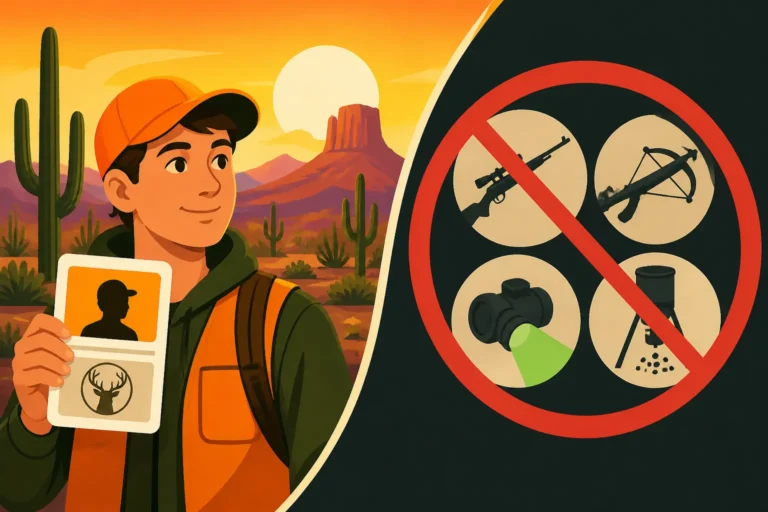
The core rule in Arizona is quite clear, but it's often where the confusion begins for new hunters and their families. Generally speaking, any person under the age of 14 is required to complete a hunter education course before they can hunt big game in Arizona. This means if you're planning to pursue deer, elk, javelina, bear, or any of the larger species, and you haven't yet celebrated your 14th birthday, that hunter education certificate is a non-negotiable item. It’s not just a suggestion; it’s a legal mandate. This requirement covers both residents and non-residents alike, ensuring everyone hunting big game in the state has a foundational understanding of safe firearm handling and ethical hunting principles.
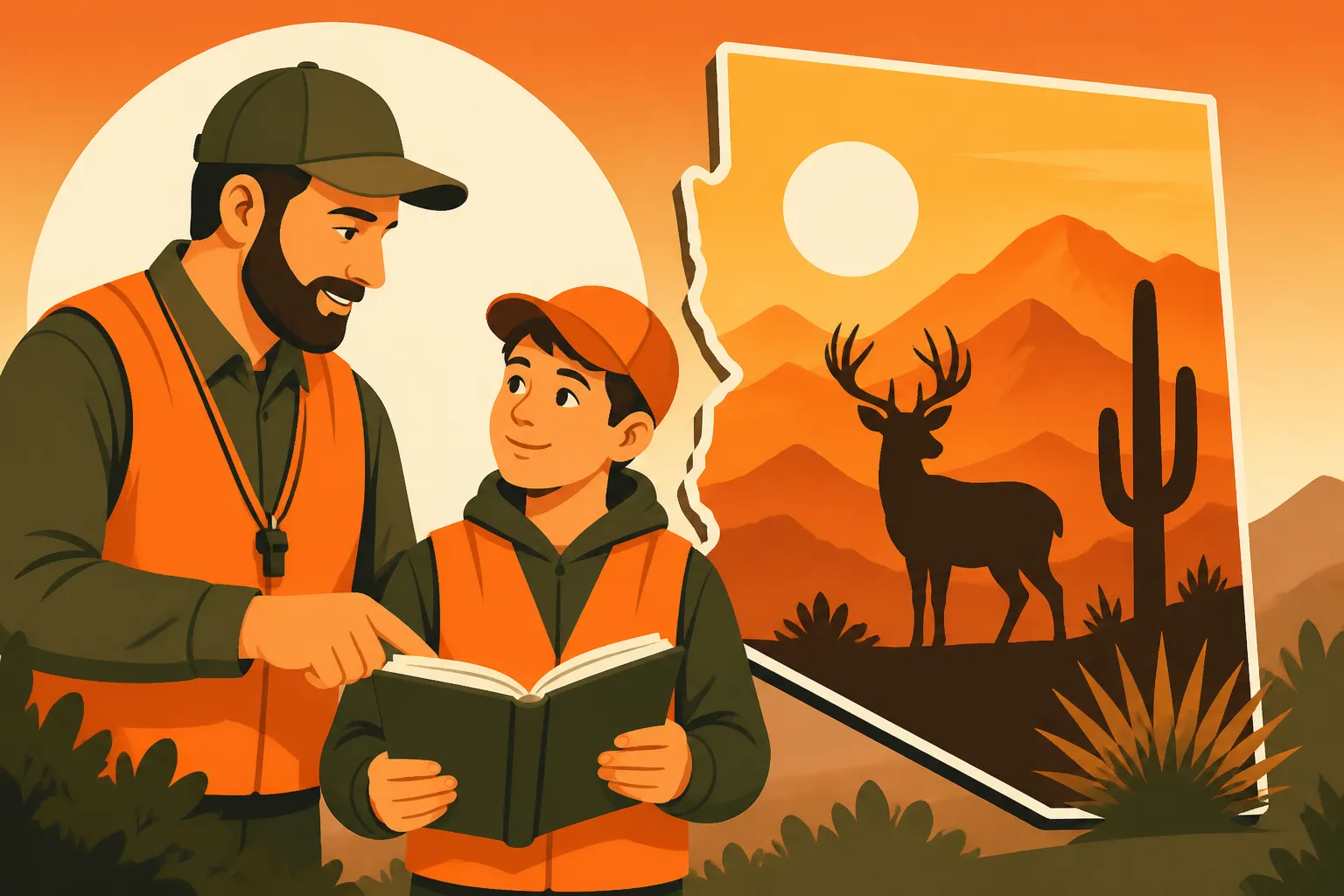
It’s important to clarify that this age requirement specifically pertains to big game. For small game, the rules are a little different, which we’ll dive into shortly. But for anything from Coues deer to pronghorn, if your child is 13 or younger, they need to have successfully completed the course. This is often where parents wonder if their younger child, say a nine-year-old, is even allowed to take the course. The Arizona Game and Fish Department (AZGFD) actually allows children as young as nine to enroll and complete the hunter education course, a move that allows families to get this requirement out of the way well before a big game tag might be drawn. For more details on this, you might find the article, "Hunter Education From Age Nine in Arizona", particularly helpful. The goal is to instill safety and responsibility early, preparing them for a lifetime of outdoor pursuits.
The Hunter Education Course: What to Expect
So, what does taking the hunter education course actually entail? It’s not just a quick online quiz; it’s a comprehensive program designed to cover a broad spectrum of topics essential for responsible hunting. The course curriculum typically includes firearm and archery safety, wildlife identification, basic survival and first aid, hunting ethics, game care, and an understanding of Arizona's hunting laws and regulations. You'll learn about everything from the proper way to cross a fence with a loaded firearm to the importance of respecting private property boundaries.
In Arizona, hunters have a couple of options for completing the course. There's the traditional in-person classroom setting, which often includes a crucial field day component. These hands-on sessions are invaluable, allowing students to practice safe firearm handling, learn about different shooting positions, and gain practical experience under the watchful eye of certified instructors. Many parents find this in-person option beneficial for younger hunters, as the direct interaction and practical application can really drive home the safety lessons. Then there's the online course option, which offers flexibility for busy schedules. However, even with an online component, Arizona typically requires a hands-on field day to complete certification, ensuring that critical practical skills are still learned. This blended approach offers the best of both worlds, allowing for flexible learning while still emphasizing practical safety. Knowing what to expect can help you plan, and if you're wondering "How Long the Hunter Education Course Takes", it's typically an investment of time well worth it.
A significant benefit of these courses, beyond legal compliance, is the real-world preparedness they offer. They teach critical thinking in the field, like how to identify ethical shot opportunities or what to do if you get lost. Many reputable outdoor platforms, like GoHunt, often emphasize the importance of robust hunter education as the foundation for all successful and ethical hunting endeavors. They provide tools and resources that complement the education, but the core knowledge comes from these certified courses.
Navigating Age-Specific Hunting Rules Beyond Education
While hunter education is crucial, Arizona's regulations also address other aspects of youth hunting, particularly regarding supervised scenarios and specific game types. Understanding these nuances can prevent misunderstandings and ensure a smooth experience for young hunters and their mentors.
The Apprentice Hunting License in Arizona
Arizona offers an Apprentice Hunting License, which is a fantastic program designed to introduce new hunters, regardless of age, to the sport under the direct supervision of an experienced, licensed mentor. This license allows an individual who has not completed a hunter education course to hunt with a licensed adult (18 years or older) who has held a valid hunting license for at least two consecutive years. The key here is "direct supervision," meaning the mentor must be within arm's reach and able to take immediate control of the hunting device.
However, and this is a critical point that often causes confusion, an Apprentice Hunting License does not exempt anyone under 14 from the hunter education requirement for big game. This is where the two rules intersect. If a 12-year-old has an Apprentice License, they can hunt small game with a supervising adult without having completed hunter education. But if that same 12-year-old wants to hunt a javelina or a deer, they still need to have their hunter education certificate, in addition to their hunting license (apprentice or otherwise) and the appropriate tag. The apprentice license is a great stepping stone, fostering mentorship, but it doesn't bypass the big game education rule for youngsters. Understanding "The Apprentice License and What It Excludes" is vital for planning youth hunts. This distinction is paramount for safety and legal compliance, ensuring that young big game hunters have received formal training.
Many seasoned hunters and advocates for wildlife, including those contributing to resources like GoHunt, strongly encourage the use of the apprentice license to introduce new participants to hunting. It’s a low-barrier entry point that prioritizes hands-on learning from an experienced individual, but it's crucial to remember its specific limitations when it comes to species and age. It's truly about building a foundation of safe practices from the very start.
Hunting Small Game Without a License for Young Hunters
Now, let's talk about the youngest hunters in Arizona and how they can participate in small game pursuits. Arizona has a really unique provision that allows children under the age of ten to hunt small game without needing a license, provided they are accompanied by a licensed hunter who is 18 years or older. This means that a child of, say, eight or nine years old, can join in on a quail hunt or pursue cottontail rabbits, as long as they are with a qualified adult.
This rule is fantastic for fostering an early love for the outdoors and introducing shooting sports in a low-pressure environment. Imagine taking your six-year-old out for their first squirrel hunt, focusing on gun safety, nature observation, and the pure joy of being outside, without the immediate need for a license or a hunter education course. This is a deliberate policy to encourage family participation and connection to nature. The adult mentor's role here is absolutely critical; they are responsible for ensuring all rules are followed, that the child handles firearms safely (if applicable), and that the experience is positive and educational. This provision highlights Arizona's commitment to cultivating the next generation of hunters by making initial participation as accessible as possible. For more insights on this specific rule, you should look up "Hunting Small Game Under Ten Without a License" to fully grasp the nuances. It truly is one of the most generous provisions in the country for getting really young kids involved.
The Benefits of Early Hunter Education and Continued Learning
Beyond the legal requirements, there are significant long-term benefits to getting hunter education done early and continuing to engage with educational resources throughout your hunting career. These advantages range from practical incentives to fostering a deeper understanding and appreciation for wildlife.
Earning a Permanent Bonus Point
One of the most appealing aspects of completing hunter education in Arizona, especially for those with their sights set on drawing premium tags, is the opportunity to earn a permanent bonus point. That's right, simply by successfully completing an AZGFD-approved hunter education course, you receive a bonus point that never expires and applies to all big game species. This single point can make a tangible difference in your draw odds for highly coveted hunts, like elk or trophy mule deer.
Consider the Arizona draw system, which can be notoriously competitive. Every point you accumulate increases your statistical chance of drawing a tag. Earning this permanent point early in a hunter's life means they'll carry it forward year after year, improving their odds without having to apply for a point-only option. It’s an investment in your future hunting opportunities, literally giving you a leg up in the draw. This incentive truly highlights how much Arizona values educated hunters and encourages participation in these foundational courses. Information platforms, like GoHunt's Insider, frequently discuss strategy around accumulating bonus points, and this "free" permanent point from hunter education is often emphasized as one of the easiest to acquire. For a deeper dive into how this works, you'll want to read "The Permanent Point From Hunter Education".
Promoting Safe and Ethical Hunting Practices
At its heart, hunter education isn't just about passing a test or earning a point; it's about embedding a deep sense of responsibility, safety, and ethics into every hunter. The lessons learned in these courses extend far beyond basic firearm handling. They teach principles of fair chase, respect for wildlife, land stewardship, and the importance of conservation. These are the tenets that uphold hunting as a legitimate and valued conservation tool.
Think about the real-world implications: knowing how to properly field dress an animal to preserve the meat, understanding the impact of your actions on wildlife populations and their habitat, or being able to confidently respond to an emergency in the backcountry. These are all skills cultivated in hunter education that contribute to a safer, more responsible hunting community. An educated hunter is less likely to have an accident, less likely to violate regulations, and more likely to be an active participant in conservation efforts. This continuous learning is crucial for maintaining the public image of hunting and ensuring its future. It helps hunters become ambassadors for the sport, capable of articulate discussions about its benefits and necessities. The course content, whether online or through a field day, truly focuses on building a holistic understanding of what it means to be a responsible hunter in Arizona's diverse landscapes.
| Age of Hunter | License Required for Small Game | License Required for Big Game | Hunter Education Required for Big Game | Supervision Required |
|---|---|---|---|---|
| Under 10 | No (with supervision) | Yes | Yes | Yes (Licensed Adult) |
| 10-13 | Yes (Apprentice or General) | Yes | Yes | Yes (Licensed Adult for Apprentice) |
| 14-17 | Yes (General) | Yes | No | No (unless Apprentice) |
| 18+ | Yes (General) | Yes | No | No |
Disclaimer
The information provided in this guide is for general informational purposes only and does not constitute legal advice. While we strive to keep the information accurate and up-to-date, hunting regulations in Arizona can change. It is always the hunter's responsibility to consult the most current Arizona Game and Fish Department official regulations before hunting.