How the Arizona Bonus Point Pass Works
Hunting in Arizona can feel like navigating a complex maze, especially when you're trying to wrap your head around the draw system. Many of us apply year after year, hoping for that golden ticket, only to be met with disappointment. This guide is here to demystify one of the most crucial elements of that system: the Arizona Bonus Point Pass. We'll break down exactly how it works, who it benefits, and how you can use it to improve your chances of drawing a coveted tag.
What Exactly is the Arizona Bonus Point Pass?
The Arizona Bonus Point Pass isn't just a fancy name; it's a specific mechanism within the Arizona Game and Fish Department's (AZGFD) draw system designed to reward consistent applicants. Instead of every applicant being thrown into one giant pool for all tags, the Bonus Point Pass creates a distinct initial round of allocations. Think of it as a priority lane for those who've been building up their points over time. It's not a guarantee, mind you, but it significantly increases the odds for those who have put in the time.
The Philosophy Behind the Pass
Arizona, like many western states, recognizes the frustration that comes with applying for high-demand tags. Species like elk, bighorn sheep, and even prime mule deer hunts can take years, sometimes decades, to draw. The state wants to encourage participation and loyalty in its draw system. By implementing the Bonus Point Pass, they're attempting to give a tangible advantage to hunters who have consistently applied, whether they've been actively hunting or simply building points. It's a way to acknowledge the dedication of those who stick with the system, even when success seems far off. Without such a system, every year would feel like a complete reset, making it even harder to ever "catch up" for those starting out.
How Bonus Points Are Earned
Accumulating bonus points is fundamental to the Bonus Point Pass. The primary way to earn a point for a specific species is simply by applying for that species in the annual draw. Even if you choose a "point-only" option, or if your application isn't successful, you still gain a point. But that's not the only way. Arizona offers a few other avenues to earn these valuable points, which can really add up over time.
For instance, completing an approved hunter education course in Arizona earns you a permanent bonus point, which is a fantastic head start for new hunters. There's also the Ethically Hunting Arizona course, which can earn you another permanent bonus point, recognizing efforts to promote responsible hunting practices. And don't forget the Arizona loyalty point, which you can accrue after applying for five consecutive years. These additional points are critical because they multiply your chances in the Bonus Point Pass. Each point essentially gives you an extra "entry" into that initial draw phase, meaning more chances for your name to be selected. Understanding these various methods for earning points, as detailed in our guide on Three Ways to Earn an Arizona Bonus Point, is the first step to leveraging the system effectively.
How Does the Bonus Point Pass Actually Work?
Now, let's get into the nitty-gritty of how the Bonus Point Pass operates within the larger draw process. This is where it often gets confusing for hunters, especially if they're used to systems in other states. Arizona's method is unique in that it dedicates a significant portion of tags specifically to the Bonus Point Pass, before any other tags are distributed.
The First Allocation: The Bonus Point Pass Round
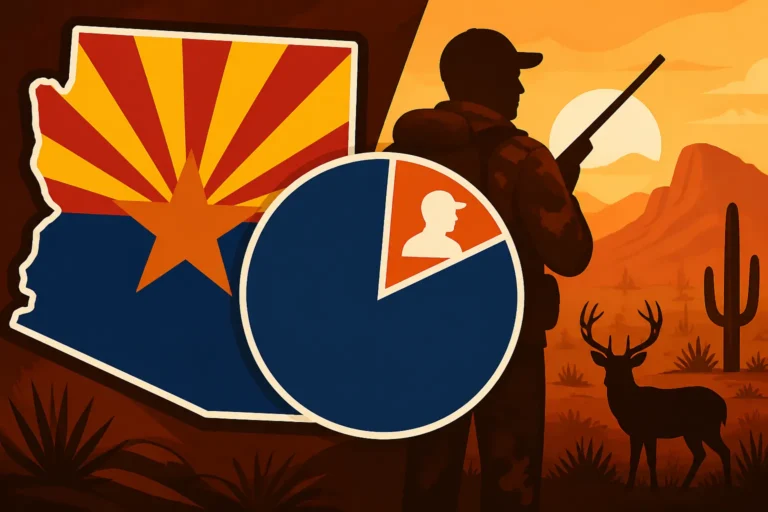
Here’s the deal: Arizona sets aside 20% of the tags available for each specific hunt number. These tags are exclusively allocated in the Bonus Point Pass round. What this means is that if a hunt has 100 tags, 20 of them will be drawn only from applicants who have bonus points for that species. Your application is placed into this drawing pool based on the number of bonus points you have accumulated. If you have, say, 10 bonus points, your name will essentially be entered 10 times into this specific 20% draw. The more points you have, the more entries you get, and the higher your statistical chance of drawing one of those initial 20 tags.
This is a crucial distinction from a simple "preference point" system where points might just act as a tie-breaker or a way to order applications. In Arizona, the Bonus Point Pass is a distinct draw pool where your accumulated points directly multiply your odds. For those chasing highly sought-after tags like a premium elk hunt on the Mogollon Rim or a desert bighorn sheep, this 20% allocation is often their best shot. It ensures that loyalty and persistent application are genuinely rewarded with better odds, giving veterans of the draw a real advantage.
Moving to the Random Pass After
So, what happens if your name isn't pulled in the initial Bonus Point Pass round? Don't despair! Your application isn't discarded. This is another vital aspect of the Arizona system to understand. If you don't draw one of the 20% of tags allocated through the Bonus Point Pass, your application is automatically rolled over into the "Random Pass." This is where the remaining 80% of the available tags for that hunt number are distributed.
In the Random Pass, all applications that didn't succeed in the Bonus Point Pass, as well as any applications from hunters with zero bonus points for that species, are entered. Here's the kicker: in this round, everyone has essentially the same chance. Your bonus points do not multiply your entries in the Random Pass. It truly is a random draw, much like a lottery, for those remaining tags. This two-tiered system means that even if you have zero points, you still have a shot at 80% of the tags, though the odds are significantly lower for high-demand hunts. It's a balanced approach that rewards loyalty while still offering some opportunity for new applicants or those with fewer points. Our article on How the Arizona Random Pass Works After delves deeper into this second phase of the draw.
Who Benefits Most from the Bonus Point Pass?
Understanding the mechanics of the Bonus Point Pass is one thing, but knowing how to strategically position yourself to reap its rewards is another. Certain types of hunters, and specific hunting scenarios, are particularly well-suited to benefit from this unique system.
Long-Term Applicants Chasing Premium Tags
Without a doubt, the hunters who benefit most from the Bonus Point Pass are those who have consistently applied for many years, accumulating a significant number of bonus points. If you've been putting in for Arizona elk, bighorn sheep, or trophy mule deer in units like those on the Kaibab Plateau, you know the waiting game is real. These tags are notoriously difficult to draw due to immense demand and limited supply.
For these premium hunts, having a high number of bonus points means your application gets multiple entries into that critical first 20% allocation. This is where the highest odds for these tags often lie. For example, if a hunt receives 10,000 applications but only has 50 tags, the 10 tags (20%) allocated in the Bonus Point Pass are your best bet. A hunter with 20 points has 20 chances in that smaller pool, a vastly different scenario than someone with 1 point. This system directly rewards persistence, making it easier for dedicated hunters to eventually break through and draw that dream tag. It's a testament to the idea that time in the game can pay off handsomely in Arizona.
Strategic Point Earners
The Bonus Point Pass also greatly benefits individuals who actively engage in "point banking" or strategic point accumulation. These are hunters who might not be able to hunt every year, or who prioritize specific species, and therefore consistently apply for points even if they don't intend to hunt a given year. They understand the long game involved in Arizona's draw.
For instance, a hunter might apply for a point-only option for elk every year, even if they're not ready for an elk hunt, while actively hunting deer on an over-the-counter tag. This allows them to steadily build up a robust point total for elk, so that when they are finally ready for that once-in-a-lifetime hunt, they have the maximum possible entries in the Bonus Point Pass. Tools like GoHunt become invaluable here, allowing hunters to track their points across species, analyze draw odds, and plan their application strategy years in advance. This kind of forward-thinking approach means you're not just hoping for luck; you're actively constructing a pathway to future success. It also means keeping track of various ways to earn points, including The Arizona Loyalty Point for Five Straight Years and Earning an Arizona Point by Applying annually.
Understanding the Numbers: Draw Odds and Your Points
Navigating the draw can feel like a shot in the dark, but Arizona provides data that, when understood correctly, can illuminate your path. Connecting your bonus points to actual draw odds is paramount for making informed application decisions.
Interpreting Draw Odds Reports
AZGFD publishes draw odds reports after each draw cycle, breaking down the success rates by hunt number and point level. These reports are goldmines of information, but they require careful interpretation. You'll typically see categories like "Applicants with X points who drew" and "Applicants with X points who applied." This data shows you, for example, that out of 100 people with 15 points who applied for a specific elk hunt, 30 of them drew a tag in the Bonus Point Pass round.
When you look at these reports, pay close attention to the success rates in the highest point categories for your desired hunts. You'll often notice a sharp drop-off in success once you move out of the high-point tiers, especially for premium tags. This graphically demonstrates the power of the Bonus Point Pass. It clearly illustrates that for certain hunts, if you don't have a competitive number of points, your chances within that initial 20% allocation are minimal, pushing you predominantly into the 80% random draw where odds are much steeper. Understanding these reports is critical for managing expectations and refining your application strategy. This is where a detailed look at Checking Arizona Draw Odds Before You Apply can give you a significant advantage.
Utilizing Tools for Prediction and Strategy
While AZGFD reports give you raw data, several online platforms and tools can help you analyze and predict your odds more effectively. This is where services like GoHunt really shine. These platforms often take the raw AZGFD data and present it in a more user-friendly format, allowing you to easily filter by species, unit, weapon, and your current point total.
Many of these tools also offer "draw odds calculators" or predictive models that can estimate your chances based on historical data and your current point status. For instance, if you're deciding between two different units for a mule deer tag, GoHunt's data can help you compare the draw odds for each unit at your specific point level, both in the Bonus Point Pass and the Random Pass. This allows you to make a more strategic choice, balancing your dream hunt against the realistic probability of drawing. It's about moving from hopeful guessing to informed decision-making, ensuring every application dollar and every accumulated point is leveraged to its fullest potential.
Common Misconceptions and FAQs
Despite the information available, the Arizona Bonus Point Pass still generates a fair amount of confusion. Let's clear up some of the most common misunderstandings.
Do Bonus Points Guarantee a Tag?
This is perhaps the biggest misconception out there, and one that leads to a lot of heartache. No, bonus points do not guarantee you a tag in Arizona. While having a high number of points significantly increases your odds, especially for those initial 20% of tags allocated in the Bonus Point Pass, it does not make drawing a tag a certainty. It's still a lottery, albeit one where your name is entered multiple times based on your points. Even hunters with maximum points for certain premium elk or bighorn hunts have been known to go years without drawing, simply due to the sheer demand and the fact that other hunters also have high point totals.
It's essential to manage your expectations. Think of bonus points as a very strong advantage, a preferential nod, but never a solid promise. The "random" element is always present, even in the Bonus Point Pass round, and especially so in the subsequent 80% Random Pass. This nuanced understanding is crucial for any hunter participating in the Arizona draw; it helps temper disappointment and encourages a long-term, strategic approach rather than expecting immediate results.
Do Points Cross Species?
Another frequently asked question is whether bonus points transfer between different species. The answer, definitively, is no. In Arizona, your bonus points are strictly species-specific. An elk point is an elk point, a deer point is a deer point, and a javelina point is a javelina point. Your accumulated points for mule deer will not help you draw an antelope tag, and your bighorn sheep points won't influence your chances for bison.
This distinction is fundamental to how Arizona's draw system is structured. It encourages specialization or at least focused point accumulation for the species you are most interested in pursuing. You can't just pile up points for an "easy" species and then use them for a "hard" species. This is why when applying for Arizona Elk and Antelope Application Deadline or Arizona Deer, Sheep and Bison Deadline, you're making separate applications that build separate point totals. Understanding that Why Arizona Bonus Points Never Cross Species is a core tenet of the system will prevent frustration and guide your application strategy.
What Happens to Your Points When You Draw a Tag?
This is a critical point that often catches new applicants off guard. When you successfully draw a tag for a specific species, your accumulated bonus points for that species are reset to zero. This applies whether you drew the tag through the Bonus Point Pass or the Random Pass.
For example, if you've accumulated 15 elk points and finally draw an elk tag, your elk point total will revert to zero for the next draw cycle. You'll then have to start accumulating new elk points from scratch. This system ensures that while consistent applicants get a significant advantage, everyone eventually gets a chance to "move up" the point ladder as tags are drawn and points are reset. The only exception to this reset is the permanent hunter education point and the ethics course point; these remain on your record indefinitely, giving you a perpetual head start. But for points earned through annual application, drawing means starting over for that particular species. Our detailed article, What Happens to Arizona Points When You Draw, offers a complete breakdown of this process.
Here's a quick reference table to summarize how points interact with the Arizona draw:
| Feature | Bonus Point Pass (First 20% Tags) | Random Pass (Remaining 80% Tags) | Point Reset After Draw |
|---|---|---|---|
| Point Influence | Direct, points multiply entries | None, purely random | Yes, for species drawn |
| Odds for High-Demand | Significantly improved with more points | Low, especially for popular hunts | N/A |
| Eligibility | Applicants with >0 bonus points | All applicants not drawn in Bonus Pass + 0 point applicants | N/A |
| Purpose | Reward consistent, loyal applicants | Provide universal opportunity | Fair distribution |
Maximizing Your Chances: Strategies for the Bonus Point Pass
Now that we've covered the ins and outs of the Bonus Point Pass, let's talk strategy. How can you effectively use this knowledge to increase your odds of drawing that coveted Arizona tag?
Consistent Application is Key
The most fundamental strategy for leveraging the Bonus Point Pass is consistent application. Even if you don't plan to hunt a particular species in a given year, or if your budget doesn't allow for a full hunt, applying for a point-only option is a wise move. For most big game species, the application fee for a point-only option is relatively low, making it an affordable way to stay in the game and build your point total.
Missing even one year can set you back significantly, especially for species where points accumulate slowly and top-tier applicants have many years invested. If you miss a year, you don't just miss earning a point; you also miss out on the potential to draw if your number would have come up in the random pass, and you might impact your eligibility for The Arizona Loyalty Point for Five Straight Years. Treat your annual application, even if it's just for a point, as an investment in your future hunting opportunities. Every year you apply adds another entry to your name in that crucial 20% Bonus Point Pass, steadily moving you closer to your dream tag.
Applying for Lesser-Demanded Hunts
While it's tempting to only apply for the "trophy" units with the lowest odds, a more pragmatic approach can sometimes yield faster results, even within the Bonus Point Pass system. Consider applying for units or hunt types that are generally less in demand. These might include later season hunts, archery-only seasons for deer where pressure is lower, or units that are more rugged and harder to access.
For example, if you've been putting in for a premier rifle elk unit with 200% odds for maximum points, you might pivot to an archery elk hunt in a less famous unit where the draw odds are significantly better for your current point level. While the "trophy potential" might not be as high, drawing a tag and gaining valuable experience in Arizona's diverse landscapes is a massive win. You still reset your points after drawing, but you get to experience an Arizona big game hunt sooner rather than later. This strategy is especially useful for hunters who want to gain experience on the ground while still building points for those truly once-in-a-lifetime opportunities.
Group Applications and Point Averaging
Arizona allows for group applications, which can be a double-edged sword when it comes to the Bonus Point Pass. When you apply as a group, the AZGFD averages the bonus points of all members in the group to determine your collective entry weight into the Bonus Point Pass. This means if one member has a very high number of points and another has very few, the average will be lower than the high-point individual's total.
This can be a great strategy for a group of friends or family members who all have similar point totals, as it ensures everyone either draws or doesn't draw together, preserving the hunting experience as a unit. However, if there's a significant disparity in points, the high-point individual might be lowering their own chances in the Bonus Point Pass. It's a trade-off between individual odds and the desire to hunt together. Before submitting a group application, calculate the average points and carefully consider if it aligns with everyone's individual draw goals, especially for those with high point totals. We cover this in more detail in How Arizona Averages Points Across a Group, which can help you decide if a group application is right for your hunting party.
Disclaimer
Please remember that hunting regulations and draw systems can change. While this guide is based on current information and common practices, it is always your responsibility to consult the official Arizona Game and Fish Department regulations for the most up-to-date and accurate information before applying for any tags or heading afield.