Which Species Fall in the February Cycle
Navigating Arizona's complex hunting draw system can feel like trying to solve a puzzle blindfolded, especially when you're trying to figure out which animals are even on the table for a specific application period. It's a common source of frustration, with many hunters missing out simply because they weren't sure when to apply for their dream tag. This guide aims to clear up that confusion, diving deep into the specific big game species that fall under the much-anticipated February application cycle, ensuring you're well-equipped to plan your Arizona hunting adventures.
Understanding Arizona's Two Primary Draw Cycles
Arizona's approach to allocating its highly coveted big game tags is unique, primarily operating through two distinct draw cycles each year. This system is in place to manage the immense demand for hunts on various species, spreading the application periods out to give hunters focused windows for specific animals. It can certainly be a headache to keep track of, but understanding this fundamental split is the first step to success. If you've ever wondered why the deadlines seem to shift for different animals, it's because the Arizona Game and Fish Department strategically segments these application periods. This allows for better resource management and ensures that hunters can prioritize their applications without having to apply for every species all at once. For more on this, check out our piece on Why Arizona Splits Its Draw Into Two Cycles.
The Importance of the February Application Deadline
The February application deadline isn't just another date on the calendar; it's arguably the most critical period for many big game hunters in Arizona. This is when the applications for some of the state's most sought-after tags open and close. Missing this window means missing out entirely on an opportunity for certain species for an entire year. It requires forward planning, often months in advance, to research units, understand draw odds, and prepare your application. Many seasoned hunters start this planning right after the previous year's draw results are posted, learning from successes and failures to refine their strategy for the next cycle. The intensity around this deadline, especially for high-demand tags like elk, is palpable, and for good reason. For specific insights into the critical deadlines, you can read about The Arizona Elk and Antelope Application Deadline.
Big Game Species in the February Draw
When the February draw rolls around, several marquee species dominate the headlines, drawing applications from across the nation. These are the hunts that hunters often dream about, requiring a significant investment of time, research, and often, bonus points accumulated over years.
Arizona Elk: The Premier Opportunity
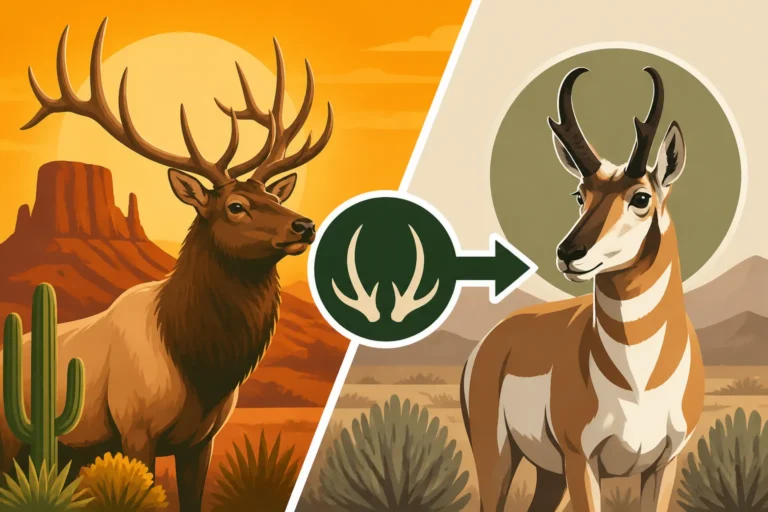
Without a doubt, elk are the biggest draw for the February application period in Arizona. The state is renowned for its trophy quality bulls, particularly on the famed Kaibab Plateau and across the Mogollon Rim. Elk tags here are among the most difficult to draw in the entire West, making every application a hopeful venture. Hunters apply for a variety of elk hunts during this cycle, including early archery seasons that target bugling bulls, muzzleloader hunts, and general rifle seasons. Each hunt type offers a different experience and challenge, from the up-close intensity of a bow hunt to the long-range precision often required during rifle season. Many hunters dedicate years, even decades, to accumulating bonus points for a chance at a true Arizona giant. Sites like GoHunt provide invaluable tools for dissecting draw odds and understanding the historical data for these highly competitive units, giving you an edge in your planning. Exploring Arizona Elk Season Structure by Hunt Code can help you understand the nuances of the various hunt options available. For those chasing giants, understanding Which Arizona Units Produce the Biggest Bulls is paramount.
To illustrate, consider Unit 9 or Unit 10 on the Kaibab Plateau. These units consistently produce some of the largest bull elk in the country, but drawing a tag for them can take many years, sometimes even decades, of accumulating bonus points. Similarly, units along the Mogollon Rim, like Unit 1, 3C, or 23, offer fantastic elk hunting, particularly during the rut, but still require significant draw equity. The sheer size and wild nature of these animals, coupled with the rugged Arizona terrain, make these hunts truly legendary.
Pronghorn Antelope: The Speedsters of the Plains
Another highly sought-after species included in the February draw is the pronghorn antelope. These animals, often referred to as speed goats, offer an incredibly challenging and rewarding hunt on Arizona's open grasslands. Pronghorn tags are exceptionally limited, making them nearly as difficult to draw as elk tags in many units. The hunts themselves typically occur in late summer or early fall, often coinciding with the rut, providing exciting opportunities for spot-and-stalk tactics. Success often hinges on effective glassing and the ability to close distances in wide-open country where cover is scarce. For serious pronghorn enthusiasts, researching specific units and their historical draw odds through platforms like GoHunt is non-negotiable. Our guide on Arizona Pronghorn Season Timing offers more specifics on when these unique hunts typically take place. You can also learn more about Pronghorn on the Northern Grasslands to better understand their habitat.
Imagine spending hours behind your optics, slowly scanning vast sagebrush flats in Unit 5B or Unit 19B, finally spotting a mature buck miles away. The real challenge then begins: devising an approach that utilizes every subtle dip and rise in the terrain to get within shooting range of an animal known for its incredible eyesight and speed. The success rates for pronghorn can vary greatly by unit and year, making detailed research crucial.
Spring Bison: A Unique and Coveted Tag
While not as widely known as elk or pronghorn, spring bison tags are also part of Arizona's February draw. These are incredibly rare, once-in-a-lifetime opportunities, primarily for hunts on the House Rock Wildlife Area near the Grand Canyon. Drawing a bison tag is an exceptionally long shot, often requiring many years of bonus points. However, for those dedicated to a unique big game experience, the chance to hunt North America's largest land mammal in such an iconic setting is unparalleled. Keep in mind that only the spring bison hunts are included in this cycle; fall bison hunts fall into the June draw. For more information on the timing of these incredible hunts, check out When Arizona Spring Bison Applications Run. You can also learn more about the animals themselves in Arizona Bison on the Kaibab and House Rock.
These hunts are generally guided or semi-guided due to the difficulty of locating and handling such large animals, and the areas they inhabit are often remote and rugged. The preparation, physical demands, and the sheer scale of a bison hunt make it a monumental undertaking.
Spring Bear and Turkey: Early Season Opportunities
While many black bear and turkey tags in Arizona are available over-the-counter (OTC), the February draw often includes specific limited-entry hunts for these species. These draw-only tags usually pertain to particular units or seasons that offer higher success odds or target specific populations, especially for spring bear hunts in areas like Unit 27, 22, or 23, or highly desired spring turkey hunts in units known for excellent Merriam's or Gould's populations. It’s always critical to consult the annual Arizona Game and Fish Department (AZGFD) hunting regulations booklet to verify which specific bear and turkey hunts, if any, are part of the February draw for the current year. This can change year to year based on population management goals. Our article on Arizona Bear Season and Harvest Limits offers additional context for these hunts. For turkey hunters, understanding Arizona Turkey Season Windows is key to planning.
For example, certain spring bear hunts might have very specific unit boundaries or weapon restrictions that differ from the general OTC tags. Similarly, a draw-only turkey tag might grant access to a specific piece of public land or a longer season than general OTC opportunities, increasing your chances of success.
Navigating the Application Process for the February Draw
Once you know which species are available, the next hurdle is successfully navigating the application process itself. It's not just about filling out a form; it's about strategic planning and understanding the nuances of Arizona's system.
Essential Steps for a Successful Application
Applying for an Arizona big game tag in the February draw requires careful attention to detail. First and foremost, you'll need a valid Arizona hunting license, which must be purchased before you can apply for any draw tags. Next, you'll need to research the specific hunt codes for your desired species and units. This involves poring over the Arizona Game and Fish Department's annual regulations, which can be dense but contain all the critical information. Pay close attention to season dates, weapon types, and any special restrictions. Many hunters also leverage detailed draw odds data and unit analyses, often found on platforms like GoHunt, to refine their choices, understanding the statistical likelihood of drawing different tags based on their bonus points. A great resource to get started is by Reading the Arizona Hunt Regulations Booklet. You'll also need an online account, which you can set up by following the steps in Setting Up an Arizona Portal Account.
It’s not uncommon for new applicants to make simple mistakes, like entering the wrong hunt code or missing a crucial piece of information, leading to a rejected application. Double-checking every detail before submission is a small investment that can save you a year of regret.
Maximizing Your Bonus Points
Arizona's bonus point system is a critical component of the draw, especially for the highly desired species in the February cycle. For every year you apply for a species and are unsuccessful, you accrue a bonus point for that specific species. These points essentially increase your odds in subsequent draws, as a certain percentage of tags are allocated to those with the most points, as detailed in How Arizona's Bonus Point Pass Awards the First Twenty Percent. You can also earn a bonus point by simply applying for a point-only option if you don't wish to hunt a particular year or don't have enough confidence in drawing a tag. This is an excellent strategy for building equity towards future hunts. Understanding how to consistently earn and manage your bonus points is a long-term strategy for success in Arizona's draw system. Resources like GoHunt often offer predictive models and analysis of point creep, helping you make informed decisions about where to apply your hard-earned points. More on this can be found in Earning an Arizona Point by Applying.
Many hunters will strategically apply for "points only" for a few years, especially for elk, to increase their chances of drawing a premium tag down the line. This patient approach is often the key to unlocking those once-in-a-lifetime hunts.
Group Applications and Nonresident Considerations
Arizona does allow group applications, which can be a great way to hunt with friends or family. However, when applying as a group, the application's bonus point total is averaged among all members. This means if you have significantly more points than your partners, your individual advantage will be diluted. It’s a trade-off: hunting with companions versus maximizing your personal draw odds. For nonresidents, there’s an additional layer of complexity: Arizona caps nonresident tag allocation at 10% for any given hunt code. This means competition is even stiffer for out-of-state hunters. Understanding these rules is vital, as a mistake in a group application or an oversight of nonresident limitations can lead to disappointment. Our guide on Nonresident Arizona Hunting License Price provides more detail on costs, while Group Application Rules in the Arizona Draw helps clarify group dynamics.
For instance, if you have 15 elk points and your friend has 5, a group application would be treated as if you both have 10 points (average). This can drastically change your probability of drawing, especially for those highly coveted units.
Here's a quick overview of the species covered in Arizona's February Draw:
| Species | Typical Hunt Period | Key Considerations | Average Draw Difficulty (1-5, 5 being hardest) |
|---|---|---|---|
| Elk | Archery (Sept), Muzzle (Sept), Rifle (Oct-Nov) | High demand, trophy potential, long point accumulation | 5 |
| Pronghorn Antelope | Late Aug – Sept | Very limited tags, excellent eyesight, open terrain | 4.5 |
| Spring Bison | Feb – April | Extremely rare, once-in-a-lifetime, specific units | 5 |
| Spring Black Bear | April – July (specific seasons) | Limited draw tags, often supplemental to OTC | 2-3 (for draw tags) |
| Spring Turkey | Late April – May (specific seasons) | Limited draw tags, often supplemental to OTC | 2-3 (for draw tags) |
What Happens After the February Deadline?
The anxiety doesn't end once you hit "submit" on your application. The waiting period for draw results can feel agonizingly long, and then you have to react quickly depending on the outcome.
Anticipating Draw Results
After the February application deadline, all you can do is wait. The Arizona Game and Fish Department processes thousands of applications, and it takes time to run the draw. Typically, results for the February cycle hunts are posted in late April or early May. This can vary slightly year to year, so it's always a good idea to keep an eye on the official AZGFD website for announcements. If you're successful, congratulations! You'll then need to ensure your payment information is up to date, as the tag fee will be charged to your card. Make sure your financial institution doesn't flag the transaction as fraudulent, as a declined payment could lead to losing your drawn tag. To know precisely when to expect news, consult When Arizona Posts Draw Results.
Many hunters find themselves refreshing their Arizona Game and Fish online portal countless times around the expected announcement date, hoping to see those coveted "Successful" notifications.
Planning for Unsuccessful Draws
Drawing a tag in Arizona, especially for elk or pronghorn, is tough. More often than not, hunters face the disappointment of an unsuccessful draw. But don't despair! An unsuccessful draw isn't a wasted year; it means you've just earned another bonus point, moving you one step closer to that dream tag next time. This is where patience truly pays off in Arizona. If you didn't draw, you can start strategizing for the next cycle, perhaps focusing on building more points, or looking into the June draw which covers different species like deer, bighorn sheep, and fall bison. Additionally, keeping an eye out for leftover tags that go on sale after the main draws is another avenue to explore, though these are typically for less popular units or hunt types. Platforms like GoHunt often provide alerts and detailed information on leftover tags, giving you a chance to snag a tag even if you weren't successful in the primary draw. Learn more about the opportunities after the draw in Arizona Leftover Tag Sales After the Draw.
It’s crucial to view each unsuccessful draw as a strategic step forward, not a setback. Every point accumulated increases your future odds, making the waiting game an essential part of the Arizona hunting experience.
Disclaimer
Please remember that hunting regulations, season dates, and application procedures can change. Always consult the official Arizona Game and Fish Department (AZGFD) website and the most current hunting regulations booklet before making any plans or submitting applications. This guide is for informational purposes only and does not supersede official AZGFD publications.