Earning an Arizona Bonus Point by Applying
For many hopeful hunters eyeing Arizona's incredible big game opportunities, the draw system can feel like a labyrinth, especially when it comes to understanding how to even get your foot in the door. A common frustration is the seemingly insurmountable odds for premier tags, and a key component to eventually drawing one of those coveted permits is accumulating bonus points. This guide will meticulously walk you through the most direct and foundational method of earning an Arizona bonus point: simply applying for a hunt.
The Foundation: Understanding Arizona's Bonus Point System
Arizona's draw system is one of the most unique and, let's be honest, sometimes frustrating, systems in the West. Unlike some states where points guarantee you a tag after a certain number of years, Arizona's bonus points don't guarantee a tag. Instead, they exponentially increase your odds in what is essentially a weighted lottery. It's a system designed to give loyalty and persistence a statistical advantage without making tags impossible for new applicants. You might hear people talking about how Arizona Caps Nonresidents at Ten Percent of Every Hunt, and while that's true, everyone, resident or nonresident, plays by the same bonus point rules to get into that initial draw pool.
Why Bonus Points Matter for Arizona Hunters
Imagine trying to win the lottery. Now imagine if every time you bought a ticket and didn't win, you got an extra ticket for the next drawing, and the drawing after that, compounding your chances. That's essentially what bonus points do in Arizona. They don't give you a spot in line; they give you more chances to be drawn. Each bonus point you hold is multiplied by itself to determine how many "entries" you get into the random draw. So, 1 point means 1 entry, 2 points mean 4 entries (2×2), 3 points mean 9 entries (3×3), and so on. As you can see, the power of compounding points is immense, especially for species like elk or bighorn sheep where odds can be incredibly long. Without points, drawing one of these tags is often a once-in-a-lifetime stroke of pure luck. With points, it becomes a strategic, achievable goal over time.
The Different Ways to Accrue Points in Arizona
While applying is the primary method, it's not the only way to rack up those precious bonus points in Arizona. The Grand Canyon State offers a few avenues for hunters looking to boost their odds. Beyond applying annually for a hunt or for a "point only" option, you can also earn a permanent bonus point by completing the Hunter Education Is Required Under 14 in Arizona course, regardless of your age. This is a one-time point, a nice boost right at the start of your hunting journey in Arizona. Furthermore, there's also The Ethically Hunting Arizona Course Earns a Permanent Point, which is another permanent point available to you. These two ethics courses are valuable because they stack on top of your annually accumulated points, giving you a solid head start. Understanding all Three Ways to Earn an Arizona Bonus Point allows you to strategize your approach to the draw.
The Direct Path: Earning Points Through Application
The most consistent way to build your Arizona bonus point total is through the annual draw process. Whether you're actively trying to draw a tag or simply building points for the future, the application is your ticket to that extra entry. Many hunters, especially those new to Arizona or nonresidents with long-term goals, choose to apply for "point only" for several years to build a competitive number of points before throwing their hat in the ring for a specific unit. It's a long game, but a rewarding one.
How Your Application Becomes a Bonus Point
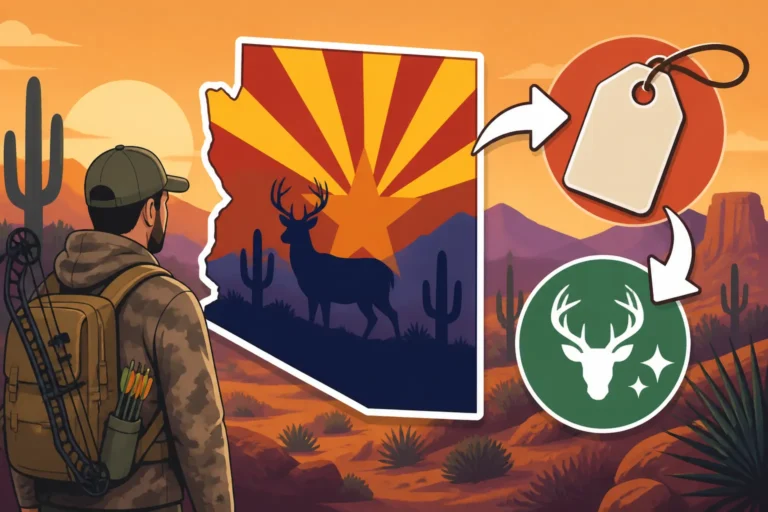
When you submit an application for a big game hunt in Arizona, you have a few choices. You can apply for specific hunt numbers (your first, second, third, fourth, and fifth choices), or you can choose the "point only" option. If you apply for a hunt and are unsuccessful in drawing any of your choices, and you don't draw a tag in the bonus point pass, then you are automatically awarded one bonus point for that species. It's that simple. Your application, even if it doesn't result in a tag, still serves a crucial purpose: accumulating that point. It's important to remember that these points are species-specific. For example, your elk points won't help you draw a deer tag, nor will deer points count towards pronghorn. Each species has its own separate point bank. This also means you can be building points for multiple species simultaneously across the two draw cycles Arizona Runs Two Draw Cycles, February and June.
Let's imagine you're a nonresident dreaming of a trophy elk hunt in Arizona. You know the odds are incredibly tough. If you apply for a specific elk hunt but don't draw, you automatically get an elk bonus point. If you apply for "point only" for elk, you also get an elk bonus point. The difference is that with the "point only" option, you're not actually in the running for a tag that year, which means your application fee is generally lower (often just the license fee and the application fee, not the full tag cost). Many savvy hunters utilize platforms like GoHunt's Insider service to analyze draw odds and strategize which units to apply for, or whether to go "point only" for a given year. This kind of detailed research helps them decide if it's worth burning their points on a long shot or if they should continue building.
Navigating the Application Process for Point-Only
Applying for a "point only" option in Arizona is straightforward through the Arizona Game and Fish Department's online portal. When the application period opens for a given species, you'll log into your account and begin the process. Instead of selecting specific hunt numbers from the dropdown menus for your first through fifth choices, you'll simply select the "bonus point" option. This indicates to the system that you are not actively seeking a tag for the current year, but rather wish to accrue a bonus point for future draws.
It's crucial to pay close attention to the deadlines. The Arizona Elk and Antelope Application Deadline is typically in early February, while The Arizona Deer, Sheep and Bison Deadline falls in early June. Missing these deadlines means you miss out on earning a point for that entire year for those species. Trust me, it's a gut-punch to realize you forgot to apply for your point, especially when you're on a multi-year strategy. Set reminders, mark your calendar, or even use third-party services that send out alerts to ensure you never miss an application window. Your application will still require the purchase of a valid Arizona hunting license (if you don't already have one) and the non-refundable application fee for each species you apply for. These fees are relatively small compared to the cost of a tag, making the "point only" strategy an affordable long-term investment.
Strategies for Maximizing Your Arizona Points
Building points isn't just about applying; it's about applying smartly. Understanding the nuances of the system and making informed decisions can significantly impact your long-term success in drawing coveted tags. There's a method to the madness, and those who master it often find themselves in desirable hunting units sooner rather than later.
The Art of Applying for "Point Only"
The "point only" application option is a powerful tool for those committed to a long-term hunting strategy in Arizona. It's particularly useful for highly sought-after species like elk, where drawing a quality tag can take many years, even with a solid number of points. By consistently applying for "point only," you avoid the high cost of a full tag upfront and ensure you're always building toward better odds. For example, if you're a nonresident, an elk tag alone costs $665. Applying for "point only" might only cost you the $160 hunting license plus the application fee, saving you a significant amount while still improving your chances down the road. This strategy is also excellent for new hunters or those who might not have the time or resources for a big hunt this year but want to keep their options open for the future. You're making a small annual investment for a potentially huge payoff. Think of it as putting money in a high-yield savings account, but for hunting.
Consider a scenario where you've been building elk points for five years, and now you have a significant advantage. A tool like GoHunt's draw odds calculator can show you how your 5 points dramatically improve your chances compared to someone with 0 or 1 point. At this stage, you might decide to go for a specific, high-demand hunt choice. This strategic shift from "point only" to applying for a tag needs careful consideration of How Arizona's Bonus Point Pass Awards the First Twenty Percent of tags and where your point total places you within that system.
Group Applications and Point Averaging
Arizona allows hunters to apply as a group, which can be a great way to hunt with friends or family. However, it's crucial to understand how points are handled in a group application. When you apply as a group, the Arizona Game and Fish Department averages the bonus points of all applicants in the group. This averaged point total is then used for the entire group's application. For instance, if one person has 5 points and another has 1 point, the group's application will be considered with an average of 3 points (5+1=6, divided by 2 applicants = 3). This can be beneficial if you have a lower point hunter in the group, as they'll benefit from the higher point holder's score. Conversely, if you're the high-point holder, your odds might be diluted by lower-point members.
Understanding How Arizona Averages Points Across a Group is paramount for maximizing your group's chances. If you're a high-point holder, carefully consider who you apply with. A group application can also be a way to introduce new hunters to the draw system without them having to build points from scratch. For example, an experienced hunter with a good number of points could apply with a youth hunter holding zero points, immediately giving the youth a better chance than if they applied alone. However, remember that if the group draws a tag, everyone in the group burns their points for that species, regardless of their individual point totals. This means a high-point holder might "burn" a significant investment of points on a tag they could have drawn with fewer points, simply to facilitate a hunting partner. It's a trade-off, and one that requires open communication and shared goals within the hunting party.
Common Pitfalls and How to Avoid Them
Even with the best intentions, the Arizona draw system has a few traps that can catch unsuspecting hunters. Avoiding these common mistakes can save you frustration, money, and most importantly, your hard-earned bonus points. A little attention to detail can go a long way.
Missing Deadlines and Their Consequences
This might seem obvious, but missing an application deadline is probably the most common and heartbreaking mistake hunters make. There's no grace period, no last-minute extensions. If you miss The Arizona Elk and Antelope Application Deadline in February or The Arizona Deer, Sheep and Bison Deadline in June, you simply don't apply, and you don't earn a point for that species for the year. It's a lost opportunity that can set back your long-term point accumulation strategy by a full year. Imagine waiting five years to build points only to miss a deadline and effectively lose a year's progress.
To avoid this, I highly recommend setting multiple reminders on your calendar, phone, and even asking a hunting buddy to remind you. Many online resources and forums also provide timely reminders, and specific platforms like GoHunt often send out notifications to their users. Always verify the exact deadline dates and times on the official Arizona Game and Fish Department website, as they can sometimes shift slightly from year to year. Remember, it's not just about getting the application in, but making sure it's complete and all fees are processed correctly. I've heard too many stories of applications being rejected due to incomplete information or payment issues, effectively turning a valid submission into a missed deadline. So double-check everything before you hit submit!
Understanding Refund Policies and Point Retention
Another critical aspect to understand is how refunds work and what happens to your points if you are successful in the draw. First, the application fee itself is typically non-refundable, regardless of whether you draw a tag or apply for "point only." This covers the administrative cost of processing your application. If you apply for a specific hunt and are successful in drawing a tag, your credit card will be charged for the full tag amount. At this point, your bonus points for that species will be reset to zero. This is the "cost" of drawing a tag – you get the hunt you wanted, but you start over on points for that species.
What if you drew a tag but then realized you can't go? This is where it gets tricky, and it's vital to understand the Can You Return an Arizona Tag for a Refund? policies. Generally, once a tag is issued and purchased, refunds are very limited and usually only granted under specific, unforeseen circumstances like military deployment or a significant medical emergency, and often require official documentation. You can't just change your mind and get your money back. In most cases, if you surrender a tag, you do not get your bonus points back; they are still reset to zero. The point is considered "used" once you draw. This is why it's so important to thoroughly research hunts, check your schedule, and be absolutely sure you can commit to a hunt before you apply, especially for those high-point-burning tags. When Arizona Posts Draw Results, it's an exciting time, but also a moment of truth regarding your commitment.
Disclaimer
Please remember that hunting regulations, seasons, and application procedures can change. While I strive to provide the most current and accurate information, it is always your responsibility to consult the official Arizona Game and Fish Department regulations for the most up-to-date rules and guidelines before applying or hunting.