Can You Draw Both Bighorn Species in Arizona?
It's a dream hunt for so many of us, isn't it? The sheer majesty of a bighorn sheep in its natural, rugged Arizona habitat is something truly special. But for those dedicated hunters pouring over draw odds and regulations year after year, a common question often surfaces: if you're fortunate enough to draw one bighorn tag, does that mean your chances for the other species are gone forever? This guide will dive deep into how Arizona manages its two distinct bighorn populations and clarify the rules around pursuing both.
Arizona's Two Distinct Bighorn Sheep Species
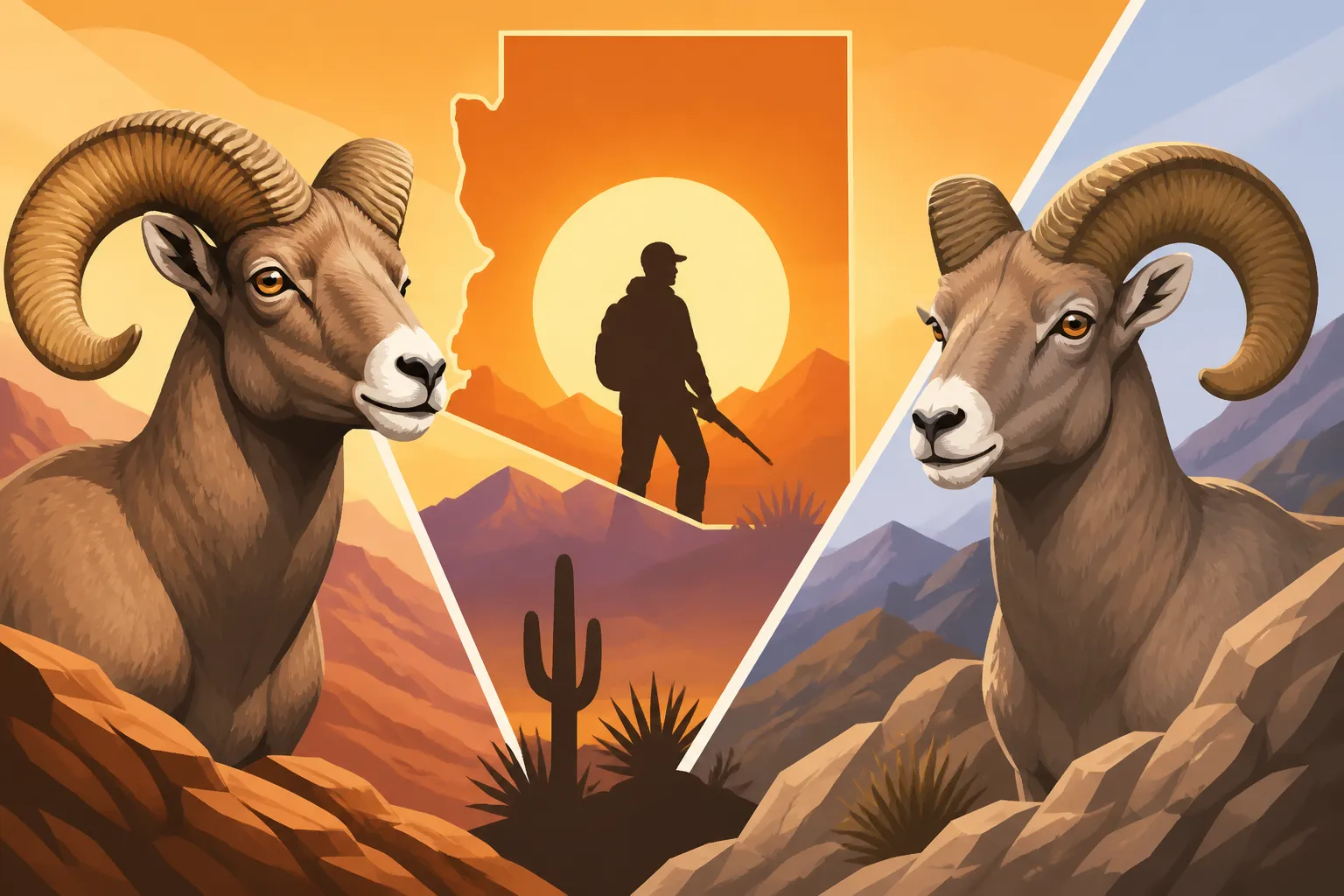
Arizona is a uniquely blessed state, home to not one, but two incredible bighorn sheep species: the Desert Bighorn (Ovis canadensis nelsoni) and the Rocky Mountain Bighorn (Ovis canadensis canadensis). While both are undeniably bighorns, they inhabit different ecosystems and are managed as separate populations by the Arizona Game and Fish Department (AZGFD). This distinction is absolutely crucial when it comes to understanding hunting regulations and draw eligibility.
Desert Bighorn: Kings of the Sonoran Peaks
The Desert Bighorn is what most people picture when they think of Arizona sheep. These hardy animals thrive in the arid, rocky mountain ranges of the Sonoran and Mojave deserts, from the Kofa Mountains to the Plomosa Mountains and countless smaller ranges scattered across the southwestern part of the state. They are incredibly adapted to extreme heat and scarce water, often found scaling precipitous cliffs with astonishing agility. Their coats are typically lighter, a sandy brown, blending seamlessly with the desert rock. Hunting for these sheep often involves grueling climbs, long glassing sessions, and a true test of physical endurance. You can learn more about where these impressive animals live in our piece on Where Desert Bighorn Live in Rugged Ranges.
Rocky Mountain Bighorn: Riverine Residents
While less numerous than their desert cousins, Arizona's Rocky Mountain Bighorn sheep offer a different kind of challenge and inhabit a very different landscape. These majestic animals are primarily found along the rugged canyons and cliffs adjacent to the Colorado River, particularly in areas like the Black Mountains and parts of the Grand Canyon region. Their populations are often closely tied to these river systems, offering unique access challenges and breathtaking scenery. Visually, Rocky Mountain Bighorns tend to have a darker, often chocolate-brown coat and are typically a bit larger in body size than Desert Bighorns. We cover their specific habitat in more detail in Where Rocky Mountain Bighorn Live Along the Salt. The AZGFD, for good reason, considers them separate species for management and hunting purposes, a topic explored further in Why Arizona Treats the Two Bighorns Separately.
The "Once-in-a-Lifetime" Rule and Bighorns
Arizona operates under a very strict "once-in-a-lifetime" rule for certain coveted big game species, and both bighorn sheep species fall squarely into this category. This rule is designed to distribute opportunities for these incredibly rare tags among as many hunters as possible and to manage harvest pressure on fragile populations.
Understanding the Lifetime Restriction
The core of the once-in-a-lifetime rule for bighorns is simple: if you draw and harvest either a Desert Bighorn or a Rocky Mountain Bighorn ram in Arizona, you are no longer eligible to draw that specific species again in the state. However, and this is where the nuance lies for your original question, drawing and harvesting one species does not preclude you from drawing the other. This is a critical distinction that many hunters, especially non-residents who might not be as familiar with Arizona's specific regulations, often misunderstand. Arizona's commitment to this principle is so strong that bighorns are counted among Arizona's Three Once-in-a-Lifetime Species.
Implications for Bonus Points and Future Applications
This separation of the two species for the once-in-a-lifetime rule also extends to how bonus points are managed. If you've been building points for Desert Bighorn, those points are specific to Desert Bighorn. They won't transfer or aid you in drawing a Rocky Mountain Bighorn tag, and vice-versa. This is a fundamental aspect of Arizona's draw system, ensuring that species-specific management goals are maintained. You can see how this works across species in general by reading Why Arizona Bonus Points Never Cross Species. So, in theory, a dedicated hunter could apply for both species, accrue points for both independently, and potentially draw a tag for each over the course of their hunting career, provided they are incredibly persistent and lucky.
Navigating the Arizona Draw for Both Species
Now that we know it's theoretically possible to draw both, let's talk about the practical realities of making that dream a reality. Drawing a single bighorn tag in Arizona is an immense challenge, let alone two. The odds are astronomically low, making it one of the toughest draws in North America.
Understanding Draw Odds and Application Strategy
Each year, Arizona issues a very limited number of bighorn tags, often in the single or low double digits for each species across the entire state. The vast majority of these tags are allocated through the bonus point pass, where applicants with the most points have the highest chance. However, even with maximum points, success is far from guaranteed, as there's still a random draw among high-point applicants. You can get a sense of how difficult it is by looking at general draw data, and resources like GoHunt often publish detailed draw odds and application statistics, which are invaluable for planning. When applying, it's wise to study Reading Arizona Hunt Permit Application Data carefully to understand historical trends.
Here's a simplified look at the bighorn populations and typical tag numbers:
| Bighorn Species | Primary Habitat | Estimated Population | Typical Annual Tags (approx.) |
|---|---|---|---|
| Desert Bighorn | Arid mountain ranges | 5,000-6,000 | 20-40 |
| Rocky Mountain Bighorn | Colorado River canyons | 1,000-1,500 | 5-10 |
Note: Population and tag numbers are estimates and can fluctuate year to year based on surveys and management decisions by AZGFD. Always consult the most current Arizona hunt regulations for precise figures.
The Long Game: Building Points and Persistence
To have any realistic shot at drawing even one bighorn tag, you need to be in it for the long haul. This means consistently applying every year to accrue bonus points. Arizona's draw system favors those with more points during the How the Arizona Bonus Point Pass Allocates Tags. Many successful applicants have been applying for decades. The strategy for pursuing both species would involve applying for both Desert Bighorn and Rocky Mountain Bighorn every year, essentially building two separate point totals. This also means you'll be paying two separate application fees annually, in addition to your general Arizona hunting license. It's a significant financial and time commitment for a very distant possibility. Websites like GoHunt provide excellent tools to track your points and analyze potential draw strategies.
What Happens After You Take an Arizona Bighorn
Should you beat the incredible odds and harvest an Arizona bighorn, there are a few important steps and considerations that follow, reinforcing the "once-in-a-lifetime" nature of the experience.
Mandatory Reporting and Biological Data Collection
Harvesting a bighorn sheep in Arizona isn't just about punching your tag. It comes with mandatory reporting requirements. You'll need to contact the AZGFD within a specified timeframe (typically 48 hours) and make arrangements for your sheep to be inspected by a department biologist. This isn't just a formality; it's a critical step for collecting vital biological data. Biologists will measure horns, check the animal's age, and collect samples for disease monitoring. This information is invaluable for managing Arizona's bighorn populations responsibly and ensuring the health of the herd for future generations. Our guide on What Happens After You Take an Arizona Bighorn delves into these requirements in more detail.
Ram Curl Requirements and Ethical Considerations
When hunting bighorn sheep, hunters must adhere to specific "ram curl" requirements, which define the minimum size or curl of the horn for a legal harvest. These regulations are in place to protect younger rams and ensure older, genetically valuable rams have sufficient opportunity to breed. It's essential to be absolutely certain of your target before taking a shot, as mistakes can lead to serious penalties. Ethical hunting practices are paramount, especially with such a rare and revered animal. Familiarize yourself with Ram Curl Requirements Arizona Enforces before heading into the field. After a successful harvest, while you are out of the running for that specific species for life, you're still eligible to continue applying for the other bighorn species, keeping that second dream alive. Many hunters use tools from GoHunt to help with pre-season scouting and understanding unit specifics, which can aid in identifying legal rams.
Embracing the Journey and Long-Term Pursuit
For most, drawing even one bighorn tag will be a multi-decade endeavor, if it ever happens at all. The pursuit itself becomes a significant part of the experience. The beauty of Arizona's system is that it does allow for the possibility, however remote, of drawing both species. This means that after a successful Desert Bighorn hunt, you can reset your focus, continue building points for Rocky Mountain Bighorns, and keep that incredible dream alive. It’s a testament to the dedication of Arizona hunters and the unique management of these iconic animals. Whether you spend years e-scouting with tools like those from GoHunt or physically scouting the rugged terrain, the journey is truly part of the reward. If you're planning your long-term strategy, understanding How Arizona's Bonus Point Pass Awards the First Twenty Percent is key.
Disclaimer
Please remember that hunting regulations, seasons, and draw processes can change. Always consult the most current Arizona Game and Fish Department official regulations before applying or hunting. This guide is for informational purposes only and should not replace official sources.