What Happens After You Take an Arizona Bighorn
Harvesting an Arizona bighorn sheep is often the culmination of years of applying, countless hours of scouting, and a true test of grit in some of the state's most rugged terrain. It's a once-in-a-lifetime tag for many, and the last thing you want to do after such an incredible achievement is to mess up the post-harvest process. This guide will walk you through the essential steps and regulations you need to follow immediately after taking an Arizona bighorn, ensuring your hard-earned trophy is properly managed and compliant with state law.
Initial Steps After Taking a Bighorn
The moment a bighorn hits the ground, a wave of emotion washes over you – relief, elation, perhaps a touch of disbelief. But amidst the celebration, there are crucial legal and ethical responsibilities that demand immediate attention. Failing to act swiftly and correctly can jeopardize your harvest and create unnecessary stress, so it's vital to have a clear plan for these initial moments.
Tagging Requirements Immediately
The very first thing, before you even take a celebratory photo, is to validate and attach your tag. Arizona Game and Fish Department (AZGFD) regulations are clear: the tag must be validated immediately at the site of the kill, before the carcass is moved. This means punching out the date and time of the kill on the physical tag that came with your permit. It’s a simple step, but one that’s easy to overlook in the excitement, and it carries significant weight. Make sure you use a pen or a sharp object that creates a clear, undeniable mark on the tag. Once validated, the tag must be securely attached to the bighorn, typically to the horn, ear, or leg, in a manner that prevents its removal or loss. Zip ties or strong cord are your best friends here. Don't rely on sticky tape or anything that might come loose as you begin the arduous process of field dressing and packing out. This is your proof of legal harvest, and losing it or failing to properly attach it can lead to serious complications.
Field Dressing for Desert Conditions
Bighorn country in Arizona is almost always hot, even in the cooler months, and meat spoilage is a constant threat. Proper and thorough field dressing is paramount to preserving the quality of your hard-won meat. As soon as the tag is affixed, you need to get to work. First, eviscerate the animal completely, removing all internal organs. This allows the carcass to begin cooling from the inside out. For a bighorn, you'll want to take extra care to clean the body cavity thoroughly, wiping it as dry as possible to prevent bacterial growth. Depending on how far you are from your vehicle and how quickly you can get the animal to a cooler environment, you might consider skinning the animal in the field. This increases the surface area exposed to air, accelerating the cooling process, which is critical for meat preservation. For those rugged, remote hunts, a quartering technique might be necessary to make the animal packable, especially if you're alone or with a small group. Remember, the goal is to reduce the core temperature of the meat as rapidly as possible to prevent spoilage, which can happen alarmingly fast in the Arizona desert heat. You can find more detailed advice on Field Dressing in Desert Heat to prepare for this critical step.
Critical Documentation and Photos
While tagging and field dressing are legal necessities, taking good documentation photos is invaluable for personal memories, ethical considerations, and sometimes, for AZGFD purposes. After the tag is attached and before extensive field dressing, capture some quality photos of you with your bighorn. These photos should clearly show the validated tag attached to the animal. Documenting the location (if you have GPS coordinates) and conditions is also a good practice. This isn't just for your trophy room; it serves as additional evidence of a legal harvest should any questions arise later. Be mindful of ethical photo practices: avoid gruesome images, pose respectfully with the animal, and focus on the beauty of the animal and the hunter's accomplishment. These images are a testament to your hunt and can provide context if ever needed by wildlife officials.
Transporting and Reporting Your Harvest
Once the initial field work is done, the challenge shifts to getting your bighorn out of the backcountry and reporting it to the state. This phase is equally critical, as there are specific legal requirements regarding transport and mandatory reporting that must be followed without exception.
Legal Transport Considerations
Transporting a bighorn sheep across Arizona requires careful attention to detail. The validated tag must remain attached to the carcass or the largest portion of the carcass throughout transport. If you've quartered the animal, ensure the tag stays with the head or a substantial portion of the meat. Beyond the tag, you must retain Evidence of Sex Requirements on a Carcass. For bighorn, this often means leaving a portion of the head with the horns attached to allow for species and sex identification by AZGFD. This is particularly important with rams, as the horn curl is a critical identifier. Make sure you understand these specific requirements, as they vary slightly by species and can be found in the current Arizona hunting regulations booklet. Planning your extraction route is also key; bighorn terrain is notoriously difficult, and having a solid plan for packing out the meat and skull is essential. Whether it’s on your back, with pack animals, or via an ATV on designated trails, ensure your method of transport is legal and safe. For those traveling long distances, especially across state lines, be aware of Carcass Transport Rules After a CWD Detection, even if bighorn aren't typically associated with CWD, it's a good habit to understand general rules.
Mandatory Reporting Protocol
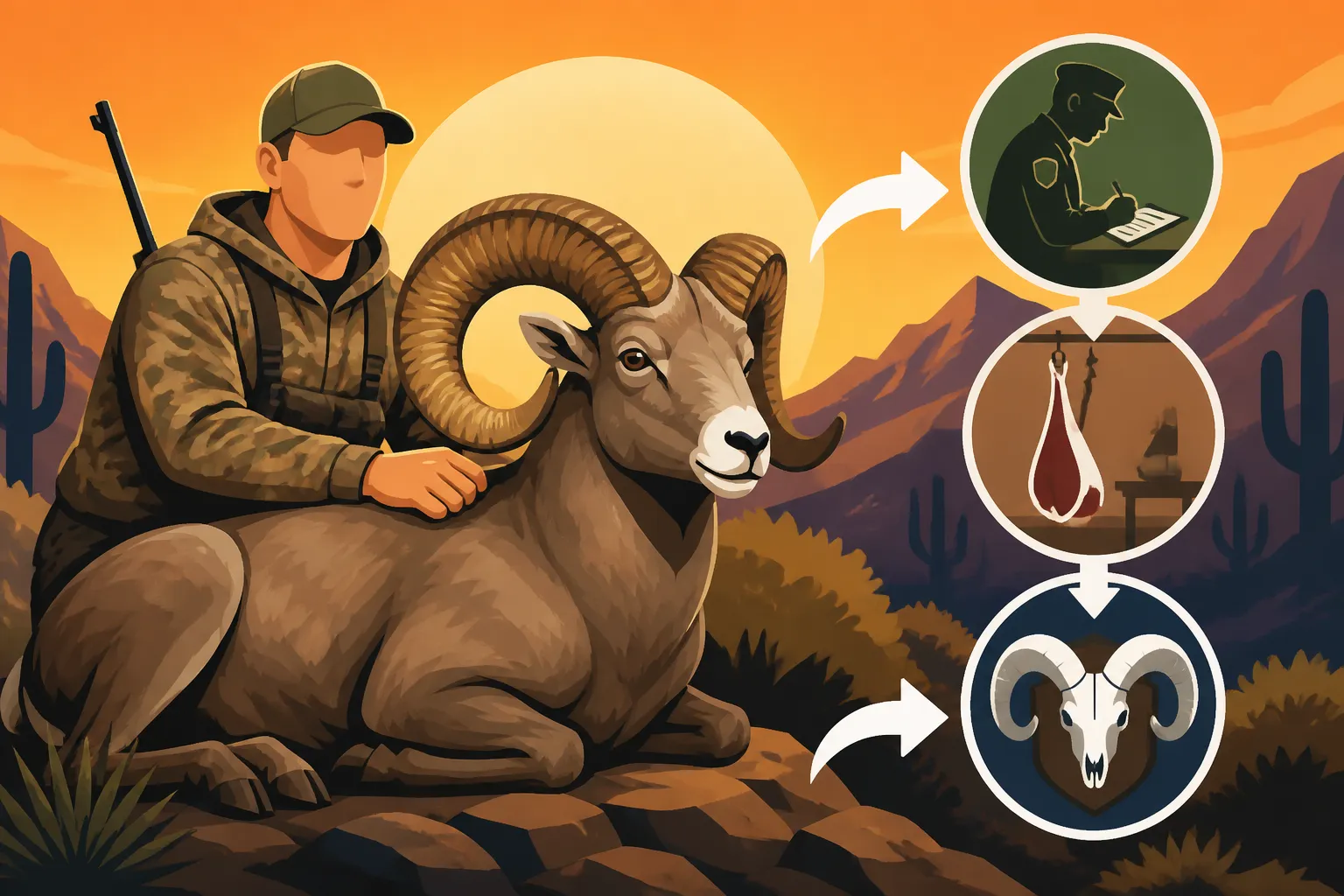
Arizona takes its bighorn management very seriously, and that means mandatory reporting of your harvest. This isn't just a suggestion; it's a strict legal obligation. Once you've harvested a bighorn, you are required to contact the AZGFD within 48 hours of the kill or before the carcass leaves the state, whichever comes first. This initial contact is usually to notify them of your harvest and to arrange for a mandatory physical check-in. The specific contact method (phone number) will be listed on your bighorn tag and in the current regulations booklet. When you call, be prepared to provide details such as your license and tag number, the unit where the bighorn was taken, and the date of the harvest. This immediate notification allows AZGFD to manage harvest quotas and collect vital biological data from every bighorn taken. Don't delay this step; it's a non-negotiable part of the bighorn hunting process. You can cross-reference the general requirements in the Mandatory Reporting After an Arizona Harvest guide.
Arranging for a Physical Check-in
Beyond the initial phone notification, every harvested bighorn sheep in Arizona must undergo a mandatory physical check-in with an AZGFD biologist or game warden. This is a critical step for data collection and proper management of the species. During this check-in, officials will verify your tag, inspect the carcass (especially the skull and horns), and collect biological samples. They might measure horn length and circumference, determine age, and look for signs of disease or injury. You will coordinate the exact time and location for this check-in during your initial mandatory reporting call. This could be at a regional AZGFD office, a designated check station, or in some cases, a field location depending on your situation. Be flexible and prepared to meet them as instructed. This process is crucial for AZGFD to monitor the health and population dynamics of both Arizona Holds Desert and Rocky Mountain Bighorns and allows them to enforce specific regulations like Ram Curl Requirements Arizona Enforces. GoHunt's resources often highlight the importance of understanding these specific regulations well in advance of your hunt, making sure you know precisely what is expected of you.
Carcass Care and Preservation
After the initial excitement and tagging, the practicalities of preserving your bighorn's meat and trophy parts become paramount, especially given Arizona's often harsh climate. Proper care ensures you honor the animal and enjoy the fruits of your labor.
Immediate Cooling and Preservation
Once the bighorn is field dressed and on its way out of the backcountry, getting the meat cooled quickly is your top priority. In the warm Arizona environment, bacterial growth can rapidly spoil meat. If you've quartered the animal and can get it to a vehicle, immediately get the quarters into large game bags and place them on ice in coolers. Don't let meat soak in melted ice water; use drain plugs or separate the meat from the ice with grates or elevated racks. The goal is cold and dry. For the skull and cape, preventing spoilage is also crucial, especially if you plan to get a full-body or shoulder mount. The sooner you can get the hide and skull to a taxidermist or into a freezer, the better. Consider bringing extra ice or dry ice on your hunt, even if it adds weight, as it can be a lifesaver for preserving your meat and trophy in the desert heat. Reading up on Getting Meat Cooled on an Early Season Hunt can provide valuable insights, even if it's for elk, the principles apply universally.
Caping and Skull Preparation
If you're planning a taxidermy mount, proper caping and skull preparation in the field or immediately after transport are essential. For a shoulder mount, you'll need to cape the hide well behind the shoulder to give your taxidermist plenty of material to work with. For a full-body mount, even more care is required. The skull needs to be cleaned of as much flesh as possible to prevent decomposition and odor. If you can't get it to a taxidermist immediately, freezing the cape and skull is the best option. Otherwise, salting the hide liberally can help preserve it for a short period, but freezing is always preferred for long-term storage before taxidermy. Many hunters choose to have their taxidermist handle the skull cleaning and beetle-eating process to ensure a perfect European mount. Remember, a poorly prepared cape or skull can lead to a ruined mount, which would be a heartbreaking end to such an incredible hunt.
Dealing with Heat and Pests
Arizona's environment is not just hot; it's also home to various insects and scavengers that can damage your harvest. Flies can lay eggs on exposed meat, leading to maggots within hours in warm temperatures. Game bags are indispensable for protecting meat from flies and dirt. Keeping the meat clean and cool is your primary defense. If you're camping overnight with your harvested bighorn, ensure it's hung high enough to deter coyotes, javelina, and other curious critters. Bear bags or even just secure hanging from a sturdy branch can work. A light pepper dusting on exposed meat can also help deter insects, but the best prevention is always rapid cooling and proper bagging. The struggle against heat and pests is real in Arizona, so planning for it means bringing the right gear like quality game bags and plenty of ice.
Mandatory Check-in and Biological Samples
The final, but absolutely vital, part of your bighorn journey is the mandatory check-in with Arizona Game and Fish. This isn't just a formality; it's a crucial component of wildlife management and research.
Scheduling Your Check-in
As discussed earlier, after your initial notification, you'll work with AZGFD to schedule the mandatory physical check-in. It's often best to schedule this as soon as possible, ideally within a few days of your harvest, to ensure the freshest possible samples and data. When you call, have your bighorn tag and license handy. They will instruct you on where to bring your bighorn – usually a regional office in places like Phoenix, Tucson, or Kingman, depending on your hunting unit. Be punctual for your appointment. This check-in process reinforces the importance of responsible hunting and data contribution to wildlife conservation, a principle often emphasized by resources like GoHunt when discussing species management plans.
Biological Sample Collection
During the check-in, AZGFD personnel will take various biological samples from your bighorn. This might include tissue samples, blood samples, or tooth samples for aging. These samples are invaluable for genetic studies, disease monitoring, and population health assessments. For example, tissue samples can be used to track herd genetics or monitor for diseases like pneumonia, which has historically impacted bighorn populations. Aging the animal by counting annuli (growth rings) on the horns or teeth provides critical data on age structure within the herd, helping biologists understand population dynamics and reproductive success. This is how the state determines population estimates and makes decisions about future hunting opportunities for these magnificent animals.
What to Expect at the Check Station
When you arrive at the check station, typically an AZGFD office, expect a professional and thorough process. A game warden or biologist will examine your bighorn's skull and horns, verifying the species, sex, and often taking precise measurements. They will confirm your tag information and likely ask you about the hunt itself – where you harvested the animal, the conditions, and any observations you made about other bighorns in the area. This information, along with the biological samples, helps paint a complete picture of the bighorn population. They might even discuss the challenges of How Biologists Count a Desert Big Game Herd and how your contribution helps. The entire process usually takes less than an hour, but it's a valuable interaction where you can learn more about bighorn management and contribute directly to conservation efforts. This is also an opportunity for them to answer any questions you might have about the bighorn you harvested or the species in general.
Summary of Post-Harvest Bighorn Requirements
To make sure you've got all your ducks in a row after taking that coveted Arizona bighorn, here's a quick rundown of the critical steps. Remember, compliance is key to a successful and legal hunt.
| Step | Key Action | Deadline / Requirement | Notes |
|---|---|---|---|
| Tag Validation | Immediately punch date/time on tag. Securely attach to carcass. | Immediately at kill site, before moving. | Use durable method (zip tie, strong cord). Your legal proof of harvest. |
| Field Dressing & Cooling | Eviscerate thoroughly, skin (if possible), cool meat rapidly. | Immediately post-tagging. | Critical for meat quality in desert heat. Use game bags. Prioritize getting meat on ice. |
| Transport | Keep validated tag attached. Retain evidence of sex (skull/horns). | Throughout transport until check-in. | Ensure legal transport methods. Be aware of CWD carcass transport rules. |
| Mandatory Reporting (Initial Call) | Contact AZGFD to report harvest. | Within 48 hours of kill OR before carcass leaves state. | Phone number on tag/regulations. Be ready with tag/license details, unit, date. |
| Mandatory Physical Check-in | Schedule and attend appointment with AZGFD for inspection & samples. | As instructed by AZGFD during initial reporting. | Vital for biological data (age, health, genetics). Bring entire head/horns and tag. |
| Carcass/Trophy Care | Properly cape, clean skull, freeze or salt cape for taxidermist. | As soon as possible after check-in. | Prevent spoilage; protect from pests. Ensures quality for mount. |
Successfully navigating the post-harvest requirements for an Arizona bighorn is the final act in a truly monumental hunting achievement. By understanding and diligently following these steps, you'll not only remain compliant with state regulations but also contribute valuable data to the ongoing conservation of these magnificent animals.
Disclaimer
The information provided in this guide is for general informational purposes only and does not constitute legal advice. Hunting regulations in Arizona are subject to change, and it is the hunter's responsibility to consult the most current Arizona Game and Fish Department hunting regulations booklet or website before and during their hunt to ensure full compliance with all applicable laws and regulations.