Bison Inside Grand Canyon National Park
Hunting within the breathtaking, rugged expanse of Grand Canyon National Park sounds like something out of a dream, but when it comes to bison, the reality is far more complex and unique than a typical hunting season. Many hunters get excited, or confused, when they hear about bison opportunities there, wondering if it's a traditional hunt or something entirely different. This guide will cut through that confusion, explaining the unique story of these magnificent animals, why their numbers are managed within the park, and what a "harvest opportunity" truly entails for those few who draw a coveted permit.
The Kaibab Plateau Bison: A Unique Story of Management
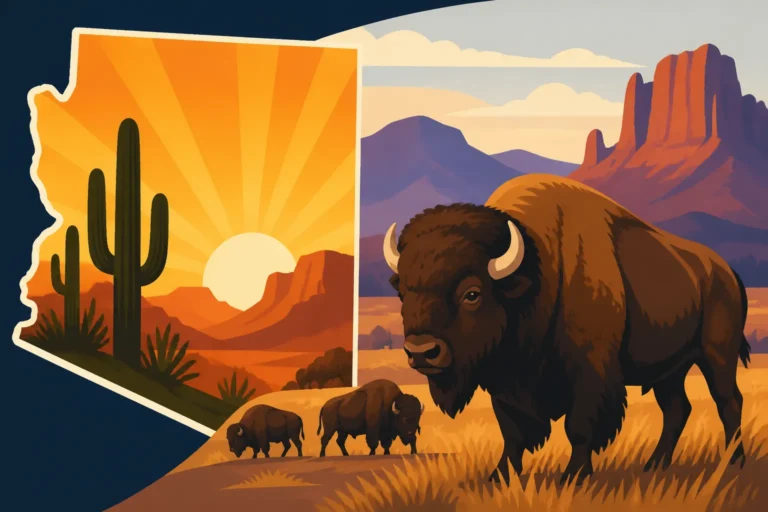
The bison roaming the North Rim of Grand Canyon National Park aren't your typical wild, free-ranging herd managed solely by state game agencies. Their presence is a fascinating blend of historical circumstance and ongoing ecological challenge. For decades, these animals have been part of the larger Raymond Ranch herd, which was originally brought to Arizona in the early 1900s for a ranching operation near the House Rock Valley. Over time, some of these bison wandered and established themselves on the remote and rugged Kaibab Plateau, eventually finding their way into the national park's boundaries.
This means that unlike the genetically distinct, wild bison herds found in some other parts of the West, the Grand Canyon bison have a lineage tied to ranching, making their management a very different proposition. Hunters often envision vast public lands where state agencies manage populations for sustainable harvest. However, inside a national park, the primary mandate is conservation of natural resources and processes, which sometimes puts the needs of a specific species in conflict with the broader ecosystem health. This distinction is crucial to understanding why the program exists. While there are certainly robust bison hunting opportunities outside the park, such as for Hunting Bison on House Rock Wildlife Area, the context within the Grand Canyon is fundamentally different due to its national park designation and the specific historical background of this particular herd.
Understanding the Ecological Impact and Management Goals
The presence of a large, growing bison herd within Grand Canyon National Park presents significant ecological challenges that demand intervention. These are truly magnificent animals, but their sheer size and grazing habits, when concentrated in sensitive areas, can cause considerable damage to the fragile high-elevation meadow and forest ecosystems on the North Rim. Imagine hundreds of 2,000-pound animals congregating around a limited number of natural water sources. They trample vegetation, compact soils, and deplete crucial water points, impacting other wildlife species that rely on these resources. This includes deer, elk, and a myriad of smaller creatures, all of whom face increased competition. Furthermore, their movements can disturb archaeological sites and alter cultural landscapes, which are also protected by the park's mission.
Because of these impacts, the National Park Service (NPS) and the Arizona Game and Fish Department (AZGFD) have a unique cooperative agreement to manage and reduce the herd's population. Their joint goal is not to eliminate bison from the Kaibab Plateau entirely, but rather to bring the herd down to a manageable size that is more in balance with the ecosystem's carrying capacity. This often involves an "adaptive management plan," where strategies are adjusted based on ongoing monitoring and scientific data. It's a tricky balancing act: respecting the presence of these iconic animals while safeguarding the park's diverse flora, fauna, and cultural heritage. For hunters researching game populations and management strategies in more traditional settings, resources like GoHunt can be incredibly useful for understanding herd health, unit demographics, and draw dynamics for other species and areas.
The Grand Canyon Bison Herd Reduction Program: A Different Kind of Opportunity
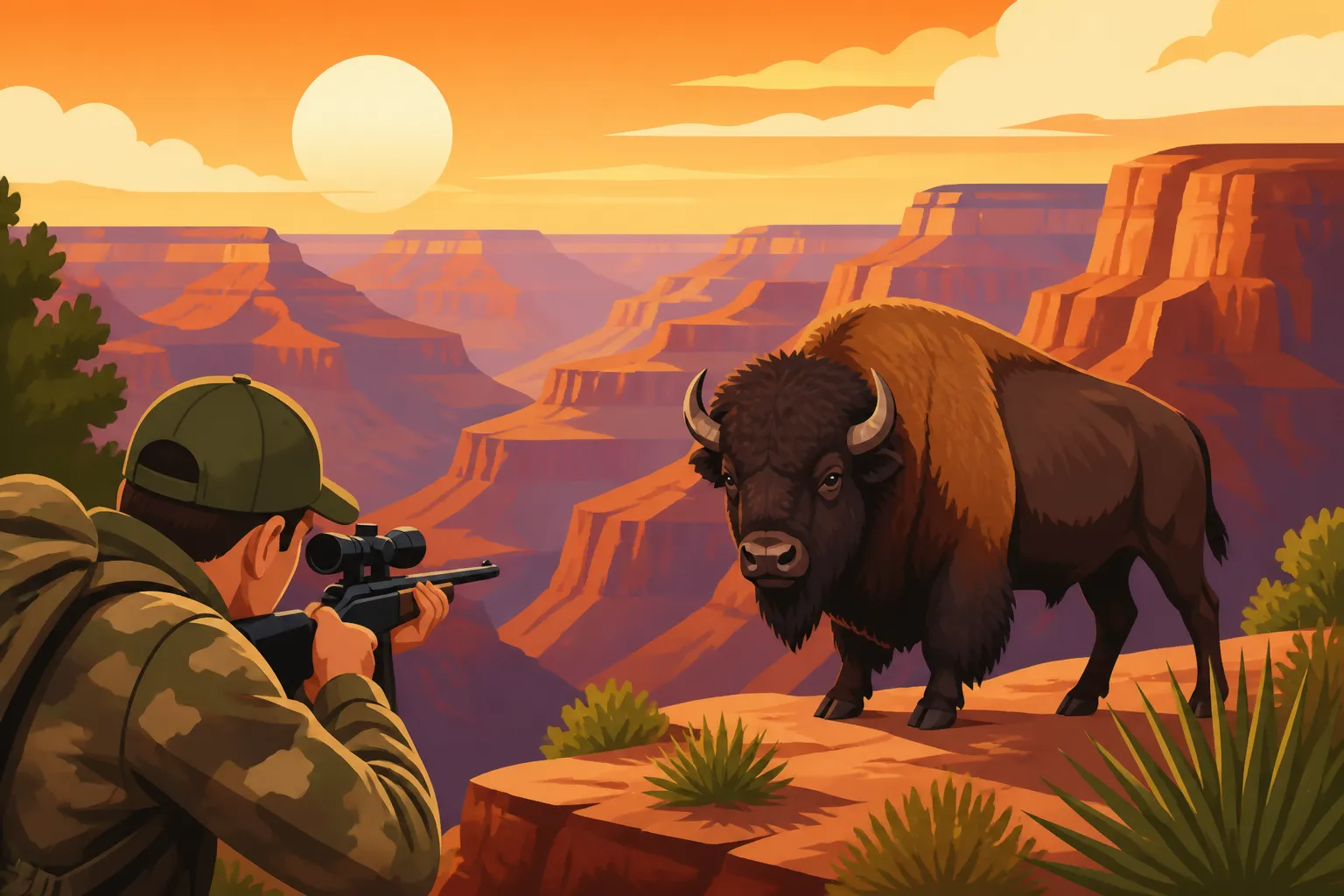
It's vital to clarify from the outset: the Grand Canyon bison opportunity is not a "hunt" in the traditional sense, at least not in the same way you'd plan an elk or deer hunt in Arizona. Instead, it's formally known as a "bison herd reduction program" or a "harvest opportunity." The intent is population control to mitigate ecological damage, not primarily recreational hunting or trophy pursuit. This distinction shapes every aspect of the program, from application to execution.
The Lottery Process and Applicant Expectations
To participate in this highly selective program, individuals must apply through a lottery system that is separate from the standard Arizona big game draw. The application process often has specific requirements that go beyond just purchasing a hunting license and applying for a tag. Historically, applicants needed to be Arizona residents, and they often faced strict physical fitness requirements due to the remote, rugged terrain and the intensive nature of the effort. Those selected are not simply handed a tag and told to go hunt. Instead, they are typically integrated into a small, supervised team led by NPS staff and AZGFD personnel. This collaborative approach ensures the reduction goals are met safely and efficiently.
Successful applicants should expect an experience that is far more structured and demanding than a typical self-guided hunt. There's usually mandatory training, a strong emphasis on safety protocols, and a clear understanding that the primary objective is ethical and efficient animal removal to benefit the ecosystem. This isn't about bagging a trophy; it's about contributing to conservation efforts. The number of permits issued is extremely limited, often in the single digits, making it one of the most challenging permits to draw in the state, if not the entire country. While this specific program operates uniquely, platforms like GoHunt remain invaluable for researching traditional Arizona Bison Draw Odds and application strategies for species like elk or bison hunts outside national park boundaries.
Here's a brief comparison to highlight some key differences:
| Feature | Grand Canyon Bison Reduction Program | Typical Arizona Bison Hunt (e.g., House Rock) |
|---|---|---|
| Primary Goal | Ecosystem preservation; population control | Sustainable harvest; recreational hunting |
| Application Process | Separate lottery, often specific resident requirements | Standard AZGFD big game draw; open to residents/non-residents |
| Supervision | Highly supervised by NPS/AZGFD staff; team-based efforts | Generally self-guided (or guided by hired outfitter) |
| Emphasis | Ethical removal, ecological contribution, physical fitness | Recreational experience, ethical harvest, trophy potential |
| Terrain | Extremely rugged, remote North Rim wilderness | Varied public lands, often with better access |
| Permit Numbers | Very limited (often single digits) | Limited, but more opportunities than GC program |
| Trophy Focus | Minimal to none; focus on reduction goals | Common consideration for hunters |
| Permit Cost | Usually a base application fee and potential harvest fee | State license plus tag fee (e.g., A Nonresident Arizona Elk Tag Runs $665 Plus License) |
Rules of Engagement and Expectations
Because this is an NPS-managed program, the rules of engagement are distinct. Participants aren't necessarily using their preferred hunting rifle; specific calibers and methods might be mandated to ensure efficiency and safety within a park setting. There are strict protocols for field dressing, meat removal, and documenting the harvest. For example, rules around Arizona Legal Shooting Hours for Big Game might be different or more strictly defined within the program's operational window. The experience demands significant physical stamina and a willingness to operate under direct supervision, often packing out meat from very steep and challenging terrain. Anyone considering applying should be prepared for an intense backcountry experience that prioritizes the park's objectives above all else. Understanding Preparing Physically for a Desert Hunt is paramount, as is knowing how to read complex regulatory information, similar to deciphering Reading an Arizona Hunt Code.
Navigating the Ethics and Future of Grand Canyon Bison
The notion of "harvesting" animals within a national park can be a contentious issue, stirring strong emotions among different groups. Conservationists, animal rights advocates, and even hunters themselves often have differing opinions on the ethical implications of lethal removal programs. However, for the Grand Canyon, the decision to implement a bison reduction program was not made lightly. It stems from a clear scientific understanding of the ecological damage being caused by an overpopulation of a non-native or historically unmanaged herd within a protected ecosystem. The alternative, allowing the herd to continue growing unchecked, would lead to irreversible degradation of irreplaceable natural resources.
The Role of Participants in Conservation
Those who are fortunate enough to draw one of these rare permits become direct participants in a crucial conservation effort. Their actions contribute to restoring ecological balance, protecting sensitive habitats, and preserving the overall health of one of the world's most iconic natural wonders. It's a powerful reminder that "conservation" isn't always about hands-off preservation; sometimes, it requires active, direct management, even when it involves lethal means. Understanding the broader context of wildlife management and ethics, similar to what's explored in The Ethically Hunting Arizona Course Explained, helps put these programs into perspective.
Long-Term Outlook
The long-term goal for the Grand Canyon bison herd is to achieve a stable, manageable population size that aligns with the park's ecological objectives. This will likely involve ongoing monitoring, continued reduction efforts, and potentially exploring other methods like increased live capture and relocation to tribal lands or other suitable areas. The future of the Grand Canyon bison herd will remain a testament to the complex challenges of wildlife management in our most cherished natural spaces, requiring a thoughtful blend of science, policy, and direct action. Learning about how agencies like AZGFD manage other species, and how they count populations, such as in How Biologists Count a Desert Big Game Herd, can offer insight into the scientific principles at play here.
Disclaimer
This article is for general informational purposes only and does not constitute professional advice. Laws, prices and regulations vary by location and change over time. Consult a qualified professional for guidance on your specific situation.