Kaibab Plateau Elk Genetics
For many of us who dream of chasing bugling bulls across the Arizona landscape, there's one name that often comes up in hushed, reverent tones: the Kaibab. The sheer difficulty of drawing a tag here, particularly in Unit 9, is legendary, but it's not just about the challenge; it's about the very real possibility of encountering some of the largest elk on the continent. This guide is dedicated to pulling back the curtain on why the Kaibab Plateau elk carry such a storied reputation, delving deep into the genetics, habitat, and management practices that make these animals so exceptional.
The Kaibab Plateau's Unique Ecological Niche
The Kaibab Plateau isn't just another patch of forest; it's a geographically distinct island in the sky, an elevated landmass whose unique characteristics have profoundly shaped the elk that call it home. Understanding this environment is key to appreciating the genetic story of these magnificent animals.
Geographic Isolation and Habitat
Imagine a vast, ancient sea of rock carved over millennia by the Colorado River—that's the Grand Canyon, and it serves as the Kaibab Plateau's most significant natural barrier. This immense chasm effectively isolates the Kaibab from other major landmasses and, critically, from other elk populations. This isolation isn't just a scenic marvel; it's a biological phenomenon that has played a crucial role in shaping the Kaibab elk. On this elevated plateau, generally sitting above 6,000 feet, you'll find a striking landscape dominated by sprawling ponderosa pine forests, interspersed with vibrant aspen groves that blaze with color in the fall. These forests provide not only critical cover but also a diverse array of forage. Historical logging practices, while impactful in their time, have paradoxically contributed to a mosaic of habitat types, including successional growth that provides abundant browse. Today, active forest management continues to shape the habitat, aiming for a balance that benefits both the forest ecosystem and its resident wildlife, including elk. The cooler temperatures and higher precipitation compared to the surrounding desert create an environment rich in the resources necessary for large ungulates to thrive.
Historical Elk Introduction and Population Growth
It might surprise some to learn that elk aren't native to the Kaibab in recent history. The modern Kaibab elk story really begins in the early 20th century. After native elk populations had been extirpated from much of Arizona, an ambitious reintroduction effort brought Rocky Mountain elk from Yellowstone National Park to the Kaibab Plateau, primarily in 1913. These initial transplants, though small in number, found themselves in what could only be described as an elk paradise. The plateau offered abundant, pristine forage, minimal human disturbance at the time, and a relative absence of large predators, which had also been largely removed. With these ideal conditions, the elk population absolutely exploded. This rapid growth, while a testament to the success of the reintroduction, also brought its own set of management challenges. Early on, the herd outgrew its food supply, leading to habitat degradation. Learning from these experiences, the Arizona Game and Fish Department (AZGFD) has since implemented sophisticated management strategies to maintain a healthy balance between the elk population and its carrying capacity, ensuring the continued vitality of the herd.
Unpacking the Kaibab Elk's Genetic Legacy
The remarkable size and antler quality of Kaibab elk are not merely a stroke of luck or good habitat; they are deeply rooted in the genetic makeup of the herd, a story that began over a century ago with those first Yellowstone transplants.
Founder Effect and Genetic Purity
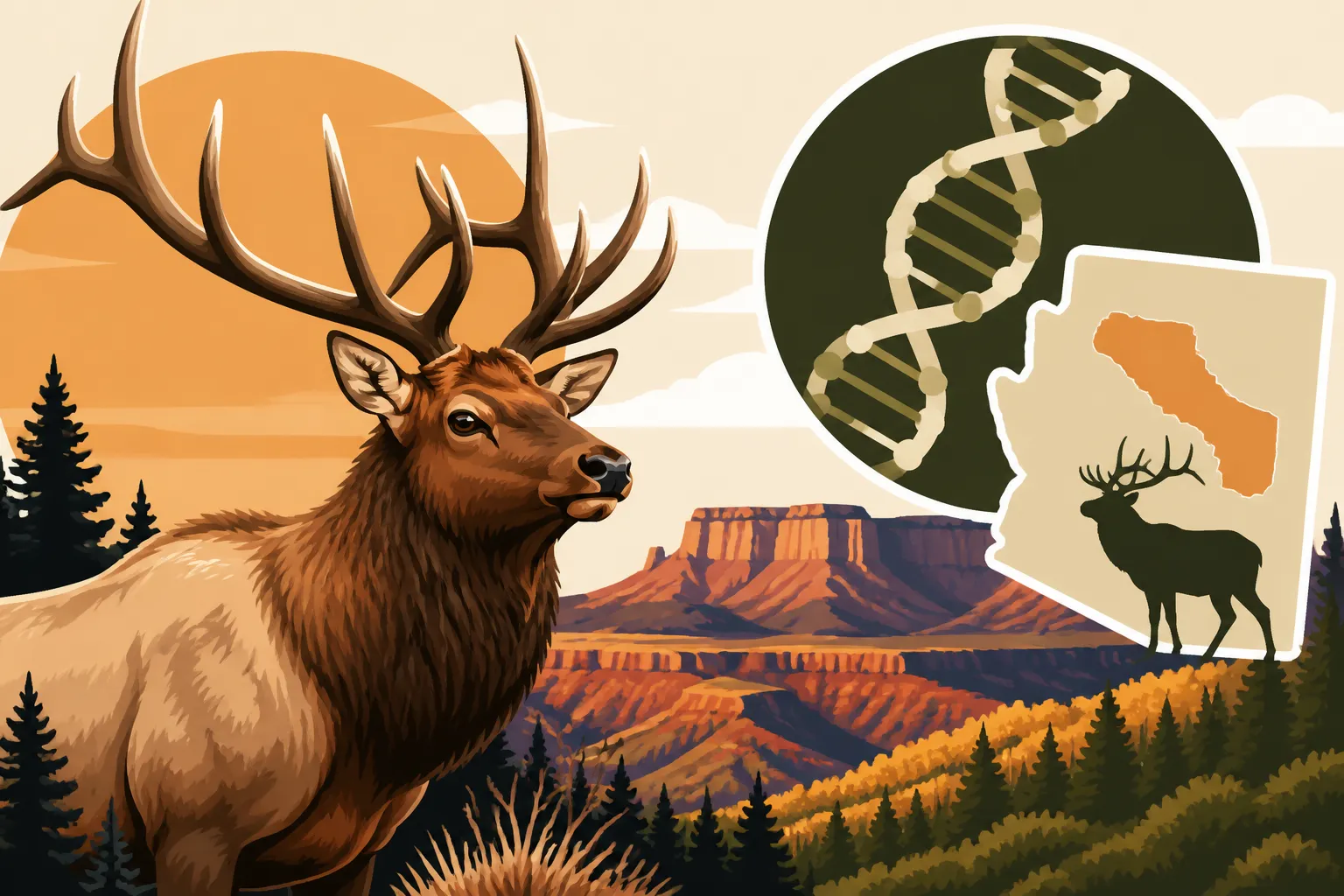
The concept of a "founder effect" is incredibly important when discussing Kaibab elk. It essentially means that the genetic diversity of the entire Kaibab herd stems from the relatively small group of animals that were initially introduced. These "founders" brought with them a specific genetic blueprint—the robust traits of the Rocky Mountain Elk subspecies. Because the Grand Canyon acts as such an effective barrier, preventing significant mixing with other elk populations, the Kaibab herd has maintained a remarkable degree of genetic purity, largely retaining the characteristics of those original Yellowstone animals. This isolation has allowed specific genetic traits, including those conducive to large body size and impressive antler development, to become concentrated and passed down through generations. It's a natural experiment in genetic lineage, unfolding over a century in one of North America's most iconic landscapes. The relatively closed gene pool, carefully managed, means that the potent genetics for growing big, healthy elk are consistently present within the population.
Nutritional Impact on Antler Growth
Genetics might provide the blueprint, but nutrition provides the building blocks. And on the Kaibab Plateau, those building blocks are abundant. The rich, diverse forage found across the plateau, especially the lush grasses and forbs that flourish after monsoon rains, are critical for maximizing antler growth. Elk are essentially nature's nutrient processors, converting high-quality forage into bone and muscle. The soils on the Kaibab, often derived from limestone, are rich in essential minerals like calcium, phosphorus, and other trace elements that are directly linked to antler development. These minerals, absorbed by the plants and then consumed by the elk, contribute to the density, mass, and overall size of a bull's rack. This nutritional advantage is a key differentiator when comparing Kaibab elk to herds in other regions. While Arizona Elk on the Mogollon Rim and those in the White Mountains Elk Country certainly benefit from good nutrition, the specific combination of isolation, genetics, and mineral-rich forage on the Kaibab creates a near-perfect storm for producing record-book antlers. It’s why hunters pore over maps of specific areas within the Kaibab, looking for the most nutrient-rich pockets.
Management Strategies for Trophy Quality
The Arizona Game and Fish Department isn't just passively observing nature on the Kaibab Plateau; they are actively managing the elk herd and its habitat to ensure its long-term health and, yes, its trophy potential. This proactive approach is fundamental to the Kaibab's legendary status.
Controlled Harvest and Age Structure
One of the cornerstones of Kaibab elk management is a tightly controlled harvest system. Unlike some areas with more liberal tag allocations, Arizona issues a very limited number of highly coveted draw tags for the Kaibab, particularly for units like Unit 9. This strategy is designed to allow bulls to reach older age classes, which is absolutely critical for growing those truly giant antlers. Antler size is directly correlated with age and nutrition, so by reducing hunting pressure on younger bulls, the AZGFD ensures that a higher percentage of males survive to their prime antler-growing years, typically between 6 and 10 years old. This creates an optimal "age structure" within the herd, meaning there's a healthy distribution of animals across different age groups, including a good number of mature bulls. The specific Arizona Elk Season Structure by Hunt Code for the Kaibab reflects this philosophy, prioritizing quality over quantity in terms of harvest, allowing hunters a chance at truly exceptional animals. This careful balancing act is a significant reason why the Kaibab continues to produce world-class animals year after year.
Habitat Improvement and Water Sources
Even with great genetics and a solid age structure, a herd can only be as healthy as its habitat. The AZGFD, often in partnership with the U.S. Forest Service and conservation groups, continuously implements habitat improvement projects across the Kaibab. These efforts include carefully planned prescribed burns, which mimic natural fire cycles, to clear out dense undergrowth, reduce wildfire risk, and stimulate the growth of nutrient-rich grasses and forbs that elk prefer. Forest thinning projects also open up the canopy, allowing more sunlight to reach the forest floor, further enhancing forage production. Beyond vegetation management, water availability is a constant concern in Arizona's arid environment. The Kaibab, while higher and wetter than the surrounding desert, still experiences dry periods. That's why maintaining and enhancing both natural and man-made water sources is paramount. This includes protecting natural springs and constructing or maintaining man-made tanks and guzzlers. These Water Development Projects Built for Wildlife are vital, especially during late summer and early fall, concentrating game and providing essential hydration, which in turn contributes to overall herd health and antler development.
The Kaibab Reputation and Hunter Expectations
The Kaibab Plateau holds a special place in the hearts and minds of elk hunters, a legendary destination synonymous with world-class animals. This reputation, while well-earned, also comes with its own set of expectations and realities.
The Allure of Giant Bulls
There's no denying it: the Kaibab Plateau is famous for its giant elk. The stories and images of massive bulls coming out of Unit 9 and other Kaibab units fuel the dreams of hunters worldwide. This "Why Kaibab Elk Carry a Reputation" stems directly from the unique combination of superior genetics, abundant nutrition, and decades of focused management aimed at producing mature, high-scoring animals. For many, drawing a Kaibab tag is the ultimate hunt, a once-in-a-lifetime opportunity to pursue a truly legendary bull. The sheer anticipation of seeing an elk whose antlers might tape into the 400-inch class is what drives countless hunters to apply year after year, accumulating bonus points with steadfast hope. It's a place where the possibility of bagging a Boone and Crockett bull isn't just a fantasy; it's a very real, albeit challenging, objective. When researching specific units or preparing for a hunt, tools like GoHunt provide invaluable data on previous harvests and population trends, allowing hunters to see just how many monster bulls consistently come off the plateau.
Realistic Challenges and Draw Odds
While the allure of Kaibab giants is powerful, it's crucial for hunters to approach this dream with a healthy dose of realism. Drawing a Kaibab tag, particularly for the most sought-after units like Unit 9 on the Unit 9 and the Kaibab Plateau North of the Grand Canyon, is incredibly difficult. The draw odds are notoriously low, especially for non-residents, who face the additional hurdle of Arizona Caps Nonresidents at Ten Percent of Every Hunt for any given hunt code. This means that even with maximum bonus points, drawing a tag often comes down to sheer luck in the random pass. A tag in hand, while an incredible achievement, certainly doesn't guarantee a trophy bull. The Kaibab is vast, rugged, and can be challenging to hunt. Elk are still wild animals, and finding a mature bull requires extensive scouting, physical fitness, perseverance, and often, a little luck. Hunters must be prepared for long days, unpredictable weather – sometimes including Snow Closures on the Kaibab Plateau – and the mental fortitude to keep going when the hunting is tough. Using resources like GoHunt to understand the draw odds and develop a long-term application strategy becomes essential for anyone serious about hunting this iconic region.
Comparing Kaibab Genetics to Other Prime Units
While the Kaibab Plateau holds a unique and celebrated position in the world of Arizona elk hunting, it's important to remember that Arizona boasts other incredible elk hunting opportunities. Understanding the differences and similarities helps paint a complete picture of the state's diverse elk populations.
Mogollon Rim vs. Kaibab
When discussing prime Arizona elk, the Mogollon Rim quickly enters the conversation. While the Kaibab is often lauded for its sheer size potential, the Mogollon Rim offers incredibly consistent trophy potential and a different hunting experience. Genetically, the Mogollon Rim elk also trace their lineage back to Rocky Mountain elk reintroductions, but over decades, their genetic profile may have seen more influence from dispersed animals across a less isolated landscape compared to the Kaibab's pristine founder effect. Ecologically, the Mogollon Rim, a massive geological escarpment stretching across central Arizona, presents a more varied and complex habitat. You'll find a mix of ponderosa, mixed conifer, and even oak brush country, with deep canyons and expansive mesas. The forage is rich, benefiting from varied elevations and historical fire regimes that have created a mosaic of feeding grounds. Hunting pressure can be high in some of the premier units along the Rim, but the vastness of the landscape often allows for solitude. While the Kaibab might produce a higher percentage of 400-inch bulls, the Arizona Elk on the Mogollon Rim consistently yield 350-class animals, with many pushing into the high 300s. The tactics also differ, with more emphasis on Calling Bulls on Arizona's Mogollon Rim in the dense timber compared to the glassing game often played on the more open Kaibab. Both regions are phenomenal, but they offer distinct challenges and rewards for the dedicated hunter.
White Mountains and Southwestern Heritage
Moving further east, Arizona's White Mountains region presents another incredible elk hunting destination, rich in its own unique heritage and ecological characteristics. The elk populations in the White Mountains also stem from Rocky Mountain Elk stock, creating a shared genetic foundation with the Kaibab and Mogollon Rim. However, the specific environmental pressures and management practices in the White Mountains have shaped their populations in slightly different ways. This region typically boasts even higher elevations, with expansive spruce-fir forests, high-alpine meadows, and broad valleys. The forage can be incredibly abundant, especially after a wet spring, providing the necessary nutrients for strong antler growth. While perhaps not carrying the "400-inch factory" reputation of the Kaibab, the White Mountains Elk Country consistently produces mature bulls with impressive racks. Comparing them, the White Mountains might be seen as a balance—offering high-quality hunts with slightly better draw odds than the most difficult Kaibab units, while still requiring significant effort and skill. Each region, from the isolated Kaibab to the expansive Mogollon Rim and the high White Mountains, contributes to Arizona's status as a premier elk hunting destination, proving that the state is truly one of the best places in the West to pursue these magnificent animals. Understanding How Wildfire Changes Elk Habitat or how a specific Reading a Herd Unit Management Plan impacts these different regions is crucial for any serious hunter.
Here's a quick comparison of these three incredible Arizona elk regions:
| Feature | Kaibab Plateau Elk | Mogollon Rim Elk | White Mountains Elk |
|---|---|---|---|
| Genetic Origin | Strong founder effect, relatively pure Rocky Mtn. | Mixed, robust Rocky Mtn. influence | Mixed, robust Rocky Mtn. influence |
| Antler Potential | Renowned for massive, high-scoring bulls | Excellent, consistent trophy potential | Strong, good trophy potential, especially in areas |
| Key Habitat | Ponderosa, Aspen, high plateaus | Ponderosa, mixed conifer, deep canyons | Ponderosa, Spruce-Fir, high elevation meadows |
| Primary Forage | Lush grasses, forbs, browse, mineral-rich soils | Varied, depending on elevation and burn history | Diverse, often abundant, can vary by moisture |
| Population Density | High, carefully managed for quality | High in many units, managed for balance | Good, managed for health and harvest |
| Draw Difficulty | Extremely high (e.g., Unit 9) | Very high for prime units, better than Kaibab | High for good units, more accessible than Kaibab |
| Trophy Reputation | Iconic, "Book" bulls | Consistently produces large bulls | Produces quality bulls |
Disclaimer
Please remember that hunting regulations, seasons, and access can change. Always consult the latest Arizona Game and Fish Department regulations booklet and maps before planning any hunting trip. This guide is for informational purposes only and does not constitute legal advice.