How Arizona Closes a Bear Unit Mid-Season
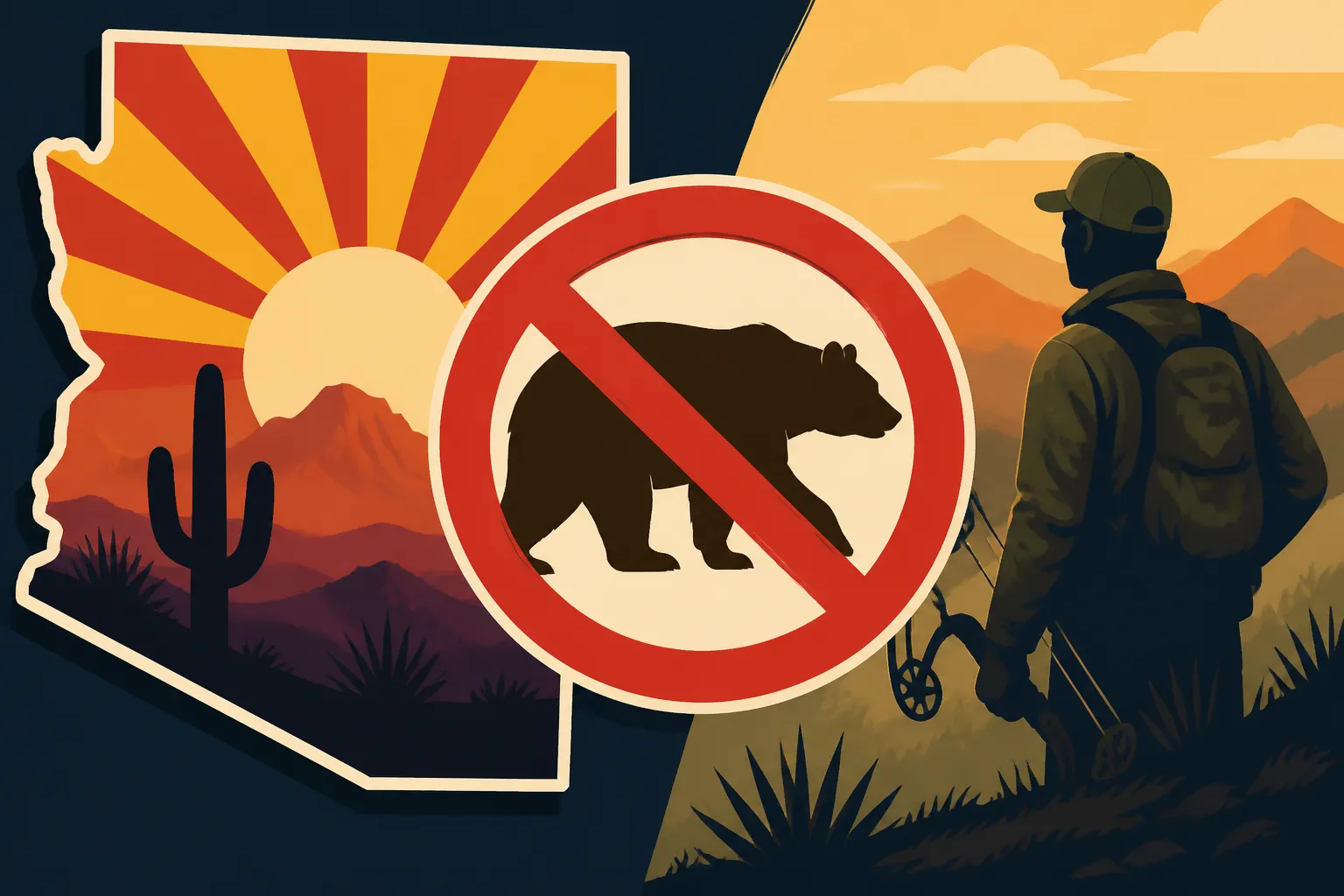
It's incredibly frustrating to plan an Arizona bear hunt, scout your unit, pour over maps, and then, seemingly out of nowhere, hear that your chosen unit might close mid-season. That feeling of uncertainty, of having your hard-earned plans thrown into disarray, is a common worry for bear hunters. This guide will walk you through exactly how Arizona Game and Fish (AZGFD) manages its bear seasons, why units close early, and what you, as a hunter, need to know and do to stay compliant and still enjoy your time in the field.
Understanding Arizona's Bear Management Philosophy
Arizona takes a very proactive and conservative approach to managing its black bear population. Unlike species such as deer or elk, which often have fixed season dates that run regardless of harvest numbers (within reason, of course), bear seasons are dynamic. This adaptive management strategy is designed to ensure the long-term health and sustainability of the bear population across the state, and it's largely driven by harvest data.
Why Quotas Exist for Bears
The primary reason for these flexible season dates and quotas is the biological reality of black bears. Bears have relatively low reproductive rates compared to many other big game species. Females don't breed every year, and when they do, they typically have a small litter size. This means that populations can't rebound as quickly from overharvest. To prevent this, AZGFD sets specific harvest limits, or quotas, for individual game management units or regions. These quotas aren't arbitrary; they're based on extensive research, population estimates, and habitat assessments. The goal is to allow for a sustainable harvest while ensuring that enough breeding females survive to maintain healthy population growth. It's a delicate balance, and those mid-season closures are a direct result of that careful management. You can learn more about how the state estimates populations by reading The Black Bear Population Estimate Explained.
The Critical Role of Female Harvest Limits
Within the overall harvest quota, there's an even more critical component: the female harvest limit. This is often the real driver behind early closures. Biologists know that the health of a bear population is most directly tied to the number of breeding females. If too many females are harvested in a given unit, the population's ability to reproduce and grow is severely impacted. Therefore, AZGFD implements specific female harvest thresholds for each unit. When the reported harvest of female bears reaches this predetermined number, the unit will close, even if the overall general bear harvest quota hasn't been met. This is a non-negotiable threshold designed to protect the breeding core of the population, and it's why understanding Female Harvest Limits on Arizona Bears is so important for any bear hunter.
The Triggers for a Mid-Season Bear Unit Closure
So, what exactly pulls the trigger on these mid-season closures? It’s a direct response to reported harvest numbers reaching predetermined limits. Arizona's approach isn't about arbitrary dates; it's about real-time population management.
Harvest Thresholds and Their Impact
Every bear season in Arizona operates under specific harvest thresholds, both for total bear harvest and, more critically, for female bear harvest. These thresholds are laid out clearly in the annual hunt regulations booklet, which every hunter should absolutely scrutinize before heading afield. For instance, a particular unit might have a general harvest objective of 10 bears, but within that, a maximum of 3 female bears. As soon as that third female bear is reported harvested in that unit, the season must close, irrespective of whether seven other bears have been taken or if the season was scheduled to run for another month.
This system means that certain units, particularly those with higher bear densities or more hunting pressure, are more prone to early closure. Hunters need to be acutely aware that their hunt could end abruptly. It places a significant responsibility on the hunter not just to know the rules, but to actively monitor the current harvest data. AZGFD isn't trying to cut your hunt short for fun; they're reacting to hard data to protect the future of the resource.
Monitoring the Harvest in Real-Time
How does Arizona Game and Fish Department track these numbers with enough precision to enact mid-season closures? The answer lies in mandatory hunter reporting. When you harvest a bear in Arizona, you are legally obligated to report it to AZGFD within a specific timeframe – typically 48 hours. This isn't just a suggestion; it's a critical part of the management system. Hunters are usually required to physically present the skull and hide for inspection and sealing, providing biologists with crucial data about the animal's sex and age.
This immediate reporting allows AZGFD biologists to compile harvest data quickly and accurately. They update public-facing reports, often daily, showing the current harvest numbers for each unit. As the numbers creep closer to those critical female or overall quotas, the department will issue warnings and, eventually, closure notices. Many savvy hunters use platforms like GoHunt, alongside official AZGFD channels, to keep a close eye on these numbers. They understand that a failure to report by even one hunter could skew the data and delay a necessary closure, potentially harming the bear population. It's a collective effort, and compliance from every hunter is vital for the system to work effectively.
How Arizona Game and Fish Communicates Unit Closures
The moment a unit's bear harvest thresholds are met, the clock starts ticking for official communication. AZGFD has a clear protocol for getting this vital information out to hunters, but ultimately, it's your responsibility to check and confirm.
Official Notification Channels
When a bear unit reaches its harvest limit, the Arizona Game and Fish Department doesn't keep it a secret. They have several official channels they use to inform the hunting public. The most important one is their official website. Typically, they maintain a dedicated page for current big game harvest statistics and unit closures. This page is updated regularly, sometimes multiple times a day during active seasons. It will clearly list which units have closed, the date and time of closure, and the reason (e.g., female harvest limit met).
Beyond the website, AZGFD also utilizes email alert systems. If you've signed up for their wildlife news or hunting alerts, you'll often receive an email notification when a unit closes. They may also post updates on their official social media channels. While these alerts are helpful, they are supplementary. The official website remains the primary, definitive source of truth. It's a wise practice to bookmark the relevant pages and check them frequently throughout your hunt. You can get familiar with where to find these updates by exploring A Walkthrough of the Arizona Hunt Portal.
The Urgency of Checking
The critical thing to understand about bear unit closures is their immediacy. Unlike some regulations that might take effect at the start of a new hunting season, these closures can happen at any moment during an open season. This creates a challenging situation for hunters who might be deep in the backcountry, far from cell service or internet access. It's not uncommon for a unit to close with just a few hours' notice, or even mid-day.
This urgency means that hunters have a profound responsibility to stay informed. Relying solely on a friend to tell you, or waiting until you get back to town, is a risky strategy. Before you even head out for a day's hunt, check the official AZGFD website. If you're planning a multi-day trip into an area without reception, you'll need to develop a plan for checking status updates periodically. This might mean having a designated person back home monitoring the website for you, or making regular trips to a place where you can get signal or internet. Many hunters use mapping apps like GoHunt, which can often pull in and display these closure alerts directly, offering a convenient way to stay current in the field, provided you have a signal.
Table: Key Steps for Monitoring Arizona Bear Closures
Here's a quick reference for keeping on top of Arizona bear unit closures:
| Step | Action | Why It's Important |
|---|---|---|
| 1. Prior to Hunt | Review the current Arizona Hunt Regulations booklet for specific unit quotas (total and female). | Understand the target numbers that will trigger a closure. |
| 2. Before Each Hunt Day | Check the official AZGFD website's "Current Hunt Status" or "Harvest Data" page. | Get the most up-to-date information before heading into the field. |
| 3. During Multi-Day Hunts | Establish a communication plan (e.g., designated contact, periodic check-ins at signal spots, satellite communicator for updates). | Closures can happen mid-trip; avoid illegal hunting by staying informed. |
| 4. Sign Up for Alerts | Subscribe to AZGFD email or text alerts for big game updates. | Receive direct notifications when changes occur, though these are secondary to the official website. |
| 5. Utilize Third-Party Apps | Consider apps like GoHunt that integrate AZGFD data for on-the-go updates (verify data source and refresh rate). | Offers convenience for tracking harvest data, but always cross-reference with official AZGFD sources. |
| 6. Report Your Harvest Promptly | If successful, report your bear harvest to AZGFD within 48 hours as required. | Ensures accurate data for all hunters and helps the management system function correctly. |
What Hunters Need to Do When a Unit Closes
So, you've been doing everything right – checking the AZGFD website, maybe even using GoHunt to monitor harvest numbers, and then you see it: your unit is closed for bear hunting, effective immediately. What happens next?
Immediate Action Required
The most critical thing to understand is that "closed" means closed. The moment the official closure time passes, it is no longer legal to hunt bears in that specific unit. This isn't a suggestion or a guideline; it's a hard and fast rule with serious consequences for non-compliance. If you are actively hunting in a closed unit, you must immediately cease all bear hunting activities. This means unloading your weapon, packing up your gear, and exiting the area if your primary purpose was bear hunting.
Ignoring a unit closure, even if you weren't aware of it in the moment, can lead to significant penalties. These can range from citations and fines to license revocation and even forfeiture of equipment. Game and Fish wardens patrol these areas, and they will enforce the closures rigorously. The onus is entirely on the hunter to know the current status of their hunt unit, even if it means interrupting your trip to drive to an area with cell service or consulting a satellite communication device.
Planning for Contingencies
The dynamic nature of Arizona's bear seasons highlights the importance of contingency planning. A smart bear hunter doesn't just have one plan for one unit; they have several. What happens if your primary unit closes on day two of your five-day hunt?
Firstly, always study the regulations for multiple adjacent units. Understand their quotas, season dates, and access points. If Unit A closes, is Unit B still open and accessible? Do you have maps and knowledge of that backup unit? This pre-planning can save your hunt from being a total bust. You might need to pivot quickly, change your hunting area, and adjust your tactics to a new landscape. Sometimes, a unit closure can be an opportunity to explore new country or chase a different species if you have the appropriate tags and the season is open. For example, if bear season closes, you might have a valid tag for Hunting Coyotes Year Round in the Desert and continue your outing.
Hunter Responsibility and Ethics
Ultimately, the responsibility for knowing the current status of a bear unit lies squarely with the individual hunter. Ignorance of a closure is not a valid defense if you're found hunting illegally. This commitment to staying informed is a fundamental part of ethical hunting. It shows respect for the wildlife resource, for the management efforts of AZGFD, and for the integrity of the hunting community.
Beyond simply avoiding legal trouble, staying informed and complying with these closures is about being a responsible conservationist. These quotas and closures are in place to ensure that Arizona's black bear populations remain healthy and robust for future generations of hunters and wildlife enthusiasts. By diligently checking for updates, reporting your harvest promptly, and respecting closures, you contribute directly to the sustainable management of these magnificent animals. Make it a habit to check the Arizona Hunt Portal regularly and always have a copy of the Reading the Arizona Hunt Regulations Booklet on hand. Setting up an Setting Up an Arizona Portal Account can also help you get important notifications.
Disclaimer
This article is for general informational purposes only and does not constitute professional advice. Laws, prices and regulations vary by location and change over time. Consult a qualified professional for guidance on your specific situation.