Why a Hunting License Is Your Trust Land Permit
One of the most common questions and sources of confusion for hunters in Arizona, especially those new to the state or venturing beyond familiar public lands, revolves around State Trust Land. Many assume that these vast expanses require a special, separate permit for hunting, leading to unnecessary worry or even avoidance of prime hunting ground. The truth, thankfully, is often much simpler: your valid Arizona hunting license typically acts as your permit for legitimate hunting activities on State Trust Land. This guide will unravel the specific details of how your license opens up millions of acres of Arizona for your next hunting adventure.
Understanding Arizona State Trust Land
Arizona is home to a unique land management system, and understanding State Trust Land is key to unlocking vast hunting opportunities. It’s not simply "public land" in the same way that a National Forest or BLM parcel is, but it's definitely accessible with the right understanding.
What Makes State Trust Land Unique
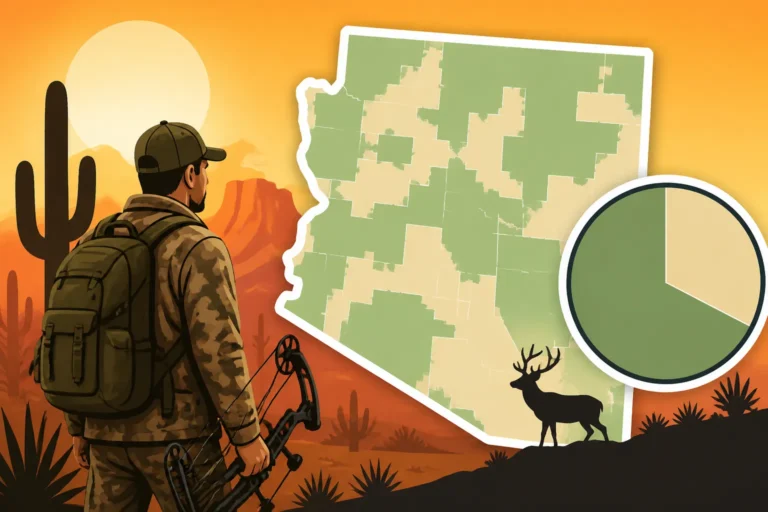
Imagine millions of acres, scattered across the state, managed by the Arizona State Land Department. This isn't federal land, and it isn't private. It's a special category of land held "in trust" for the benefit of 13 specific public institutions, primarily Arizona's public schools. When you hear about State Trust Land, it’s important to remember that its primary purpose is to generate revenue for these beneficiaries through various uses, like grazing leases, commercial development, and resource extraction. Hunters often scratch their heads, wondering how this revenue-generating mandate affects their ability to pursue game. The good news is, the State Land Department recognizes legitimate recreational use, including hunting, as a compatible activity. You can learn more about its extent in How Many Acres of Trust Land Arizona Holds.
Not Your Average Public Land
Unlike Bureau of Land Management (BLM) land or National Forest acreage, which are managed for multiple public uses including recreation, State Trust Land operates under a different financial imperative. This difference is subtle but important. For example, while you might not encounter cattle operations on every square mile of BLM, you're almost guaranteed to find grazing leases on vast tracts of Trust Land. This means hunters need to be especially mindful of gates, fences, and livestock when recreating on these lands. It’s not about restricting access entirely, but ensuring that hunting activities don’t interfere with the primary, revenue-generating uses of the land.
Who Benefits from Trust Land Revenue
The revenue generated from Arizona State Trust Land isn't just a general state fund. It's earmarked specifically for the 13 beneficiaries, with K-12 education being the largest recipient. So, when you pay for a hunting license that grants you access to these lands, a portion of that fee, indirectly, contributes to schools and other vital public services within Arizona. This financial tie-in reinforces the idea that access for hunting is part of a larger, well-defined system, rather than an afterthought. It’s a pretty neat way to support the state while pursuing your passion!
Your Hunting License as the Access Permit
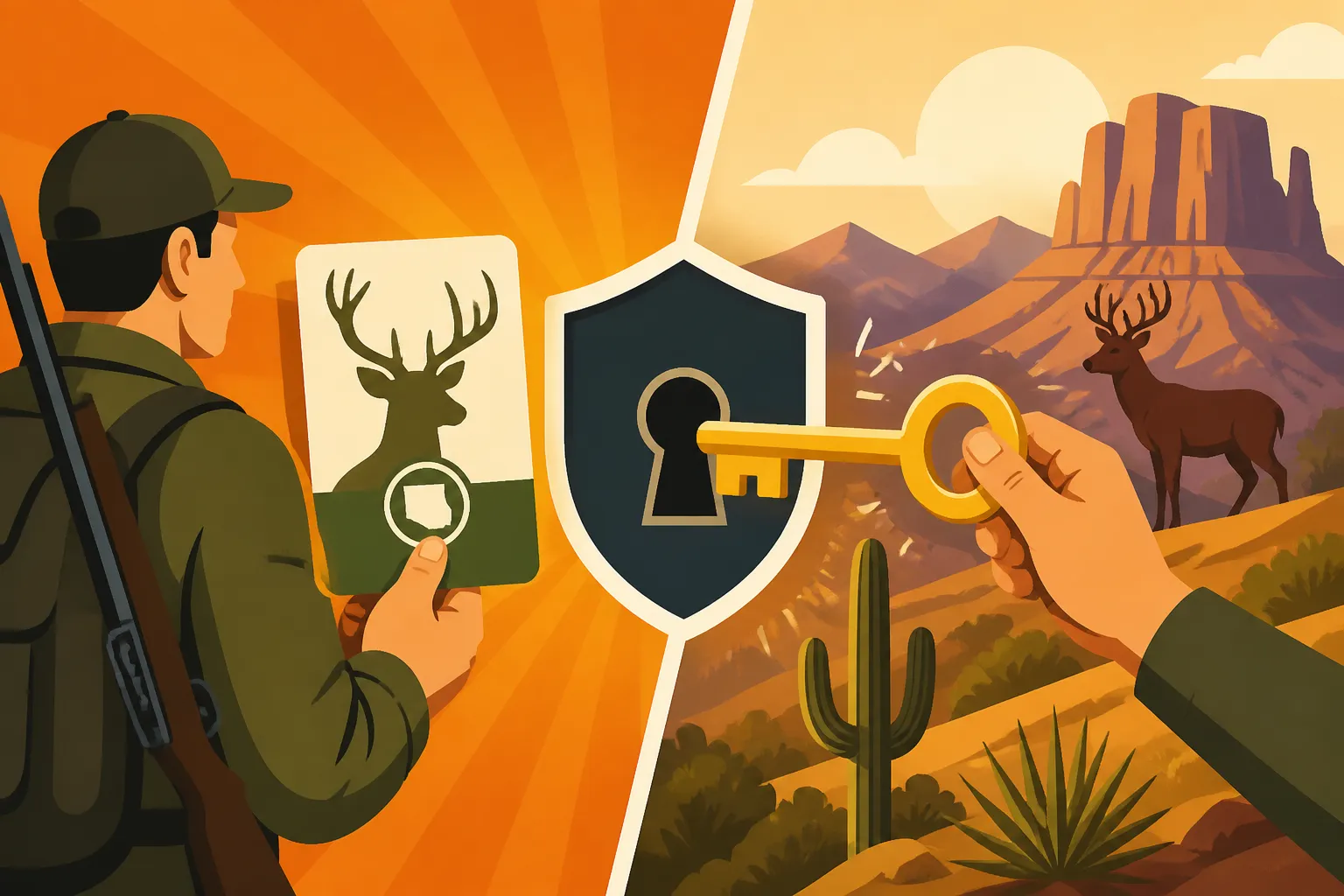
Now for the core of the matter: how your Arizona hunting license becomes your golden ticket to hunt on State Trust Land. This aspect often catches people by surprise, as many other states might require separate permits.
The Legal Basis for Access
Arizona Revised Statutes clearly define how hunting, fishing, and trapping are permitted on State Trust Land. The key takeaway is that a valid hunting, fishing, or trapping license issued by the Arizona Game and Fish Department (AZGFD) also serves as your recreational permit for these specific activities on Trust Land. This is a huge convenience for hunters, eliminating the need to navigate another bureaucratic layer just to chase deer or javelina. It's designed to make things simpler for those engaging in traditional outdoor pursuits. This means that for a typical big game hunt—whether it's archery deer in the desert or calling for elk in the timber—your standard hunting license covers your presence on State Trust Land.
What Your Hunting License Covers for Hunting Activities
When you buy that Arizona hunting license, it's not just a piece of paper; it's a multi-purpose document. For hunting purposes, it grants you access to State Trust Land to scout, pursue, and harvest game according to your tag and the regulations. This includes things like driving on established roads (where not restricted), walking cross-country, setting up temporary hunting camps (within guidelines), and, of course, the actual act of hunting. You can glass distant hillsides, track game through washes, or sit a water source, all under the umbrella of your hunting license. It's really about ensuring that legitimate hunting activities aren't bogged down by redundant permitting.
For instance, if you're out chasing Coues Deer Are Arizona's Signature Whitetail in the southern Arizona Sky Islands, and your hunt unit comprises a mix of Coronado National Forest and Arizona State Trust Land, your hunting license covers your access to both, so long as you're engaged in hunting. The simplicity is a real benefit to hunters navigating varied terrain across the state.
How it Differs from BLM and Forest Service Ground
While your hunting license grants you access to State Trust Land for hunting, it's worth noting the slight philosophical difference compared to federal lands like those managed by the Bureau of Land Management (BLM) or the U.S. Forest Service. On BLM and Forest Service lands, general public recreation is often presumed and widely permitted without specific permits for activities like hiking or camping (though developed sites may have fees). State Trust Land, however, maintains its revenue-generation focus. While your hunting license does act as a recreational permit for hunting, it's important not to conflate it with a free pass for any recreational activity. If you were just going out for a picnic, for example, without a hunting license or other specified permit, you might be in a different category. But for hunting, the license is typically all you need.
What Your Hunting License Doesn't Cover
While your hunting license is fantastic for, well, hunting, it’s not a universal access pass for every activity or every type of land in Arizona. Knowing the limitations is just as important as knowing the permissions.
Recreational Permits for Non-Hunting Activities
This is where many people get tripped up. If your primary purpose for being on State Trust Land is not hunting, fishing, or trapping, then your hunting license won't cut it. For general recreational activities like hiking, backpacking, camping (outside of a temporary hunting camp, though camping rules still apply – see Can You Camp on Arizona Trust Land?), horseback riding, or birdwatching, you generally need a separate Arizona State Trust Land Recreational Permit. These permits are usually inexpensive and can be purchased online. The logic is simple: if you're not directly engaged in the activities covered by your AZGFD license, the State Land Department needs to account for your presence under its general recreational access rules, which contribute to its revenue stream for beneficiaries.
| Activity Type | License/Permit Required for State Trust Land Access | Notes |
|---|---|---|
| Hunting | Valid Arizona Hunting License | Covers scouting, pursuing, and harvesting game. |
| Fishing | Valid Arizona Fishing License | Covers fishing activities. |
| Trapping | Valid Arizona Trapping License | Covers trapping activities. |
| Hiking/Backpacking | Arizona State Trust Land Recreational Permit | Required for general recreational use if not hunting/fishing/trapping. |
| Camping (non-hunting camp) | Arizona State Trust Land Recreational Permit | For recreational camping, not directly tied to a hunt. Check duration limits. |
| OHV Use | OHV Decal & Arizona State Trust Land Recreational Permit (if not hunting) | OHV Decal is separate, but a rec permit is needed if not covered by hunting license. Stick to established routes. |
| Photography/Sightseeing | Arizona State Trust Land Recreational Permit | For non-hunting, general scenic enjoyment. |
OHV Decals and Designated Routes
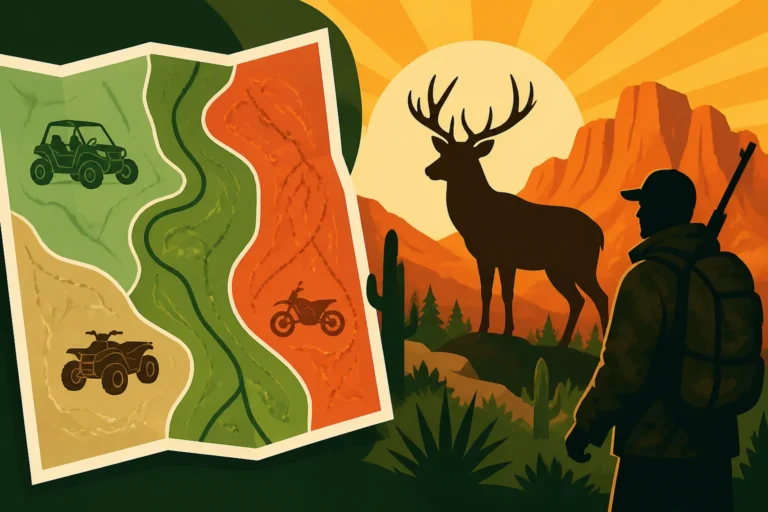
Another critical point: while your hunting license gives you access, it doesn’t automatically give you carte blanche to drive anywhere on State Trust Land. Just like on National Forests and BLM land, Off-Highway Vehicle (OHV) use on Trust Land is governed by specific rules. If you're operating an OHV in Arizona, you're required to have an OHV Decal, regardless of the land management agency. More importantly, you must stick to established roads and trails unless explicitly stated otherwise. Cross-country travel is generally prohibited to prevent resource damage and minimize disturbance. So, while your hunting license gets you on the land, your OHV decal and adherence to designated routes dictate how you can travel with your vehicle. For more on this, check out OHV Decals on Arizona Trust Land.
Tribal Lands and Private Property
It's absolutely crucial to remember that State Trust Land is not tribal land, nor is it private property. Your Arizona hunting license grants you no special privileges on tribal lands, which have their own sovereign hunting regulations, seasons, and permit requirements. Similarly, it doesn't allow you to trespass on private property. Arizona is a patchwork of land ownership, and even adjacent to State Trust Land, you'll often find private holdings. It's your responsibility as a hunter to know where you are at all times and to respect all land boundaries. Tools like onX Hunt or GoHunt with their detailed land ownership layers are indispensable for this, helping you avoid legal trouble and maintain a good relationship with landowners. Never assume access; always verify.
Navigating Trust Land Boundaries and Access
Successfully hunting State Trust Land relies heavily on your ability to accurately identify land ownership and understand access points. Without this knowledge, you might unintentionally trespass or miss out on prime hunting areas.
Using Digital Mapping Tools
In today's hunting world, digital mapping tools are no longer a luxury; they're an essential part of your gear. Services like onX Hunt and GoHunt provide invaluable layers that display public and private land ownership, including Arizona State Trust Land, with remarkable accuracy. Before you even leave the house, you can scout your hunt unit, identify areas of Trust Land, and plan your approach. These apps allow you to see the boundaries clearly, understand what parcels are accessible with your hunting license, and pinpoint potential access roads or walk-in areas. When you're out in the field, GPS functionality helps you stay within legal boundaries in real time. Knowing how to use Reading a Land Ownership Layer Correctly is critical.
Reading Physical Maps and Identifying Signage
While digital tools are fantastic, don't forget the value of old-fashioned paper maps, especially Forest Service or BLM maps that often show land ownership patterns. Sometimes, State Trust Land boundaries might be marked with signs, though this isn't always consistent, especially in remote areas. Look for "State Trust Land" signs or markers. Pay close attention to fences—often, these delineate different land ownerships or leased areas, and understanding them helps you respect boundaries. Always assume a fence means a boundary, and if you're unsure, err on the side of caution.
Understanding Posted and Leased Areas
A key aspect of State Trust Land is its system of grazing, agricultural, and other leases. While your hunting license allows you access for hunting, these leases mean that the land is actively being used for commercial purposes. You might encounter "No Trespassing" signs posted by a lessee. Generally, these signs refer to unpermitted access, not to a hunter with a valid license engaging in legal hunting activities. However, you are still obliged to respect the lessee's operations. Don't drive through planted fields, damage infrastructure, or disturb livestock unnecessarily. If a gate is closed, close it behind you. If it’s open, leave it open. The general rule of thumb is to minimize your impact and be a considerate user of the land. Remember, lessees often have priority use, even if you have a hunting license for access.
Respecting Lessees and Other Users
Hunting on State Trust Land often means sharing the landscape with ranchers, other recreationists, and even private landowners whose property might be adjacent. A respectful attitude is paramount for a positive experience and to ensure continued access.
Understanding Lessee Rights and Operations
Ranchers holding grazing leases on State Trust Land have a vested interest in the property and often perform maintenance, manage water sources, and oversee their livestock. While your hunting license permits you to hunt, it doesn't override their operational rights. This means being aware of their presence, avoiding interference with their livestock, and respecting any working infrastructure like corrals, pumps, or feed stations. Imagine if someone constantly interrupted your workplace; it's the same principle. A hunter who respects these operations helps foster goodwill and ensures that hunting continues to be seen as a compatible use of the land.
Consider a scenario where you've patterned elk near a stock tank on State Trust Land. You know it's a critical water source for both wildlife and the rancher's cattle. While you can hunt near it (within legal distances and ethical considerations, of course), you should avoid setting up camp right next to their primary access road or disturbing the cattle unnecessarily. Hunters who actively damage fences or leave gates open create real problems for the lessees and reflect poorly on the entire hunting community. For guidance on ethical considerations around water, see Water Sources and Ethics in Arizona Desert Hunting.
Avoiding Conflicts with Other Recreationists
State Trust Land isn't just for hunters and ranchers; it's also used by hikers, OHV enthusiasts, equestrians, and campers (with the proper recreational permit). During hunting season, especially for popular over-the-counter opportunities like Arizona's Over-the-Counter Archery Deer Tag Explained, you're likely to encounter a mix of users. The key is to practice patience and courtesy. If you're driving an OHV, slow down when you see hikers or horseback riders. If you're stalking game and encounter a group of mountain bikers, a friendly wave and a moment of understanding go a long way. Everyone has a right to enjoy these public lands, and mutual respect helps prevent conflicts and ensure a pleasant experience for all. This applies especially to safety: be mindful of shooting lanes and backstops, and always be certain of your target and what lies beyond it.
The Importance of Good Stewardship
Being a good steward of State Trust Land directly impacts the future of hunting access. This means packing out everything you pack in, leaving no trace of your presence. Pick up any trash you find, even if it's not yours. Avoid damaging natural resources, and adhere strictly to fire restrictions, especially during dry seasons. When field dressing an animal, do so away from water sources and established trails. These actions not only preserve the environment but also demonstrate to the State Land Department, lessees, and other users that hunters are responsible partners in land management. Our actions speak volumes about our respect for the land and its resources.
Best Practices for Trust Land Hunting
Beyond the legal requirements, employing a few best practices can significantly enhance your hunting experience on Arizona State Trust Land and contribute to its sustainability.
Pre-Scouting and Planning Your Route
Effective pre-scouting is perhaps even more crucial on State Trust Land due to its unique management. Use your digital mapping tools like onX Hunt or GoHunt to identify specific parcels of Trust Land within your chosen unit. Look for access roads, natural barriers, and potential pinch points or game corridors. Pay attention to private land boundaries that might create "landlocked" public parcels, requiring careful route planning to access legally. Planning your exact route beforehand, especially if you'll be driving or hiking near leased areas, can save you a lot of headaches in the field. This detailed planning can help you figure out Reading a Unit Before You Ever Walk It.
For example, if you're targeting Javelina Is Arizona's Most Accessible Big Game in a unit that has a patchwork of private and Trust Land, a quick digital scout can show you the specific legal corridors or access roads you can use. You'll want to avoid driving down a long, dead-end road only to find it terminates at a private gate with no hunting access. A good hunt plan will map out primary and secondary access points, potential campsites, and escape routes if the weather turns.
Respecting Gates, Fences, and Signage
It sounds simple, but observing "Leave Gates As You Find Them" is a golden rule on Trust Land. If a gate is closed, close it after you pass through. If it's open, leave it open. These gates are often critical for livestock management. Never cut fences or damage existing infrastructure. Pay attention to any signs, even those that seem to be posted by a private entity near Trust Land boundaries. While your hunting license provides access, being overtly disrespectful or careless can lead to unnecessary confrontations. When in doubt, call the AZGFD for clarification on specific access issues.
Minimizing Environmental Impact
Hunting on Trust Land, especially in Arizona's arid environment, comes with a responsibility to minimize your footprint. Stay on established roads and trails; off-road travel can quickly degrade fragile desert ecosystems. Pack out all your trash, including spent cartridges and field dressing remnants. Water sources, often critical for both wildlife and livestock, should be treated with the utmost care. Avoid contaminating them or blocking animal access. Practicing these principles not only demonstrates respect for the land but also preserves the quality of the habitat for future generations of wildlife and hunters. Thinking ahead about Heat Management on an Arizona Early Season Hunt can also help reduce your physical impact on the environment and yourself.
Conclusion
Navigating Arizona's land ownership mosaic can feel daunting, but understanding the role of your hunting license on State Trust Land simplifies a big piece of the puzzle. It’s a remarkable benefit that your annual hunting license acts as your permit, opening up millions of acres for scouting and hunting. By understanding the nuances between Trust Land and other public lands, respecting the rights and operations of lessees, and practicing good stewardship, you contribute to the longevity of hunting access for everyone. So grab your Arizona hunting license, load up your digital maps, and confidently explore the vast, diverse landscapes that await your next hunting adventure.
Disclaimer
This article is for general informational purposes only and does not constitute professional advice. Laws, prices and regulations vary by location and change over time. Consult a qualified professional for guidance on your specific situation.