OHV Decals on Arizona Trust Land
Navigating Arizona's vast and diverse landscapes for hunting can feel like deciphering a complex puzzle, especially when it comes to understanding land ownership and access rules. One of the most frequent points of confusion for hunters and outdoor enthusiasts involves off-highway vehicle (OHV) use on Arizona State Trust Land. This guide will meticulously break down what an OHV decal means for your adventures on Trust Land, helping you avoid headaches and ensure your hunting trips are both successful and compliant with regulations.
What Arizona State Trust Land Actually Is
Before we dive into the specifics of OHV decals, it’s crucial to understand what Arizona State Trust Land is and why it operates under a different set of rules than, say, a National Forest or Bureau of Land Management (BLM) property. Many hunters simply see "public land" on a map and assume unrestricted access, but Trust Land has a very distinct purpose and specific requirements.
The Unique Purpose of Trust Land
Unlike national forests or BLM lands, which are managed for public recreation, conservation, and resource extraction, Arizona State Trust Land was set aside by the federal government at statehood with a singular mission: to generate revenue for specific beneficiaries, primarily public schools. This means that every activity on Trust Land, from grazing cattle to mineral extraction to recreational use, is designed to produce income for these trusts. It’s not "public" in the way many understand it; it's more like a publicly owned business asset. This fundamental difference shapes all the rules, including those for Arizona State Trust Land Needs a Permit, and Your License Counts.
Think of it like this: if you own a rental property, you want to make sure people using it either pay rent or adhere to strict rules to protect your investment. Arizona treats its Trust Land similarly. While it offers incredible hunting opportunities across its Arizona Holds 9.2 Million Acres of State Trust Land, these opportunities come with a responsibility to understand and respect its revenue-generating purpose. Ignoring this often leads to unintentional trespassing or fines, which is a frustrating way to end a hunting trip.
How Trust Land Differs from Other Public Lands
The distinction between Trust Land and other federal public lands is perhaps the most critical concept for Arizona hunters to grasp. On BLM or National Forest lands, as long as you have a valid hunting license and follow game laws, you can generally access and move through these areas freely, assuming you abide by any specific travel management rules or seasonal closures. These lands are broadly accessible for public enjoyment.
However, Trust Land is different. Because its primary purpose is revenue generation, any entry or use, including recreational use like hunting, requires permission in the form of a permit. While a valid hunting or fishing license often serves as your recreational permit for general access (but not for OHV use alone, as we'll soon see), it's a permit nonetheless, rather than an inherent right of access. Understanding What Arizona State Trust Land Is can save you a lot of grief and ensure you're always on the right side of the law. This difference impacts everything from where you can drive to whether you can set up a long-term camp.
The Permit Requirement for Access
Given its revenue-generating mission, simply walking onto State Trust Land generally requires some form of permit. For most hunters, your valid Arizona hunting license often acts as your general recreational permit for foot access and hunting activities. This is a common point of confusion, as many assume the hunting license covers all activities, including driving an OHV, but that's not always the case.
The Arizona State Land Department (ASLD) clearly distinguishes between a hunting license, which permits hunting, and other permits required for certain activities. For example, if you plan to camp overnight or use a target shooting area on Trust Land, your hunting license alone won't suffice; you'll need a separate recreational permit. It’s a bit like needing a fishing license for fishing, but a separate boating permit for your boat. Knowing Do You Need a Permit for Arizona State Trust Land? is crucial, and it’s important to remember that OHV use has its own specific requirement, even if you’re also hunting.
Your OHV Decal: An Essential for Trust Land Use
So, you've got your hunting license, and you know it acts as your general access permit for Trust Land. But what about your quad, side-by-side, or dirt bike? This is where the OHV decal comes into play, and it's absolutely non-negotiable for operating your vehicle on State Trust Land.
What the OHV Decal Is and Why It Matters
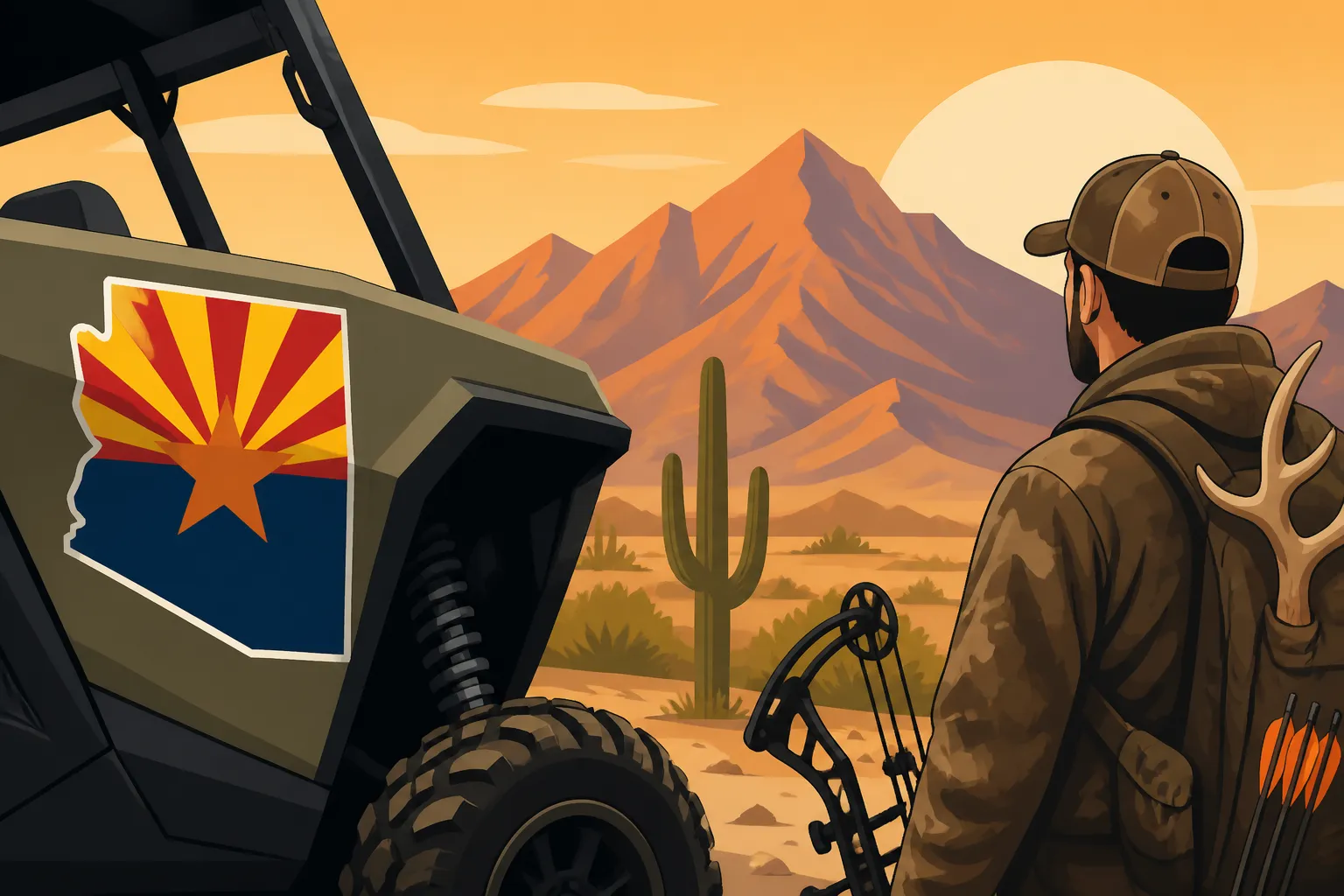
An OHV decal in Arizona is a sticker you purchase annually for your off-highway vehicle (OHV), which includes ATVs, UTVs, and dirt bikes. This decal is required for any OHV operation on state trust land, federal lands (like BLM or National Forests), and county or city lands designated open to OHVs. Essentially, if you're taking your OHV off private property, you likely need this decal.
The reason it matters so much on Trust Land specifically is, again, tied to the land's purpose. The decal fees contribute to various programs, including OHV law enforcement, education, and trail maintenance. This means the use of your OHV, even if it's just to get to a hunting spot, is generating revenue that supports the state, aligning with the Trust Land's mission. Without it, you're not just violating traffic laws; you're using a state asset without the required permission. It’s a direct consequence of the state needing to manage its lands effectively, as detailed in What an OHV Decal Covers on Trust Land.
The Overlap (and Differences) with Your Hunting License
This is perhaps the biggest source of head-scratching for hunters. "I have my hunting license, doesn't that cover everything?" The simple answer is: not quite. While your Arizona hunting license often serves as your general recreational permit for walking and hunting on Trust Land, it doesn't automatically grant you permission to operate an OHV. The OHV decal is a separate requirement, specific to the vehicle, not the activity of hunting itself.
Think of your hunting license as your permission to participate in the sport. The OHV decal is your permission for your vehicle to operate on certain lands. They are distinct. You could hunt Trust Land on foot without an OHV decal (assuming you have a valid hunting license), but you cannot operate your OHV on Trust Land without the decal, even if you're going hunting. This highlights why understanding Why a Hunting License Is Your Trust Land Permit is crucial, but also why it has its limitations when vehicles are involved. It’s a nuance that can easily be overlooked but carries legal consequences.
Who Needs One and How to Get It
If you own an OHV and intend to use it on any public lands in Arizona – including State Trust Land – you need an OHV decal. This applies to both residents and non-residents. The general rule of thumb is: if your vehicle is designed for off-highway use and you're operating it off paved roads (even if you're just accessing a hunting spot), you need the decal. This even includes street-legal vehicles that are primarily used off-road.
Obtaining the decal is usually a straightforward process. You can purchase it online through the Arizona Game and Fish Department website, or sometimes at authorized vendors. You'll need proof of ownership and a few other details. Once purchased, the decal needs to be displayed prominently on your OHV. It's an annual renewal, so don't forget to re-up before your next season. It's a small fee compared to the potential fines and headaches of getting caught without one, especially if you're planning on covering a lot of ground in the backcountry.
Navigating Trust Land with Your Off-Highway Vehicle
Possessing an OHV decal is the first step, but knowing how to use your OHV responsibly and legally on Arizona State Trust Land is equally important. This isn't just about avoiding trouble; it's about being a respectful land user and ensuring these areas remain open for future generations.
Permitted Routes and Off-Road Travel Restrictions
Just because you have an OHV decal doesn't mean you can drive anywhere you please on Trust Land. In fact, unregulated off-road travel is one of the biggest threats to sensitive desert and forest ecosystems, leading to erosion, habitat destruction, and conflicts with other users. Generally, OHV use on Trust Land, like on other federal lands, is restricted to existing roads and trails. This means no creating new routes, no driving cross-country, and no going around closed gates or signs.
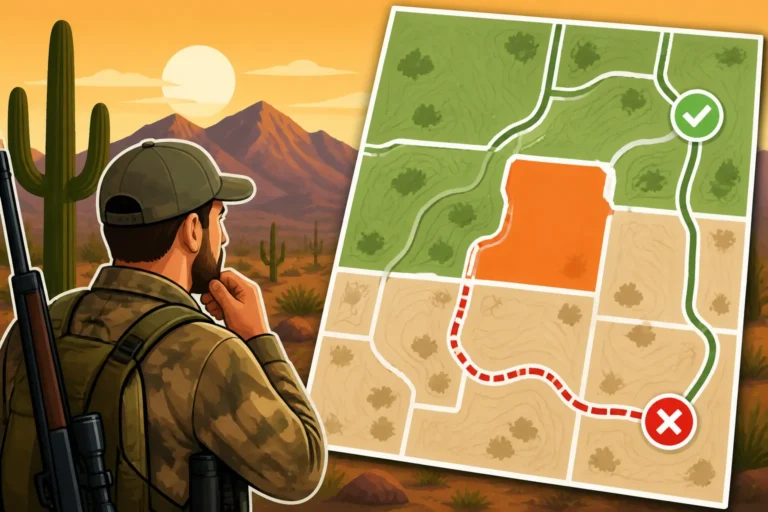
These restrictions are often tied to specific land management plans and can vary by area. It’s paramount to consult maps that delineate legal travel routes. Tools like onX Hunt are incredibly valuable here, as they often have layers that show existing roads and land ownership, helping you stay on designated paths. Driving off-trail isn't just frowned upon; it can incur significant fines and damage crucial wildlife habitat. Your mission should always be to leave no trace, and that includes staying on established routes.
Respecting Lessees and Existing Infrastructure
A key characteristic of Arizona State Trust Land is the presence of agricultural lessees, primarily ranchers. These individuals lease sections of Trust Land for grazing livestock, and their operations are a vital part of the state's economy and the Trust's revenue generation. When you're driving your OHV on Trust Land, you're likely sharing that space with active ranching operations.
This means you need to be particularly mindful of their infrastructure: gates, fences, watering troughs, and even their livestock. A general rule for gates is to leave them as you found them – if it was closed, close it behind you; if it was open, leave it open. Disrupting livestock or damaging fences can have serious consequences for the lessee and, by extension, the Trust Land's mission. Remember, Why Arizona Trust Land Lessees Have Priority is not just a suggestion; it's a legal and ethical imperative. Always yield to livestock and ranching vehicles, and never disturb working animals.
Other Activities the Decal Doesn't Cover
It's important to reiterate that your OHV decal allows you to operate your OHV on Trust Land, but it doesn't grant carte blanche for other activities. For instance, while you might be using your OHV to get to a hunting spot, the decal doesn't allow you to camp overnight. As mentioned earlier, When Arizona Requires a Recreational Permit Instead often covers activities like extended camping, target shooting in designated areas, or even large group gatherings.
Similarly, the OHV decal does not permit you to cut firewood, collect plants, or engage in commercial activities. Each of these generally requires a separate permit or authorization from the Arizona State Land Department. Always consult the ASLD's regulations or website for specific details about the activities you plan to undertake. Misunderstanding these distinctions can lead to citations, even if you’ve meticulously followed the rules for your OHV.
Comparing Trust Land OHV Rules to Other Arizona Public Lands
Arizona offers a rich tapestry of public lands, each with its own set of rules regarding OHV use. Understanding how Trust Land regulations differ from those on BLM or National Forest lands is vital for a seamless and legal hunting experience.
BLM Land: Generally More Open, Still Rules
Bureau of Land Management (BLM) lands in Arizona tend to be vast, open, and often feel less restrictive than Trust Land. For OHV use, BLM lands typically allow travel on existing roads and trails, and in some specifically designated open areas, cross-country travel might even be permitted (though these areas are becoming increasingly rare). The primary goal of BLM land management is multiple use, encompassing recreation, grazing, energy development, and conservation.
While a dedicated OHV decal is still required to operate your OHV on BLM land, the general feel of access can be different. However, it's crucial not to mistake "more open" for "no rules." BLM offices release travel management plans and maps that detail exactly where motorized vehicles are allowed. Respecting these rules is essential to prevent closures and maintain access. For more context, familiarizing yourself with BLM Access Rules Across Arizona will help clarify the nuances of these lands.
National Forests: MVUMs and Designated Routes
National Forests in Arizona, such as the Coconino, Kaibab, or Tonto National Forests, have a much more structured approach to motorized travel. Their primary tool for managing OHV use is the Motor Vehicle Use Map (MVUM). These maps clearly show which roads and trails are open to motorized vehicles, which are seasonally closed, and which are completely off-limits. Cross-country travel on National Forest land is almost universally prohibited outside of very specific, limited exceptions.
An OHV decal is also required for operation on National Forest roads and trails. The emphasis here is heavily on staying on designated routes to protect watersheds, wildlife habitat, and prevent erosion. Hunters using National Forests for access to their hunting grounds must carry and consult the relevant MVUM for their specific unit. This level of detail contrasts with the sometimes less explicit route designations on some Trust Land parcels, emphasizing the importance of doing your homework. Knowing how to read Motor Vehicle Use Maps for Forest Ground is a critical skill for any Arizona hunter.
Private Land and Reservation Boundaries
Beyond the major public land types, hunters must also be acutely aware of private land boundaries and tribal reservations. An OHV decal only grants permission for specific public lands; it offers absolutely no rights to enter or traverse private property without explicit permission from the landowner. This is a common mistake when chasing a wounded animal or simply trying to find a shortcut.
Similarly, tribal reservations, such as those of the White Mountain Apache or Navajo Nation, are sovereign lands with their own regulations, permits, and laws. Your Arizona hunting license and OHV decal are not valid on these lands, and attempting to enter or hunt without proper tribal permits is a serious offense. Mapping tools like those provided by onX Hunt or GoHunt are indispensable for accurately identifying property lines and Reading a Land Ownership Layer Correctly, ensuring you avoid accidental trespass, which carries stiff penalties regardless of land type.
Common Pitfalls and Responsible OHV Use on Trust Land
Even with the best intentions, it's easy to fall into common traps when using an OHV on Arizona State Trust Land. Being proactive and practicing responsible land stewardship will benefit everyone.
The Importance of Knowing Before You Go
One of the most common pitfalls is simply not knowing the specific rules for the area you're heading into. Arizona is a big state, and regulations can sometimes vary by unit or even by specific parcel of Trust Land. Relying on outdated information, hearsay, or assuming "it's always been this way" is a recipe for trouble.
Before every trip involving your OHV on Trust Land, take the time to check the most current regulations from the Arizona State Land Department. This means looking at their official website, not just a casual forum post. A few minutes of research can save you hours of frustration or hundreds of dollars in fines. Think of it as part of your pre-hunt scouting ritual, as essential as checking the weather or mapping out your approach. Without this vital step, even an honest mistake can be costly, as shown by the potential Penalties for Entering Trust Land Without a Permit – which can include OHV violations.
Environmental Stewardship and Preventing Damage
Operating an OHV, especially off-road, carries inherent risks to the environment. Arizona's desert ecosystems are often fragile, and a single pass by an OHV can leave scars that take decades to heal. The dust stirred up can impact air quality and vegetation, and noise can disturb wildlife, particularly during sensitive times like mating or nesting seasons.
Responsible OHV use means sticking to established routes, avoiding driving through washes (especially during or after rain when they are most vulnerable to erosion), and never venturing into clearly marked sensitive areas. It also means properly maintaining your vehicle to prevent fluid leaks and carrying out everything you pack in. Leaving a clean camp and an undisturbed landscape ensures that future generations can enjoy the same wild places. Our role as hunters extends beyond just pursuing game; it includes being vigilant stewards of the land itself.
Consequences of Non-Compliance
The repercussions for failing to comply with OHV regulations on State Trust Land can range from minor citations to significant fines, impoundment of your vehicle, and even legal action for property damage. Officers from the Arizona State Land Department, Arizona Game and Fish Department, and local law enforcement all have the authority to enforce these rules. Ignorance of the law is not a valid defense.
Beyond the legal penalties, non-compliance contributes to a negative perception of OHV users and hunters. Repeated violations in an area can lead to stricter regulations, closures, or reduced access for everyone. This impacts not only your ability to enjoy these lands but also the opportunities for your fellow hunters and outdoor enthusiasts. Ultimately, responsible behavior is about protecting our access to these incredible hunting areas.
Integrating OHV Decals into Your Arizona Hunt Planning
Now that you've got a solid grasp of what OHV decals are all about on Arizona Trust Land, let's talk about how to weave this knowledge into your overall hunt planning strategy. This isn't just about compliance; it's about making your hunts more effective and enjoyable.
Scouting and Accessing Remote Areas
One of the biggest advantages of an OHV, legally used, is its ability to help you access remote hunting grounds that would be too time-consuming or physically demanding to reach on foot. Arizona’s vast units, particularly those on Trust Land, often have a network of primitive roads and trails that become accessible with a side-by-side or ATV. This can be a game-changer for scouting during the off-season or getting to a prime glassing point on opening morning.
However, remember to plan your routes meticulously. Use your OHV for efficient travel to a general area, then park it and proceed on foot for the actual hunting. This minimizes disturbance and allows for a quieter approach. Always keep an eye on weather conditions; a dry wash can become impassable after a monsoon, potentially stranding your vehicle. The deeper you go, the more prepared you need to be for self-recovery or unexpected issues.
Pre-Season Research with Mapping Tools
Modern hunting almost requires a good mapping tool, and this is especially true when dealing with diverse land ownership like Arizona's. Brands like onX Hunt have revolutionized how hunters approach scouting and navigation by providing detailed land ownership layers, showing public, private, and Trust Land boundaries right on your phone or GPS device. This is invaluable for identifying legal access points and understanding the specific land you're on.
Before you even leave home, use these tools to identify areas of State Trust Land within your chosen unit, mark legal OHV routes, and scout for potential parking spots where you can then transition to foot. Cross-reference these with the ASLD's own maps for any specific closures or restrictions. GoHunt also offers robust research tools for drawing odds and unit information, which, when combined with mapping tech, gives you a comprehensive picture of your potential hunting grounds. This pre-season digital groundwork can eliminate a lot of guesswork and prevent accidental trespass or violations in the field.
Keeping Up-to-Date with Regulations
Arizona's hunting regulations and land use rules are not static. They can change due to legislative action, conservation efforts, or even environmental factors like wildfires or drought. Relying on information from previous years or assuming rules stay the same is a risk no hunter should take.
Make it a habit to check the Arizona Game and Fish Department's official regulations booklet and the Arizona State Land Department's website annually, or even before each major trip. Pay particular attention to any updates regarding OHV use, seasonal road closures, fire restrictions, or specific permit requirements. A quick check can confirm that your OHV decal is current, that your intended route is open, and that you're fully prepared for a legal and ethical hunt. This diligence is part of being a responsible hunter and ensuring that access to these incredible lands remains open for everyone who follows the rules.
| Land Type | General Access Permit (Hunting) | OHV Decal Required? | Cross-Country Travel? | Primary Management Goal | Key Tool for Routes |
|---|---|---|---|---|---|
| Arizona State Trust Land | Yes (Hunting License) | Yes | Generally No | Generate Revenue for Beneficiaries | ASLD Maps, onX Hunt |
| BLM Land | Not applicable (Open Access) | Yes | Limited Designated Areas | Multiple Use | BLM Travel Mgmt. Maps |
| National Forest | Not applicable (Open Access) | Yes | No | Multiple Use, Conservation | Motor Vehicle Use Maps (MVUM) |
| Private Land | No (Permission Required) | No (Private Prop.) | No (Permission Required) | Owner's Discretion | Land Ownership Maps (onX Hunt) |
| Tribal Land | No (Tribal Permit Required) | No (Tribal Rules) | No (Tribal Rules) | Tribal Self-Governance | Tribal Office Regulations |
Disclaimer
This article is for general informational purposes only and does not constitute professional advice. Laws, prices and regulations vary by location and change over time. Consult a qualified professional for guidance on your specific situation.