Prescott National Forest Hunting Ground
Hunting in central Arizona can feel like navigating a maze, especially when you're looking beyond the well-trodden paths of the Kaibab or the Mogollon Rim. Many hunters overlook areas like the Prescott National Forest, not because it lacks game, but because its diverse, often rugged terrain presents unique challenges for access and finding those hidden honey holes. This guide aims to demystify hunting in the Prescott National Forest, offering practical insights and strategies to help you unlock its potential and plan a successful outing.
Understanding the Prescott National Forest Landscape and Its Game
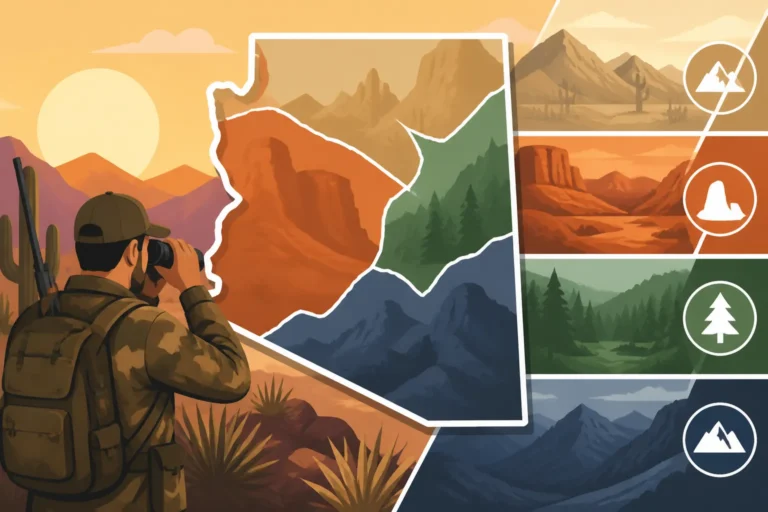
The Prescott National Forest, nestled in central Arizona, offers a vastly different hunting experience than the high-elevation ponderosa forests to the north or the vast desert expanses to the south. It’s a place where elevations can swing dramatically, from the low desert scrub of the Agua Fria National Monument on its eastern flanks to the pine and oak woodlands of the Bradshaw Mountains, reaching over 7,000 feet. This diverse landscape translates into a mosaic of habitats, supporting a variety of big game and small game species.
The Mix of Habitats and What They Hold
Imagine driving from the juniper-pinyon forests that characterize much of the forest, suddenly dropping into deep canyons carved by seasonal washes, then climbing again into stands of Ponderosa pine and Gambel oak. This transition zone is precisely what defines the Prescott National Forest. You’ll find mule deer and even some Coues deer in the lower, brushier country, particularly in the foothills and draws leading up to the higher peaks. As you ascend, the terrain becomes more timbered, providing cover and forage for black bear and mountain lion, which thrive in these denser environments.
The forest also boasts healthy populations of javelina, often found in the chaparral and mesquite flats, rooting around in family groups. Turkey, specifically the Merriam's subspecies, are present in the higher pine-oak woodlands, often near consistent water sources. Don't forget the small game, especially Gambel's quail, which explode from cover in coveys across the desert flats and brushy hillsides. Understanding this habitat diversity is your first step; a glassing knob overlooking a juniper flat might hold mule deer, while a quiet walk through oak brush could flush a covey of quail or even reveal fresh bear sign.
Common Game Species You'll Encounter
The Prescott National Forest isn't typically known for monster elk, though some certainly roam the higher elevations on occasion, especially in units bordering larger elk country. Instead, it shines for its deer, javelina, bear, and mountain lion. Mule deer are the primary deer species, adapting well to the diverse terrain. While not as large-bodied as their Kaibab cousins, a mature Prescott muley buck is a prized trophy, offering a challenging hunt in steep, broken country. You might even find some Coues Deer Are Arizona's Signature Whitetail in the southern portions of the forest, particularly in the transition zones that blend into traditional Coues habitat.
Javelina are abundant and offer a fantastic opportunity, especially during the over-the-counter archery seasons. These "desert pigs" are charismatic and a blast to hunt, often found in dense pockets of prickly pear and mesquite. Black bear populations are strong, particularly in the Bradshaw Mountains where thick cover and consistent food sources allow them to thrive. Black Bear Across Arizona's Timbered Ranges describes these habitats well. Mountain lions are elusive but present throughout the forest, following deer and javelina. Their seasons are typically regulated by harvest quotas, making them a unique challenge. And for the bird hunters, the Quail, Dove and Arizona's Small Game Tradition is alive and well here, with Gambel's quail providing fast-paced action.
Accessing and Navigating Prescott National Forest for Hunting
Getting into the heart of the Prescott National Forest for a hunt requires a good understanding of its road systems and land ownership. Unlike some units with vast, contiguous swaths of accessible public land, Prescott can be a bit more fragmented by private parcels and varying road conditions. Effective navigation is crucial, both for preseason scouting and during the hunt itself.
Understanding Forest Roads and Motorized Travel Rules
The Prescott National Forest maintains an extensive network of Forest Service roads, ranging from well-graded main arteries to rough, two-track trails that require high-clearance 4×4 vehicles. Many of these roads are seasonal, meaning they close during winter or wet weather to prevent damage and protect wildlife. Ignoring these closures can lead to citations, or worse, getting stranded. Before you head out, always check the Motor Vehicle Use Maps (MVUMs) for the specific area you plan to hunt. These maps are the definitive guide for where you can legally drive a motorized vehicle. You can often find them on the forest service website, or an app like onX Hunt will overlay these motor vehicle rules directly onto your map, saving you a lot of guesswork and potential headaches.
The landscape itself can be deceptive. A road that looks fine on a dry summer day can become a muddy, impassable mess after a monsoon rain, creating deep ruts or even washing out sections. Always be prepared for changing conditions, carry recovery gear, and let someone know your travel plans. Dispersed camping is generally allowed on Forest Service land, but always be mindful of fire restrictions, especially during the dry spring and early summer months. Camping on Forest Ground During Hunting Season has more information on setting up your base camp responsibly.
Utilizing Mapping Tools for Effective Navigation
In a forest like Prescott, where terrain is varied and private parcels can checkerboard public land, digital mapping tools are an absolute game-changer. I can't stress enough how much easier my scouting and hunting trips became once I started leaning heavily on services like onX Hunt. These apps allow you to download maps for offline use, which is critical in areas with spotty cell service, common in the deeper canyons and mountain ranges of Prescott. You can identify land ownership boundaries at a glance, avoiding accidental trespass onto private property. This is especially important near the forest edges where ranching operations are common.
Beyond legal access, these maps are invaluable for identifying key terrain features. You can pinpoint water sources, even small ones that don't appear on paper maps, track historical fire scars that might create new forage, or locate saddles and ridges that funnel game. Before you even set foot in the unit, GoHunt or other research tools can help you analyze draw odds and harvest success rates for specific units within or adjacent to Prescott National Forest, helping you focus your efforts. E-Scouting an Arizona Unit Before the Season provides a great overview of how to leverage these digital resources for a more efficient hunt.
Key Hunting Opportunities and Strategies in Prescott National Forest
Hunting in Prescott National Forest requires adaptability and a willingness to cover diverse terrain. The strategies you use for mule deer in the lower junipers might be entirely different from those for bear in the higher pines or javelina in the chaparral. Here, we'll break down some species-specific approaches and general tips for maximizing your success.
Spot-and-Stalk for Deer and Javelina
The broken country and varied vegetation of Prescott National Forest lend themselves perfectly to spot-and-stalk hunting, especially for mule deer and javelina. This means finding a high vantage point—a rocky outcrop, a ridge line, or even a strategic bend in a forest road—and patiently glassing the surrounding hillsides and draws. Good optics are non-negotiable here. A quality binocular with a wide field of view and a spotting scope for detailed examination are your best friends. Early mornings and late evenings are prime times, as game moves between bedding and feeding areas.
For mule deer, focus your efforts on north-facing slopes with thicker cover, or areas with recent rainfall that might stimulate new forage growth. They'll often bed down in shady spots, making them difficult to pick out, but a flicker of an ear or the distinct shape of an antler can give them away. Reading Wind on a Sky Island Stalk offers advice that's highly applicable here, as thermals and swirling winds are a constant factor in this type of terrain. Javelina, on the other hand, are often found in larger herds and tend to favor dense chaparral and washes with plenty of prickly pear. Once you spot a herd, the stalk can be challenging due to their keen sense of smell and the thick cover they inhabit. Pay close attention to wind direction and move slowly, using every piece of terrain to hide your approach.
Calling and Ambush for Bear and Turkey
Hunting black bear and Merriam's turkey in Prescott National Forest often involves a combination of scouting, calling, and setting up ambushes near food or water sources. For bears, success often comes down to locating reliable food sources—whether it's an oak flat loaded with acorns in the fall, or a canyon with fruit-bearing bushes in the summer. Once a food source is identified, setting up an ambush point downwind, overlooking the area, can be effective. Bear hunting can also involve covering a lot of ground, looking for fresh sign like scat, tracks, or overturned rocks. Predator calls can sometimes be effective for drawing a curious bear in, but patience is usually key. Remember to check specific unit regulations for bear, as Female Harvest Limits on Arizona Bears and season closures are common.
Merriam's turkey, with their distinctive white-tipped tail feathers, are a classic spring hunt in the higher elevation pine-oak country. Locator calls, like crow or owl hoots, can help you pinpoint gobblers on the roost at dawn. Once you hear a gobbler, setting up quickly in a position that forces him to walk past you on his way to a strutting zone or hens is the goal. Decoys can be very effective, especially for wary spring gobblers. In the fall, turkeys often gather in larger flocks, and busting a flock and then calling them back together can be a fruitful strategy. Identifying water sources and roosting areas during scouting trips will greatly improve your odds for both species. Turkey Across Arizona's High Country details some of the methods used for these hunts.
Small Game and the Year-Round Opportunities
Don't underestimate the year-round opportunities for small game in the Prescott National Forest. Gambel's quail are a particular highlight, providing fast-paced action. These birds are often found near washes, thickets, and cactus patches in the lower and mid-elevations. Hunting with a good bird dog can be incredibly effective, but even without one, slowly walking through likely cover and being ready for sudden flushes will yield results. Mourning and white-winged dove also pass through, offering seasonal wingshooting. Rabbits, both cottontail and jackrabbit, are present throughout the forest, especially in brushy areas.
These small game hunts are a fantastic way to introduce new hunters to the field or to simply enjoy a day outdoors when big game seasons are closed. They also offer a chance to explore new areas of the forest and gain a better understanding of the terrain and its wildlife. Always consult the current regulations for specific bag limits and season dates for small game, as these can vary significantly from big game seasons.
| Species | Primary Habitat (Prescott NF) | Hunting Method | Best Time to Hunt | Notes |
|---|---|---|---|---|
| Mule Deer | Juniper-pinyon, oak brush, canyon country | Spot-and-stalk, still hunting | Early morning, late evening | Focus on north-facing slopes and draws |
| Javelina | Chapparal, mesquite flats, prickly pear thickets | Spot-and-stalk, still hunting | Early morning, mid-day | Hunt in herds, use scent to your advantage |
| Black Bear | Pine-oak woodlands, dense cover, canyons | Ambush near food/water, still hunting | Early morning, late evening | Check unit harvest limits; look for sign |
| Mountain Lion | Rugged, timbered areas; follows deer/javelina | Still hunting, hound hunting (check regs) | Year-round (quota dependent) | Very elusive; difficult without hounds |
| Merriam's Turkey | Pine-oak woodlands, near water sources | Calling (gobble, hen calls), ambush | Spring (gobblers), Fall (flocks) | Locate roosts and strutting zones |
| Gambel's Quail | Desert scrub, washes, thickets, cactus | Walk-up, bird dogs | Mid-day | Fast-paced action; hunt in coveys |
Planning Your Hunt in Prescott National Forest
A successful hunt in the Prescott National Forest, like any public land hunt, begins long before you set foot in the field. Thoughtful planning, understanding regulations, and thorough scouting are the cornerstones of a rewarding experience.
Deciphering Regulations and Hunt Codes
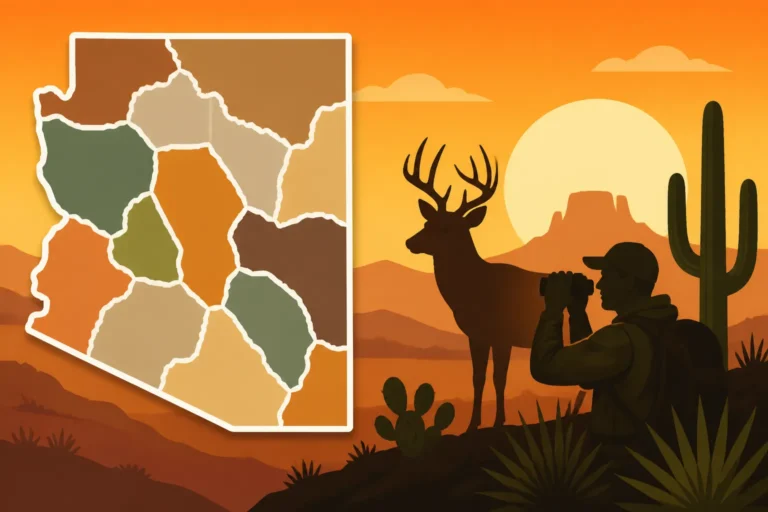
Arizona's hunting regulations can feel complex, but taking the time to understand them is paramount. The Prescott National Forest spans several Arizona Game Management Units (GMUs), each with its own specific hunt codes and regulations for different species and weapon types. These units are defined by natural features and roads, and an onX Hunt map or a printed map from the Arizona Game and Fish Department will clearly show these boundaries. Make sure you know which unit your tag is valid for and meticulously follow the dates, legal shooting hours, and bag limits associated with that hunt code. Reading an Arizona Hunt Code can help you break down what all those letters and numbers mean.
Pay particular attention to weapon restrictions (archery, muzzleloader, general rifle), as these vary by season and unit. Also, be aware of any unique rules for specific species, such as reporting requirements for bear and mountain lion, or special permits for species like sandhill cranes (though less common in this specific area). The Arizona Game and Fish Department website is the official source for current regulations, hunt forecasts, and draw results.
Preseason Scouting and Familiarization
There's simply no substitute for boots-on-the-ground scouting. While digital tools like onX Hunt and satellite imagery can give you a fantastic overview and help you narrow down areas of interest, nothing beats experiencing the terrain firsthand. A preseason trip allows you to check road conditions, identify potential camping spots, locate water sources, and find fresh sign. Walk potential game trails, look for rub lines or scrapes, and understand how the wind behaves in different canyons. You'll get a feel for the cover, the density of the vegetation, and the steepness of the hills.
If a full scouting trip isn't feasible, dedicate time to virtual scouting. Use topographic maps and satellite images to identify potential bottlenecks, hidden benches, or secluded pockets of habitat that might hold game. Reading an Arizona Forest Service Road Map will help you plan your access points. Look for subtle changes in vegetation that could indicate a north-facing slope holding moisture longer, or areas of recent burns that might provide new forage. Pay attention to water sources—natural seeps, stock tanks, or even small potholes—as these are magnets for wildlife in Arizona's often arid environment.
Essential Gear for Prescott National Forest
Given the varied terrain and potential for significant temperature swings, packing appropriately for a Prescott National Forest hunt is critical. Beyond your weapon, license, and tags, consider these essentials:
- Optics: High-quality binoculars (10x or 12x) and a spotting scope with a tripod are invaluable for glassing the vast landscapes.
- Navigation: A reliable GPS device or a mapping app like
onX Hunton your phone (with downloaded offline maps) is non-negotiable. Carry a physical map and compass as a backup. - Water: Even on cool days, the dry Arizona air can dehydrate you quickly. Carry more water than you think you'll need. Water You Must Carry on a Day Hunt is a must-read.
- Layers of Clothing: Temperatures can fluctuate dramatically from early morning to mid-day, and between lower elevations and higher peaks. Layering allows you to adapt to these changes. Layering for Rim Country Temperature Swings offers excellent advice applicable here.
- First Aid Kit: Be prepared for minor injuries. You're often a long way from medical help.
- Headlamp/Flashlight: For early morning starts or late evening retrieves.
- Knife/Game Bags: For field dressing and packing out your harvest.
- Emergency Supplies: Fire starter, signaling device, emergency shelter.
- High-Clearance Vehicle: Essential for navigating many of the forest roads.
- OHV Decal: If you plan to use an ATV or UTV, ensure it is properly registered and decaled.
By taking the time to understand the unique characteristics of the Prescott National Forest, strategically planning your hunt, and coming prepared, you can unlock incredible hunting opportunities in this often-overlooked corner of Arizona.
Disclaimer
This article is for general informational purposes only and does not constitute professional advice. Laws, prices and regulations vary by location and change over time. Consult a qualified professional for guidance on your specific situation.