Units Around Tucson for Coues Hunters
You’ve been eyeing those rugged mountain ranges rising majestically out of the desert around Tucson, haven’t you? Many hunters dream of pursuing the elusive Coues deer, often called the "gray ghost" of the desert, but figuring out where to start in the vast landscape surrounding a major city like Tucson can feel completely overwhelming. This guide is here to cut through that confusion, helping you pinpoint the best hunting units in the Tucson area for a rewarding Coues deer experience.
Understanding Coues Deer Habitat Around Tucson
Before you even think about packing your boots, it's crucial to understand the unique world of the Coues deer and what kind of country they call home, especially in the rugged landscape surrounding Tucson. These aren't your typical whitetails; they've adapted to an environment that challenges both deer and hunter alike.
The Sky Islands: Coues Deer Strongholds
If you look at a topographical map of Southern Arizona, particularly the areas around Tucson, you'll see a series of mountain ranges that appear to rise abruptly from the surrounding desert floor. These are affectionately known as "Sky Islands," and they are the absolute heart and soul of Coues deer country. Imagine driving from the city, watching saguaros give way to mesquite, then juniper, then eventually pines as you ascend thousands of feet in a relatively short distance. This dramatic elevation change creates diverse ecosystems, with the higher elevations providing cooler temperatures, more consistent water, and denser cover—exactly what Coues deer thrive on. These isolated mountain ranges act like natural refuges, providing everything a Coues needs to survive and, more importantly, to grow. You’ll find them in the Santa Catalina Mountains, the Santa Rita Mountains, the Huachuca Mountains, and many others that pepper the landscape south and east of Tucson. The Sky Island Ranges That Hold Coues
Key Elements of Coues Habitat
Coues deer aren't just looking for mountains; they're looking for specific features within those mountains. Their preferred habitat includes a mix of oak brush, juniper, and various desert scrub species that provide both food and excellent concealment. They are masters of blending into their surroundings, hence the "gray ghost" moniker. Water sources are paramount in this arid region, especially outside of the monsoon season. You'll often find them near springs, tinajas (natural rock depressions that hold water), and man-made wildlife waters, especially during dryer periods. Furthermore, they are drawn to steep, broken terrain. This kind of country, riddled with canyons, washes, and rocky outcroppings, offers them escape routes from predators and fantastic bedding cover where they can disappear with ease. A Coues buck can seemingly vanish into a hillside that looks completely barren from a distance.
Seasonality and Coues Movement
Just like any other big game species, Coues deer movements are influenced by the seasons, and understanding these patterns can significantly impact your hunting strategy. During the scorching summer months, when the monsoon rains haven't fully kicked in or have been sporadic, Coues deer will be tightly bound to reliable water sources, often found at higher elevations where temperatures are more forgiving. As fall approaches and temperatures cool, they might spread out a bit more, but water remains a key factor. The rut, typically peaking in late December and January, causes bucks to become much more active and less cautious, often venturing into areas they might avoid other times of the year. This is a prime time for hunters, but it also coincides with cooler weather and potentially more people in the field. Conversely, early archery seasons in August and September will see deer active primarily during the cooler parts of the day, often seeking shade during midday.
Top Units Near Tucson for Coues Deer
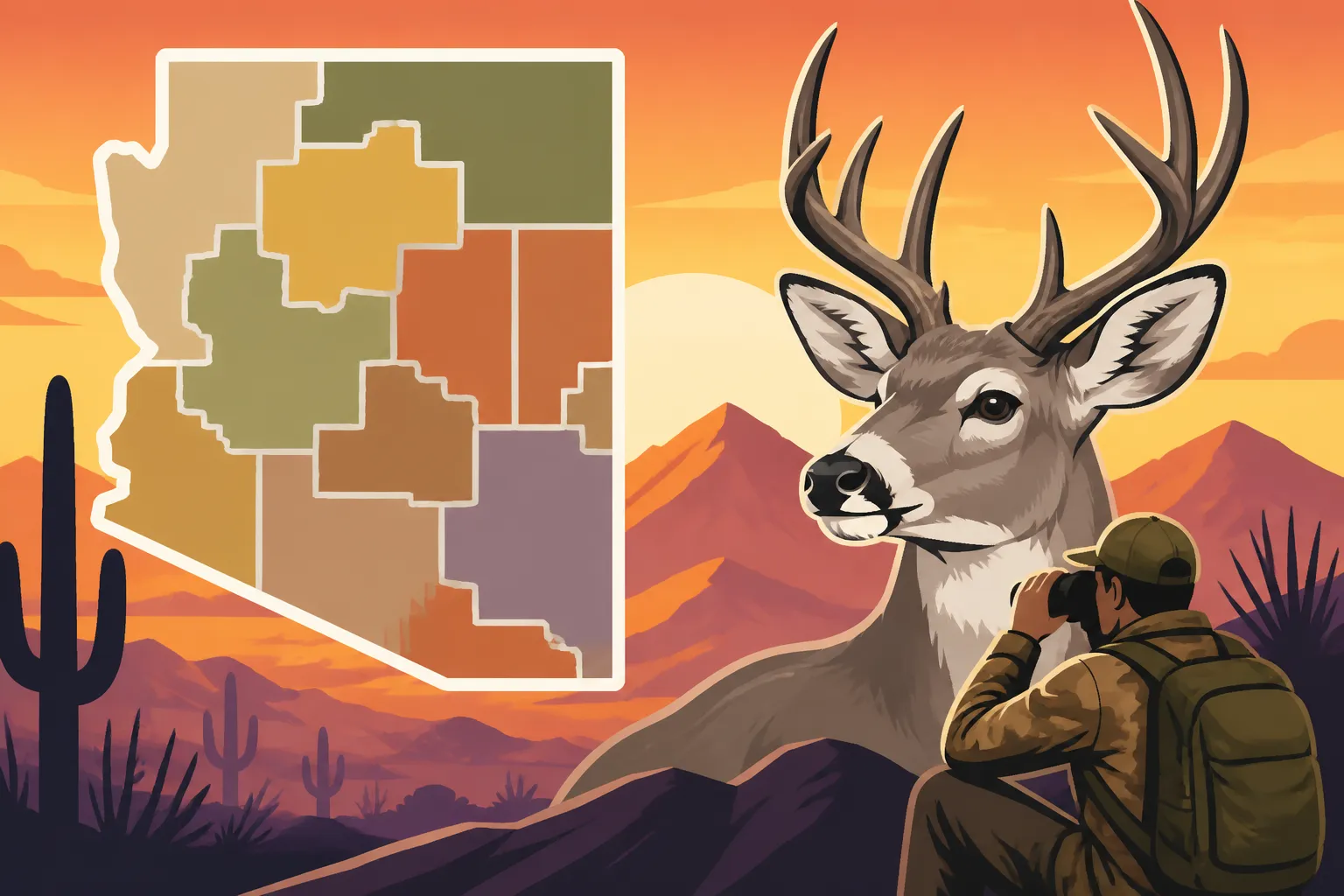
When you’re staring at a map of Arizona, trying to decipher the numbered hunting units, it can feel like cracking a secret code. But for Coues deer hunters around Tucson, a few units consistently stand out, primarily because they encompass prime Sky Island habitat within the Coronado National Forest.
Coronado National Forest: Your Primary Hunting Ground
Much of the premier Coues deer habitat surrounding Tucson is managed by the Coronado National Forest. This expansive forest covers several mountain ranges across southeastern Arizona, creating a network of opportunities for hunters. These units are characterized by their rugged beauty, steep climbs, and often challenging access, which can be a double-edged sword: it means fewer casual visitors but also demands more from the hunter in terms of physical preparation and scouting. You'll find a mix of federal forest land, some state trust land, and unfortunately, some private land intermixed, making careful navigation with a good mapping system essential. The sheer vastness means that even in popular units, you can often find solitude if you’re willing to put in the legwork.
Here's a quick look at some of the key units around Tucson:
| Unit | Primary Mountain Ranges | Public Land Access | Terrain Difficulty | General Character |
|---|---|---|---|---|
| 33 | Santa Catalina, Rincon | High | Moderate to High | Closest to Tucson, can be pressured |
| 34A | Huachuca, Whetstone | High | Moderate to High | Excellent habitat, good trophy potential |
| 34B | Patagonia, San Cayetano | Moderate | Moderate | Rolling hills, oak country, near border |
| 35A | Santa Rita, Empire | High | Moderate to High | Rugged, classic Coues country |
| 35B | Atascosa, Tumacacori | Moderate | Moderate to High | Remote sections, good for solitude |
Unit 33: The Santa Catalina Mountains and Beyond
Unit 33 is literally on Tucson's doorstep, encompassing the majestic Santa Catalina Mountains that define the city's northern skyline. This unit offers incredible Coues habitat, ranging from lower desert scrub to high-elevation pine forests in areas like Mount Lemmon. Access points are numerous, from paved roads leading up the mountain to various forest service roads branching off. This accessibility, however, also means it can be one of the more pressured units, especially during general seasons. Hunters need to be prepared for significant elevation changes, from desert flats at 3,000 feet to over 9,000 feet at the peak. While it's convenient, success often comes down to getting away from roads and into the steepest, most broken country. You'll be working hard here, but the rewards can be significant.
Units 34A and 34B: Huachuca and Patagonia Mountains
Heading south from Tucson, Units 34A and 34B offer fantastic Coues deer opportunities, often with a slightly different feel than Unit 33. Unit 34A, in particular, covers the Huachuca Mountains, a renowned Sky Island that consistently produces good Coues bucks. This area is known for its dense oak brush, numerous canyons, and relatively consistent water sources. It's rugged, requiring dedicated foot travel, but the habitat is top-notch. Unit 34B, encompassing the Patagonia and San Cayetano Mountains, is a bit more rolling in parts but still holds plenty of steep, brushy draws that Coues deer love. Both units demand good physical conditioning and excellent glassing skills. They are also closer to the international border, so hunters should always be aware of their surroundings and report any unusual activity to local authorities.
Units 35A and 35B: Pima and Santa Cruz County Gems
Further to the southeast of Tucson, Units 35A and 35B provide more excellent Coues deer country. Unit 35A is home to the imposing Santa Rita Mountains, a truly iconic Sky Island that offers challenging but highly rewarding hunting. This range is steep, rocky, and covered in dense oak and juniper, making it perfect for those gray ghosts to disappear into. Access is generally via forest service roads that can be rough, so a high-clearance vehicle is often necessary. Unit 35B includes the Atascosa and Tumacacori Mountains, which, while perhaps not as towering as the Santa Ritas, still offer fantastic habitat with plenty of secluded canyons and brushy hillsides. These units, being a bit further out from Tucson, might experience slightly less pressure than Unit 33, but they are by no means undiscovered. Success here, like anywhere else for Coues, hinges on thorough scouting and an iron will to climb. Best Units to Draw for Coues Deer can provide additional insights, though many Coues tags are available over-the-counter.
Navigating Access and Terrain in Tucson's Units
The promise of a Coues deer hunt near Tucson is exciting, but the reality involves careful navigation of a landscape that blends public and private lands, challenging roads, and critical water resources. This isn't a walk in the park; it's a test of preparedness and persistence.
Public Land vs. Private Land: Knowing the Boundaries
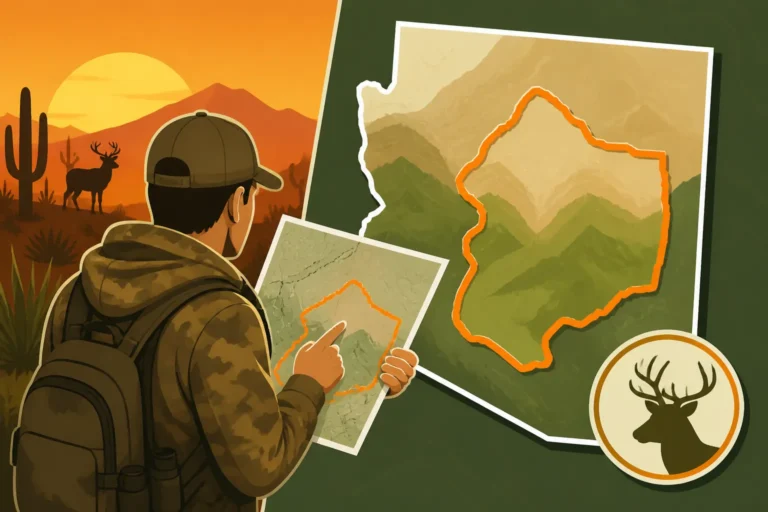
One of the biggest hurdles for hunters in this region is the patchwork ownership of the land. You'll be hunting in vast tracts of Coronado National Forest, which is public land, but these public areas are often interspersed with private ranchland or state trust land. State trust land, while generally open to hunting with a valid hunting license, sometimes has lessees who can restrict certain types of access or activity. It’s absolutely vital to know exactly where you are at all times to avoid accidental trespass. This is where modern mapping applications become your best friend. Tools like onX Hunt are invaluable for clearly defining property boundaries, showing public land in one color and private in another. You can download these maps to your phone and navigate in real-time, even without cell service. Relying solely on older paper maps can lead to serious headaches and potential legal trouble if you stray onto private property. Reading a Land Ownership Layer Correctly is a skill you'll absolutely need to hone.
Rough Roads and Foot Access
Don't expect paved highways into prime Coues country. Many of the forest service roads in these units are rough, rocky, and can become impassable after heavy rains, particularly during the summer monsoon season. A high-clearance, four-wheel-drive vehicle isn't just a luxury; it's often a necessity to reach good starting points. Even then, the best Coues habitat is frequently found well away from roads, requiring significant foot travel. Be prepared for steep climbs and descents over uneven, rocky ground. This isn't flat land hunting; it's mountain hunting in a desert environment. Pack light, but pack enough water and emergency gear. It’s during these long hikes away from the beaten path that you'll increase your chances of finding unpressured deer. Before you even set foot on the mountain, Scouting a Unit From Satellite Imagery can help you identify potential access roads, parking spots, and initial routes into promising areas.
Water Sources and Hunting Pressure
In an arid region like Southern Arizona, water is life, and that holds true for Coues deer. Reliable water sources – whether natural springs, small seeps, or man-made wildlife drinkers (known as guzzlers or tanks) – act as magnets for deer, especially during the dryer parts of the year. Understanding where these water sources are located within your chosen unit is a critical piece of the puzzle. However, it's also important to recognize that these vital spots often concentrate both deer and other hunters. Ethical considerations around hunting water sources are paramount, and you should always prioritize responsible hunting practices. Water Sources That Concentrate Arizona Desert Game can be game-changers, but they also require careful consideration of hunting pressure and other users of the land. While legal to hunt over, these spots often see more human activity, so scouting them for fresh sign away from direct access points can be more productive.
Strategies for Hunting Coues Deer Near Tucson
Hunting Coues deer around Tucson isn't just about finding the right unit; it's about employing the right strategies that are tailored to these unique animals and their rugged environment. This isn't a game of still-hunting through thick timber; it's a chess match played across vast, open slopes.
The Glassing Game: Your Best Bet
If there's one golden rule for Coues deer hunting, it's this: you hunt with your optics more than your boots. The wide-open, broken terrain of the Sky Islands lends itself perfectly to glassing. These deer are masters of camouflage, and they can disappear into what looks like barren hillsides. Your primary strategy will be to find a vantage point – a ridge, a high knob, or a saddle – and systematically pick apart the opposing slopes with high-quality optics. This means a good spotting scope on a sturdy tripod is essential, along with a pair of 10x or 15x binoculars. Spend hours slowly searching for subtle movements, a flick of an ear, a patch of hide, or the tell-tale glint of an antler. Patience is key. Glassing Arizona's Sky Islands for Coues Deer describes this approach in detail. Don't rush; many successful Coues hunters spend 90% of their day glassing and only 10% actually stalking. Spotting Scope Power for Coues Country will give you an edge in this visually demanding pursuit.
Patience and Persistence
The "gray ghost" nickname isn't just about their camouflage; it's also about their elusive nature. Coues deer are notoriously wary, and they don't give up their secrets easily. This means you need an abundance of patience and persistence. You might spend an entire day glassing without seeing a single deer, only to spot a monster buck right at last light. It's easy to get discouraged, but those who stick with it are often rewarded. Once you do spot a deer, especially a buck worth pursuing, the challenge shifts to the stalk. These deer are often seen at long distances, meaning you'll need to plan a careful approach, using the terrain to your advantage to close the distance without being seen or winded. Why Coues Deer Reward Patience Over Movement is a philosophy that truly resonates with Coues hunting. The stalk itself can be physically demanding and incredibly slow, often taking hours to cover what might seem like a short distance on a map. How Far to Stalk a Bedded Coues Buck will often be measured in hundreds of yards, not dozens of feet.
Leveraging Digital Tools
Beyond simply showing property lines, modern digital hunting tools have revolutionized how we approach a Coues deer hunt. GoHunt, for example, offers detailed draw odds and historical harvest data that can help you understand unit potential, even for over-the-counter tags where success rates are important to gauge. onX Hunt goes further, providing not just property boundaries but also topographical maps, satellite imagery, and layers that show potential water sources, old roads, and trails. You can use these tools to e-scout extensively before you ever leave home, identifying potential glassing knobs, likely bedding areas, and difficult-to-access pockets where deer might feel secure. By combining this digital reconnaissance with an understanding of Coues habitat and habits, you can arrive in your unit with a much more informed plan, saving valuable hunting time. E-Scouting an Arizona Unit Before the Season is no longer a luxury, but a vital component of a successful hunting strategy in these expansive units.
Disclaimer
This article is for general informational purposes only and does not constitute professional advice. Laws, prices and regulations vary by location and change over time. Consult a qualified professional for guidance on your specific situation.