BLM Access Rules Across Arizona
One of the biggest headaches for hunters heading to Arizona isn't just drawing a coveted tag, it's figuring out where you can actually hunt once you're there. With vast expanses of public land, it's easy to get lost in the nuances of who owns what and what rules apply. This guide is dedicated to demystifying the Bureau of Land Management (BLM) access rules across Arizona, helping you navigate these immense landscapes with confidence and respect for the regulations.
Understanding Bureau of Land Management (BLM) Land in Arizona
Arizona is a state of immense natural beauty and diverse landscapes, and a huge chunk of that—millions upon millions of acres—is managed by the Bureau of Land Management. For many hunters, BLM land represents the quintessential public hunting experience: wide-open spaces, rugged terrain, and the freedom to roam. But "public land" doesn't mean "no rules," and understanding the specific role and function of the BLM is your first step toward a successful hunt.
What Exactly is BLM Land?
Imagine an agency responsible for managing nearly 250 million acres of public land, primarily in the Western United States. That's the BLM. In Arizona alone, the BLM oversees roughly 12.2 million acres, which is more land than several smaller states combined. This land is typically characterized by vast, undeveloped tracts, often encompassing desert, grasslands, and lower-elevation mountainous areas. Unlike National Forests, which tend to be timbered and higher elevation, or National Parks, which are primarily for preservation and recreation (and generally exclude hunting), BLM land often feels more raw and untamed. It’s the kind of country where you can truly get away from it all, whether you're chasing mule deer in the desert washes or glassing for javelina on a rocky hillside. These lands are managed for a wide array of uses, and hunting is absolutely one of the most important.
Hunting on BLM land is a unique experience. You won't find many developed campgrounds, marked trails, or visitor centers. Instead, you'll encounter a landscape largely as nature intended, shaped by weather, wildlife, and minimal human intervention. This makes it perfect for those seeking a true backcountry experience without the often steeper, more timbered challenges of high-elevation National Forests. However, this raw nature also means self-sufficiency is paramount. You'll need to carry all your water, be prepared for extreme temperatures, and possess strong navigation skills.
The "Multiple Use" Mandate
The BLM operates under a "multiple use" mandate, which means their lands are managed for a variety of purposes simultaneously. This isn't always easy, and it often leads to fascinating overlaps and occasional conflicts. For hunters, understanding "multiple use" means recognizing that you'll share the landscape with other users. You might encounter cattle grazing (the BLM issues permits for ranchers), mining operations, oil and gas exploration, off-highway vehicle (OHV) enthusiasts, hikers, mountain bikers, and even archaeological researchers.
This mandate is a balancing act. The BLM strives to manage these lands to support outdoor recreation, including hunting, while also sustaining natural resources, protecting wildlife habitats, and allowing for economic activities like energy development and grazing. What this means for you as a hunter is that while you have the right to access and hunt these lands, you also have a responsibility to be aware of and respect other users. It's a shared resource, and courtesy goes a long way. Always be mindful of active ranching operations, for instance, and ensure you close any gates you open. Hunters play a vital role in wildlife management on these lands, and ethical behavior helps ensure that hunting remains a respected and viable activity under the multiple-use umbrella.
General Access Regulations for BLM Land Hunters
Navigating BLM land for hunting can feel a bit like reading the fine print on a really long contract – it’s full of important details that might not be obvious at first glance. The good news is that much of BLM land is generally open for public access, but there are crucial rules and considerations that every hunter needs to internalize. Thinking that all public land is the same can quickly lead to an unpleasant surprise, so let's get into the specifics.
The Open Access Principle
Generally speaking, BLM land welcomes the public with open arms for recreational activities, including hunting. This "open access" is one of the most cherished aspects of public land. Unlike private property, where you absolutely need explicit permission from a landowner to step foot on it, you typically don't need a special permit to simply walk, hike, or hunt on BLM land beyond your required state hunting license and tags. This freedom to roam vast, undeveloped landscapes is what draws so many hunters to Arizona. You can scout, set up camp, and pursue game without having to knock on doors or navigate complex access agreements.
However, this principle comes with a very important caveat: it applies only to BLM land. The moment you step off BLM ground and onto private property, state trust land without the proper permit, or tribal land, the rules change drastically. It’s a common misconception that because something looks like open desert, it must be public. This isn't always the case, especially in Arizona where land ownership can be a complex checkerboard. So, while the access is open, the responsibility to know where you are is entirely yours.
Knowing Your Boundaries
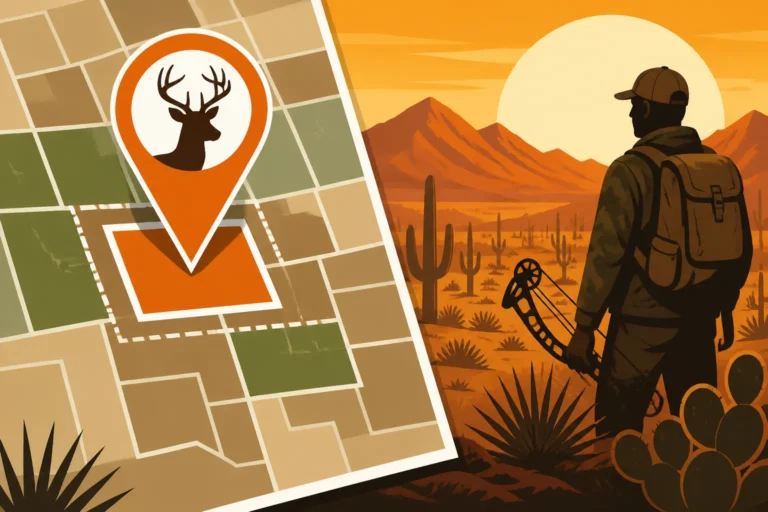
This brings us to perhaps the most critical rule of hunting on BLM land: you must know your boundaries. Arizona's landscape is a patchwork of different land ownerships – private, state trust, national forest, tribal, and BLM – often intertwined in confusing ways. What looks like a seamless expanse of public land on the ground can be a jagged puzzle on a map. Trespassing, even accidentally, can lead to fines, confiscation of your harvest, and the loss of hunting privileges.
This is where modern technology becomes an indispensable tool. Apps like onX Hunt and GoHunt, for example, provide detailed satellite imagery overlaid with property boundaries, showing you exactly where BLM land ends and private land or other jurisdictions begin. This visual clarity is a game-changer for navigating complex areas. It’s not enough to simply glance at a map; you need to understand the nuances. For instance, sometimes a public road might be surrounded by private land, making it difficult to access the public land beyond without explicit permission. Always confirm your location frequently, especially when traversing washes, ridges, or draws where boundary markers might be absent or unclear. Learning to use these tools effectively is crucial for staying legal and respectful, and it ties directly into Reading a Land Ownership Layer Correctly.
Dispersed Camping and Temporary Stays
Part of the allure of hunting BLM land is the ability to truly immerse yourself in the wild, often by setting up a dispersed camp away from designated campsites. This is generally allowed on BLM land in Arizona, offering hunters the flexibility to stay close to their hunting grounds. However, there are rules that govern how you can camp and for how long. The typical limit for dispersed camping on BLM land is usually 14 days within any 28-day period in one location, after which you need to move a certain distance (often 25-50 miles, though local rules can vary) before returning. This is to prevent long-term residency and ensure the land remains available for others.
When setting up a dispersed camp, always follow Leave No Trace principles. That means packing out everything you pack in, including all trash, and properly disposing of human waste away from water sources and trails. Campfires are often permitted, but always check for current fire restrictions, especially during dry or windy periods, as conditions can change rapidly and fires can be prohibited entirely. Fire Restrictions During Hunting Season are a very real concern in Arizona, and neglecting them can have devastating consequences. Choose a campsite that minimizes your impact, ideally on durable surfaces, and avoid sensitive areas like riparian zones or archaeological sites.
| Land Type | General Access | Permits/Licenses Needed (Beyond State Hunting License) | Dispersed Camping | Motorized Vehicle Use | Key Characteristic for Hunters |
|---|---|---|---|---|---|
| BLM Land | Open | None | Generally Allowed | Designated Routes | Vast, open, diverse terrain |
| Arizona State Trust | Open | Hunting License acts as permit (Recreational for non-hunters) | Allowed | Designated Routes | Often checkerboarded with private |
| National Forest | Open | None | Generally Allowed | Designated Routes | Higher elevation, timbered |
| Private Land | Restricted | Landowner Permission | No | No | Exclusive, but limited |
| Tribal Land | Restricted | Tribal Permits | Check Tribal Rules | Check Tribal Rules | Separate jurisdiction, specific permits |
Motorized Vehicle Use and Travel Management on BLM Ground
Arizona's landscapes are vast, and often, hunters rely on vehicles to access remote hunting areas. However, the days of driving wherever you pleased across public land are largely over. The BLM, like other land management agencies, has implemented strict rules regarding motorized vehicle use to protect resources, minimize habitat disturbance, and manage user conflicts. Understanding these rules is absolutely crucial for a legal and ethical hunt.
Designated Routes and Travel Restrictions
The primary rule for motorized travel on BLM land is this: Stay on designated routes. This means established roads and trails that are clearly marked or identified on official maps. The BLM actively manages travel through what are known as Travel Management Plans, which designate routes as open, closed, or limited to certain types of vehicles or times of year. You cannot simply drive cross-country, create new trails, or follow old two-tracks that aren't part of the official system.
These designated routes are vital for minimizing erosion, protecting sensitive plant and wildlife species, and maintaining the integrity of the landscape. Violating travel restrictions can result in significant fines and potentially lead to your vehicle being impounded. Always consult a Motor Vehicle Use Map (MVUM) for the specific area you plan to hunt. These maps are the definitive guide for vehicle access and are usually available at BLM field offices or online. Many digital mapping apps, including onX Layers for Arizona Public Land, incorporate MVUM data, making it easier than ever to stay on the right path. Ignoring these routes not only risks legal trouble but also contributes to habitat degradation, which negatively impacts the very wildlife you are pursuing.
Off-Road Travel for Game Retrieval
One common question among hunters is whether they can drive off-road to retrieve a downed animal. While the general rule is to stay on designated routes, the BLM, like many agencies, often makes specific allowances for game retrieval. In Arizona, this typically means you may be permitted to drive off-road a short distance, usually up to one mile, to retrieve legally harvested big game, if doing so will not damage natural resources or archaeological sites.
However, this is not a blanket permission slip. You cannot use this exception for scouting, chasing game, or any purpose other than retrieving an animal that has already been legally harvested and tagged. Furthermore, the terrain must allow for it without causing undue damage. Driving a heavy vehicle through fragile desert vegetation, a riparian area, or over cultural sites is still prohibited and can lead to penalties. It's always best to have a game cart or be prepared to pack out an animal if the terrain or regulations do not permit vehicle retrieval. When in doubt, call the local BLM field office to clarify the specific rules for your unit. Remember, your responsibility is to minimize impact, even during retrieval.
OHV Decals and Equipment Requirements
If you plan to use an off-highway vehicle (OHV) like an ATV, UTV, or even a dirt bike to access BLM lands in Arizona, there are additional requirements beyond simply staying on designated routes. Arizona law mandates that most OHVs operating on public lands must display an OHV decal, which you can purchase through the Arizona Game and Fish Department or the Motor Vehicle Division. This decal helps fund OHV recreation and education programs, as well as maintaining routes.
Beyond the decal, your OHV must meet certain equipment standards for safety and environmental protection. This includes things like spark arrestors to prevent wildfires, functional brakes, and headlights/taillights if operating during dawn, dusk, or night. Just like your hunting gear, your OHV needs to be properly maintained and legally equipped. Before you head out, make sure your vehicle is in compliance with all state and federal regulations for OHV use. This ensures not only your safety but also your ability to legally access the areas you intend to hunt.
Environmental Stewardship and Ethical Conduct on BLM Land
Hunting on BLM land offers incredible opportunities for solitude and connection with nature, but with that freedom comes a profound responsibility to protect these wild spaces. Environmental stewardship and ethical conduct are not just good ideas; they are essential practices that ensure these lands remain healthy and accessible for future generations of hunters and outdoor enthusiasts.
Leave No Trace Principles
The "Leave No Trace" philosophy is a cornerstone of responsible outdoor recreation, and it's particularly vital on vast, wild BLM lands where services are minimal or nonexistent. It boils down to seven core principles, but for hunters on BLM, some stand out:
- Plan Ahead and Prepare: This means understanding the area, regulations (like Reading the Arizona Hunt Regulations Booklet), weather, and carrying appropriate gear. It also involves having maps (digital and physical) and knowing your land ownership boundaries.
- Travel and Camp on Durable Surfaces: Stick to existing roads and trails. When dispersed camping, choose a spot that shows evidence of previous use or on rock/dry grass to minimize impact. Avoid fragile cryptobiotic soil crusts, which are crucial to desert ecosystems.
- Dispose of Waste Properly: "Pack it in, pack it out" is the golden rule. This includes all trash, food scraps, spent cartridges, and anything else you bring. For human waste, dig a cathole 6-8 inches deep and at least 200 feet from water, camp, and trails.
- Minimize Campfire Impacts: Campfires can be wonderful, but they must be managed responsibly. Use existing fire rings when possible, keep fires small, and ensure they are dead out before you leave. Always check for Fire Restrictions During Hunting Season beforehand; Arizona is very prone to wildfires, and closures can be sudden.
- Respect Wildlife: Observe wildlife from a distance and never disturb animals, especially during sensitive times like breeding or nesting. Your presence as a hunter means you're already deeply interacting with wildlife, so ensure that interaction is respectful and within legal bounds.
- Be Considerate of Other Visitors: While you might be seeking solitude, you may encounter other hunters, hikers, OHV riders, or ranchers. Share the trail, keep noise levels down, and yield to others. This shared-use ethic is critical on BLM land.
- Leave What You Find: Don't remove artifacts, plants, or rocks. Preserve the natural and cultural integrity of the area.
Adhering to these principles helps preserve the wild character of BLM land, ensuring that each visit leaves minimal trace of your presence and maintains the habitat for wildlife.
Protecting Sensitive Habitats and Cultural Sites
BLM lands in Arizona are rich in biodiversity and history. You'll find unique desert ecosystems, riparian areas that are vital for wildlife, and countless archaeological or cultural sites, some dating back thousands of years. As a hunter, you have a responsibility to be aware of and protect these sensitive areas. Riparian zones, often marked by greener vegetation along washes or intermittent streams, are ecological hotspots. They are crucial for water, forage, and cover for game animals like deer and javelina. Avoid disturbing these areas, especially during nesting or fawning seasons.
Similarly, archaeological sites—ancient ruins, petroglyphs, pottery shards, or old tools—are protected by federal law. Disturbing or removing artifacts from these sites is illegal and carries severe penalties. If you stumble upon what appears to be a cultural site, leave it undisturbed, note its location if possible, and report it to the local BLM office. These sites are a part of our shared heritage and offer irreplaceable glimpses into the past. Respecting these sites is not just about avoiding legal trouble; it’s about recognizing the historical and ecological value of the land you hunt.
Water Sources and Ethical Considerations
In the arid environment of Arizona, water is life. Natural water sources on BLM land, such as springs, seeps, and even man-made stock tanks or guzzlers, are absolutely critical for wildlife survival. Hunters often focus on these water sources, especially during early seasons when animals are concentrated around them. While it's legal and effective to hunt near water, ethical considerations come into play.
Never contaminate water sources, whether with human waste, trash, or chemical spills. Wildlife, livestock, and potentially other people rely on these precious resources. Avoid setting up camp directly next to a vital waterhole, which can displace animals and deny them access. Also, consider the impact of your presence. While Sitting Water for Javelina and Deer can be a productive tactic, be mindful not to monopolize a water source for days on end if it's the only one available in a large area, as this can put undue stress on wildlife. Always exercise good judgment and prioritize the health of the ecosystem over individual hunting convenience. Understanding Water Sources and Ethics in Arizona Desert Hunting is key to being a responsible hunter in the desert.
Specific Hunting Regulations on BLM Land
While the BLM dictates access to its lands, the actual hunting regulations – what you can hunt, when, and how – fall under the purview of the Arizona Game and Fish Department (AZGFD). This dual layer of regulation means you need to be proficient in both to ensure a legal and ethical hunt.
Combining State and Federal Rules
Think of it this way: the BLM is the landlord, setting the rules for how you use their property (access, camping, vehicles). The Arizona Game and Fish Department is the manager of the wildlife living on that property, setting the rules for hunting (seasons, bag limits, weapon restrictions, tagging requirements). As a hunter, you must abide by both. Your Arizona hunting license and tags are issued by the AZGFD, and all species-specific regulations outlined in the annual hunting regulations booklet apply directly to BLM lands.
This means that if AZGFD states that a particular unit on BLM land has an archery-only season for deer, you must use a bow. If there are specific legal shooting hours, those apply. Weapon restrictions, blaze orange requirements, tagging procedures, and mandatory reporting for certain species are all state-level regulations that are enforced on federal lands. It's not uncommon for new hunters to be intimately familiar with the AZGFD rules but less so with the nuances of federal land access. This is why thorough preparation, including Reading the Arizona Hunt Regulations Booklet from cover to cover and consulting BLM maps, is non-negotiable.
Respecting Closures and Special Designations
Not all BLM land is created equal when it comes to hunting access. There are certain areas within BLM jurisdiction that may have specific closures or special designations that impact hunting. These can include:
- Wilderness Areas: While hunting is generally permitted in Wilderness Areas (which exist within National Forests and BLM lands), motorized vehicles and mechanized equipment (like bicycles or game carts in some cases) are strictly prohibited. You must enter and hunt on foot or horseback. Wilderness Rules Inside Arizona Forests are very similar to those on BLM wilderness.
- National Monuments or Conservation Areas: Some BLM-managed national monuments or conservation areas may have specific rules about where hunting is allowed, or if it's allowed at all. These are often established to protect unique natural or cultural features, and hunting might be restricted in certain zones.
- Military Installations: There are numerous military bases and training areas throughout Arizona, some of which border or are embedded within BLM lands. Access to these areas is highly restricted and often completely prohibited for public hunting due to safety concerns. Always be aware of military land boundaries.
- Temporary Closures: For public safety (e.g., active prescribed burns, military exercises, search and rescue operations) or resource protection (e.g., sensitive wildlife nesting), the BLM can implement temporary closures. Always check with the local BLM field office or their website for any active closures in your hunt unit before heading out.
Ignoring these closures, even unknowingly, can lead to serious consequences. The onus is on the hunter to know where they are and what rules apply. A quick call to the local BLM office can often clear up any ambiguities and save you a lot of trouble.
Navigating Access Across Mixed Ownership
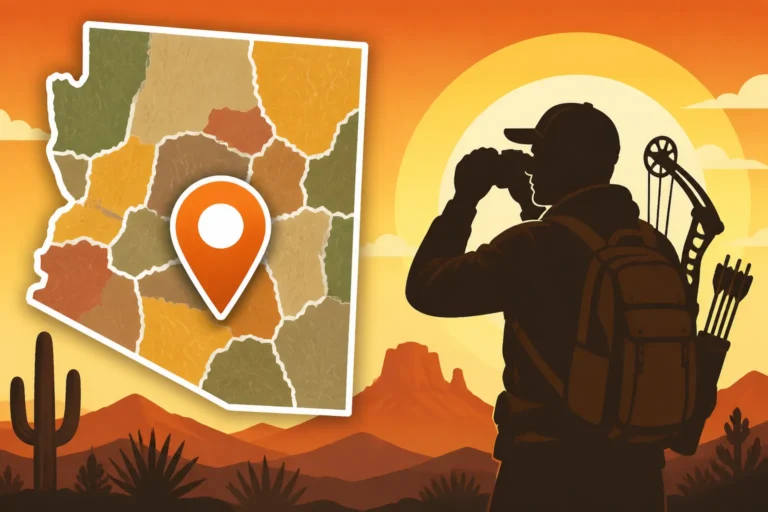
Arizona's land ownership can be incredibly fragmented, often described as a "checkerboard." This means that public BLM land might be surrounded or interspersed with private property or state trust land. This creates a significant challenge for hunters: even if you have a legal right to hunt a parcel of BLM, you might not have legal access to get to it if all surrounding land is private or restricted. This is often referred to as "landlocked" public land.
In such scenarios, you cannot trespass across private land to reach public land, no matter how short the distance. You must either find a legal public access point (a public road, a right-of-way, or another public land corridor) or secure permission from the private landowner. Many hunters underestimate this challenge, only discovering it once they're on the ground. Finding Landlocked Public Parcels is a major hurdle in many units, and it requires diligent e-scouting and map research. Some landowners might grant permission, while others might deny it or charge a trespass fee. It's always best to figure this out well in advance of your hunt, so you're not left scrambling or, worse, breaking the law.
Tools and Resources for Navigating BLM Land
Successfully hunting on Arizona's vast and often remote BLM lands requires more than just a good rifle or bow; it demands excellent navigational skills and access to reliable information. Without the right tools, these expansive areas can quickly become disorienting. Fortunately, we live in an age where technology can be a powerful ally in the field.
Digital Mapping and GPS
For most modern hunters, digital mapping applications are no longer a luxury but an absolute necessity, especially when navigating the complex land ownership patterns common on BLM lands. Brands like onX Hunt and GoHunt have revolutionized how hunters interact with maps. These apps provide a wealth of information at your fingertips, far beyond what traditional paper maps can offer:
- Land Ownership Layers: This is perhaps their most crucial feature. With a quick glance at your phone or GPS device, you can see exactly where BLM land starts and private, state trust, or other federal lands begin. This is invaluable for avoiding accidental trespass and confirming you are on legal hunting ground. Using onX Layers for Arizona Public Land is a topic in itself, but suffice to say, it saves countless headaches.
- Designated Routes and MVUMs: Many of these apps integrate Motor Vehicle Use Map (MVUM) data directly, showing you which roads are open to vehicles and where travel is restricted. This ensures you stay on legal routes and avoid fines.
- Topographical Maps and Satellite Imagery: High-resolution satellite views allow you to identify terrain features, water sources, and potential bedding or feeding areas. Coupled with topo maps, you can plan routes, identify hidden draws, and understand elevation changes.
- Waypoint and Track Recording: You can mark key locations like glassing spots, waterholes, camp locations, and even where you last saw an animal. Tracking your own path ensures you can retrace your steps, especially in unfamiliar or featureless terrain.
While these digital tools are incredibly powerful, they rely on battery life and signal availability. Always carry a backup power source, and don't become solely reliant on your phone.
Physical Maps and Official Resources
Despite the advances in digital mapping, never underestimate the value of old-school paper maps. They don't run out of battery, they don't lose signal, and they can be invaluable in a pinch. USGS topographic maps, BLM surface management maps, and Forest Service MVUMs (even printed versions of the digital ones) should always be part of your kit. Learning to read a compass in conjunction with these maps is a fundamental skill that every hunter, particularly those venturing into remote BLM areas, should master.
Additionally, official online resources are critical. The BLM website provides a wealth of information, including unit-specific maps, travel management plans, and notices of temporary closures. Similarly, the Arizona Game and Fish Department website is the definitive source for hunting regulations, season dates, and unit boundaries. E-Scouting an Arizona Unit Before the Season heavily relies on combining these digital and physical resources to form a comprehensive understanding of your chosen hunting area. Don't limit your research to just one source; cross-reference information to ensure accuracy.
Scouting and On-the-Ground Verification
No matter how many maps you pour over or how many hours you spend e-scouting, there is no substitute for boots on the ground. Satellite imagery can show you a potential game trail or a waterhole, but only an in-person visit will tell you if that trail is still active, if the waterhole is dry, or if that "hidden" draw is actually riddled with impenetrable thickets.
Pre-season scouting trips are invaluable for understanding the terrain, verifying access points, checking for fresh sign, and identifying potential camp locations. This is particularly true for BLM lands, which can look very different in person than they do on a flat screen. What appears to be an easy two-track on a map might be washed out by monsoon rains or completely overgrown. Use your scouting trips to confirm land ownership boundaries, note any potential access issues (like locked gates on adjacent private land), and familiarize yourself with the nuances of the area. This hands-on verification will significantly boost your confidence and increase your chances of a successful and legal hunt. Remember, How Arizona Numbers Its Hunting Units is critical for your map research, but seeing those units in person tells the real story.
Conclusion
Navigating the vast and diverse landscapes of Arizona for hunting is a privilege, and understanding the rules of the road – especially concerning BLM land – is paramount. From the "multiple use" mandate that guides how these lands are managed, to the critical importance of knowing your boundaries and respecting travel management plans, every aspect of BLM access demands your attention. While the freedom to explore these expansive public lands is a core part of the hunting experience, it’s a freedom that comes with significant responsibilities regarding environmental stewardship, ethical conduct, and adherence to both state and federal regulations. Equip yourself with the right digital and physical mapping tools, commit to the Leave No Trace principles, and always verify your access, and you’ll find that Arizona's BLM lands offer some of the most rewarding hunting opportunities in the West.
Disclaimer
This article is for general informational purposes only and does not constitute professional advice. Laws, prices and regulations vary by location and change over time. Consult a qualified professional for guidance on your specific situation.