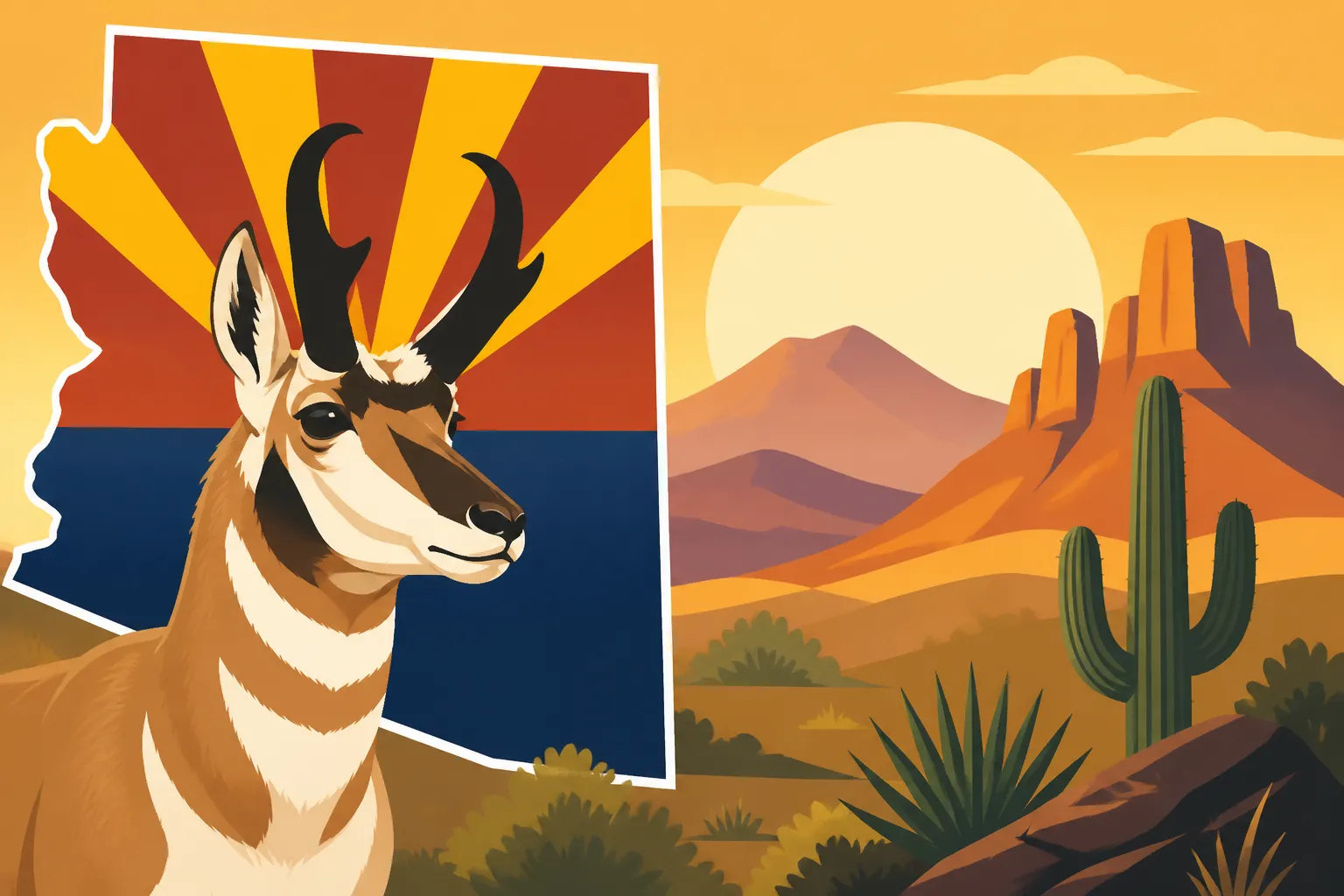
Arizona Pronghorn Season Dates
The thrill of chasing pronghorn across Arizona's vast, open country is something truly special, but let's be honest, figuring out the specific season dates and the whole draw process can feel like trying to solve a puzzle with half the pieces missing. It’s a common frustration, and one that often keeps would-be hunters from even applying. This guide is here to untangle that complexity, giving you a clear picture of when Arizona's pronghorn seasons typically run and what you need to know to be in the running for one of these coveted tags.
Understanding Arizona's Pronghorn Seasons and the Draw Process
Arizona's approach to big game seasons, especially for highly sought-after species like pronghorn, can be a real head-scratcher. Unlike some states where you might find over-the-counter options for certain game, pronghorn in Arizona are almost exclusively managed through a limited-entry draw system. This means you won't just walk into a sporting goods store and buy a tag; you'll need to participate in a lottery system, often years in the making with bonus points. The state really aims to manage herd health and provide quality hunting experiences, which translates to fewer tags but often better opportunities for those who draw.
The Elusive Arizona Pronghorn Hunt Codes
When you look at the Arizona Game and Fish Department (AZGFD) regulations, you'll see a series of hunt codes for pronghorn, each specifying a particular weapon type, a game management unit (GMU), and a very specific set of dates. This is where it can get confusing because "pronghorn season" isn't a single, statewide block of time. Instead, it's a patchwork of short, intense hunts tailored to individual units and weapon types. For instance, an archery hunt for pronghorn in Unit 10 might run for a week in late August, while a rifle hunt in Unit 1A could be a few days in early October. These codes are critical; they dictate everything from when you can hunt to what you can use. The rarity of these tags means that careful planning and a bit of luck are absolutely essential, and understanding these codes is your first step. It's not uncommon for hunters to pore over the details, trying to find the perfect combination that aligns with their preferred hunting style and available time off.
Key Application Deadlines for Pronghorn
If you’re dreaming of chasing pronghorn, the single most important thing to mark on your calendar is the application deadline. Arizona runs two main draw cycles annually. While elk and antelope (which includes pronghorn) share a deadline, they are part of the June draw cycle, distinct from the February deadline for deer, sheep, and bison. This means you need to get your application in for pronghorn, along with elk, no later than early June. I've seen countless folks miss out on years of accumulating bonus points or even a chance at a tag simply because they mixed up the deadlines or just forgot. It’s a gut-wrenching feeling to realize you missed your window for such an incredible opportunity. The AZGFD portal is where all this magic happens online, and setting up an account and familiarizing yourself with the process well in advance is a smart move. Many hunters use tools like GoHunt's "Insider" to keep track of these crucial dates and get reminders, ensuring they never miss an application window. You can learn more about this general application timeline by reading about Arizona Runs Two Draw Cycles, February and June and specifically for this species, check out The Arizona Elk and Antelope Application Deadline.
When Pronghorn Seasons Typically Fall
Generally speaking, Arizona's pronghorn seasons are concentrated in the late summer and early fall. You're usually looking at archery hunts starting in late August, followed by muzzleloader and rifle hunts through September and into early October. The specific timing within this window is incredibly important and can significantly impact your hunting strategy. For example, an early archery tag might put you in the field during the peak of the rut, offering exciting calling opportunities, but you'll also be battling the scorching Arizona heat. Later rifle tags might mean cooler weather but potentially more wary animals after earlier hunts have stirred them up. Each hunt code's dates are carefully chosen by AZGFD biologists to balance hunter opportunity with management goals, so pay close attention to those specific windows in the regulations. This general timing is a good starting point, but always double-check the current year's regulations for precise dates by hunt code. More details can be found on Arizona Pronghorn Season Timing.
A Closer Look at Pronghorn Season Types and Dates
The variation in season dates isn't just arbitrary; it's a strategic choice by the AZGFD to provide different hunting experiences and manage the harvest across various weapon types. Each method — archery, muzzleloader, and rifle — offers a distinct set of challenges and rewards, and their respective season windows reflect that.
Archery Pronghorn Season Details
Archery pronghorn seasons typically kick off first, often in the last week of August. This timing puts bowhunters in the field during some of Arizona's hottest weather, but it also coincides beautifully with the early stages of the pronghorn rut. For a bowhunter, this can be both a blessing and a curse. Stalking a pronghorn in wide-open country with minimal cover is an extreme challenge, demanding exceptional patience, camouflage, and often, the use of ground blinds or decoy tactics. Imagine lying prone in 100-degree heat for hours, waiting for an opportunity. It's not for the faint of heart, but the reward of connecting with a speed goat with a bow is unparalleled. These early seasons are often very short, perhaps only 7-10 days, making every moment in the field precious. Success in these hunts often hinges on being able to endure the elements and master the subtle art of the approach.
Muzzleloader and Rifle Pronghorn Season Windows
Following the archery hunts, muzzleloader and rifle seasons typically take over, generally running from mid-September through the first couple weeks of October. Muzzleloader hunts often fall into a narrow window in mid-September, offering a unique blend of challenge and increased range compared to archery. You still need to get relatively close, but the greater effective distance can be a huge advantage in open terrain. Rifle seasons are generally the most popular and thus the hardest to draw, often occurring in late September or early October. These hunts are usually even shorter than archery or muzzleloader, sometimes just a few days, emphasizing the "one shot, one opportunity" mentality. With a rifle, you're able to engage pronghorn at longer distances, which is often necessary given their incredible eyesight and tendency to live in expansive, treeless environments. However, don't let the range fool you into thinking it's easy; pronghorn are incredibly wary, and the pressure from previous hunts can make them even more difficult to approach. It's crucial to have your rifle perfectly sighted in for those longer shots in the open desert, perhaps by reviewing best practices for Rifle Zero Distance for Open Desert.
The Impact of the Rut on Season Timing
The timing of the pronghorn rut, generally peaking from late August through mid-September, plays a significant role in how these seasons are structured and how hunters approach them. Many hunters desperately try to draw a tag that coincides with the rut, as it often means bucks are more preoccupied with breeding and territorial defense, potentially making them less cautious or more responsive to calling. This can create exciting opportunities for archers using decoys, as a buck might charge in to challenge what he perceives as a rival. For rifle hunters, catching the rut can mean more visible activity and bucks chasing does, which can make locating them easier, but also means they might be constantly on the move. Understanding when the pronghorn rut actually starts and how it progresses is key to maximizing your chances, regardless of your weapon choice. Each hunt code's specific dates are released annually, so always consult the current Arizona Game and Fish Department regulations for the most up-to-date information.
Navigating the Draw and Maximizing Your Chances
Drawing an Arizona pronghorn tag is often considered one of the holy grails for many Western hunters. It requires patience, strategy, and a good understanding of the state's complex bonus point system. It’s easy to get discouraged by the low draw odds, but with a consistent approach, you can certainly improve your chances over time.
Understanding Bonus Points for Pronghorn
Arizona's bonus point system is paramount for anyone hoping to draw a pronghorn tag. Essentially, every year you apply for a species and are unsuccessful in drawing a tag, you earn a bonus point for that species. These points essentially give you extra "tickets" in the draw. The more points you have, the better your odds. You can also gain an initial bonus point by completing The Permanent Arizona Point From Hunter Education course or The Ethically Hunting Arizona Course Earns a Permanent Point. It's a long game, often taking many years to accumulate enough points to have a realistic chance at a prime unit. This system means that even if you don't hunt every year, consistently applying for a point is a smart play to build your equity. Earning an Arizona Point by Applying is the most common way, and it’s a critical part of the process for anyone serious about hunting pronghorn in Arizona. Remember, points are species-specific, so your elk points won't help you draw a pronghorn tag!
Researching Draw Odds and Unit Choices
Once you understand the bonus point system, the next logical step is to dive deep into draw odds and unit selection. This is where tools and research become your best friends. The AZGFD publishes draw reports each year, showing how many applicants applied for each hunt code, how many points the successful applicants had, and the overall success rates. This data is invaluable for making informed decisions. Websites like GoHunt's "Insider" take this data and present it in user-friendly formats, often with predictive analytics, helping you understand which units might be more attainable with your current point level. You can really get into the weeds here, looking at public land percentages, access, and historical harvest data for specific units. For instance, some of the units on Pronghorn on the Northern Grasslands might have higher point requirements but also offer incredible trophy potential. It’s a delicate balance between applying for a unit you have a realistic chance of drawing and a unit that offers the experience you desire. A great place to start your research is by learning how to go about Checking Arizona Draw Odds Before You Apply.
Preparing for Your Arizona Pronghorn Hunt
Let's say you beat the odds and drew that coveted pronghorn tag – congratulations! Now the real work begins. Hunting pronghorn in Arizona is a unique experience that demands specific preparation. Physically, you need to be ready to cover significant ground, often in challenging conditions. The terrain for pronghorn is typically wide-open grasslands or high desert, which means long walks, lots of glassing, and potentially long stalks. Mentally, you need patience; these animals have incredible eyesight and can spot movement from astonishing distances.
Your gear setup is also crucial. High-quality optics are not just recommended, they are essential. A good pair of binoculars on a tripod and a powerful spotting scope will be your primary tools for locating animals. Consider how important Optics Power for Arizona's Long Desert Sightlines can be when trying to spot and judge a buck across vast expanses. You'll spend hours behind the glass, meticulously scanning the landscape. Learning to Field Judging a Pronghorn Buck From Distance is a skill that takes practice. Hydration is key, especially for early season hunts. Beyond that, comfortable, quiet clothing that blends into the arid landscape, and sturdy boots for covering miles, are critical. Pre-scouting, either in person or using satellite imagery and mapping apps, can give you a significant advantage, helping you identify potential water sources, travel corridors, and bedding areas before your hunt even begins.
Arizona Pronghorn Season Dates: A Typical Overview
Below is a general overview of when Arizona pronghorn seasons typically occur. Please remember that these are illustrative ranges and actual dates will vary by specific hunt code and year. Always consult the current year's Arizona Game and Fish Department hunting regulations for precise dates before applying.
| Weapon Type | Typical Season Start | Typical Season End | General Description |
|---|---|---|---|
| Archery | Late August | Early September | Often coincides with the early rut. Challenging due to heat and open terrain. Requires extreme patience and cunning for stalks or blinds. |
| Muzzleloader | Mid-September | Late September | A good middle-ground offering increased range over archery but still requiring a more traditional hunting approach. Often a narrow window. |
| Rifle | Late September | Early October | Most popular and hardest to draw. Shorter seasons (often 3-5 days). Offers longer range shots but animals can be wary from previous hunts and pressure. |
Disclaimer
Please be aware that hunting regulations, season dates, and application procedures are subject to change. This guide provides general information based on typical patterns. Always consult the most current Arizona Game and Fish Department official regulations for precise dates, rules, and application requirements before planning any hunt. The author and publisher are not responsible for any errors or omissions.