Baiting Rules That Apply to Arizona Bears
Hunting black bears in Arizona offers an incredible challenge, pitting a hunter's skill and patience against one of the desert's most elusive big game animals. But unlike some other states, the rules around attracting bears can be a real head-scratcher, leaving many new or even experienced hunters wondering what's truly allowed. This guide is here to untangle the complexities of Arizona's baiting regulations specifically for bears, ensuring you stay on the right side of ethical hunting and the law.
Understanding Arizona's General Baiting Prohibitions
Arizona Game and Fish Department (AZGFD) takes a pretty firm stance on baiting for most big game animals, and bears are definitely included in that. It's not just about what you can't put out, but also about the spirit of fair chase that guides hunting regulations in the state. Many hunters often confuse baiting with using attractants, or they wonder if a forgotten snack in a hunting blind could land them in trouble. Let's break down the foundational principles.
What Constitutes "Bait" in Arizona?
The Arizona hunting regulations define bait as "placing, exposing, depositing, distributing, or scattering salt, minerals, grain, scent, or other feed or attractants that entice or lure wildlife." This isn't just limited to food items; it can include anything intended to draw an animal to a specific location. Imagine a hunter leaving a pile of apples or even a salt block out in a known bear travel corridor – that's a clear violation. The intent behind placing the item is key here. If it's designed to bring an animal closer for an easier shot, it's considered baiting.
This definition is intentionally broad to prevent loopholes. It means you can't just switch from donuts to a commercial attractant and call it legal. The core idea is to ensure animals are hunted based on their natural movements and patterns, not on manufactured temptation. It's a fundamental part of maintaining the integrity of the hunt and respecting the animal.
The Fair Chase Ethos and Why It Matters
Fair chase is more than just a buzzword; it's a deeply ingrained ethical principle in hunting. It dictates that hunters should not have an unfair advantage over the animal they pursue. Baiting, for most big game species including bear, is seen as directly violating this principle because it manipulates an animal's natural behavior by habituating them to human-provided food sources. This can create an unnatural dependency and can also make bears more prone to human-wildlife conflicts outside of hunting season.
The idea is to give the animal a reasonable chance to escape and for the hunter to demonstrate skill in tracking, stalking, and understanding the animal's behavior. Relying on bait can diminish the challenge and, in the eyes of many, the ethical value of the hunt. This commitment to fair chase is why you see regulations like Baiting Rules That Apply in Arizona across many species, not just bear. It's about preserving the wild character of the pursuit.
Specific Rules for Bear Hunting and Baiting
When it comes to bears, Arizona is quite clear: baiting is generally not allowed. This is a crucial distinction that every bear hunter, whether resident or nonresident, needs to understand before heading into the field. There are very few exceptions, and misunderstanding them can lead to serious consequences.
The General Prohibition Against Baiting Bears
The regulations explicitly state that it is unlawful to hunt bear by aid of bait. This means any attempt to attract a bear using food, scent, or any other lure for the purpose of hunting it is prohibited. This extends beyond just putting out a pile of goodies. It includes:
- Food sources: No donuts, dog food, corn, apples, meat scraps, or any other edible items.
- Scent attractants: While certain scents might be used for other species or for scouting, if the intent is to lure a bear for hunting purposes, it falls under the baiting prohibition. This can be a grey area for some, but the key is intent and whether the substance is designed to entice the animal to a specific spot.
- Minerals/Salt: Even though bears might naturally be attracted to mineral licks, placing these specifically to hunt bears would be considered baiting.
The rule aims to prevent hunters from essentially "setting a trap" where a bear comes to a predictable location, making it an easy target. This helps maintain the challenge of bear hunting and minimizes any potential for negative human-bear interactions that might arise from habituating bears to artificial food sources.
Defining What Is Not Considered Baiting
It’s just as important to understand what is not considered baiting, as this is where many hunters find their confusion. Arizona regulations are careful to differentiate between active baiting and certain legitimate hunting practices or conditions.
A hunter might legally use calls to mimic bear sounds, whether it's a cub in distress or another bear. Scent lures, if used sparingly and in a manner that doesn't concentrate animals or provide a food source, might be acceptable for general scouting or cover scents, but again, the primary intention for bear hunting cannot be to lure with attractants that fall under the "bait" definition. The rule specifically targets the placement of items to entice or lure.
For example, tracking a bear that naturally wanders into an orchard and feeds on fallen fruit is not baiting. The fruit was not placed by the hunter with the intent to lure the bear for hunting. The distinction hinges on the hunter's actions and intent. If you're relying on tools like GoHunt to research units, it's crucial to cross-reference their detailed maps with AZGFD regulations to ensure you're not inadvertently hunting near areas that could be misconstrued as baiting locations.
Here's a quick reference table to help clarify:
| Action / Item | Legal for Bear Hunting? | Explanation |
|---|---|---|
| Placing donuts, corn, or dog food | No | Explicitly prohibited bait. |
| Using a commercial food attractant | No | Falls under "other feed or attractants that entice." |
| Scattering minerals or salt | No | Considered baiting if intended to lure bears for hunting. |
| Using a distress call or bear vocalization | Yes | Mimics natural sounds, not providing a physical attractant or food source. |
| Using a cover scent on your clothing | Yes | Designed to mask human odor, not lure game. |
| Hunting near a natural berry patch | Yes | Bears are feeding on naturally occurring food, not placed by the hunter. |
| Leaving food scraps in a hunting blind | No (potentially) | Can still be considered bait if it lures a bear, regardless of intent. Remove all food and trash. |
It’s always best to err on the side of caution. If there's any doubt about whether something could be interpreted as baiting, don't do it.
Why These Rules Matter: Ethics, Fair Chase, and Enforcement
These strict baiting rules for bears aren't arbitrary; they're rooted in decades of wildlife management philosophy, ethical considerations, and practical enforcement challenges. They play a significant role in how Arizona manages its black bear population and ensures a sustainable future for hunting.
Preventing Unethical Hunting Practices
The core purpose of the anti-baiting rule is to uphold ethical hunting standards. When bait is used, it can diminish the skill and challenge inherent in hunting. A baited bear often becomes habituated to a specific food source, making it predictable and potentially less wary of humans. This can strip away the elements of tracking, understanding animal behavior, and keen observation that define fair chase. Hunters are expected to learn about the bear's natural habitat, movements, and food sources, and then use that knowledge to ethically pursue their quarry. It promotes a deeper connection to the landscape and the animal.
Moreover, baiting can lead to higher harvest rates that might not be sustainable for local bear populations. AZGFD monitors bear populations closely, and ensuring ethical harvest methods is part of that management strategy. These rules help maintain a perception of hunting as a respectful, challenging outdoor pursuit, which is vital for its continued public acceptance.
Wildlife Management Implications
From a wildlife management perspective, baiting can have several negative consequences. One major concern is the potential for increased human-bear conflicts. Bears that become accustomed to finding food from human sources can lose their natural fear of people, leading them to frequent campsites, rural homes, and even urban areas. This often results in property damage, dangerous encounters, and unfortunately, the need to euthanize "problem bears." The regulations help prevent the creation of these food-conditioned bears.
Baiting also has the potential to alter natural bear distribution patterns, concentrating animals in areas they wouldn't normally frequent. This can increase disease transmission among bears and other wildlife that might visit bait sites. It can also throw off population estimates and management strategies that rely on natural habitat use. For example, knowing the Black Bear Population Estimate Explained in a certain unit helps AZGFD set tag numbers, and artificial attractants can skew natural movement data.
Penalties for Violating Baiting Regulations
Violating Arizona's baiting laws for bears is a serious offense, and the penalties can be severe. Hunters found guilty of baiting can face substantial fines, forfeiture of their harvested animal and equipment, and the suspension of their hunting privileges for a significant period. In some cases, depending on the severity and other accompanying violations, it could even lead to jail time. Arizona Game and Fish officers are vigilant, and they use various methods to enforce these regulations.
Beyond the legal ramifications, there's also the profound impact on a hunter's reputation and the broader hunting community. Ethical violations cast a shadow over all hunters and can fuel negative public perception. Therefore, understanding and strictly adhering to these rules is not just about avoiding punishment, but about upholding the integrity of hunting itself. If you're ever in doubt, refer to the official AZGFD regulations or contact the department directly.
Navigating Baiting Regulations and Scouting Effectively
So, if you can't bait, how do you successfully hunt bears in Arizona? It comes down to diligent scouting, understanding bear behavior, and utilizing legal, ethical hunting methods. It’s a rewarding challenge that many Arizona hunters embrace, turning regulatory constraints into opportunities for deeper woodsman skills.
Legal Alternatives to Baiting for Bear Hunting
There are numerous effective and legal ways to hunt bears in Arizona that align with fair chase principles.
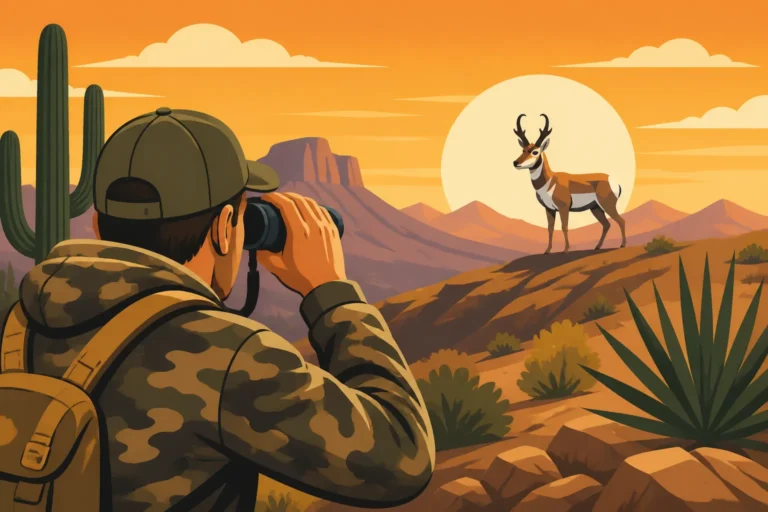
- Spot and Stalk: This is perhaps the most common and successful method for bear hunting in Arizona. Bears often prefer dense cover, but they will venture into open areas like clear-cuts, mountain meadows, or canyon bottoms to feed, especially during dawn and dusk. Hunters spend hours glassing vast landscapes, using high-quality optics to locate bears feeding or moving. Once a bear is spotted, a careful stalk begins, often covering significant distances in challenging terrain. This method rewards patience, keen eyesight, and physical conditioning. If you're using tools like GoHunt to study terrain and access points, you'll be well-prepared for these long-distance spotting opportunities.
- Calling: Bears are curious and opportunistic. Using distress calls, especially fawn or rabbit in distress calls, can sometimes draw in a bear looking for an easy meal. Bear vocalizations can also work, though they require a bit more understanding of bear behavior. This method requires excellent concealment and an understanding of wind direction, as bears have an incredible sense of smell.
- Hunting Over Natural Food Sources: While you cannot place food, you can certainly hunt areas rich in natural bear foods. In spring, bears might be found on green-up slopes or near winter-killed carcasses. In late summer and fall, they'll concentrate around oak thickets for acorns, manzanita, or prickly pear patches, depending on the unit. Knowing How Monsoon Rain Affects Antler Growth also applies to forage, influencing where bears will find abundant food. Careful preseason scouting can reveal these crucial feeding areas.
Essential Scouting Tips for Arizona Bear Hunters
Effective scouting is paramount when baiting is not an option. It's about putting in the time and effort before the season even begins to locate areas where bears are naturally active.
- E-Scouting with Technology: Before you even set foot in the field, use satellite imagery and topographical maps to identify potential bear habitat. Look for areas with dense cover, north-facing slopes (where vegetation stays greener longer), natural water sources, and areas with known food sources like oak brush or fruit trees. Platforms like GoHunt provide invaluable map layers that can help you pinpoint these promising locations. Pay attention to features that would provide bedding areas, travel corridors, and escape routes for bears. E-Scouting an Arizona Unit Before the Season is an excellent way to narrow down your focus.
- Boots-on-the-Ground Scouting: Nothing beats firsthand knowledge. Hike into those promising areas you identified during e-scouting. Look for fresh bear sign: tracks (especially around water sources), scat, rubbed trees (bears often mark trees), and overturned rocks or logs where they've been foraging for insects. Note the availability of natural food sources like berries, acorns, or prickly pear fruit.
- Reading the Terrain: Bears are creatures of habit and efficiency. They'll use washes, game trails, and dense cover for travel. Look for pinch points, saddles, and drainages that funnel wildlife. Understanding the elevation and vegetation changes in a unit, as discussed in Reading a Unit Before You Ever Walk It, is critical. Bears will often move between higher elevation bedding areas and lower elevation feeding grounds.
- Monitoring Water Sources: In Arizona's often dry environment, water sources are magnets for all wildlife, including bears. During dry periods, bears will concentrate around natural springs, stock tanks, and riparian areas. While you can't place bait near these, you can certainly scout and hunt nearby, being mindful of wind direction and fair chase.
By focusing on these legal and ethical strategies, Arizona bear hunters can experience a deeply rewarding pursuit that honors the animal and the spirit of fair chase, all while staying compliant with the state's important regulations.
Disclaimer
This article is for general informational purposes only and does not constitute professional advice. Laws, prices and regulations vary by location and change over time. Consult a qualified professional for guidance on your specific situation.