Why Arizona Treats the Two Bighorns Separately
Arizona manages Desert Bighorn and Rocky Mountain Bighorn sheep separately because of distinct biology and conservation needs.
Know what you’re after.
Big game, small game, upland birds, and waterfowl — identification, behavior, rut and migration timing, and how each species moves through the season.
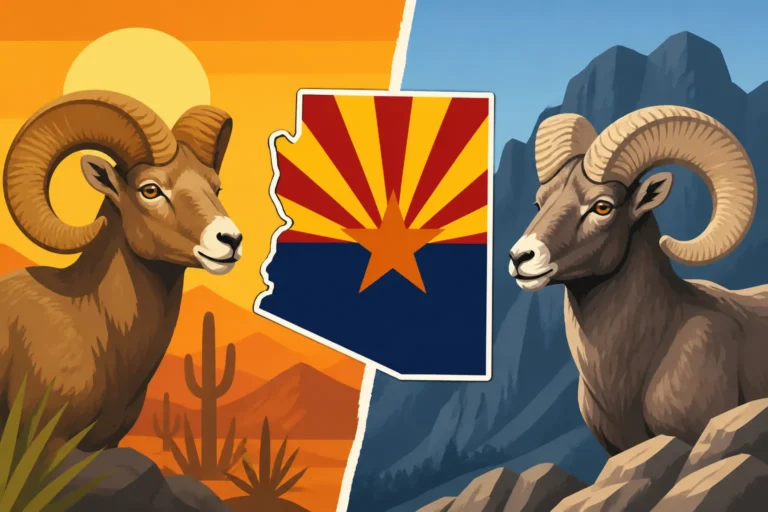
Arizona manages Desert Bighorn and Rocky Mountain Bighorn sheep separately because of distinct biology and conservation needs.
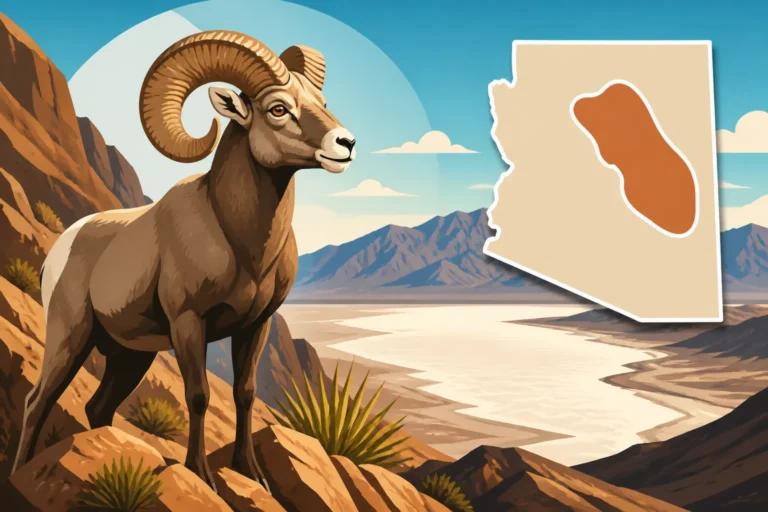
Arizona Rocky Mountain bighorn sheep inhabit the Salt River corridor, featuring steep canyons and reliable water sources.
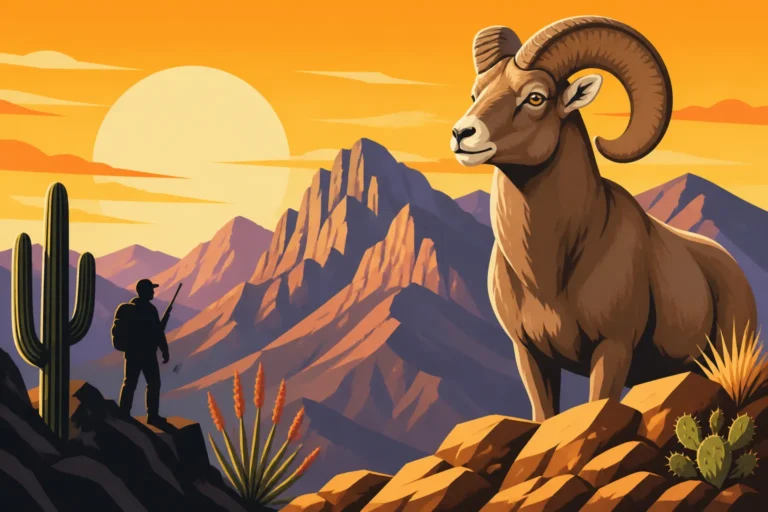
Arizona desert bighorn sheep inhabit steep, rocky mountain ranges, relying on vertical escape terrain and scarce water sources.

Arizona javelina harvest success rates, calculated by dividing harvested animals by issued tags, explained with official data.
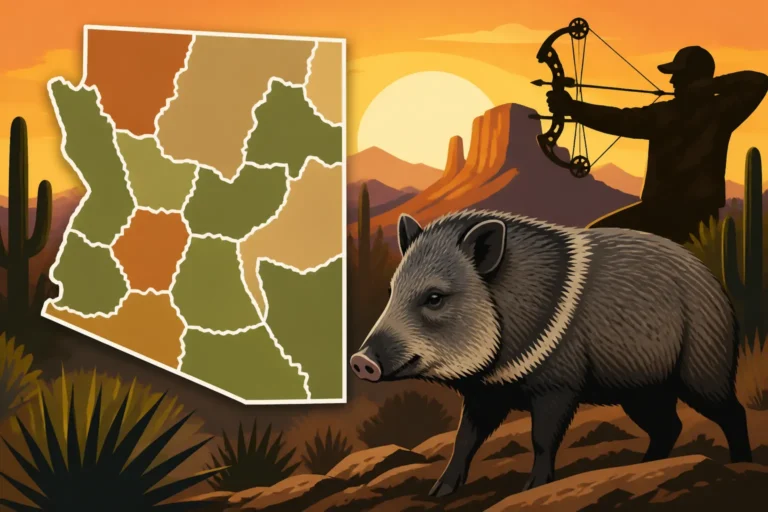
Archery javelina hunting in Arizona requires locating specific desert habitats, prickly pear cactus food sources, and water supplies.

Arizona hunters learn how proper field care and precise skinning remove the musky scent to make javelina meat delicious.
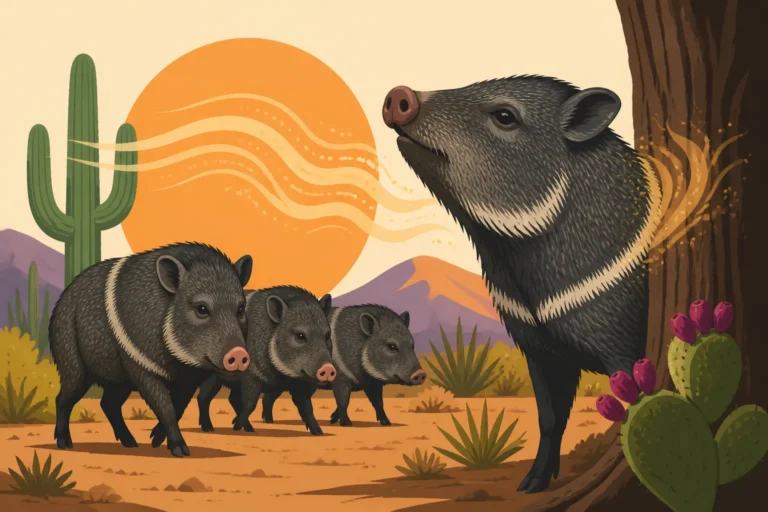
Javelina scent communication involves specialized dorsal, preorbital, pedal, and mouth glands that manage herds and territories in Arizona.
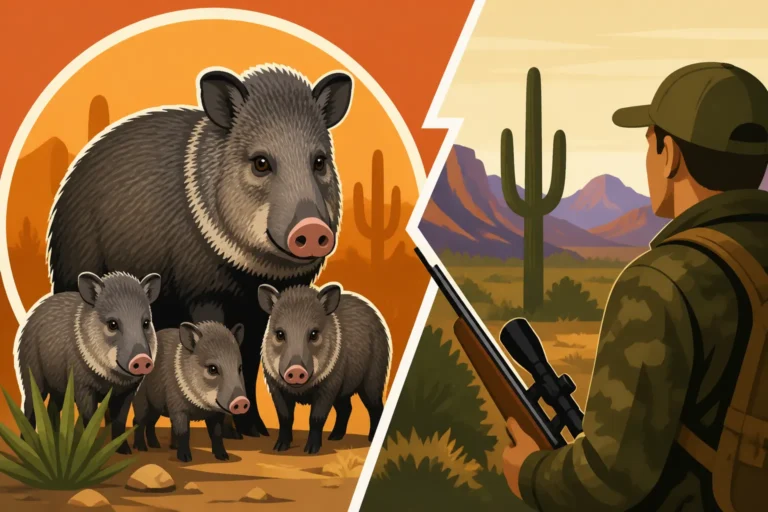
Javelina belong to the peccary family rather than the pig family, revealing unique evolutionary traits and anatomical differences.
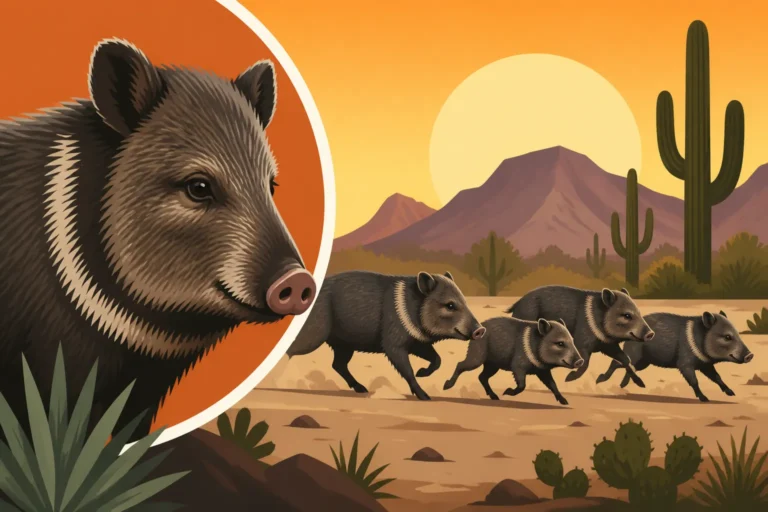
Javelina herd sizes in Arizona typically range from five to fifteen individuals, influenced by habitat quality and food availability.
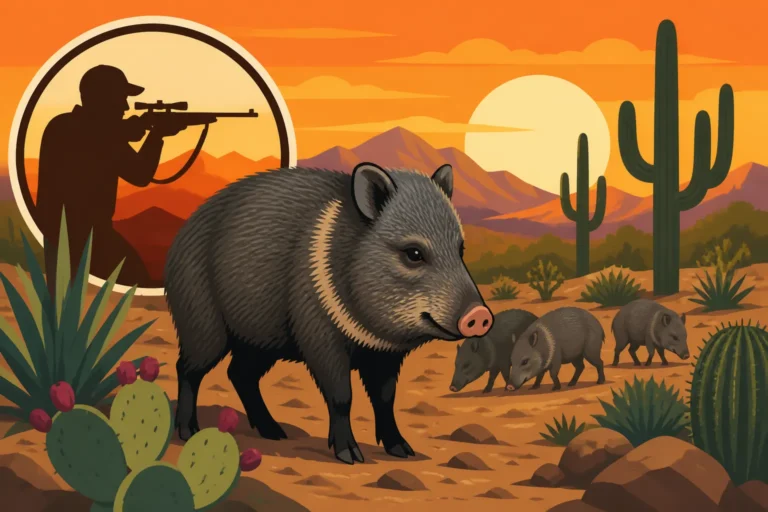
Javelina inhabit southern Arizona deserts, concentrating near mountain ranges, washes, and canyons across Tucson and Phoenix.