How Many Javelina Run in a Herd
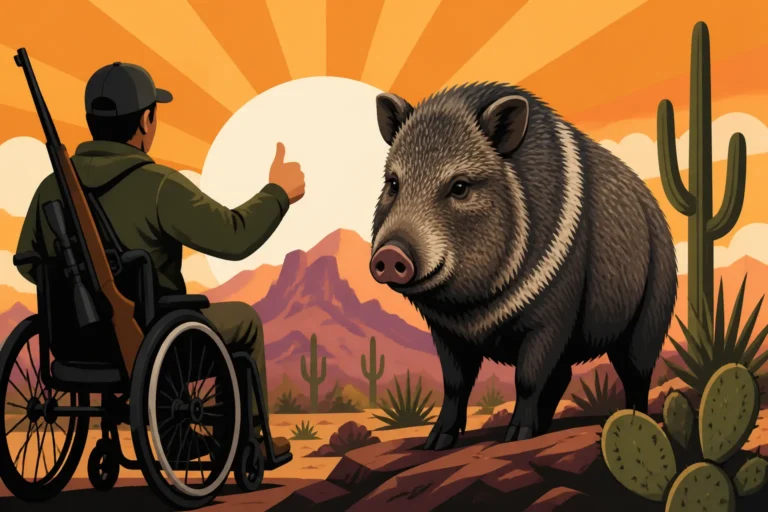
One of the most common frustrations Arizona hunters face when pursuing javelina is simply finding them. These "desert pigs" can be incredibly elusive, disappearing into dense prickly pear or navigating rocky washes like ghosts. Understanding how many javelina run in a herd is absolutely crucial, because it directly impacts your scouting, stalking, and calling strategies, turning frustrating days into successful hunts. This guide will dive deep into the social dynamics of javelina, helping you anticipate their movements and increase your odds of a successful harvest.
Understanding Javelina Herd Dynamics in Arizona
Javelina, or collared peccaries, are inherently social animals. They live, forage, and even sleep together in family groups, which is a key behavioral trait that any hunter serious about pursuing them needs to understand. Unlike solitary creatures that might offer a single target, javelina present a collective challenge and opportunity.
The Typical Size of a Javelina Herd
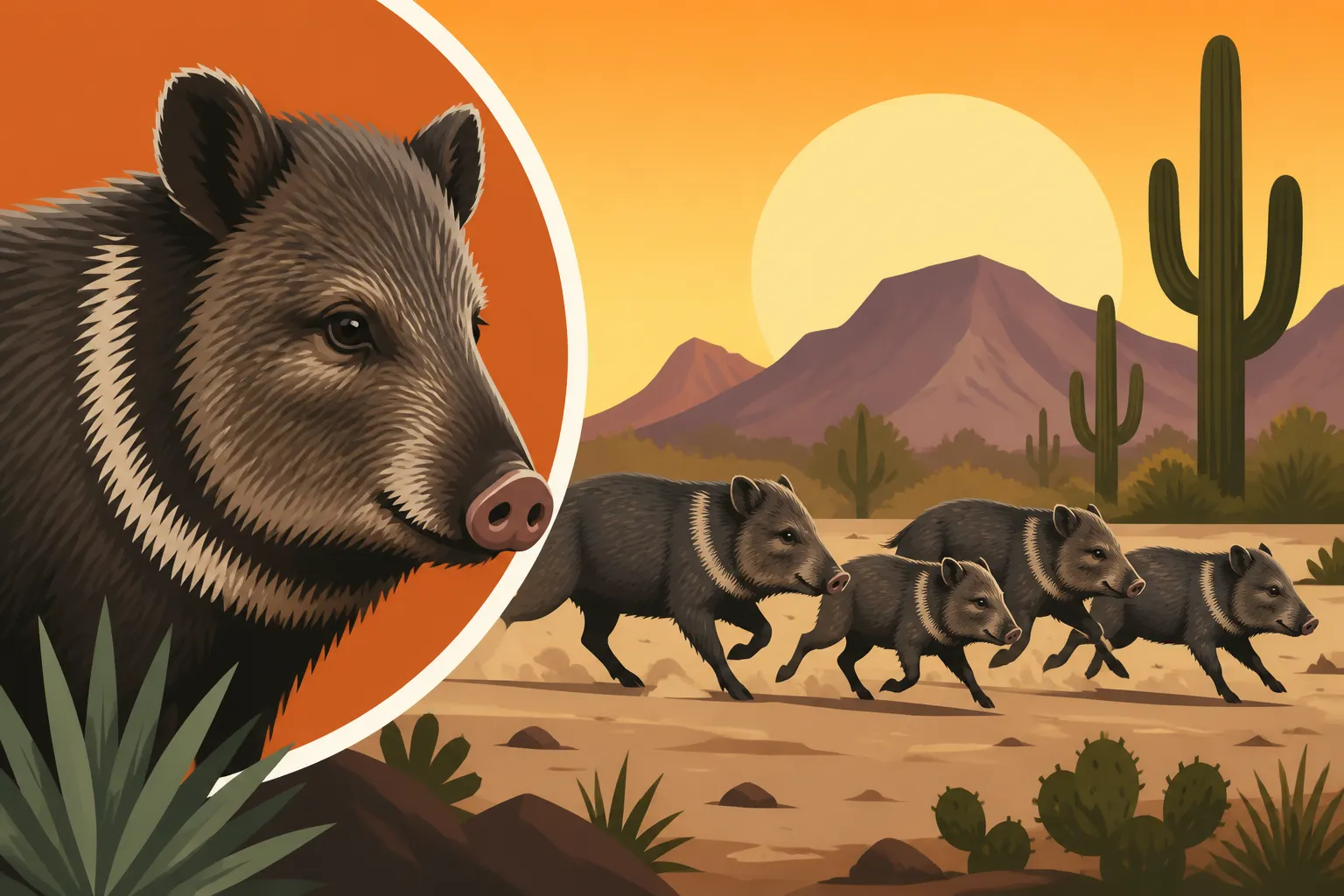
When you're out in the Arizona desert, glassing those brushy hillsides, you're usually looking for movement, not a single animal. Javelina herds typically range from 5 to 15 individuals, though you might occasionally spot smaller bachelor groups or larger congregations of 20 or more if conditions are particularly good, like a lush monsoon season leading to abundant food. This core group size provides a balance between safety in numbers and the ability to forage efficiently without completely depleting a small area. Think about a typical family outing – it's often more than just a couple, but not usually a whole extended family reunion every day.
They stick together for warmth during chilly desert nights, for defense against predators like mountain lions and coyotes, and for raising their young. This strong social bond means that if you find one javelina, there are almost certainly more nearby. It's a huge advantage for hunters because it gives you a bigger target area once you've located a group. Imagine seeing one javelina dart into a wash; instead of giving up, you know to focus your efforts on that general area, meticulously searching for the rest of the herd.
Their social structure is quite fascinating. There’s often an older, dominant sow leading the group, making decisions about where to feed and bed. Other members, including younger animals and boars, follow her lead. This hierarchy means that disrupting one member can affect the entire group's behavior. For instance, if you spook the lead sow, the whole herd might scatter, making it incredibly difficult to regroup them. Recognizing this social cohesion helps you approach with more caution and consideration, aiming to not just see a javelina, but to observe the entire herd before making your move.
Factors Influencing Herd Size
The size of a javelina herd isn't static; it's a dynamic reflection of their environment. Habitat quality plays a huge role. Areas with plentiful food sources, like mesquite beans, prickly pear, and various roots and tubers, can support larger, more robust herds. Conversely, in harsher, more barren landscapes, you're more likely to encounter smaller groups that are spread out, simply because the land can't sustain a dense concentration of animals. Water availability, too, is paramount in the arid Arizona landscape. When natural water sources are scarce, javelina will congregate around reliable stock tanks or natural springs, which can artificially inflate the "apparent" herd size in a small area. This makes Hunting a Stock Tank During Early Archery an excellent strategy.
Predation pressure is another significant factor. In areas with high populations of mountain lions or coyotes, javelina herds might be larger to offer more eyes and ears for detecting danger. There's safety in numbers, after all. A larger herd has a better chance of deterring a single predator or confusing it during a chase, allowing more individuals to escape. This is a survival mechanism that drives their social grouping. If you're hunting in an area known for strong predator populations, expect the javelina to be particularly vigilant and likely to stick together more tightly.
Lastly, the overall javelina population density in a particular Game Management Unit can affect observed herd sizes. Some units are simply "javelina factories," with abundant food and cover, leading to higher populations and larger average herd sizes. Other units, due to past droughts, habitat loss, or other factors, might have lower densities, resulting in fewer and smaller herds. When you're scouting, using resources like GoHunt to look at historical harvest data or population trends in specific units can give you a better idea of what to expect. A unit that consistently produces many javelina might suggest larger, more stable herds are present.
Behavioral Implications of Herd Size for Hunters
The size of a javelina herd has direct implications for your hunting strategy. Larger herds, while offering more targets, are also more difficult to approach undetected. With more eyes, ears, and noses (and their famously poor eyesight but excellent sense of smell), the chances of a member of the herd picking up on your presence increase dramatically. Picture trying to sneak up on a party of 15 people talking and moving around versus trying to sneak up on 5; the odds are stacked against you. You might need to extend your stalk, be even more mindful of the wind, and move at a snail's pace, often taking several hours to close the distance on a feeding group.
Smaller groups, paradoxically, can be even more elusive. While there are fewer animals to potentially spot you, these smaller units often move with a heightened sense of caution, perhaps because they lack the full protection of a larger herd. They might stick to thicker cover or move more quickly and unpredictably. A small herd of 3-5 javelina can vanish into a cholla thicket or a rocky wash with incredible speed, making them incredibly frustrating to track. You might think you have them pinned down, only for them to evaporate into the landscape. This is where your knowledge of Tracking Arizona Javelina Through Prickly Pear becomes invaluable.
One of the most critical behavioral aspects linked to herd size is their incredible use of scent, specifically the dorsal gland. Javelina use this gland to mark their territory, rub on each other for cohesion, and signal alarm. How Javelina Use Scent to Communicate is fascinating to observe. In a larger herd, this scent communication is constant, reinforcing their bond and making them more aware of each other's presence. If one javelina detects danger and emits an alarm scent or bristles its dorsal gland, the entire herd can pick up on it instantly, even if they haven't seen or heard the threat directly. This means that a subtle change in wind direction or an unintended crunch of a dry branch can turn a promising stalk into a chaotic scramble as the entire herd bolts, leaving you standing alone in the desert dust.
Locating Javelina Herds in Arizona's Diverse Terrains
Finding javelina isn't just about covering ground; it's about understanding their preferred habitats and knowing what signs to look for. Arizona's desert landscape can seem vast and empty, but certain areas consistently hold these secretive animals.
Reading the Landscape for Javelina Sign
Javelina are creatures of comfort, and their comfort often lies in dense, thorny vegetation. Think mesquite bosques, thick stands of prickly pear cactus, and saguaro forests mixed with palo verde. These areas provide both food and crucial escape cover from predators and the harsh desert sun. When you're scouting, actively look for these types of habitat. If a hillside is open and sparse, it's less likely to hold javelina than a neighboring slope choked with brush. This doesn't mean they won't traverse open areas, but their home base will almost always be in the thick stuff.
Once you're in promising habitat, it's time to become a detective. Javelina are voracious rooters, using their strong snouts to dig for bulbs, tubers, and insect larvae. Look for "rooted up" patches of dirt, especially after recent rains when the ground is softer. These rooting signs are clear indicators that javelina have been active in the area. Scat, resembling small, dark pellets, can also give away their presence and tell you how recent their activity was. Fresh scat is moist and dark, while older scat will be dry and faded. Tracks, though often difficult to discern in rocky ground, can be found in sandy washes or near water sources. They have a distinctive two-toed print, smaller and more rounded than a deer's.
Beyond rooting and tracks, try to identify potential bedding areas and travel corridors. Javelina often bed down in dense thickets, under the shade of a mesquite tree, or in shallow depressions. Look for flattened vegetation or even the distinct musky odor they emit, especially on still mornings. Travel corridors are often washes, dry creek beds, or natural game trails that wind through dense brush. These pathways offer them concealment and an easy route from bedding areas to feeding grounds or water sources. Imagine a small game trail disappearing into a canyon; this is exactly the kind of natural highway a javelina herd will use day after day.
Water Sources and Herd Concentrations
In the arid Arizona desert, water is life, and javelina are no exception. They can survive for periods on the moisture from cactus and other plants, but reliable water sources are magnets, especially during the hotter months or extended dry spells. Stock tanks, these man-made depressions designed to hold water for livestock, are absolute goldmines for javelina hunters. They provide a predictable spot for herds to visit, often multiple times a day. If you can locate a few stock tanks in a promising unit, you've significantly narrowed down your search area. This is a prime example of where Finding Water in Arizona's Dry Country can pay off big time.
Ephemeral water sources, those temporary puddles or seeps that appear after a rain, can also attract javelina, but they are far less reliable. While a recent monsoon storm might create temporary pools, javelina will quickly revert to more permanent sources once those dry up. Focus your scouting efforts on perennial water, or at least sources known to hold water for extended periods. When you're looking at a map, whether it's a paper topo or an app like GoHunt, actively seek out these blue dots or shaded areas indicating water.
The impact of drought on water-seeking behavior is profound. During prolonged dry periods, javelina will become even more concentrated around the few remaining water sources. This can make them easier to locate, but also more vulnerable and potentially more wary due to increased competition or predator activity. I've seen firsthand how a small, trickling spring can hold multiple herds of javelina during a hot summer. Conversely, during a wet year, they might be more dispersed, as temporary water allows them to spread out and exploit new feeding grounds. Understanding these seasonal shifts in behavior is key to adapting your strategy throughout the Year-Round Archery Javelina in Arizona opportunity.
Using Optics and Technology to Pinpoint Herds
When it comes to finding javelina in Arizona's expansive terrain, your eyes, backed by quality optics, are your most powerful tools. Glassing, the art of systematically scanning the landscape with binoculars or a spotting scope, is paramount. Javelina are small, often blending seamlessly into the desert brush. You're not necessarily looking for the whole animal, but for a patch of dark hair, a twitch of an ear, or subtle movement against a static background. Setting up on a high vantage point at first light or last light, and slowly picking apart brushy hillsides with good binoculars (10x or 12x are excellent) is an extremely effective way to locate herds.
Spotting scopes can be especially useful for confirming what you see with binoculars and for evaluating the size and composition of a distant herd before you commit to a stalk. Imagine picking up a distant dark blob that might be a rock, but through the spotting scope, you confirm it's a javelina, and then another, and another—revealing a herd of eight feeding slowly up a draw. That's invaluable information that saves you wasted stalks.
Modern technology, specifically mapping applications like the ones available through GoHunt, has revolutionized how we scout and locate game. These apps allow you to e-scout a unit from home, identifying potential javelina habitat, water sources, and travel corridors before you ever set foot in the field. You can mark areas of interest, potential glassing knobs, and even plan your routes to account for wind direction. Layering satellite imagery with topographic maps can reveal subtle terrain features that might concentrate javelina or provide advantageous stalking routes. Learning to E-Scouting an Arizona Unit Before the Season is a modern hunter's superpower, and it's particularly effective for species like javelina that stick to predictable habitat types.
Hunting Strategies Tailored to Javelina Herd Behavior
Once you've located a javelina herd, the real challenge begins. Their keen senses and tendency to stick together demand a thoughtful approach. Rushing in is almost always a recipe for failure.
Stalking Techniques for Close Encounters
Stalking javelina, especially a group of them, is a masterclass in patience and stealth. Your primary concerns should always be wind direction and approach angle. Javelina have an exceptional sense of smell, so any whiff of human scent will send them scattering. Always approach from downwind, even if it means taking a significantly longer, circuitous route. Checking a Kestrel or a simple bottle of powder every few minutes to confirm wind direction is not overkill—it's essential.
The approach angle also dictates how easily you can remain unseen. Try to use terrain features – washes, ridges, thick brush – to mask your movement. Never skyline yourself on a ridge, and always assume there's another javelina just out of sight. A good strategy is to observe the herd's movement pattern. Are they feeding slowly in one direction? Are they bedded down? If they're moving, try to anticipate their next feeding spot or a natural choke point. Then, move slowly and deliberately, taking one step at a time, pausing to listen and look. It's often helpful to keep a large cactus or bush between you and the herd as you inch closer.
Closing the distance on a feeding herd requires immense discipline. Javelina are often engrossed in rooting, which can sometimes make them less aware of their surroundings, but don't count on it. As you get closer, every rustle of leaves or snap of a twig will be magnified. If the herd suddenly raises their heads or acts nervous, freeze immediately. Often, they will settle back down if they don't pinpoint the source of disturbance. Aim to get within your comfortable shooting range, whether that's bow range for an archery hunt (and remember, The Arizona CHAMP Permit and Archery-Only Seasons has specific provisions) or rifle range, and then wait for an ethical shot opportunity on a stationary animal. Trying to shoot a javelina in a panicking herd is usually a low-percentage shot that can lead to a wounded animal.
Calling Javelina into Range
Calling javelina can be incredibly effective, but it’s a tactic that needs to be used wisely and sparingly. The most common and successful calls mimic a javelina in distress or the soft, guttural sounds of a feeding herd. A distress call, often a squealing sound, can tap into their protective instincts, causing a herd to come investigate the perceived threat to one of their own. I've seen entire herds come charging in, bristling and chattering, ready to defend. This can lead to exhilarating, close-range encounters.
The best time to use calls is when you've spotted a herd but they're out of range, or they've disappeared into thick cover. Position yourself strategically, ensuring you have good visibility and a clear shot lane, as they can come in fast and from unexpected directions. Start with soft, subtle calls, and only increase intensity if you're not getting a response. Sometimes, just a few short squeals are enough to pique their curiosity. Be mindful of the wind, as javelina will often circle downwind to confirm what they heard.
One important consideration when calling javelina is the risk of calling in other predators. Distress calls can also attract coyotes, bobcats, or even mountain lions, all of whom consider javelina a tasty meal. I've had coyotes come charging into my setup, ready to snatch an easy meal, which can be an exciting bonus or a frustrating distraction if you're solely focused on javelina. Always be aware of your surroundings and be prepared for unintended guests. For information on specific hunting methods, you can check out What a HAM Hunt Actually Is which includes javelina.
Ethical Considerations and Shot Placement
Ethical hunting demands clean, quick kills, and this is especially true when hunting javelina within a herd. Their small size and tendency to bunch up make shot placement critical. Aim for the heart-lung area, typically just behind the shoulder, which offers the largest vital zone for a quick, humane harvest. Avoid head shots, as their skulls are thick and can deflect bullets or arrows, leading to a wounded animal. And a gut shot animal will likely run off, creating a difficult and often unsuccessful tracking job, especially in thick desert cover.
When a herd is bunched up, it's crucial to wait for an individual animal to separate slightly from the group. This reduces the risk of accidentally wounding a second javelina with a stray arrow or bullet, which is an ethical nightmare and a violation of hunting regulations. Patience is your best friend here. It might mean holding your shot for an extra five or ten minutes, even with the excitement building, but it's the responsible thing to do. Take your time, focus on one animal, and make sure your shot is clean.
Should a javelina run after the shot, the work isn't over. Tracking Javelina Through Thick Cover can be incredibly challenging due to their small size and the dense vegetation they inhabit. Mark the exact spot where the animal was standing when you shot, and where you last saw it. Wait a few minutes to let the animal expire, then begin a slow, methodical track, looking for blood, broken branches, or disturbed ground. Often, they won't run far, but they can disappear into the densest cover imaginable. If the blood trail is sparse, widen your search pattern, always keeping your eyes peeled for that distinct musky javelina odor.
Beyond the Immediate Hunt: Javelina Ecology and Management
Understanding javelina goes beyond the hunt itself. Knowing their biological distinctions and how they're managed by Arizona Game and Fish adds another layer to appreciating these unique desert residents.
How Javelina Differ From Wild Pigs
A common misconception is that javelina are a type of wild pig or feral hog. This simply isn't true! While they bear a superficial resemblance, javelina are distinctly different animals. Scientifically, javelina belong to the family Tayassuidae, while true pigs (like wild boars or domestic pigs gone feral) are in the family Suidae. This difference is not just academic; it has practical implications for hunters. For a more detailed breakdown, you can read Why Javelina Are Not Wild Pigs.
Biologically, the differences are clear. Javelina have a distinct collar of hair around their neck, which gives them their "collared peccary" name, and a prominent dorsal scent gland on their rump. They have a simpler stomach structure than true pigs and only one dewclaw on their hind feet, compared to two for pigs. Their tusks are short and straight, pointing downwards, whereas pigs have long, curved tusks that point outwards and upwards. These anatomical distinctions highlight their separate evolutionary paths.
Behaviorally, they also differ. Javelina are more tightly organized into stable, family-oriented herds that defend a territory. Wild pigs, while social, often form larger, more loosely associated "sounders" and are more nomadic. Javelina are primarily herbivores, though they will occasionally eat insects or grubs, whereas wild pigs are true omnivores with a much broader diet. Understanding these differences is not just trivia; it helps you appreciate the unique ecological role of javelina in Arizona's desert ecosystem and informs your hunting approach. You're not hunting a "pig"; you're hunting a javelina, a distinctive and iconic Southwestern species.
Arizona's Javelina Population Dynamics
The overall health and stability of Arizona's javelina population are quite good, making them an accessible and popular game animal for many hunters. Generally, their numbers fluctuate in response to environmental conditions. Mild winters with good rainfall often lead to abundant forage and higher survival rates for young javelina, resulting in population increases. Conversely, severe droughts or harsh winters can reduce forage availability and increase stress, potentially leading to a decline in numbers.
The Arizona Game and Fish Department (AZGFD) actively manages javelina populations through season setting and harvest limits. Their goal is to maintain healthy, sustainable populations while providing ample hunting opportunity. They monitor populations through surveys and harvest data, using this information to make informed decisions about permits and seasons. For example, if a specific unit sees a dip in javelina numbers, future tags might be adjusted to allow the population to rebound.
It's encouraging to know that javelina are a resilient species. Their ability to thrive in harsh desert environments, coupled with their reproductive capacity (sows can have two litters a year), means that even with hunting pressure, populations tend to remain stable or recover quickly. This resilience is one of the reasons why Javelina Is Arizona's Most Accessible Big Game for many hunters, offering consistent opportunities year after year. Hunters contribute to this management by purchasing licenses and tags, which directly fund conservation efforts.
Year-Round Opportunity and Access
One of the most appealing aspects of hunting javelina in Arizona is the incredible access and length of the season. Arizona Javelina Tags Are Available All Year through over-the-counter (OTC) sales, offering unparalleled flexibility. This means you don't have to navigate the complex draw system for this particular species, making it a fantastic option for both resident and nonresident hunters. While specific weapon types have designated seasons, the overall opportunity is very broad.
Arizona offers a variety of javelina hunts, including archery, general firearms, and HAM (Handgun, Archery, Muzzleloader) seasons. The archery season is particularly generous, often spanning several months in the fall and winter, including the prime rutting period for javelina. This extended season allows hunters to get out when it best suits their schedule and gives them multiple chances to fill their tag. For those looking for a rifle or handgun hunt, there are also dedicated seasons, often in January and February.
Furthermore, javelina inhabit vast tracts of public land across Southern Arizona, from the vast Bureau of Land Management (BLM) lands to the various National Forests like the Coronado and Tonto. This means that with your hunting license and javelina tag, you have access to millions of acres of prime javelina country. There are many fantastic Best Units for an Archery Javelina Hunt available without complicated draws. Before heading out, it's always wise to check land ownership maps (like those found on GoHunt) and read the current Arizona Game and Fish Department regulations. Understanding Reading an Arizona Unit Boundary Before You Apply can help immensely to avoid private property or restricted areas. The ease of acquiring a tag and the abundant public land access make javelina hunting one of the best ways to experience Arizona's unique desert hunting tradition.
Disclaimer
This article is for general informational purposes only and does not constitute professional advice. Laws, prices and regulations vary by location and change over time. Consult a qualified professional for guidance on your specific situation.