How Chronic Wasting Disease Testing Works
The thought of a debilitating, incurable disease affecting our beloved deer and elk herds is enough to send a shiver down any Arizona hunter's spine. Chronic Wasting Disease (CWD) is a serious concern, and navigating the nuances of its testing process can feel like a daunting task, especially when you're just trying to enjoy your hard-earned harvest. This guide is here to walk you through exactly how CWD testing works in Arizona, from understanding its impact to submitting your samples and interpreting the results, helping you play a crucial role in protecting our state's wildlife.
Understanding Chronic Wasting Disease in Arizona
When we talk about hunting in Arizona, we often focus on the thrill of the chase, the beauty of the landscape, and the quality of the game. But underlying all of this is the health of the herd itself. Chronic Wasting Disease is a silent threat that can undermine everything we cherish about our hunting heritage. It's not something to be taken lightly, and understanding it is the first step in combating its potential spread.
What CWD Is and Why It Matters to Arizona Hunters
Chronic Wasting Disease is a neurological disease that affects cervids – that's deer, elk, and moose – and is caused by abnormal proteins called prions. These prions accumulate in the brain and other tissues, essentially destroying the nervous system of the animal. It's always fatal, and there is currently no vaccine or cure. Imagine seeing an animal you've spent years admiring, reduced to a sickly, emaciated shadow of its former self, stumbling through the landscape with vacant eyes. That's the tragic reality of CWD. For us Arizona hunters, the thought of this creeping into our healthy populations of Coues Deer Are Arizona's Signature Whitetail or magnificent Arizona Elk on the Rim, White Mountains and Kaibab is deeply unsettling. It’s a threat not just to individual animals, but to entire populations and, by extension, to the future of hunting in our state. The Arizona Game and Fish Department (AZGFD) takes this threat incredibly seriously, and so should every one of us.
The disease spreads through direct animal-to-animal contact or indirectly through environmental contamination, as prions can persist in the soil for years. This persistence makes it particularly insidious and challenging to manage. While there's no evidence yet of CWD being transmitted to humans, health organizations still advise against consuming meat from infected animals. This adds another layer of responsibility to us as hunters, ensuring that the meat we bring home to our families is safe. It's a sobering thought, but one that underscores the importance of the testing efforts we'll discuss.
The Importance of CWD Surveillance for Wildlife Health
CWD surveillance is more than just a bureaucratic checkbox; it's the bedrock of our defense against this disease. By actively testing harvested animals and observed mortalities, AZGFD biologists can establish a baseline, monitor for any changes in prevalence, and identify potential areas where CWD might be emerging. Think of it as an early warning system. Without hunters submitting samples, the department would be largely blind to what's happening out in the field.
This systematic monitoring helps wildlife managers make informed decisions, whether it's adjusting season structures, implementing specific carcass transport restrictions, or focusing educational efforts in certain areas. It's about protecting the long-term health and sustainability of our game herds for generations to come. Your participation in CWD testing directly contributes to this larger effort, making you an active partner in wildlife conservation. It's not just about compliance; it's about stewardship, ensuring that the very animals we pursue remain healthy and abundant.
The CWD Testing Process for Harvested Animals
Once you've successfully harvested an animal, the journey shifts from the field to the crucial step of contributing to CWD surveillance. This part of the process is straightforward, but it requires careful attention to detail to ensure the samples are viable for testing. It’s all about getting the right material to the right place, so the experts can do their work.
Collecting Samples: What Arizona Hunters Need to Know
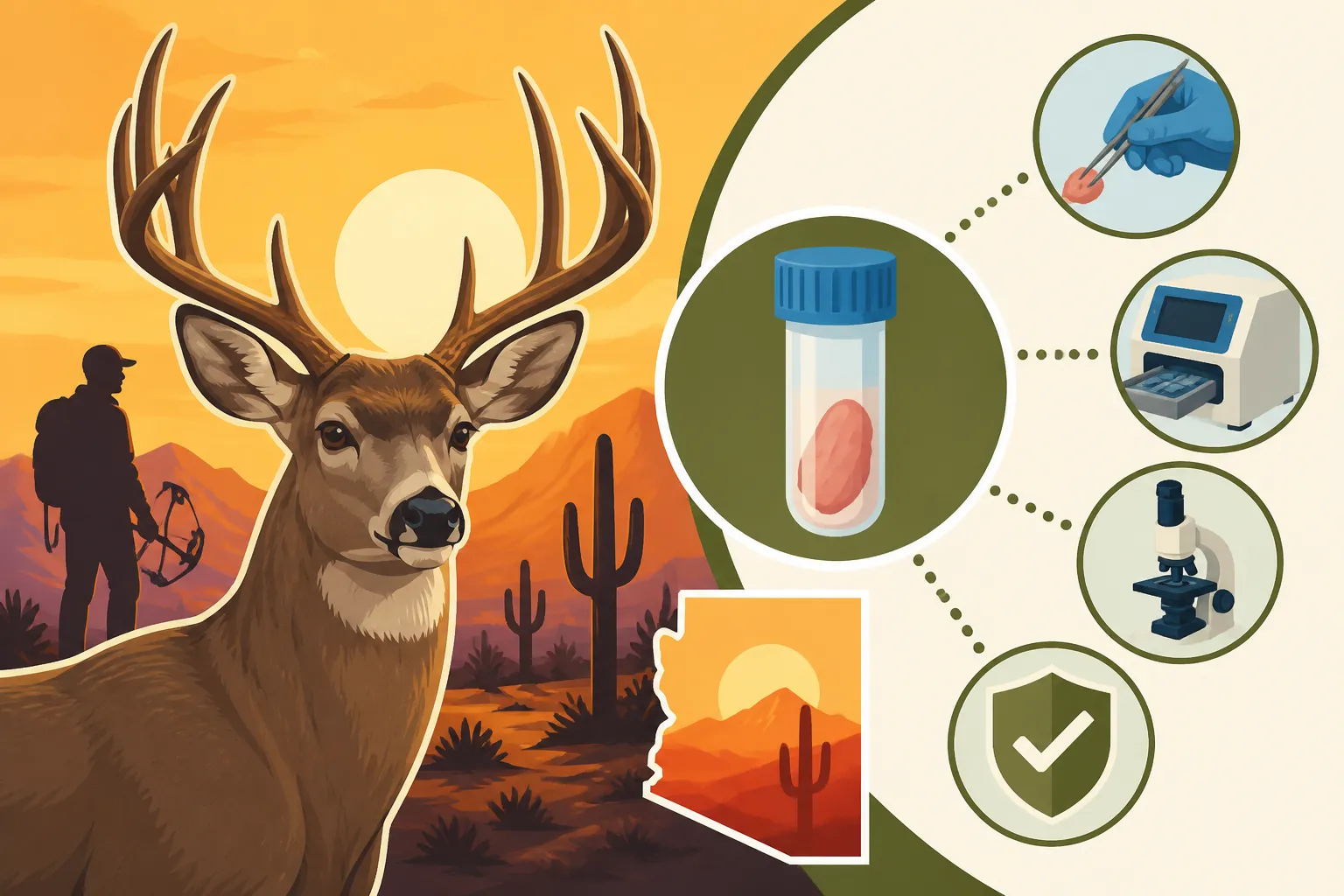
For CWD testing, biologists primarily need specific tissues from the animal: the brainstem and lymph nodes. These are the areas where the abnormal prions tend to accumulate and are most reliably detected. While the idea of collecting these might sound a bit complex after the excitement of a harvest, it's actually quite manageable. AZGFD often provides detailed instructions and even "head removal kits" or sample collection kits at their offices or during specific check stations. These kits typically include gloves, a bag, and clear guidance.
The key is to handle the carcass and collect the samples cleanly and safely. If you’re not comfortable or experienced with removing these specific tissues yourself, don't worry. Many hunters opt to bring the entire head (or the head and upper neck for elk) to a designated AZGFD check station or office. The trained personnel there can expertly collect the necessary samples for you. Remember, precision is important; a poorly collected sample might be deemed untestable, meaning your effort won't contribute to the overall surveillance data. Always prioritize cleanliness and safety during collection, especially to avoid any potential contamination.
Where to Submit Your CWD Samples in Arizona
Arizona makes it relatively convenient for hunters to submit their CWD samples. During certain general big game seasons, especially those targeting deer and elk, you'll often find voluntary or sometimes mandatory CWD check stations set up in specific units or along major travel routes. These are excellent places to bring your harvested animal for sample collection, and personnel are on hand to assist.
Beyond the seasonal check stations, AZGFD offices across the state serve as year-round drop-off points for samples. It’s always a good idea to check the most current Reading the Arizona Hunt Regulations Booklet or the AZGFD website for specific locations and operating hours, as these can change. When you submit your sample, ensure you have your hunting license and tag information readily available, as it needs to be accurately linked to your animal's sample. This connection is vital for tracking potential disease spread to specific units. Some taxidermists or meat processors might also facilitate sample collection or drop-off, so it’s worth asking if you use their services. You can also learn more about general harvest procedures, like Mandatory Reporting After an Arizona Harvest, which can sometimes be linked to CWD sampling efforts.
Here’s a general overview of where to typically submit CWD samples:
| Submission Method | Typical Availability | Key Action for Hunter |
|---|---|---|
| Voluntary/Mandatory Check Stations | During specific big game seasons | Bring harvested head/animal or prepared sample |
| AZGFD Regional Offices | Year-round during business hours | Drop off head/sample, ensure tag info |
| Designated Drop-off Locations | Varies by unit/season | Check AZGFD website for specific sites |
| Taxidermists/Meat Processors | Check with individual businesses | Confirm if they offer CWD sample handling |
What Happens at the Lab: The Science Behind the Test
Once your sample leaves your hands and arrives at an AZGFD lab, it enters a rigorous scientific process. These aren't quick tests you can do at home; they involve specialized techniques to detect the presence of those abnormal prion proteins. The primary method used for CWD testing is called immunohistochemistry (IHC), though other methods like ELISA (Enzyme-Linked Immunosorbent Assay) may also be employed.
In simple terms, for IHC, a tiny sliver of the brainstem or lymph node tissue is carefully prepared, thinly sliced, and mounted on a microscope slide. Then, specific antibodies are introduced that are designed to bind only to the abnormal CWD prions. If CWD prions are present, these antibodies will attach, and a chemical reaction will make them visible under a microscope, often as a distinct color or pattern. It’s like searching for a specific key using a uniquely shaped lock. This process is incredibly precise and takes time, often several weeks, to get a definitive result. The dedicated lab technicians are working diligently to process hundreds, if not thousands, of samples each season, ensuring the integrity of our wildlife health data.
Receiving Your Results and What They Mean
After the anticipation of the hunt, there's always a waiting period for official CWD test results. It's natural to feel a bit anxious, especially if you're concerned about a particular animal. Fortunately, Arizona has systems in place to get this vital information back to you.
How Arizona Game and Fish Communicates CWD Test Results
When your CWD sample has been processed, AZGFD will communicate the results to you. Typically, this is done through an online portal where you can check the status of your submitted sample using your hunt tag number or a specific sample ID provided at submission. Some hunters might also receive notification via mail or a phone call, particularly if a positive result is detected. It's crucial to ensure that the contact information associated with your hunting license is up to date, so you don't miss any important communications.
The results will usually fall into one of three categories: negative, positive, or inconclusive. A "negative" result means no CWD prions were detected in the samples tested. A "positive" result confirms the presence of CWD. An "inconclusive" result means the test couldn't provide a definitive answer, which could be due to a variety of factors, such as the quality of the sample or the stage of the disease. In such cases, further testing might be recommended or required. Staying informed about regulations and updates, perhaps through resources like GoHunt, can help you understand the broader context of CWD management in Arizona. GoHunt can be a great place to check for any news or discussions around CWD management that might affect future hunts or regulations in the units you frequent.
Implications of a Positive CWD Test
Receiving a positive CWD test result for an animal you've harvested is, understandably, a somber moment. While there's no known link to human disease, the strong recommendation from public health agencies and wildlife experts is not to consume the meat from a CWD-positive animal. This is a precautionary measure to ensure public safety, and it's a recommendation everyone should heed.
If your animal tests positive, AZGFD will provide specific guidance on how to properly dispose of the carcass. This is critical to prevent further environmental contamination and potential spread of the disease to other animals. The recommended method often involves deep burial or disposal in a permitted landfill. This action, while difficult, is a vital step in containing the disease. The data from positive tests is incredibly important to AZGFD, informing their disease management strategies and helping to identify potential hot spots or areas where enhanced surveillance or management interventions might be necessary. It helps them understand How Biologists Count a Desert Big Game Herd and track changes in their health.
Preventing CWD Spread and Ethical Practices
As responsible hunters, we have a collective duty to do everything we can to prevent the spread of CWD. This isn't just about following rules; it's about upholding the ethical principles of conservation and ensuring the vitality of Arizona's cherished wildlife populations. Every action we take in the field, from harvest to disposal, has an impact.
Carcass Transport Rules and Disposal Guidelines
To minimize the risk of CWD spreading, Arizona, like many other states, has regulations concerning the transport of cervid carcasses. These rules are particularly important if you are hunting in an area that has known CWD positive detections (though currently, Arizona's herds are still considered CWD-free, vigorous testing aims to keep it that way). Generally, if you harvest a deer or elk, certain high-risk parts — such as the brain, spinal cord, eyes, spleen, and lymph nodes — should be left at the kill site or disposed of properly before transporting the rest of the carcass. The safest practice is often to debone the meat in the field, removing all bone, nervous tissue, and offal, before transporting only the clean meat, skull plate (if retaining antlers), and hide.
Proper disposal of any remaining carcass parts is critical. Avoid simply leaving these high-risk tissues exposed where scavengers might pick them up and carry them off, potentially spreading prions. Deep burial at the kill site, where feasible, or double-bagging and disposing of them in a municipal landfill are generally recommended. Never dispose of carcass parts in public waterways or open areas. These guidelines protect both our wildlife and the broader ecosystem. This ties into general best practices for hunters, including things like The Meat Salvage Requirements for Big Game and how to handle a harvest, particularly when practicing Field Dressing in Desert Heat.
Best Practices for Hunters to Mitigate Risk
Beyond following the explicit regulations, there are several best practices that every Arizona hunter can adopt to help mitigate the risk of CWD spread:
- Report Sick Animals: If you observe any deer or elk that appear to be emaciated, exhibiting abnormal behavior (like stumbling, drooling, or a vacant stare), or otherwise showing signs of illness, report it immediately to AZGFD. Your eyes in the field are invaluable to biologists.
- Voluntary Testing: Even if CWD testing isn't mandatory in your unit, consider submitting samples, especially for adult deer and elk. The more data AZGFD has, the better equipped they are to monitor herd health. Many hunters use resources like GoHunt to keep up-to-date on areas of concern or recent findings, which can inform their decision to test.
- Clean Your Equipment: Thoroughly clean all knives, saws, and other processing equipment used on harvested animals, especially if you plan to use them on another animal. A simple bleach solution or strong disinfectant can help break down potential prions.
- Wear Gloves: Always wear disposable gloves when field dressing or handling game. This is good practice for general hygiene and protects both you and against potential disease transmission.
- Limit High-Risk Tissue Consumption: Even with a negative test, many hunters choose to avoid consuming the brain, spinal cord, eyes, spleen, and lymph nodes of any cervid. These tissues are where CWD prions are most concentrated.
- Educate Yourself: Stay informed about CWD. The AZGFD website is the primary source for current information and regulations. Tools like GoHunt can provide supplementary information and community discussions around these important topics, complementing the official guidance. Understanding the disease, its signs, and the importance of testing helps every hunter become a more effective steward of our wildlife. Knowing where AZGFD publishes data, like Where Arizona Publishes Population Estimates, can also provide context for CWD management decisions.
By embracing these practices, we collectively become a stronger line of defense against CWD, preserving the health of Arizona's wildlife and the tradition of hunting for future generations.
Disclaimer
This article is for general informational purposes only and does not constitute professional advice. Laws, prices and regulations vary by location and change over time. Consult a qualified professional for guidance on your specific situation.