Arizona Desert Bighorn Draw Odds
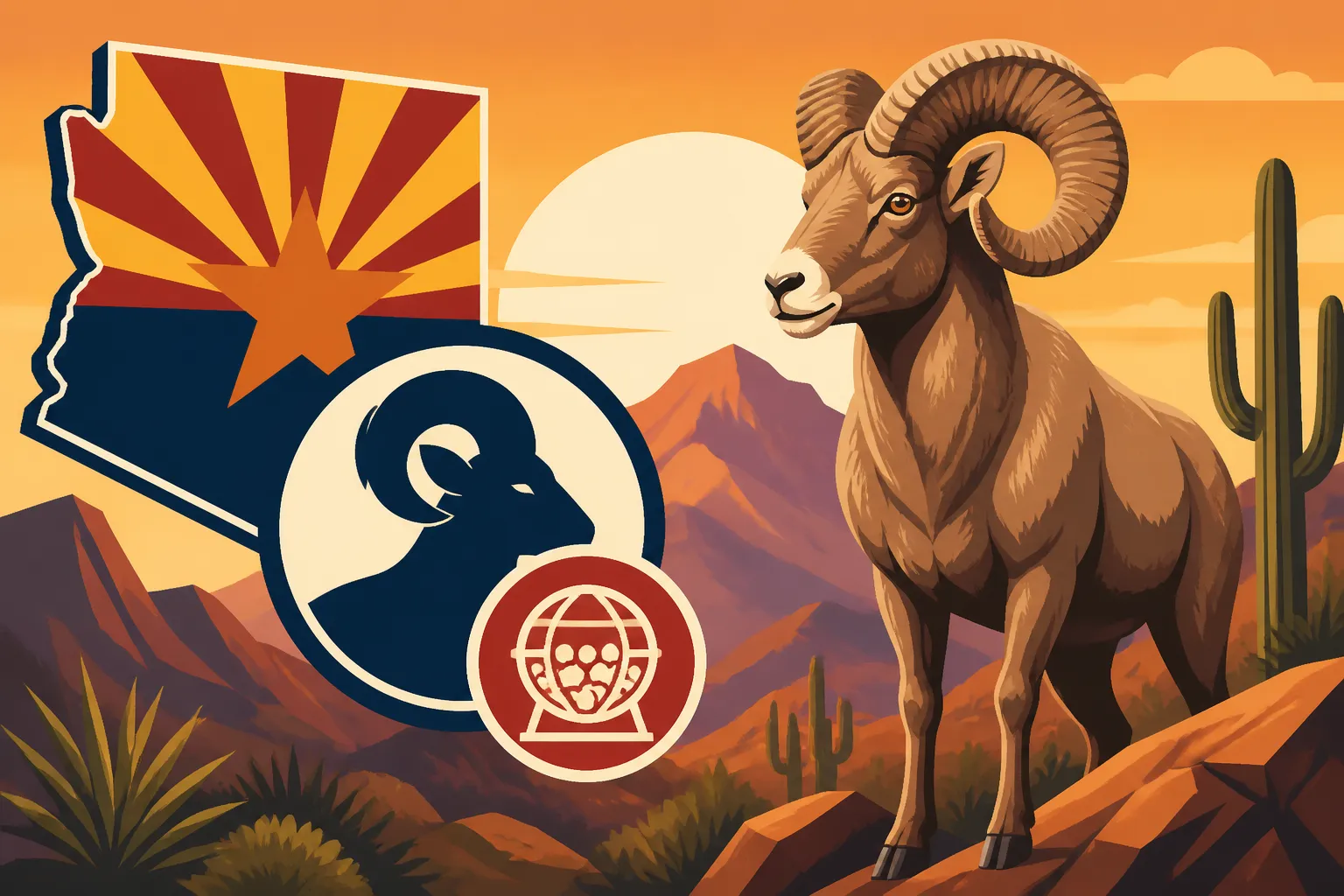
The dream of drawing an Arizona desert bighorn tag is one that many hunters chase for decades, often feeling like an elusive lottery win. The sheer difficulty of securing one of these coveted permits can be incredibly frustrating, leaving many wondering if their application is just a donation to the state. This guide will meticulously break down the draw odds for desert bighorn in Arizona, explain how they're calculated, and offer practical strategies to maximize your chances in what is truly a hunt of a lifetime.
The Rarity and Allure of Arizona Desert Bighorn Tags
Hunting desert bighorn sheep in Arizona isn't just about the incredible animal; it's about the entire experience of pursuing them in some of the most rugged, breathtaking, and often unforgiving landscapes the state has to offer. These majestic creatures represent the pinnacle of Western hunting for many, and the rarity of the tags reflects that high demand.
Why Desert Bighorn Are So Hard to Draw
The primary reason desert bighorn tags are so difficult to come by boils down to simple supply and demand. The Arizona Game and Fish Department issues a very limited number of tags each year, often in the single digits for many units, to ensure sustainable populations. When you consider the vast number of resident and nonresident hunters applying for these few tags, the odds quickly become astronomical. It's a true "once-in-a-lifetime" opportunity for a reason; drawing one essentially resets your eligibility, preventing you from drawing another in Arizona. This scarcity is compounded by the fact that many hunters apply for decades, slowly accumulating bonus points, which makes breaking into the draw even harder for newcomers. The prospect of pursuing an animal that lives in such extreme conditions, like the Desert Bighorn in Arizona's Mountain Ranges, only adds to the allure and the competition.
Understanding Arizona's Draw System for Bighorn
Arizona employs a sophisticated bonus point system for its most desired big game tags, including desert bighorn. Each year you apply for a species and are unsuccessful, you earn a bonus point. These points are essentially weighted entries into the draw, significantly improving your chances in the "bonus point pass," which awards the first segment of tags. After the bonus point pass, any remaining tags are distributed in a random pass, where all applicants, regardless of points, have an equal chance. For desert bighorn, the sheer number of applicants with maximum points means that even with a high number of points, drawing is far from guaranteed. The application deadlines for sheep typically fall within the "deer, sheep and bison" cycle, distinct from the earlier "elk and antelope" cycle, so hunters need to pay close attention to the specific dates, which are usually in June. This complex system is detailed further in guides like How Arizona's Bonus Point Pass Awards the First Twenty Percent.
Deciphering Arizona Desert Bighorn Draw Odds
Navigating the Arizona draw odds can feel like trying to read ancient hieroglyphs, especially when you're dreaming of a bighorn tag. It's not just about looking at a single number; it's about understanding the layers of data and how they might affect your personal chances.
Where to Find Official Draw Odds Data
The most accurate and official draw odds data for Arizona desert bighorn, or any species for that matter, is published directly by the Arizona Game and Fish Department (AZGFD) after each draw. This data typically includes the number of applicants at various bonus point levels, the number of tags issued per unit, and the success rates for each point tier. While this raw data is invaluable, it can be quite dense and requires a keen eye to interpret. Many hunters, myself included, find tremendous value in analytical platforms that take this raw data and present it in a more digestible format. For example, services like GoHunt compile and analyze this public data, creating user-friendly breakdowns that show exactly how many applicants with a certain number of points drew a tag in a specific unit. This kind of detailed analysis can show you the stark reality of how many high-point applicants are in the running for those incredibly few tags.
Factors Influencing Your Odds for Desert Bighorn
Several critical factors interplay to determine your personal draw odds for an Arizona desert bighorn tag:
- Bonus Points: This is perhaps the most significant factor. The more bonus points you have, the more entries you get in the bonus point pass, exponentially increasing your theoretical chances. However, for a species as competitive as desert bighorn, even maximum points don't assure a tag, as many applicants share that top-tier status. Understanding Three Ways to Earn an Arizona Bonus Point is crucial for any serious applicant.
- Unit Choice: Not all bighorn units are created equal in terms of draw difficulty. Some units might have a reputation for producing larger rams, or perhaps have more accessible terrain, leading to a much higher number of applicants. Other units, while still challenging, might have slightly less competition. Researching individual unit data is paramount.
- Application Strategy: Are you applying as an individual, or as part of a group? While group applications are possible, your collective points are averaged, which can sometimes lower a high-point individual's chances. Also, applying for a second or third choice unit might increase your overall odds if your first choice is extremely competitive, though for desert bighorn, the competition is fierce across the board.
- Nonresident Cap: Arizona has a strict cap on nonresident tags, limiting them to no more than ten percent of the total tags issued for any given hunt. This means that if only five tags are issued for a unit, a nonresident might only be eligible for one of them, if any are allocated to nonresidents at all in that unit. This significantly impacts Arizona Caps Nonresidents at Ten Percent of Every Hunt and their overall odds.
| Draw Odds Factor | Impact on Desert Bighorn Tags | Notes |
|---|---|---|
| Bonus Points | Extremely High: Critical for any chance, especially for the bonus pass. | Many applicants have max points, so it's a "ticket to the game," not a guarantee. |
| Unit Choice | High: Desirable units (e.g., trophy potential) have significantly lower odds. | Research units with slightly lower demand, but all bighorn units are competitive. |
| Total Applicants | Very High: Limited tags vs. thousands of applicants. | This is the core reason for the difficulty; sheer numbers overwhelm available tags. |
| Nonresident Cap | Significant: Nonresidents compete for a very small percentage of tags. | Can make drawing nearly impossible without maximum points and some luck. |
| Once-in-a-Lifetime | Total: Drawing a tag eliminates you from future bighorn draws. | Increases competition as hunters know this is their single opportunity. |
Strategies for Improving Your Desert Bighorn Chances
While luck plays an undeniable role in drawing a desert bighorn tag, there are proactive strategies you can employ to stack the odds in your favor, or at least ensure you're doing everything possible to keep your dream alive.
Accumulating Bonus Points Consistently
The most straightforward strategy is to simply keep applying, year after year, for a bonus point. Even if you can't afford a full hunting license every year, you can usually purchase a bonus point-only application, ensuring your streak continues. Think of it as a long-term investment. Beyond just applying, Arizona offers other ways to earn points. Completing The Permanent Arizona Point From Hunter Education course provides a one-time bonus point that never expires, a smart move for any hunter. Additionally, hunters can earn The Arizona Loyalty Point Explained after five consecutive years of applying, adding yet another entry to their name. These extra points, while they might seem small individually, collectively increase your standing in the highly competitive draw.
Utilizing Data to Make Informed Application Choices
In today's age, knowledge is power, and that couldn't be truer for the Arizona bighorn draw. Instead of blindly picking a unit, dedicate time to poring over past draw statistics. While official AZGFD data is the bedrock, analytical tools from companies like GoHunt can process this information into actionable insights. Look for trends in specific units:
- Point Creep: Is the average number of points needed to draw a tag in a unit increasing over time? This suggests growing competition.
- Applicant Numbers: How many applicants are there per tag in your desired units, especially in your point tier?
- Success Rates: While draw odds tell you about getting the tag, post-hunt success rates give you an idea of the hunting quality.
- Nonresident Success: If you're a nonresident, specifically look at the nonresident draw success in various units under the Arizona Caps Nonresidents at Ten Percent of Every Hunt rule, as these tags are even scarcer.
By analyzing this data, you might identify units that are slightly less competitive, or at least understand the true long shot you're taking with certain choices.
The Long Game: Patience and Persistence
Ultimately, drawing an Arizona desert bighorn tag is a marathon, not a sprint. For many, it's a multi-decade quest. It requires an immense amount of patience and persistence. There will be years of disappointment, of seeing your name not on the successful list. But every year you apply for that bonus point, you're building towards that singular opportunity. It’s an emotional rollercoaster, from the hope of applying during The Arizona Deer, Sheep and Bison Deadline to the anxiety of waiting for results. Embrace the journey of accumulating points, continue to research, and hold onto that dream, because when it finally happens, the years of waiting will make the tag all the more special.
What to Expect When You Finally Draw a Desert Bighorn Tag
After years, perhaps decades, of faithfully applying, the notification finally arrives: you've drawn an Arizona desert bighorn tag. This moment is often met with disbelief, elation, and then a sudden realization of the monumental task ahead. This is not a hunt to be taken lightly.
Preparing for a Physically Demanding Hunt
Desert bighorn sheep inhabit some of Arizona's most brutal and breathtaking terrain. Think steep, rocky mountainsides, deep canyons, and vast, open desert expanses where water is scarce and temperatures can be extreme. This is not a flat-ground whitetail hunt. Pursuing these animals demands peak physical conditioning. You'll need to be prepared for long days of hiking, often with significant elevation gain and loss, carrying heavy optics, water, and ultimately, meat and hide. Training well in advance, focusing on cardio, strength, and endurance, is non-negotiable. Many hunters spend months preparing, hiking with a weighted pack, and focusing on leg strength to handle the relentless climbs and descents. It's a true test of physical and mental fortitude.
The Importance of Scouting and Guidance
Once you've drawn that tag, the real work begins. Extensive scouting is absolutely critical for success on a desert bighorn hunt. These animals are masters of their environment, and understanding their movements, feeding patterns, and escape routes in your specific unit will be key. This means spending countless hours behind binoculars and spotting scopes, often covering vast amounts of ground. Given the once-in-a-lifetime nature of the tag and the extreme difficulty of the hunt, many successful bighorn hunters choose to hire an experienced guide. Arizona Desert Bighorn Guides and a Lifetime Tag often bring decades of experience, intimate knowledge of the units, and specialized equipment that can significantly increase your chances of finding and successfully harvesting a ram. They can help with everything from identifying legal rams, specifically regarding the Ram Curl Requirements Arizona Enforces, to navigating the treacherous terrain and assisting with the recovery and packing out of your trophy. Whether self-guided or with a professional, a bighorn hunt is an immersive experience that will challenge you in every way.
Disclaimer
This article is for general informational purposes only and does not constitute professional advice. Laws, prices and regulations vary by location and change over time. Consult a qualified professional for guidance on your specific situation.