Units Around Flagstaff Worth Scouting
There’s nothing quite like the excitement of planning an Arizona hunt, but let’s be real, staring at a map of vast units around a major hub like Flagstaff can feel like trying to find a needle in a haystack. You want to focus your precious scouting time and application efforts on areas that actually offer good opportunities, not just endless miles of generic forest. This guide is all about cutting through that overwhelm, helping you understand which units surrounding Flagstaff are worth your attention, what game they hold, and how to start your scouting mission without wasting a single minute.
The Allure of Flagstaff as a Hunting Basecamp
Flagstaff, sitting high on the Colorado Plateau, is more than just a college town or a pit stop on the way to the Grand Canyon. For hunters, it's a strategic goldmine, offering an incredible blend of accessibility and diverse habitats that make it a fantastic jumping-off point for many different types of hunts. You might think of it as just pine trees, but there's so much more to it.
Central Location and Diverse Habitats
One of the biggest advantages of basing your hunting adventures out of Flagstaff is its undeniable central location. You're right at the crossroads of Interstate 17 and Interstate 40, which means getting into and out of prime hunting country is far more straightforward than in many other parts of Arizona. This isn't some remote, off-the-grid destination that requires hours of dirt road travel just to reach a starting point. Flagstaff has all the amenities you could ever need—gear shops, grocery stores, hotels, mechanics—making it incredibly convenient for staging a hunt.
Beyond the convenience, the real magic lies in the diverse ecosystems that converge around the city. Within a relatively short drive, you can transition from vast ponderosa pine forests, which provide cover and feed for elk, to dense juniper and pinyon woodlands, ideal for mule deer, and even down into the more arid, high-desert terrain where you might find different game altogether. This ecological variety means that whatever species you're chasing, there's a good chance prime habitat is within striking distance of Flagstaff. It's truly a unique blend that many other hunting hubs simply can't offer.
Major Game Species Found in the Region
When you talk about hunting around Flagstaff, the conversation almost immediately turns to elk and mule deer. This area is renowned for both, drawing hunters from all over the country. Imagine waking up to a crisp September morning, the smell of pine in the air, listening for a bull elk's bugle echoing through the canyons. That's the dream many come here for. While these highly sought-after species usually require success in Arizona's challenging draw system, the quality of animals here makes the effort worthwhile.
But it's not just about the big two. Black bear populations are also strong in the timbered country, offering opportunities for those who enjoy a spot-and-stalk or hound hunt. Mountain lions roam these same forests, presenting a serious challenge for dedicated hunters. And for those looking for a different kind of pursuit, Merriam's turkey thrive in the ponderosa forests, with spring and fall seasons that can be incredibly rewarding. While the draw odds for elk and mule deer can be tough, sometimes the best opportunities lie in exploring over-the-counter options for bear or even waiting for those coveted draw tags for turkey. It all adds up to a diverse hunting landscape that keeps you coming back.
Top Units to Consider Around Flagstaff
Alright, let's get down to brass tacks: which specific units should you be looking at when you’re planning a hunt or scouting trip near Flagstaff? While many units are accessible, some consistently stand out for their habitat, game populations, and overall potential. These aren't necessarily "easy" units, but they offer the kind of country that dedicated hunters dream of.
Unit 6A: Elk and Mule Deer Central
Unit 6A is practically Flagstaff's backyard, making it an incredibly popular choice and, let’s be honest, often a crowded one. But don't let the popularity deter you entirely; there's a reason so many hunters flock here. The unit stretches south and east of Flagstaff, encompassing a significant portion of the Coconino National Forest Access in Arizona, and its varied terrain means diverse opportunities. You'll find everything from vast, open ponderosa stands to steep-sided canyons and thick pockets of oak brush and juniper.
For elk hunters, Unit 6A is a perennial favorite. It holds a healthy population, and while drawing a tag here can feel like winning the lottery, the potential for big bulls is absolutely real. Early archery seasons can be particularly intense, with bugling action, but you'll have to contend with other hunters. Rifle seasons are even harder to draw but offer a chance at some truly impressive animals. Mule deer also call 6A home, particularly in the more rugged, juniper-studded areas and along the rim country edges. Focus on areas with good water sources, especially during dry spells, and don’t be afraid to put in the miles away from easy road access. The deer here are often smaller than their Kaibab cousins, but they offer a great challenge.
Unit 7E/7W: Kaibab's Neighbor and High-Density Deer
Units 7 East and 7 West sit just north of Flagstaff, bordering the famed Kaibab Plateau. While they might not carry the "Kaibab" mystique, they certainly benefit from their proximity. Many consider these units as excellent "overflow" country for the Kaibab Plateau Mule Deer Quality, and for good reason. These units are predominantly mule deer country, characterized by vast expanses of Ponderosa pine, interspersed with stands of aspen and oak, especially at higher elevations. As you drop in elevation, you'll encounter more juniper and pinyon.
The key to hunting 7E and 7W is understanding the seasonal movements of the deer. During the archery and early rifle seasons, deer might be higher up, in the cooler timber. As winter approaches, they'll begin to move into lower country, seeking milder conditions. The Kaibab National Forest Access in Arizona is abundant here, offering extensive road systems, but also vast wilderness areas if you're willing to hike. Scouting for rubs, scrapes, and well-used trails between bedding and feeding areas is crucial. Don't overlook the pockets of thick cover, as these mule deer can be incredibly adept at disappearing into seemingly sparse terrain. These units consistently produce solid deer, and while they don't have the "trophy unit" reputation of the Kaibab, they offer more consistent drawing odds for quality animals.
Unit 5A/5B: Rim Country Access and Elk Strongholds
Venturing a bit further southeast of Flagstaff, you'll enter Units 5A and 5B, which really start to feel like classic Arizona Rim Country. These units offer fantastic opportunities, especially for elk, with terrain that transitions from high pine and aspen forests down into steeper canyons and more broken country. If you're dreaming of a genuine Arizona elk hunt, these units should definitely be on your radar. They are part of the broader Elk Country Along the Mogollon Rim, a truly iconic area.
These units present a different kind of challenge and reward. The terrain can be quite rugged, with deep canyons, thick stands of timber, and volcanic rock formations. This is excellent elk habitat, providing plenty of cover, water, and feed. Access points are good, thanks to numerous forest roads, but getting away from the main thoroughfares is key to finding undisturbed animals. Learning the seasonal movements of elk in these units, how they use specific drainages, and where they go to escape pressure is paramount. Early archery and muzzleloader hunts can be phenomenal, offering exciting encounters during the rut. Rifle seasons, while tough to draw, also produce some incredible bulls. Keep an eye on water sources, particularly during drier years, as elk will often concentrate around these vital spots. This is rugged, beautiful country, and it demands effort, but the rewards can be truly unforgettable.
| Unit | Primary Species | Key Terrain Features | Accessibility & Pressure | Scouting Focus |
|---|---|---|---|---|
| 6A | Elk, Mule Deer | Ponderosa, juniper, canyons, open flats | High access, high pressure | Water, transition zones, remote pockets |
| 7E/7W | Mule Deer | Ponderosa, aspen, oak, high desert | Good access, moderate pressure | Seasonal migration routes, thick cover, browse |
| 5A/5B | Elk, Mule Deer | Ponderosa, canyons, volcanic rock, oak | Good access to main roads, can find solitude | Water sources, bedding areas, escape routes |
Practical Scouting Strategies for Flagstaff Units
Scouting is where the rubber meets the road. You can look at maps all day, but nothing beats getting out there. However, with the right approach, you can maximize your time and effort, especially when dealing with units as diverse and often large as those around Flagstaff.
Leveraging Digital Tools (onX Hunt, GoHunt)
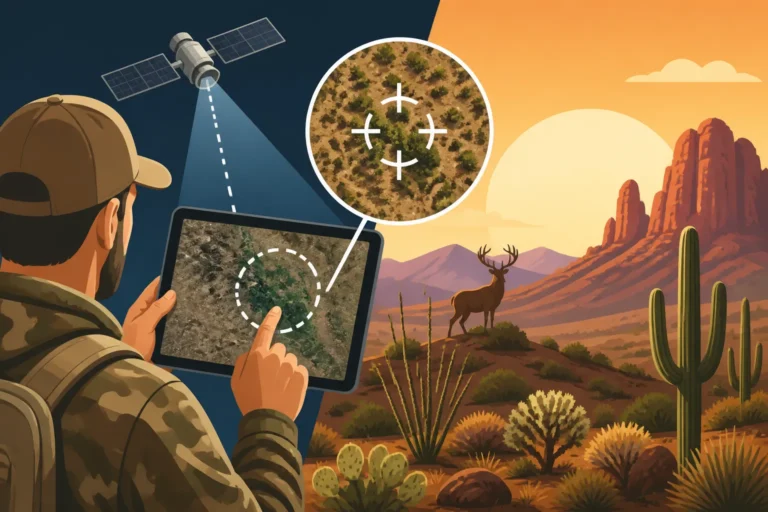
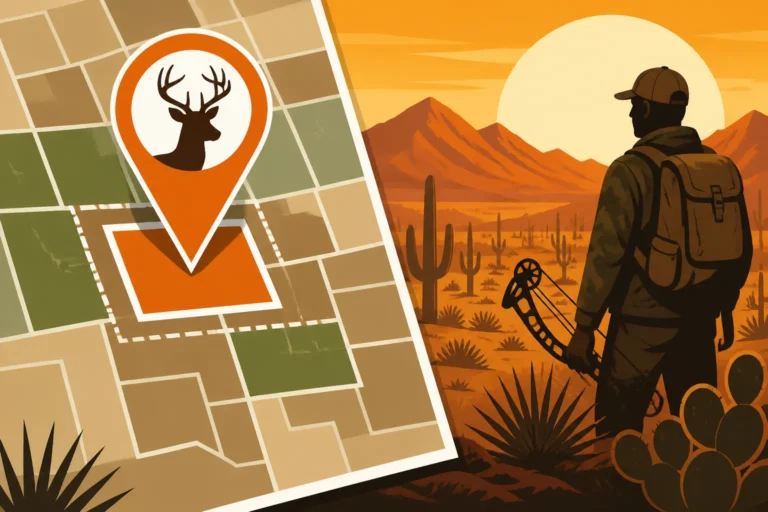
Before you ever set foot on the ground, your most powerful scouting tools are often found on your phone or computer. Programs like onX Hunt have revolutionized how we approach e-scouting. With E-Scouting an Arizona Unit Before the Season, you can meticulously map out public and private land boundaries, identify crucial water sources like stock tanks and guzzlers, and trace every forest road and trail. I've spent countless hours zooming in on satellite imagery, looking for subtle changes in vegetation, potential bedding areas, or hidden benches that might hold animals. It's like having an aerial view of your unit, allowing you to prioritize areas for physical boots-on-the-ground exploration.
Then there’s a platform like GoHunt, which is invaluable for understanding the history and potential of a unit. While onX Hunt shows you where to go, GoHunt helps you understand why you might want to go there. It provides draw odds, harvest data, and detailed unit profiles that can tell you a lot about species densities, success rates for different weapons, and trophy potential. By combining the topographical and land ownership data from onX Hunt with the analytical power of GoHunt, you can arrive at your chosen unit with a well-informed plan, ready to hit the most promising spots first, instead of aimlessly wandering. These tools don't replace physical scouting, but they certainly make it infinitely more efficient.
Boots on the Ground: What to Look For
Once you've done your digital homework, it's time to lace up your boots. While a summer scouting trip is fantastic for familiarizing yourself with the terrain and identifying key features before the hunting season, even a quick pre-season visit can be incredibly valuable. When you’re out there, you’re not just hiking; you’re looking for clues. Water sources are paramount in Arizona, so pinpointing guzzlers, stock tanks, and even ephemeral seeps that hold water is critical. These spots often concentrate game, especially during dry periods. Finding Water in Arizona's Dry Country is often a difference-maker.
Beyond water, you’re searching for fresh sign: tracks in dusty trails, rubs on saplings (especially during or leading up to the rut), droppings indicating feeding areas, and well-worn game trails connecting different parts of the habitat. Think about how animals move and use the landscape. Where do they bed during the day? Where do they feed in the mornings and evenings? Reading Terrain Before You Pick a Camp involves understanding how elevation changes create thermals that deer and elk use to their advantage, or how certain ridges offer strategic views. Look for escape routes and areas of thick cover that offer security. Every track, every broken branch, every patch of browsed vegetation tells a story, and your job is to read it.
Access, Pressure, and Seasonal Considerations
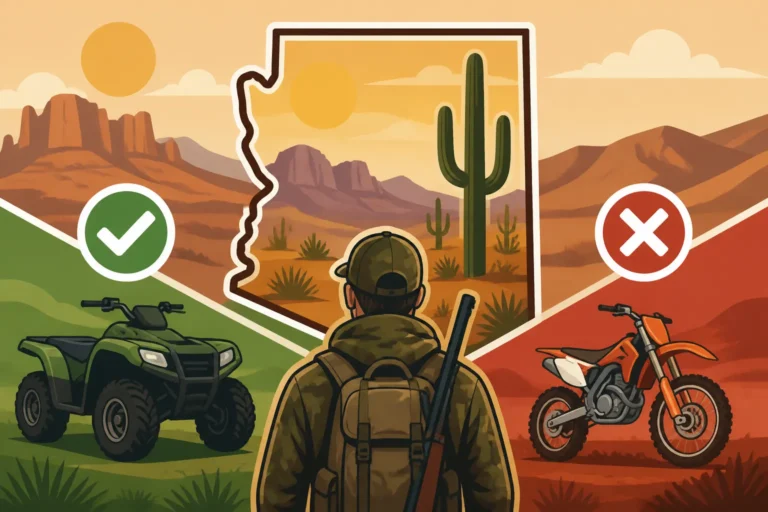
Understanding access and anticipating hunter pressure is just as vital as finding game sign. Units around Flagstaff, being relatively accessible, can see significant pressure, especially on opening weekends. Utilize your onX Hunt app to identify less-traveled forest roads, or even better, find areas that require a significant hike to reach. Remember, the further you get from a road, the less pressure you're likely to encounter. Pay close attention to Seasonal Road Closures Across Arizona as some roads might be closed seasonally for wildlife management or due to weather, particularly mud or snow. These closures can create natural barriers, effectively making vast areas "wilderness" for a period, which can be a huge advantage if you’re willing to walk.
Beyond pressure, the seasonal changes in Flagstaff's high country are dramatic. An early archery hunt in August means dealing with significant heat, potentially strong monsoon storms, and dry conditions. You'll need to focus on shady bedding areas and reliable water sources. Fast forward to a late rifle or muzzleloader hunt, and you could be facing snow, ice, and freezing temperatures. Winter Access to Northern Arizona Units can become extremely challenging, with many higher elevation roads completely impassable. Your gear, hydration strategy, and overall approach will need to adapt drastically depending on the season and prevailing weather conditions. Always check the forecast and road conditions before heading out.
Common Challenges and Overcoming Them
Hunting the Flagstaff units, as exciting as it is, comes with its own set of challenges. It's not always easy, and being prepared for these hurdles can make all the difference between a frustrating trip and a successful one.
Dealing with High Hunter Pressure
Let's face it: good hunting units, especially those with solid elk and mule deer populations and easy access from a town like Flagstaff, are going to draw a crowd. There's no escaping the reality that you'll likely encounter other hunters. This can be frustrating when you're trying to work a bull or stalk a buck, only to have another hunter walk through your setup.
The key to overcoming high pressure isn't to avoid it entirely, but to adapt. Think like the animals. Where do they go when the pressure is on? They seek out thick cover, steep canyons, and remote pockets that most hunters aren't willing to access. This means being prepared to hike further, climb steeper, and hunt areas that others overlook. Focus on hunting mid-week if your schedule allows, as weekend pressure typically sees a significant spike. Consider hunting the edges of wilderness areas where motorized access is restricted. Sometimes, simply waiting an hour after daylight, letting other hunters push game your way, can be an effective tactic. Also, don't be afraid to change your tactics; if glassing isn't working because animals are moving, consider still-hunting through thick timber.
Navigating Terrain and Weather Swings
The beautiful landscapes around Flagstaff are also inherently challenging. You'll encounter everything from dense, dark timber stands that limit visibility, to steep volcanic rock-strewn slopes that will test your ankles and knees, to wide-open parks. These units are not flat, easy-going terrain. Add to that the unpredictable Arizona weather, and you've got a recipe for demanding conditions.
One moment you might be enjoying a warm, sunny morning, and the next, a sudden monsoon thunderstorm could roll in, turning dirt roads into muddy quagmires and dropping temperatures significantly. In the fall, early snowstorms can blanket higher elevations unexpectedly. Preparing for these swings is vital. Layer your clothing so you can add or shed warmth as needed. Invest in good quality, broken-in boots that offer excellent ankle support for the rocky terrain. Carry plenty of water, even on cool days, and know your limits. Always have a reliable map and compass (or a fully charged GPS device like your phone with onX Hunt) and know how to use them, especially if a sudden storm rolls in and reduces visibility. Being physically fit will make these challenges more manageable and allow you to cover more ground safely.
Understanding Arizona's Draw System for Elk/Mule Deer
While we’re talking about great units around Flagstaff, it's essential to address the elephant in the room: many of the best elk and mule deer hunts in these areas are draw-only. This means you can't just buy a tag over the counter and head out. Arizona's draw system is highly competitive, especially for quality units, and it can be a source of frustration for many aspiring hunters.
Arizona Runs Two Draw Cycles, February and June, one for elk and antelope, and another for deer, sheep, and bison. The system heavily relies on bonus points. Each year you apply and are unsuccessful, you earn a bonus point, which increases your odds in subsequent draws. There's even a How Arizona's Bonus Point Pass Awards the First Twenty Percent of tags to the highest point holders. This means if you're serious about hunting a top-tier unit around Flagstaff for elk or a big mule deer, you need to commit to building up points. There are Three Ways to Earn an Arizona Bonus Point, including applying annually, taking hunter education, and completing the "Ethically Hunting Arizona" course. It requires patience and persistence, but understanding how the system works is your first step toward eventually drawing that coveted tag. Don't let the draw system deter you; simply integrate it into your long-term hunting strategy.
Disclaimer
This article is for general informational purposes only and does not constitute professional advice. Laws, prices and regulations vary by location and change over time. Consult a qualified professional for guidance on your specific situation.