How Elevation Shapes Arizona Hunting Seasons
One of the biggest lessons you learn hunting Arizona is that a calendar date doesn't tell the whole story. Many hunters, especially those new to the state, look at season dates and think they understand when they'll be in the woods, only to be completely blindsided by sweltering desert heat or knee-deep snow. The reality is, Arizona's vast and varied topography means that hunting conditions, game behavior, and even the strategic approach to a hunt are drastically shaped by elevation, from the scorching low deserts to the frosty high peaks. This guide will walk you through how elevation truly dictates the rhythm of Arizona's hunting seasons and what that means for your planning.
Understanding Arizona's Diverse Topography and Its Impact
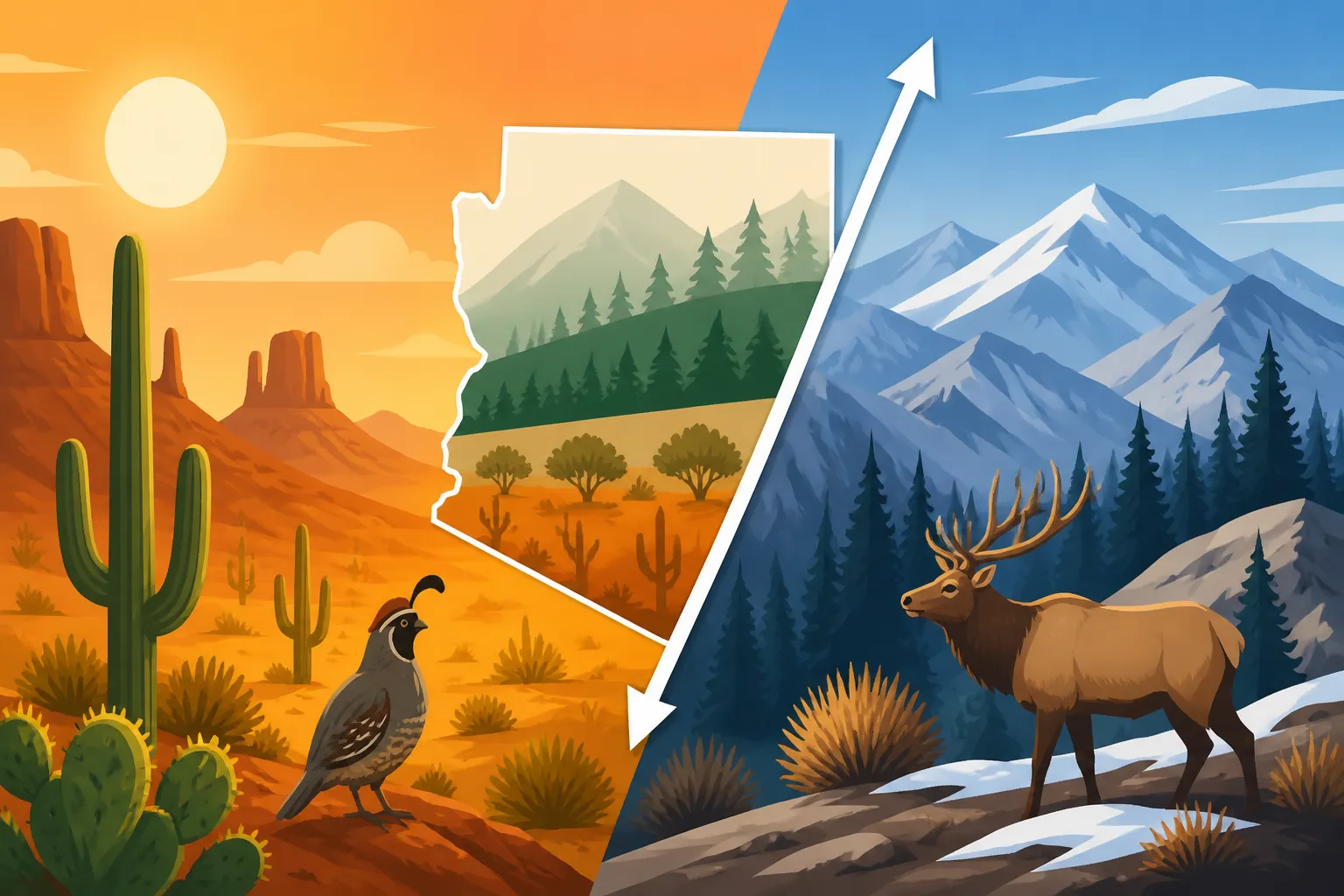
Arizona isn't just one big desert, despite what the postcards might suggest. It's a land of incredible vertical diversity, transitioning from sun-baked saguaro forests at a few hundred feet above sea level to alpine tundra clinging to mountainsides over 12,000 feet high. These drastic changes in elevation create distinct ecological zones, each with its own weather patterns, vegetation, and, crucially, its own set of challenges and opportunities for hunters. Ignoring this fundamental truth is like showing up to a duck hunt with a turkey call – you’re just not going to have a good time.
The Desert Floor: Early Seasons and Heat Management
Down in the Sonoran Desert, where the iconic saguaro cacti stand sentinel and temperatures regularly soar well into the triple digits, hunting seasons often kick off earliest. This low-elevation country, typically below 3,000 to 4,000 feet, is home to hardy species like desert mule deer, javelina, and sometimes even Coues deer in the lower foothills. The early archery deer seasons, for instance, frequently open in late August or early September, right in the thick of summer. This isn't because the deer prefer the heat, but often because these seasons are designed to coincide with specific animal behaviors or to provide opportunity before other weapon types open.
For hunters, this translates directly into a grueling physical challenge. You’re not just battling the animals; you’re battling the sun, the extreme heat, and the constant need for hydration. Water sources are often few and far between, and both hunters and game animals are drawn to them like magnets. Heat Management on an Arizona Early Season Hunt becomes a critical skill. The cover can be sparse, forcing long glassing sessions under an unforgiving sun, and stalks can be brutal over rocky, cactus-strewn terrain. Preparing for these conditions means everything from choosing the right lightweight, breathable clothing to carrying ample water, and perhaps even modifying your hunting schedule to focus on dawn and dusk when temperatures offer a slight reprieve.
Mid-Elevation Transition Zones: Where Two Worlds Meet
As you gain a little altitude, typically between 4,000 and 7,000 feet, Arizona transforms into a vibrant transition zone. Here, the saguaros give way to scrub oak, juniper, piñon pine, and diverse grasslands. This is prime habitat for some of Arizona's most sought-after game, including robust populations of Coues deer, mule deer, and even pockets of elk, especially around the edges of higher country. The "sky islands" of Southern Arizona, for example, are perfect examples of these mid-elevation havens, where life thrives in cooler, wetter conditions than the surrounding desert.
Hunting seasons in these zones often fall in the late fall or early winter, when temperatures are more moderate, making for a much more comfortable experience than the desert floor. The Coues deer rut often kicks in around December and January, drawing hunters to these areas for some exciting action. These areas present a different set of challenges: terrain can be steep and broken, with thick brush that can make spotting and stalking difficult. However, the cooler temperatures mean you don't have to worry as much about extreme heat, and animals are often more active during daylight hours. Understanding game movement through these diverse habitats, especially in response to weather fronts or forage availability, is key here. Reading Wind on a Sky Island Stalk can be crucial for closing the distance in these broken, often breezy landscapes.
High Country Peaks: Later Seasons and Cold Weather Challenges
Venturing further up, above 7,000 feet and sometimes cresting over 10,000 feet, you enter Arizona's high country. This is the domain of towering ponderosa pines, aspens, and open meadows – a stark contrast to the desert below. The Mogollon Rim, the White Mountains, and the Kaibab Plateau are iconic examples of these high-elevation ecosystems, famous for producing some of the state’s biggest bull elk and mule deer. These areas experience true four-season weather, with abundant snowfall in winter and cool, refreshing summers.
Hunting seasons in the high country generally take place later in the year, extending into the colder months. Elk hunts, especially the coveted rifle seasons, often fall in October and November. Mule deer seasons also run through the cooler fall. This means hunters must be prepared for vastly different conditions: frosty mornings, afternoon snow showers, and freezing temperatures are all possibilities. Layering is critical for staying comfortable and safe, and Layering for Rim Country Temperature Swings is a skill you'll absolutely need. Access to these areas can become tricky as well, with seasonal road closures due to snow or mud, requiring hunters to be self-reliant and prepared for backcountry travel. While the views are breathtaking, the physical demands of hunting at altitude, often through timber and over steep terrain, are not to be underestimated.
How Elevation Influences Game Movement and Availability
It's not just the weather that changes with elevation; the animals themselves are intrinsically linked to these varying landscapes. Their survival strategies — where they find food, water, and shelter — are all dictated by the vertical gradients of Arizona's terrain. Understanding these patterns is essentially like cracking the code to consistent hunting success, allowing you to anticipate where game will be and why.
Water Sources and Seasonal Shifts
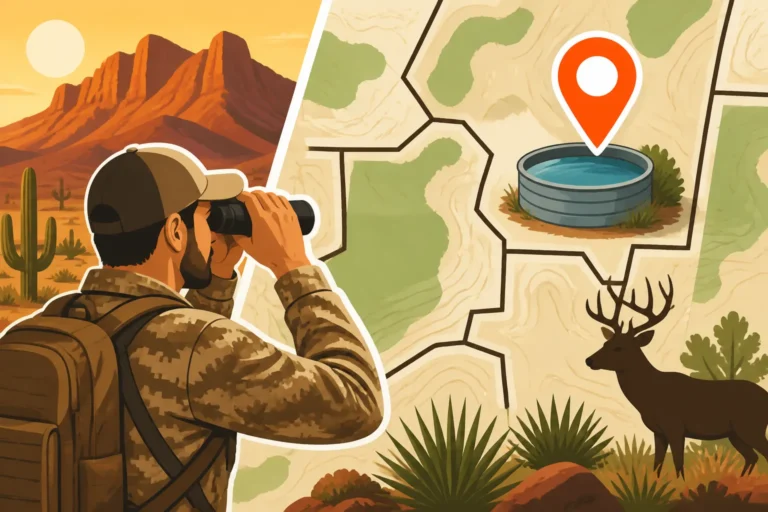
In the low deserts, water is the lifeblood, and it’s usually scarce. Animals like desert mule deer and javelina are incredibly adapted to arid conditions, but they still need to drink. During early season hunts, especially in August and September, game animals are often tightly tied to permanent water sources like stock tanks, natural springs, or even man-made drinkers. Finding these crucial spots becomes your primary scouting mission. Finding Stock Tanks on a Unit Map can give you a major advantage in planning your approach, as these areas often concentrate animals. As temperatures cool and the desert receives its infrequent rains, game might disperse slightly, but water remains a limiting factor, influencing their daily routines and travel corridors.
Higher up, in the mid-elevation and high country, water is generally more abundant, though still important. Snowmelt in spring creates lush conditions, and monsoon rains in summer fill seasonal tanks and streams. Elk, in particular, are water-dependent, and even though there are more options, they will still use established wallows and seeps. In the drier fall months, or during periods of drought, game animals might shift their patterns to access the more reliable water sources. This means that while water isn't as desperate a commodity as in the desert, understanding its availability and distribution remains critical for predicting where animals will feed and bed throughout the day.
Forage and Habitat Changes
Each elevation band boasts a unique botanical profile, directly impacting what food is available to game animals. In the desert, browse might consist of mesquite, palo verde, and various cacti, along with seasonal forbs after rains. Coues Deer Are Arizona's Signature Whitetail often thrive in these transitional zones, benefiting from a mix of desert and chaparral vegetation. They’re excellent at finding hidden pockets of sustenance that many hunters overlook. As you move higher into the juniper and oak country, you’ll find different browse and acorn crops, which can be critical food sources for deer and even bears in the fall.
The high country offers a smorgasbord for grazers like elk and browsers like mule deer. Lush mountain meadows provide rich grasses, while the ponderosa and aspen forests offer various forbs and fungi. Arizona Elk on the Rim, White Mountains and Kaibab are often found capitalizing on these abundant food sources, moving between feeding grounds and bedding areas in the timber. A good mast crop, like acorns in oak pockets or even ponderosa pine nuts, can draw animals into specific areas for extended periods, making them hotspots for hunting. Changes in forage availability due to drought, fire, or seasonal growth are primary drivers of game movement across these elevation zones.
Thermal Regulation and Animal Behavior
Animals, just like us, seek comfort. In the scorching low deserts, this means finding shade, especially during the hottest parts of the day. Desert game will often bed down in dense brush, under rock overhangs, or on north-facing slopes to escape the sun. Their activity will be heavily concentrated around dawn and dusk. Understanding these thermal refuges is key to finding them.
As you ascend into the mid-elevations, the thermal considerations become more nuanced. Animals might move to higher ground during the day to catch a breeze, or drop into shady canyons when it's particularly warm. When the temperatures drop, especially in late fall and winter, they might seek sun-drenched slopes to soak up warmth. This is why you'll often find Mule Deer Across Arizona's Northern Plateaus moving up and down mountainsides throughout the day, responding to subtle shifts in temperature and sunlight.
In the high country, the challenge often shifts from avoiding heat to finding warmth or sheltering from cold winds and snow. Elk and high-country mule deer will use dense timber for thermal cover, especially during storms or freezing nights. Sunny south-facing slopes can become crucial feeding areas as they melt off snow earlier, providing vital forage. Their movements are constantly influenced by the need to conserve energy and stay comfortable in often harsh mountain environments. This means hunters must pay close attention to not just where the animals feed, but also where they rest and shelter.
Navigating Seasonal Changes and Hunter Strategies
Understanding the role of elevation is not just a fascinating ecological lesson; it’s a practical tool that savvy Arizona hunters use to improve their odds. It influences everything from how you apply for a tag to the kind of boots you wear and how you scout. By integrating this knowledge into your planning, you can make more informed decisions and increase your chances of a successful hunt.
Timing Your Application for Elevation-Specific Hunts
Arizona's draw system is complex, but understanding elevation helps you refine your choices. If you despise heat and prefer cooler hunts, you'll naturally gravitate towards units and hunt codes that are in the mid to high elevations and scheduled for later in the year. Conversely, if you're chasing an early season archery desert mule deer, you know you're signing up for intense heat and will plan accordingly. Reading an Arizona Hunt Code is essential because it often contains clues about the weapon type and general timing, which implicitly connects to elevation and expected conditions.
For example, a September elk archery tag on the Mogollon Rim (high country) will demand vastly different preparation than a December archery Coues deer tag in the Santa Rita Mountains (mid-elevation sky island) or an August archery mule deer tag in a low desert unit. By thinking about the elevation associated with a unit, you can mentally picture the hunt conditions and assess if they align with your physical capabilities and preferences. This insight can even influence which bonus points you pursue. Some hunters prioritize high-country elk tags, which are notorious for requiring many points, while others focus on more accessible desert or mid-elevation opportunities.
Gear Considerations for Varied Elevations
The gear you pack for an Arizona hunt is almost entirely dependent on the elevation and time of year. For those brutal early desert hunts, light, breathable clothing, a wide-brimmed hat, and specialized hydration systems are non-negotiable. You'll need durable boots that can handle rocky, thorny terrain, and a good cooling system for game meat.
Moving into mid-elevation hunts, you’ll start thinking more about layers – lightweight base layers, a good fleece, and a packable rain jacket for those unpredictable afternoon storms. Arizona Deer Season Dates by Weapon will often align with these moderate conditions. Your optics will be critical for glassing vast country, and you might consider a slightly warmer sleeping bag if you're camping. Footwear needs to be supportive for steep climbs and descents, often through loose rock and thick brush.
High-country hunts require full winter preparedness, even in early fall. Heavy insulated clothing, waterproof outer layers, gaiters for snow, and a robust layering system are essential. You’ll need a sleeping bag rated for freezing temperatures, snow-worthy boots, and potentially traction devices like microspikes if you anticipate icy conditions. Packing a survival kit for unexpected snowstorms or cold snaps becomes paramount. Regardless of elevation, a detailed map (like those found on onX Hunt) showing topography and potential access points, along with a reliable compass or GPS, is always a must.
Scouting and E-Scouting Across Elevation Bands
The way you scout changes dramatically with elevation. In the desert, onX Hunt can help identify water sources, major washes, and sparse cover where animals might concentrate. You’ll be looking for tracks around water, glassing from high points early and late, and trying to pattern animals moving between bedding and feeding areas in a limited range. Given the heat, extensive physical scouting might be limited to shorter trips or very early mornings.
Mid-elevation areas offer more diverse terrain. E-scouting with tools like GoHunt or onX Hunt allows you to pick apart drainages, saddle points, and areas of diverse vegetation that might hold game. You’ll look for transitional areas where different habitats meet, as these are often hotbeds of activity. When physically scouting, focus on elevation changes, looking for game trails that parallel ridges or cut across slopes, and identifying glassing points that offer expansive views of the country.
For high-country hunts, GoHunt and similar platforms can help you pinpoint historical wintering and summering grounds, as well as migration corridors. E-scouting will involve studying timbered slopes, open parks, and identifying north- and south-facing aspects that will hold snow differently. When on the ground, focus on finding pinch points, wallows, and bedding areas within dense timber. Understanding Arizona Elk Season Structure by Hunt Code alongside unit elevation profiles is crucial for pinpointing where elk will be during your specific season.
By combining your e-scouting with physical reconnaissance, you can build a more comprehensive picture of how animals are using different elevation bands throughout the year and, more specifically, during your hunt. This adaptive approach, recognizing that Arizona's hunting landscape is literally layered, is what separates the consistently successful hunters from those who are constantly scratching their heads.
Here's a quick look at how elevation influences typical conditions and strategies:
| Elevation Band | Typical Terrain & Vegetation | Season Timing | Primary Challenges | Key Strategy | Example Species |
|---|---|---|---|---|---|
| Low Desert | Saguaro, mesquite, palo verde, washes | Late Aug – Nov | Extreme heat, sparse water | Focus on water, early/late activity, shade | Javelina, Desert Mule Deer |
| Mid-Elevation | Juniper, piñon, scrub oak, grasslands | Oct – Jan | Variable weather, thick brush | Glassing, patterning between food/cover, wind | Coues Deer, Mule Deer |
| High Country | Ponderosa pine, aspen, meadows, rocky peaks | Sep – Dec | Cold, snow, steep terrain | Layering, physical fitness, thermal cover, access | Elk, Mule Deer |
Understanding how elevation shapes Arizona hunting seasons isn't just about knowing what to pack; it's about fundamentally understanding the ecosystem you're entering. It's about respecting the land and its creatures, recognizing that their lives are intrinsically tied to these vertical landscapes. By doing so, you'll not only be a more prepared and successful hunter, but you'll also gain a deeper appreciation for the incredible diversity of the Grand Canyon State.
Disclaimer
This article is for general informational purposes only and does not constitute professional advice. Laws, prices and regulations vary by location and change over time. Consult a qualified professional for guidance on your specific situation.