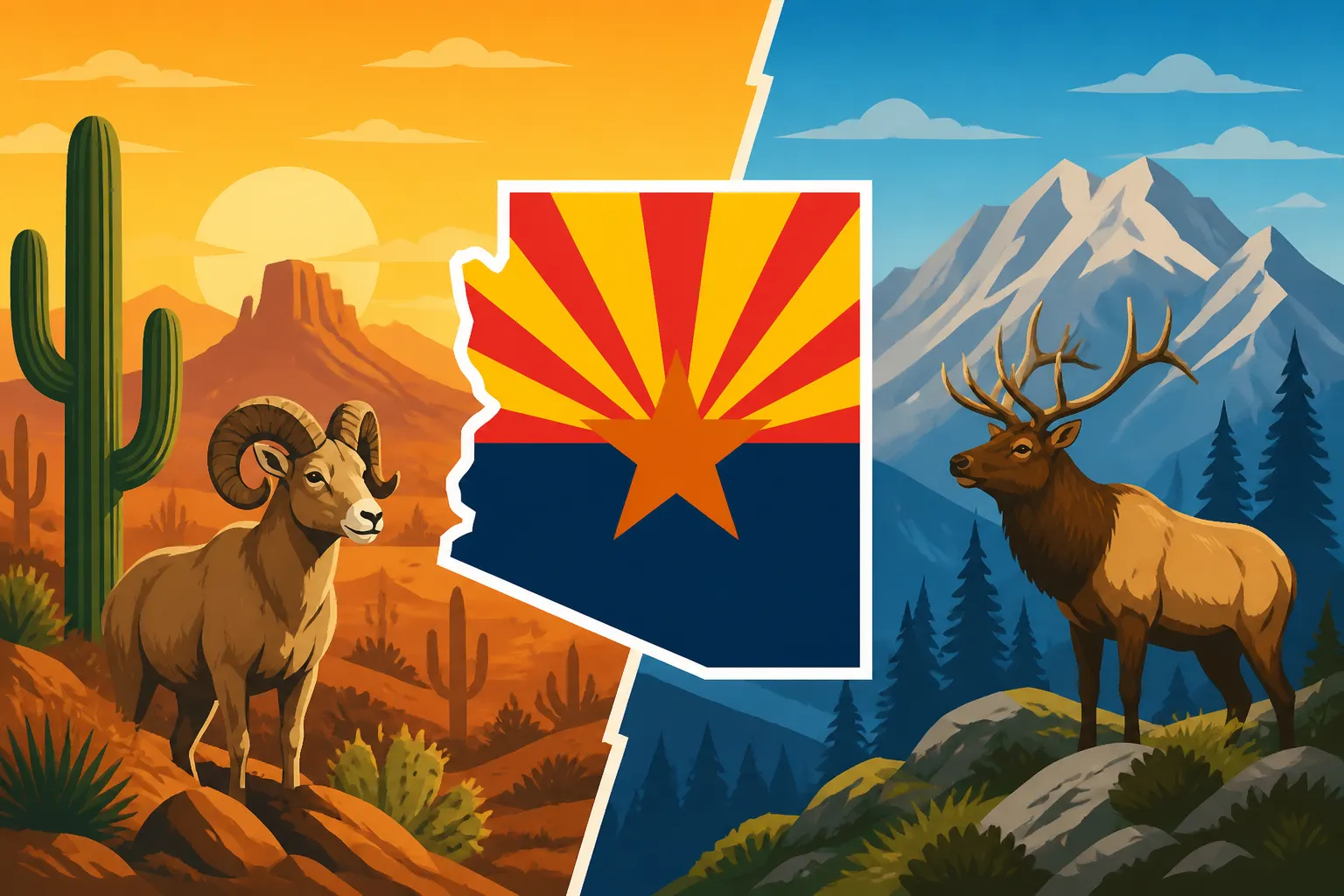
Desert Against High Country Unit Choices
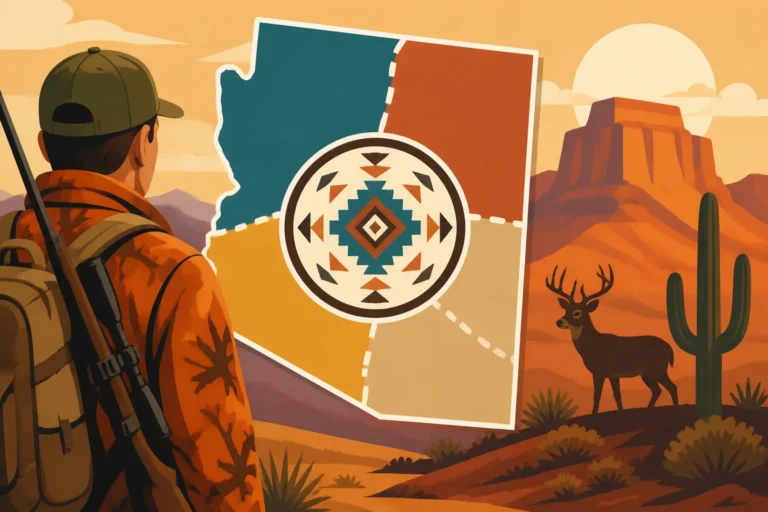
Choosing a hunting unit in Arizona can feel like trying to pick a single grain of sand from the Sonoran Desert or a specific ponderosa pine from the Mogollon Rim. Hunters often grapple with the stark contrasts between the state's low-elevation desert units and its high-altitude mountain country, each offering vastly different experiences, challenges, and game. This guide aims to help you navigate those crucial distinctions, ensuring your next Arizona hunt aligns perfectly with your expectations, physical capabilities, and hunting style.
Understanding Arizona's Diverse Hunting Landscapes
Arizona is an incredible place, a land of extremes where you can literally drive from saguaro cacti to towering pines within an hour or two. This geographical diversity is what makes hunting here so unique, but it's also why choosing a unit can be so daunting. You're not just picking a location; you're deciding on an entire hunting philosophy.
The Low Desert: A World of Heat, Thorns, and Subtle Movement
When we talk about "desert units," we're generally referring to the vast expanses of lower-elevation terrain, typically below 5,000 feet, though some areas might creep a bit higher. This includes the iconic Sonoran Desert with its saguaros and prickly pear, the Chihuahuan Desert grasslands, and the scrubby foothills that climb into the lower mountain ranges. The temperatures can be brutal, especially during early seasons, and water sources are often few and far between.
Hunting in these units is a masterclass in patience and observation. Visibility can be immense in some areas, yet surprisingly limited by dense brush in others. You'll spend a lot of time behind glass, dissecting distant hillsides and washes. The animals here are perfectly adapted to their environment, often smaller in stature but incredibly cagey, disappearing into seemingly sparse cover like phantoms. Species like Coues deer, javelina, and some mule deer call these challenging landscapes home.
The High Country: Altitude, Timber, and Rugged Terrain
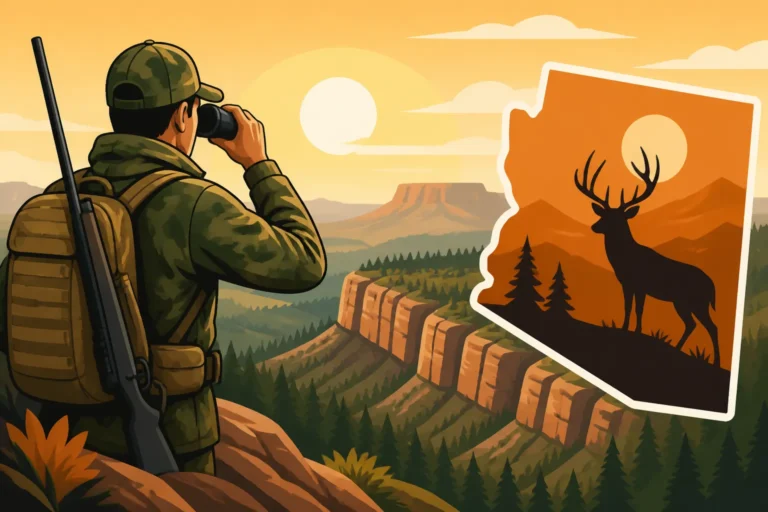
On the flip side, Arizona's "high country" units are a completely different world. These are the mountain ranges, often above 6,000 feet, crowned with forests of ponderosa pine, spruce, fir, and aspen. Think of the Mogollon Rim, the White Mountains, the Kaibab Plateau, and other scattered "sky islands" that punctuate the southern desert. Here, the air is thinner, the temperatures are cooler, and water is generally more abundant, though still something to be mindful of.
The challenges in the high country are primarily physical. You'll deal with steep climbs, thick timber, and sometimes unpredictable weather, including sudden monsoon downpours or even early snow. Hunting often involves covering significant ground on foot, navigating dense cover, and understanding how thermals and elevation impact animal movement. This is prime habitat for elk, larger mule deer, black bear, and various turkey species. Arizona Elk on the Rim, White Mountains and Kaibab are a classic high-country pursuit.
The Allure and Challenges of Desert Hunting Units
There's a special kind of hunter who thrives in the Arizona desert, someone who appreciates the vastness, the quiet, and the reward of spotting a creature perfectly camouflaged against its environment. It's not for the faint of heart, but it offers some truly unforgettable experiences.
Species and Habitat in the Desert
The low desert is primarily known for Coues Deer Are Arizona's Signature Whitetail, those elusive "gray ghosts" of the Sky Islands. These small, wily deer are a true challenge to hunt, relying on their keen senses and incredible ability to vanish. You'll also find a good number of mule deer, particularly in the larger, brushier units, and of course, Javelina Is Arizona's Most Accessible Big Game throughout much of the southern half of the state. Pronghorn can also be found in specific open grassland areas within some desert regions, though they are a specialty draw.
The habitat varies from open, rocky slopes dotted with ocotillo and saguaro, to dense mesquite and catclaw thickets along washes, and juniper-studded hillsides. Understanding these micro-habitats is key to success. Animals will gravitate towards water, shade, and areas with good escape cover. When scouting or hunting, tools like onX Hunt become indispensable for identifying terrain features, land ownership, and potential water sources that might concentrate game.
Hunting Tactics and Physical Demands
Desert hunting often revolves around glassing. You'll spend hours, often from a high vantage point, patiently scanning vast landscapes with high-quality optics. Optics Power for Arizona's Long Desert Sightlines is absolutely critical here. Once an animal is spotted, the stalk begins, which can be incredibly challenging due to sparse cover, sharp rocks, and an abundance of thorny plants. Glassing Arizona's Sky Islands for Coues Deer is a skill perfected over many arduous hours.
Physically, desert hunts demand endurance, especially if you're out during the early archery seasons. Heat Management on an Arizona Early Season Hunt is not just important for comfort, it's a matter of safety. Carrying enough water is paramount, as is the ability to move quietly and carefully over rough, uneven ground. Being light-footed and making strategic use of washes and contours to maintain concealment are essential skills. Choosing Boots for Rocky Desert Ground will make or break your trip.
Embracing the High Country: Altitude, Timber, and Diverse Game
For many hunters, the image of Arizona hunting immediately conjures up visions of big bulls bugling in cool mountain air. The high country certainly delivers on that promise, but it also brings its own set of demands and rewards.
Species and Habitat in the High Country
The high country is elk paradise. The Mogollon Rim and the White Mountains are renowned for their healthy elk populations and the potential for trophy bulls. You'll also find robust populations of mule deer, particularly in the northern units like the Kaibab Plateau, which holds a storied reputation. Black bears are present throughout the timbered ranges, and Merriam's turkeys gobble from the canyons and ridges.
Habitat here is characterized by dense stands of conifers, mixed conifer-aspen forests, and open meadows. Canyons, ridges, and varied topography create complex animal movement patterns. Water sources are more common but can still be spread out, and animals will often utilize north-facing slopes for shade and south-facing slopes for warmth, depending on the season. Understanding these elevational preferences is crucial.
Hunting Tactics and Physical Demands
High country hunting, especially for elk, often involves covering a lot of ground on foot. Still hunting through timber, calling during the rut, and tracking fresh sign are common tactics. During archery season, understanding Bugle Timing Across the Mogollon Rim can be the key to getting a bull to respond. The physical demands are substantial: steep climbs, navigating fallen timber, and potentially packing out heavy game from remote areas. Packing an Elk Out of Rim Country Alone is a monumental task that requires serious preparation.
Weather can be fickle. Cool mornings can quickly give way to warm afternoons, and monsoon storms can roll in with little warning. Layering for Rim Country Temperature Swings is a must to stay comfortable and safe. Beyond the physical exertion, understanding wind direction and thermals in mountainous terrain is vital, as scent travels differently in canyons and across ridges. Reading Wind on a Sky Island Stalk is a critical skill whether you're in the high country or a desert mountain.
Making Your Choice: Factors to Consider Beyond the Animal
Deciding between a desert or high country unit isn't just about what animal you want to chase. It's about personal preference, physical conditioning, hunting style, and even the time of year you plan to hunt. Both environments offer unique challenges and rewards.
Self-Assessment: What Kind of Hunter Are You?
Before you even start looking at unit maps or draw odds, take a moment to honestly assess yourself.
- Physical Fitness: Are you prepared for long, steep climbs at altitude, potentially carrying a heavy pack? Or do you prefer longer, flatter walks, often in heat, with intense periods of glassing? High country hunting is generally more physically demanding in terms of elevation gain and overall mileage.
- Hunting Style: Do you love covering ground, still-hunting through timber, and calling? Or do you prefer the meticulous patience of glassing vast areas, making calculated stalks, and embracing the solitude of open country?
- Patience vs. Persistence: Both require patience, but desert hunting often demands an extreme level of visual patience, while high country hunting might demand more persistent, physical effort to cover ground and find animals.
Gear Considerations for Each Environment
Your gear list will look quite different depending on your chosen environment.
- Optics: While good optics are essential everywhere, in the desert, you'll likely want high-power binoculars and a spotting scope for long-range identification. In the high country, compact binoculars might be sufficient for closer encounters in dense timber, but a quality spotting scope is still invaluable for distant ridges.
- Clothing: Desert hunting often means lightweight, breathable, light-colored clothing that offers sun protection. High country hunting demands layers, moisture-wicking materials, and good rain gear to contend with sudden storms and significant temperature swings.
- Footwear: Stiff-soled, ankle-supporting boots are crucial for traversing rocky, uneven desert terrain, often with thorns. In the high country, waterproof, comfortable boots with good traction are essential for steep, potentially muddy or snowy trails.
- Water: In the desert, plan to carry significantly more water than you think you'll need, or cache it strategically. In the high country, water filters or purifiers can be very useful for replenishing from streams or springs.
Researching and E-Scouting Your Units
Regardless of your preference, thorough research is key. Websites like GoHunt provide valuable insights into draw odds, harvest success rates, and unit characteristics, helping you compare different options. Once you have a few units in mind, dive into e-scouting with tools like onX Hunt. E-Scouting an Arizona Unit Before the Season can save you countless hours of in-field searching.
Look at topography: are there steep canyons for elk in the high country or open basins for Coues deer in the desert? Identify water sources, roads, and potential bedding areas. Understand land ownership to avoid accidental trespass. Reading a Unit Before You Ever Walk It helps you visualize the terrain and plan your approach.
Here's a quick comparison to help solidify your thinking:
| Feature | Desert Units (e.g., Southern Arizona, lower foothills) | High Country Units (e.g., Mogollon Rim, White Mountains, Kaibab) |
|---|---|---|
| Typical Elevation | 1,000 – 5,000 feet | 6,000 – 10,000+ feet |
| Dominant Habitat | Saguaros, mesquite, palo verde, prickly pear, sparse grass, rocky slopes | Ponderosa pine, spruce, fir, aspen, open meadows, canyons |
| Common Species | Coues Deer, Javelina, Mule Deer, occasionally Pronghorn | Elk, Mule Deer, Black Bear, Turkey |
| Typical Climate | Hot, dry, extreme temperature swings (day/night); monsoon rains July-September | Cooler, often windy; snow possible late season; monsoon rains July-September |
| Primary Challenge | Heat, sparse water, thick thorns, long-range glassing, elusive game | Physical exertion (altitude, steep terrain), dense timber, unpredictable weather, packing out heavy game |
| Key Tactics | Extensive glassing, patient stalking, still hunting washes, waterhole sits | Still hunting timber, calling, tracking, spot-and-stalk on open slopes |
| Essential Gear | High-power optics, ample water, lightweight protective clothing, sturdy desert boots | Layered clothing, rain gear, comfortable hiking boots, hydration system, good pack |
Ultimately, the best unit choice for you will come down to a combination of what kind of challenge you're seeking, what game animal captures your imagination, and how prepared you are for the specific environment. Arizona offers it all, from the scorching low desert to the chilly mountain peaks. Choose wisely, prepare thoroughly, and get ready for an adventure.
Disclaimer
This article is for general informational purposes only and does not constitute professional advice. Laws, prices and regulations vary by location and change over time. Consult a qualified professional for guidance on your specific situation.