Red Flags When Booking an Arizona Hunt
Booking an Arizona hunt is an exhilarating prospect, but the path to a dream hunt can sometimes feel riddled with hidden dangers. Many aspiring hunters, especially those new to the Grand Canyon State's unique challenges, worry about picking the wrong guide or outfitter, an experience that can turn excitement into disappointment and a significant financial hit. This guide is here to walk you through the common red flags to watch out for when you're vetting potential Arizona hunting partners, helping you make an informed decision for an unforgettable, positive adventure.
Unrealistic Promises and Over-the-Top Guarantees
One of the biggest siren songs for any hunter looking to book a trip is the promise of an easy, surefire success. While every outfitter wants to highlight their best moments, be very wary of any guide service that guarantees a kill, or even an opportunity, as if it's a certainty. Hunting in Arizona, with its vast landscapes, unpredictable weather, and wild, free-ranging animals, is never a guaranteed endeavor. Reputable outfitters understand and convey this reality to their clients.
Guaranteed Kill or Shot Opportunity
Any outfitter who flat-out promises you'll harvest an animal, or even that you'll get a shot opportunity, should raise an immediate red flag. Wildlife is wild, and no one can control its movements or behavior. A guide can put you in the best possible position based on their knowledge and scouting, but the final outcome is always up to many factors, including the animal, the weather, and your own shooting skills. Outfitters & guides should be selling expertise, hard work, and access, not a trophy on the wall before you even step foot in the unit.
Think about it: if it were truly a 100% guarantee, everyone would draw a tag and book with them, and the landscape would be overrun. Instead, what you should be looking for are outfitters who speak about effort, opportunity, and past success rates backed by verifiable client testimonials, not an iron-clad guarantee. They'll talk about the challenges and the work involved, managing your expectations realistically rather than hyping an impossible scenario.
Exaggerated Success Rates Without Proof
It's common for outfitters to tout their success rates, and these can be a valuable metric. However, be cautious if a guide claims exceptionally high success rates (say, 90-100% on a tough species like Coues deer or trophy elk) without offering any way to verify those numbers. Are they offering a list of past clients you can call? Do they point to official state harvest statistics or specific unit data? If not, those numbers might be more aspirational than factual.
A truly transparent outfitter will break down their success rates by species, weapon type (archery, rifle, muzzleloader), and even by specific hunt units or seasons if applicable. They'll explain how they achieve their results, focusing on aspects like extensive preseason scouting, experienced guides, and client preparation. Don't be afraid to ask for specific examples of hunts that didn't end in a harvest and how they handle those situations. A good outfitter will have a candid discussion about the realities of hunting.
Financial and Contractual Ambiguities
Money is often where problems can fester, and a lack of clarity around costs, deposits, and what's included can quickly sour a hunting experience. It's crucial to understand every financial detail before committing to an Arizona hunt.
Hidden Costs and Unspecified Fees
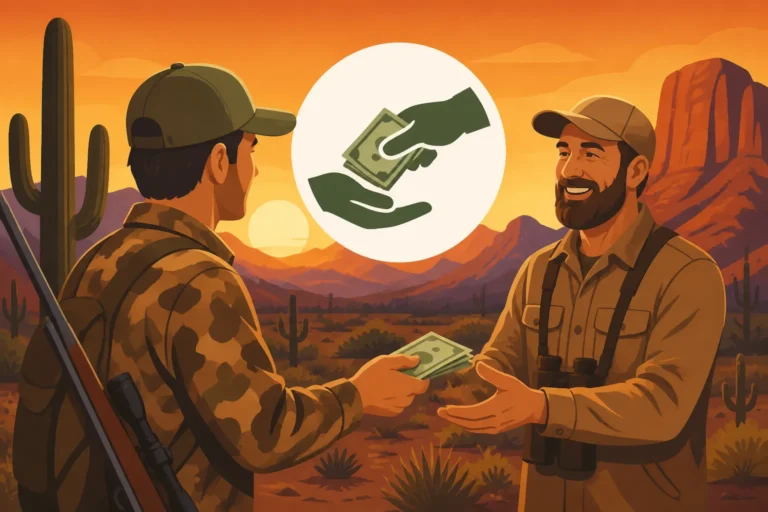
Beware of outfitters whose pricing seems vague or doesn't explicitly list what's included. A common red flag is a low base price that then gets padded with numerous "add-on" fees for things you thought would be standard. This could include extra charges for field dressing, caping, packing out meat, transportation from the nearest airport, or even fuel for the vehicles used during the hunt.
When you're comparing potential guides, ask for a detailed breakdown of all costs. A clear contract will outline what is covered, from lodging and meals to guide services and field care. Remember that expenses like your hunting license and tag fees are almost never included in an outfitter's price, and you'll always be responsible for those separately. Things like meat processing and shipping capes and antlers home are also typically extra. Understand What Outfitter Prices Almost Never Include upfront to avoid unpleasant surprises.
Vague Deposit and Cancellation Policies
A reputable outfitter will have a crystal-clear policy regarding deposits, payment schedules, and what happens if you need to cancel or if you fail to draw a tag. Red flags here include demands for exceptionally large upfront deposits (more than 50% for a hunt far in the future), non-refundable deposits without clear contingencies, or a lack of written policy altogether.
It's particularly important in Arizona, where many hunts are permit-only draws, to understand Refunds When You Fail to Draw. Does the outfitter offer to refund your deposit, roll it over to a future year, or apply it to a different species? Some outfitters might require you to secure your own travel insurance to cover draw failures or cancellations. Always get these terms in writing, and don't hesitate to ask for clarification on any point that seems ambiguous before signing anything or sending money.
Reluctance to Provide References
When you're considering a guide, references are gold. Any outfitter who is hesitant or outright refuses to provide a list of recent clients (within the last 1-3 years) should be a major red flag. This isn't just about successful hunts; it's about the entire client experience.
A solid outfitter will gladly give you contact information for several past clients. When you call these references, don't just ask if they killed something. Inquire about the guide's professionalism, the quality of the camp, the food, the effort put in, how issues were handled, and if the hunt matched expectations. Ask about their communication before, during, and after the hunt. Did the outfitter accurately represent the difficulty and terrain of the hunt? This information is invaluable for Vetting an Arizona Outfitter Before You Send a Deposit. Look for guides who have clients willing to speak highly of the overall experience, not just the harvest.
Communication and Transparency Issues
Effective communication is the bedrock of any good relationship, especially one where you're putting your trust (and significant money) into someone else's hands for a high-stakes adventure. Pay close attention to how potential outfitters communicate with you from the very first contact.
Slow or Non-Existent Responses
If an outfitter takes an unusually long time to respond to your initial inquiries, or worse, doesn't respond at all, consider it a red flag. While guides are often busy in the field, a professional operation will have systems in place to manage communications, even during peak seasons. Consistently poor communication before you've even booked can be a strong indicator of how they'll handle things once you've committed your funds and time.
This isn't just about speed; it's about completeness. Are their responses thorough and helpful, or brief and evasive? Are they answering your specific Questions to Ask an Arizona Outfitter or skirting around them? An outfitter who struggles with basic communication during the booking phase will likely present challenges when discussing hunt details, logistics, or unforeseen issues in the field. This could be particularly problematic for a multi-day hunt in remote Arizona wilderness where clear communication is vital for safety and success.
Lack of Detailed Pre-Hunt Information
Once you've booked, a good outfitter will provide you with a wealth of information to help you prepare. This typically includes a detailed gear list, information on physical conditioning required, travel arrangements, meeting points, and a general itinerary for your hunt. If this information is vague, incomplete, or only provided last minute, it's a sign that the operation might not be as organized as it should be.
Think about how crucial preparation is for an Arizona hunt, especially if you're traveling from out of state. You need time to gather specific gear for the desert heat or mountain cold, train for demanding terrain, and coordinate travel. A guide who isn't proactive in sharing this essential information is not setting you up for success. They should be a resource, helping you understand everything from Physical Conditioning for a Sky Island Hunt to what kind of optics you'll need. Some reputable services like BookYourHunt or GoHunt provide detailed outfitter profiles that can offer a preview of the kind of information you can expect.
Reputational Red Flags and Online Presence
In today's connected world, it's easier than ever to research businesses. What you find (or don't find) about an outfitter online can be incredibly revealing.
No Online Presence or Sketchy Website
In 2024, most legitimate businesses, including hunting outfitters, have some form of online presence. If an outfitter has no website, or their website looks unprofessional, outdated, or lacks essential information (like contact details, guide bios, or actual hunt photos), it's a cause for concern. A website is often the first impression, and a poor one can reflect on the entire operation.
Similarly, a social media presence that's either non-existent or full of generic, stock photos rather than authentic client photos and updates can be a red flag. You want to see real hunts, real clients, and recent activity that shows they are actively engaged in the hunting community and guiding. Be aware that some small, reputable outfitters might have a minimal online presence if they rely heavily on word-of-mouth, but this should be weighed against other factors.
Negative or Absent Reviews
While you can't believe every negative review you read, a pattern of complaints or a complete absence of reviews can be problematic. If an outfitter has been in business for a while and there are no online reviews at all, it's worth wondering why. Similarly, if all reviews are overwhelmingly positive, without a single nuanced or critical comment, it might suggest a curated or inauthentic presentation.
Look for reviews on multiple platforms: Google, Facebook, hunting forums, and dedicated outfitter review sites like those sometimes aggregated by BookYourHunt. Pay attention to how the outfitter responds to negative feedback, if at all. A professional operation will acknowledge criticism and show a willingness to address issues. Conversely, a guide who deletes negative comments or becomes defensive and abusive online is showing poor character.
Licensing, Insurance, and Legal Compliance
This is a non-negotiable area. An outfitter who isn't properly licensed and insured is not only risky but potentially operating illegally.
Lack of Proper Licensing or Permits
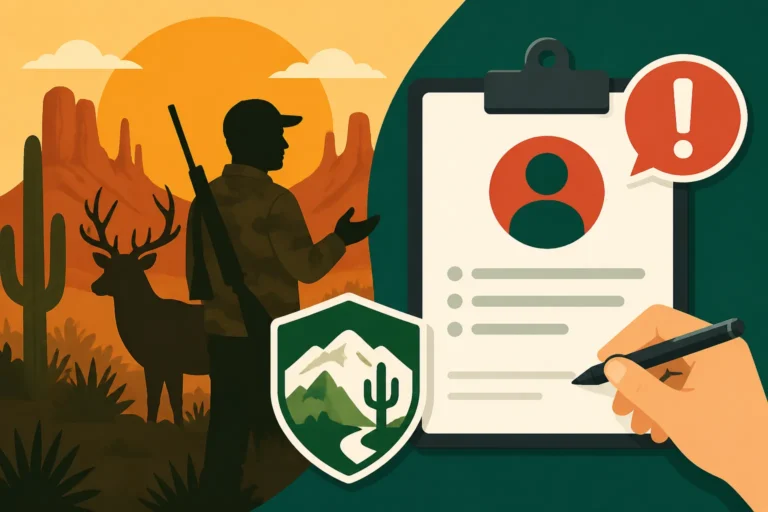
In Arizona, hunting guides and outfitters are required to be licensed by the Arizona Game and Fish Department. Any outfitter who cannot or will not provide proof of their current, valid Arizona Outfitter/Guide license is a major red flag and should be avoided immediately. Operating without the proper license is illegal and puts you, the client, at significant risk.
Beyond the state license, outfitters operating on public lands (like National Forests or BLM land) must also possess the appropriate special use permits for those specific areas. These permits ensure they are operating within federal land use regulations. If an outfitter cannot verify these permits, they may be operating outside the law, and your hunt could be jeopardized or even shut down mid-trip. This is critical for understanding where Outfitters May Camp on Forest Ground and how they conduct their operations.
No Liability Insurance
Accidents can happen in the backcountry, even with the most experienced guides. A professional outfitter will carry liability insurance to protect both themselves and their clients in the event of an unforeseen incident. If a guide seems evasive when asked about their insurance coverage or claims it's unnecessary, walk away.
Asking about their insurance policy is a reasonable question, and a legitimate business will be able to confirm they are covered. While a liability waiver is standard practice for hunting trips, it doesn't absolve the outfitter of all responsibility, and insurance provides a crucial layer of protection for everyone involved. Don't underestimate the importance of this safety net in the rugged Arizona wilderness.
Behavioral and Professional Red Flags
Sometimes, it's not what an outfitter says, but how they say it, or how they conduct themselves, that truly reveals their character and professionalism. Trust your gut.
Pushy Sales Tactics or Pressure to Book Immediately
While outfitters certainly want to book clients, overly aggressive or high-pressure sales tactics are a red flag. If you feel rushed, pressured to make a decision on the spot, or told that "this price is only good for today," it's often a sign that the outfitter is more concerned with closing a deal than ensuring a good fit for you.
A reputable guide will understand that booking a hunt, especially an expensive one in a destination like Arizona, is a significant decision. They will give you time to consider your options, speak with references, and discuss with family or hunting partners. They should be confident enough in their service that they don't need to resort to hard-sell tactics. Remember, you're not just buying a service; you're entering a partnership for an important experience.
Disrespectful or Unethical Conduct
During your interactions, pay attention to any signs of unprofessionalism or unethical behavior. This could manifest as disparaging other outfitters, complaining excessively about past clients, or making light of game laws or ethical hunting practices. These behaviors reveal a lot about a person's character and could indicate a less-than-stellar experience in the field.
A good guide is not only skilled at finding game but also upholds the highest standards of fair chase and conservation. They should be passionate about the resource and respectful of the animals they pursue. Any guide who speaks casually about bending rules, ignoring bag limits, or cutting corners on game recovery is someone to avoid. Your hunt should always be conducted ethically, and your guide should reinforce that commitment. Look for signs that they value Water Sources and Ethics in Arizona Desert Hunting as much as they value success.
Table: Common Red Flags and Actions to Take
| Red Flag Category | Specific Red Flags | Action to Take |
|---|---|---|
| Unrealistic Promises | Guaranteed kill/shot; exaggerated success rates | Ask for verifiable success rates, past client contacts, and realistic expectations. |
| Financial Issues | Hidden fees; vague deposit/cancellation terms | Demand a detailed, written contract outlining all costs and refund policies. |
| Communication | Slow/no response; vague pre-hunt info | Note communication patterns; ask for detailed info well in advance. |
| Reputation | No online presence; negative or absent reviews | Thoroughly research online; seek out independent reviews and testimonials. |
| Legal Compliance | No state license; no public land permits; no insurance | Insist on seeing proof of current Arizona Outfitter/Guide license, permits, and insurance. |
| Behavioral | Pushy sales; unethical talk | Trust your gut; observe their professionalism and ethical stance. |
When you're doing your due diligence, resources like GoHunt or BookYourHunt often provide directories and reviews for outfitters, which can be a good starting point. However, always dig deeper by contacting the outfitter directly and requesting references.
Remember, booking an Arizona hunt should be an exciting process. By being aware of these potential red flags and conducting thorough research, you can significantly increase your chances of partnering with a professional, ethical, and effective outfitter who will help you achieve your hunting goals and create lasting memories in the incredible Arizona wilderness.
Disclaimer
This article is for general informational purposes only and does not constitute professional advice. Laws, prices and regulations vary by location and change over time. Consult a qualified professional for guidance on your specific situation.