What Changed for Arizona Crossbows on January 1
Many Arizona hunters found themselves scratching their heads and perhaps feeling a pang of frustration when the calendar flipped to January 1st, marking a significant shift in the regulations surrounding crossbow use, especially in those coveted archery-only seasons. The rules around hunting equipment, particularly modern options like crossbows, are constantly evolving, and staying on top of these changes can feel like a full-time job. This guide is here to untangle the confusion, explaining exactly what changed, how it impacts your hunting plans, and where crossbows are still a legal and viable option in the Grand Canyon State.
The Major Shift: What Happened on January 1
For many years, crossbows enjoyed a somewhat ambiguous status within Arizona's hunting regulations, often grouped under "archery equipment" for various seasons. This led to a boom in their use, particularly during the advantageous archery-only periods for big game. However, the landscape shifted dramatically, impacting how many hunters approach their annual pursuits.
The End of Archery-Only Eligibility for Crossbows
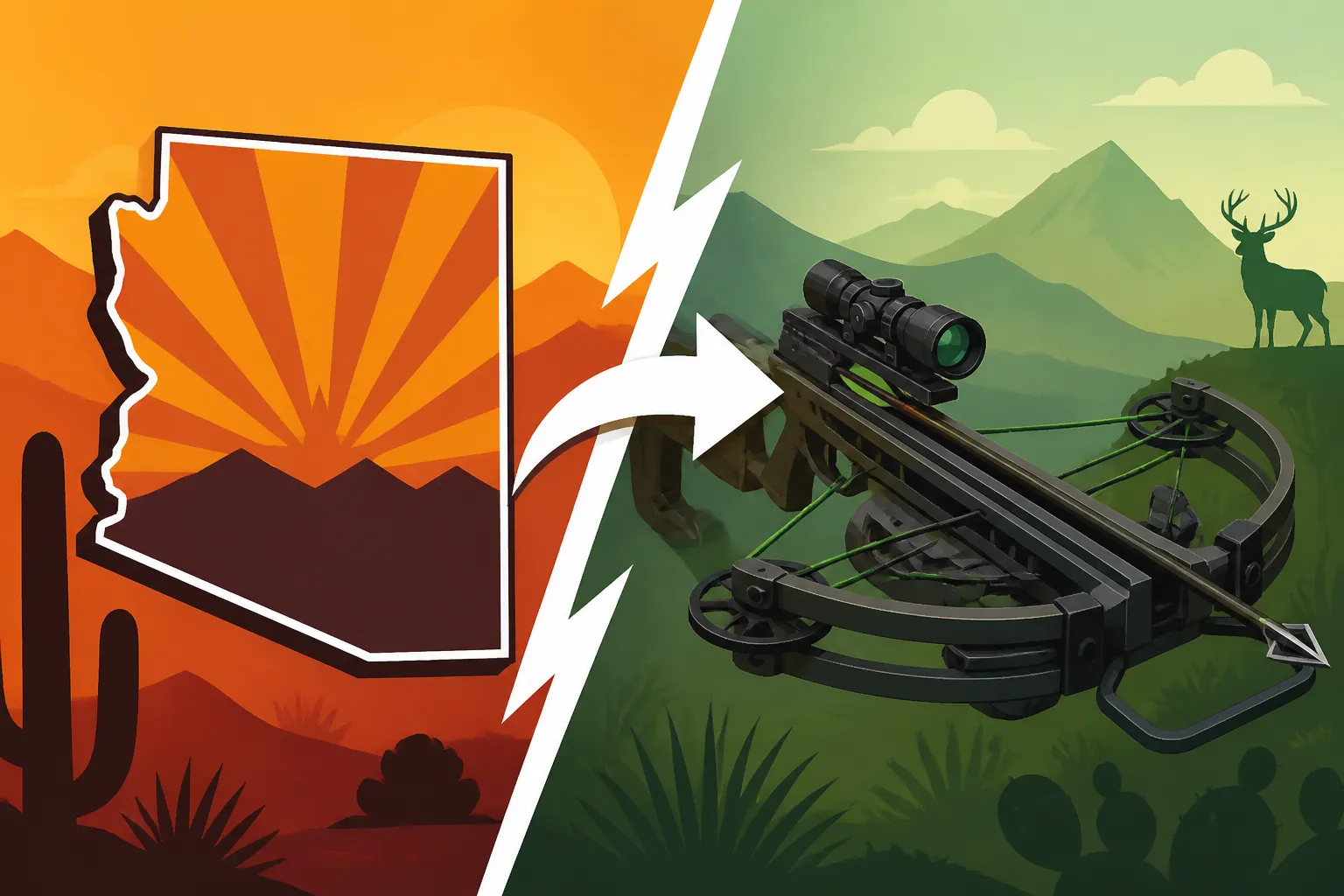
The most impactful change that came into effect on January 1, 2023, was the reclassification of crossbows in Arizona's archery-only big game seasons. Prior to this date, a hunter could legally use a crossbow during these hunts. This was a significant draw for many, offering a longer season length, often less pressure, and the opportunity to hunt with a weapon that many found easier to master than a traditional vertical bow. However, with the new regulations, crossbows are no longer considered legal archery equipment for big game species like deer and elk during archery-only hunts, unless a specific permit is obtained. This was a move many traditional archers had advocated for, citing differences in the physical demands and skill sets required between vertical bows and crossbows.
This change marks a clear line in the sand, separating traditional archery equipment from crossbows for specific hunting opportunities. While the complete phase-out of all crossbow use in all archery-only big game seasons (save for permit holders) is scheduled to be fully implemented by January 1, 2026, the initial January 1st date immediately redefined the field for deer and elk, which are arguably the most popular archery-only pursuits. For many, this meant a sudden pivot in their hunting strategy, or a hard look at their equipment choices. For more details on the full phase-out, you might be interested in reading about how Crossbows Leave Arizona's Archery-Only Seasons in 2026.
The Rationale Behind the Shift
The legislative journey to these new regulations, primarily through the passage of HB2702 in 2022, was not without its passionate debates. On one side, proponents of the change, largely traditional archery advocates, argued that crossbows fundamentally altered the "fair chase" aspect of archery-only seasons. They contended that the characteristics of crossbows—such as their ability to be cocked and held ready, often with magnified optics, and a trigger release—provide an advantage that differentiates them significantly from compound, recurve, or longbows, thus encroaching on the spirit of traditional archery hunting. They felt that the unique challenge and ethical considerations of hunting with a vertical bow were being diluted.
On the other side, many crossbow users, including those with physical limitations, felt that the change restricted their access to the sport and limited their hunting opportunities. They highlighted that crossbows allowed them to continue participating in hunting when a vertical bow might no longer be feasible due to age, injury, or disability. The legislative body ultimately sided with differentiating the weapon types for specific seasons, aiming to preserve what they saw as the integrity of true "archery-only" hunts. It's a discussion that resonates deeply across the hunting community, bringing to the forefront differing philosophies on technology, tradition, and accessibility within the outdoor pursuit.
Navigating the New Archery-Only Landscape
With crossbows largely removed from the archery-only big game equation, hunters who previously relied on them for these seasons now face a choice: adapt to traditional archery equipment or pursue other hunt types where crossbows remain legal. Understanding the new definitions and restrictions is paramount to staying compliant and ethical afield.
Defining "Archery-Only" After the Change
In the post-January 1st regulatory environment, "archery-only" for big game now strictly refers to vertical bows. This means compound bows, recurve bows, and longbows are the approved weapons for these seasons. The Arizona Game and Fish Department (AZGFD) has specific requirements for these bows to ensure humane and ethical hunting. For instance, any vertical bow used for big game must meet Arizona's 30-Pound Minimum for Vertical Bows draw weight at 28 inches or less. This ensures sufficient kinetic energy for a clean kill. Similarly, broadhead regulations are strict; broadheads must be at least 7/8 inch wide. You can delve deeper into Why Arizona Requires Broadheads Wider Than 7/8 Inch to understand the reasoning behind this rule.
For many, this shift represents a significant learning curve. A hunter accustomed to the ergonomics and aiming system of a crossbow may find the transition to a compound or recurve bow challenging. It requires dedicated practice to build the necessary muscle memory, form consistency, and shooting accuracy, especially when considering the closer shot distances typically required for ethical archery kills. The emphasis is now squarely back on the mastery of traditional archery skills for those who wish to partake in these specific seasons.
Weapon Restrictions for Traditional Archery Seasons
Beyond the draw weight and broadhead width, there are other nuances to the weapon restrictions for traditional archery seasons that hunters must observe. While broadheads must meet the minimum width, the legality of different types, such as mechanical broadheads, is also a common question. Fortunately, Are Mechanical Broadheads Legal in Arizona? – the answer is generally yes, provided they meet the minimum width requirement when deployed. However, it’s always crucial to verify the latest regulations, as specifics can be refined year-to-year.
The intent behind these restrictions is to ensure that hunters are using equipment capable of delivering a swift and ethical harvest, aligning with principles of fair chase and responsible hunting. For those making the switch from crossbows, it means investing time not just in target practice, but in understanding the terminal ballistics of their chosen broadheads, the limitations of their effective range with a vertical bow, and the critical importance of shot placement. It's a return to the foundational skills of bowhunting, demanding more from the hunter in terms of physical conditioning, practice, and intimate knowledge of their equipment and quarry.
Where Crossbows Are Still Legal in Arizona
While the news about archery-only seasons may have been disheartening for some crossbow users, it's crucial to remember that crossbows are far from banned in Arizona. They still hold a place in many other popular hunting seasons, offering diverse opportunities for those who prefer to hunt with them.
HAM, Muzzleloader, and General Seasons
This is where crossbows continue to shine for many hunters. They remain a perfectly legal and effective weapon choice in Arizona's "HAM" hunts, which stands for Handgun, Archery, and Muzzleloader. These hunts offer a broader range of weapon choices, and crossbows fit comfortably within that framework. Similarly, if you draw a tag for a muzzleloader-only big game season, you'll often find that crossbows are permitted, considered within the same category of specialized weapons allowed in those hunts. Of course, crossbows are also fully legal during general big game seasons, where rifles, shotguns, and handguns are typically allowed.
This flexibility in HAM, muzzleloader, and general seasons means that crossbow hunters still have ample opportunities to pursue deer, elk, bear, and other big game species. The key is to check the specific hunt code and regulations for your chosen season. For instance, you can find comprehensive details about Crossbows in Arizona HAM, Muzzleloader and General Hunts in the official regulations. This allows hunters to plan their applications strategically, aiming for hunt codes where their preferred weapon is explicitly permitted. The broader weapon allowance in these seasons often means different strategies and typically longer effective ranges compared to vertical bow-only hunts, opening up different types of terrain and shot opportunities.
Small Game and Predator Exceptions
It's also important to clarify that the recent changes regarding crossbows primarily impact big game archery-only seasons. For a vast array of small game species, furbearers, and predators, crossbows generally remain a legal and often highly effective tool throughout Arizona. Whether you're chasing cottontail rabbits, calling in coyotes, or pursuing other small game, a crossbow can be a great choice.
However, even with small game and predators, always double-check the specific regulations for the species and season you intend to hunt. While broadly legal, there can sometimes be localized restrictions or specific season types that might have different rules. For example, while general javelina hunts allow crossbows, if there were ever a specific "archery-only" javelina season (beyond the general OTC Archery Javelina window which does allow vertical bows), the big game archery-only rules would likely apply. Always consult the current Arizona Game and Fish Department regulations booklet to confirm legality for your specific target species and hunt type. This ensures that you're always hunting within the bounds of the law, regardless of the game you're pursuing.
Permits and Exemptions for Crossbow Hunters
While the general rule now excludes crossbows from most big game archery-only seasons, there are crucial exceptions for hunters facing physical challenges. Arizona recognizes the importance of accessibility and offers a permit program to ensure that hunters with disabilities can continue to participate in these popular seasons.
The CHAMP Permit Explained
The primary mechanism for allowing crossbow use in archery-only seasons for those with specific needs is the Physically Challenged Hunter Access/Mobility Permit, widely known as the CHAMP permit. This permit is a lifeline for many hunters who, due to a permanent physical disability, are unable to draw a vertical bow to the minimum draw weight required by Arizona law. The CHAMP permit allows these qualified individuals to use a crossbow during any big game archery-only season, effectively granting them an exemption from the general crossbow restrictions in those specific hunts.
Securing a CHAMP permit is not simply a matter of preference; it requires official documentation and approval from the Arizona Game and Fish Department. It’s a testament to the state's commitment to inclusive hunting opportunities while also maintaining the integrity of weapon-specific seasons. For a deeper understanding of its provisions and how it impacts your hunting choices, you can learn more about What a CHAMP Permit Allows and further explore The Arizona CHAMP Permit and Archery-Only Seasons. This permit acknowledges that not all hunters have the same physical capabilities, and it strives to level the playing field for those who genuinely need it.
Who Qualifies for a Crossbow Permit in Arizona
Qualifying for a CHAMP permit involves meeting specific criteria related to physical disability. Generally, an applicant must provide medical documentation from a licensed physician confirming a permanent physical disability that prevents them from drawing a vertical bow to the minimum legal draw weight. This isn't just about a temporary injury; it's about a lasting condition that impacts one's ability to operate standard archery equipment. The Arizona Game and Fish Department reviews these applications carefully, ensuring that the spirit of the exemption is upheld.
The application process typically involves submitting a formal request along with the required medical verification. It's wise to start this process well in advance of any hunting season application deadlines, as processing times can vary. While historically there might have been discussions of "general crossbow permits" that allowed broader access, the CHAMP permit is now the primary and most significant exemption for using crossbows in Arizona's archery-only big game seasons. For detailed information on the specific requirements and how to apply, you can refer to Who Qualifies for a Crossbow Permit in Arizona through the AZGFD official channels. This permit ensures that hunting remains an accessible passion for those who truly need this accommodation.
Navigating Regulations and Planning Ahead
The world of hunting regulations is always in motion, and Arizona is no exception. Staying informed is not just about compliance; it’s about maximizing your opportunities and making the best decisions for your hunting adventures.
Staying Informed About Regulation Updates
One of the most crucial aspects of responsible hunting in Arizona, especially with the evolving crossbow rules, is to stay relentlessly informed. The Arizona Game and Fish Department (AZGFD) updates its official hunting regulations booklet annually, and sometimes even issues mid-year amendments. It's not enough to simply glance at it; you need to thoroughly Reading the Arizona Hunt Regulations Booklet cover to cover each year, paying particular attention to the weapon details for each species and hunt type. Changes can be subtle, sometimes a single word that alters an interpretation, or a new season framework that opens or closes opportunities.
Beyond the printed (or digital) regulations booklet, the AZGFD website is an invaluable resource. They frequently post news releases, emergency orders, and clarifications that might not make it into the printed booklet right away. Making it a habit to check their "News & Media" or "Hunting & Fishing Regulations" sections before planning an application or heading afield can save you a lot of headaches, or worse, a citation. Relying on outdated information or hearsay is a common pitfall that can derail an otherwise perfectly planned hunt.
Utilizing Digital Tools for Planning
In today's digital age, hunters have an incredible array of tools at their fingertips to help navigate complex regulations and plan their hunts. While the official AZGFD portal is essential, many third-party platforms offer enhanced features that integrate regulation data with powerful mapping and e-scouting capabilities. Platforms like GoHunt, for example, consolidate official regulations, draw odds, and unit information into an easy-to-digest format, often with interactive map overlays. This can be incredibly helpful for hunters trying to understand unit boundaries, land ownership, and even where specific game species are typically found in relation to legal weapon types.
These tools can help you visualize the changes directly on a map, showing you which areas might be affected by specific weapon restrictions or where a particular hunt type is available. When considering a different hunt type where crossbows are still legal, such as a HAM or general season, a tool like GoHunt can assist in identifying potential units that fit your criteria, providing data-driven insights for application strategies. Beyond third-party options, the official A Walkthrough of the Arizona Hunt Portal on the AZGFD website is also a must-visit, offering direct access to your application history, bonus points, and draw results. Leveraging these digital resources can significantly streamline your planning process, ensuring you’re always working with the most current and relevant information.
Adapting to the New Reality
For many crossbow hunters, January 1st marked a forced reconsideration of their approach to Arizona's archery-only seasons. Adaptation is key, whether that means embracing a new weapon or exploring different hunting opportunities.
Equipment and Skill Development
If you've previously relied on a crossbow for archery-only hunts and don't qualify for a CHAMP permit, this might be the perfect catalyst to embrace traditional vertical bow hunting. Transitioning from a crossbow to a compound, recurve, or longbow requires a significant investment in both equipment and time. You’ll need to select a bow that fits you, considering factors like draw length and draw weight. Remember, the state mandates The Minimum Bow Draw Weight Arizona Requires, so ensuring your bow meets this standard is foundational. Getting proficient isn't just about sending arrows downrange; it's about developing consistent form, understanding arrow flight, and learning to judge distances accurately without the aid of magnified optics.
Ethical shot placement becomes even more critical with a vertical bow, often necessitating closer engagements and a deeper understanding of animal anatomy. Practicing regularly, from varying distances and angles, is essential. While crossbows are no longer allowed in archery-only seasons, if you plan to use one in HAM or general hunts, you'll still need to be aware of regulations like The 125-Pound Crossbow Draw Weight Arizona Requires (for older models) and Minimum Crossbow Bolt Length in Arizona to ensure your equipment is legal for those specific applications. The learning curve for vertical bow hunting can be steep, but the rewards of mastering a new skill and connecting with the hunt on a deeper, more challenging level are immense.
Shifting Hunt Strategies
For those who aren't ready or able to switch to a vertical bow, the logical next step is to adjust your hunting strategy to focus on the seasons where crossbows are still permitted. This means looking closely at HAM, muzzleloader, and general big game tags. These hunts often have different application periods and draw odds compared to archery-only seasons, requiring a fresh approach to your annual application process. You might find that the best units for archery-only are not necessarily the best units for general rifle or HAM hunts, due to differences in hunter pressure, terrain suitability for various weapons, or season timing.
This strategic shift might also involve re-evaluating your scouting efforts. E-scouting platforms like GoHunt can become even more vital here, helping you analyze different units for public land access, terrain features conducive to a crossbow hunt, and historical success rates for HAM or general seasons. Remember to consider factors like heat management on an Arizona Early Season Hunt if you're looking at August or September HAM hunts, which can be brutal in the desert. Planning for a HAM hunt also means potentially encountering hunters using handguns or muzzleloaders, so understanding the dynamics of a multi-weapon season is important. Detailed planning, including Scouting an Arizona Unit Before the February Deadline, becomes even more crucial when adapting to new weapon regulations and exploring different hunt types.
Disclaimer
The information provided in this guide is intended for general informational purposes only and does not constitute legal advice. Hunting regulations in Arizona are subject to change and interpretation by the Arizona Game and Fish Department. It is the individual hunter's responsibility to consult the most current official Arizona hunting regulations booklet and any relevant local ordinances before engaging in any hunting activities. Always verify specific rules and regulations with the Arizona Game and Fish Department directly.