How Much to Tip a Hunting Guide
Stepping into the world of guided hunts, especially in a place like Arizona with its unique challenges and incredible opportunities, can feel like navigating a maze. You've thought about the tag, the gear, the physical training, but then a question pops up that often catches hunters off guard: "How much do I actually tip my guide?" It's a common source of anxiety, and frankly, a topic that’s not talked about openly enough. This guide aims to clear up that confusion, offering practical advice on how to approach tipping your hunting guide in Arizona, ensuring your appreciation is shown respectfully and appropriately.
Understanding the Role of Your Guide and Why Tipping Matters
When you book a guided hunt, you're not just paying for access to an area or the chance to harvest an animal. You're investing in an experience, and a huge part of that experience is the person leading you: your guide. In Arizona, where terrain can be brutal and game can be elusive, a good guide is worth their weight in gold.
Beyond the Shot: What Your Guide Really Does
Think about all the things that go into a successful hunting trip, even before you ever lay eyes on an animal. Your guide has likely spent countless hours, often on their own dime, scouting the unit you're hunting. They've hiked miles, set up trail cameras, studied game patterns, and pinpointed water sources, especially crucial in the arid Arizona landscape. Then, during the hunt itself, they're often the first ones up, making coffee, preparing breakfast, and getting everything ready for the day.
Once you’re in the field, they’re glassing, strategizing, carrying heavy packs, offering encouragement, and making critical decisions about stalks and approaches. If you're chasing Coues deer in the Sky Islands, for instance, a guide who knows how to read the thermals and terrain can make all the difference in getting you close enough for a shot. For a big Arizona elk hunt, they might be calling for hours on end, deciphering subtle bugles, and guiding you through dense Ponderosa pine. And when the moment of truth arrives and an animal is down, they’re right there, helping with the physically demanding tasks of field dressing, caping, and packing out meat, often in challenging conditions like the heat of an early archery season. It’s a 24/7 job that blends passion, hard work, and deep knowledge of the land and its wildlife.
The Guide's Income Structure
It’s easy to assume that the significant amount you pay for a guided hunt goes directly into your guide's pocket as a high salary. The reality for many guides, however, is quite different. While some guides might be salaried employees of a larger outfitting business, many operate on a lower base pay, with tips forming a substantial and often critical portion of their overall income. Think of it like waiting tables in a restaurant; while there's a base wage, the tips are what truly allow them to make a living, especially in a seasonal profession.
This structure means that tips aren't just a bonus; they're an expectation built into the financial model of the guiding industry. They reflect not just the success of the hunt, but the effort, professionalism, and dedication the guide puts in. For a guide who invests so much time and personal expense into scouting and preparation, a fair tip acknowledges that their hard work, even if it doesn't result in a harvested animal, is still valuable and deserving of recognition. When you're considering What a Guided Arizona Elk Hunt Costs, remember that the base price for the hunt often covers operational expenses for the outfitter, while the tip directly rewards the individual guide for their labor and expertise.
General Tipping Guidelines for Arizona Hunts
So, how do you figure out a fair amount? There's no single, universally enforced rule, but there are definitely industry standards and common practices that can help you feel confident in your decision.
Standard Percentage Ranges
Generally speaking, a tip for your hunting guide will fall within a percentage range of the total hunt cost. The most common figures you'll hear are 10% to 20% of the hunt's price. This percentage serves as a starting point, a baseline from which to adjust based on the specific circumstances of your hunt. For a multi-day Arizona elk hunt, for example, a 15% tip on a hunt costing several thousand dollars translates into a significant, well-deserved recognition of your guide's efforts.
It's important to remember that this isn't a rigid contract; it's a guideline. If you paid for a particularly high-end hunt, or if you feel your guide went above and beyond in extraordinary ways, you might lean towards the higher end of that spectrum. Conversely, if you felt the service was merely adequate, or if other factors influenced your experience negatively (which we’ll get into), you might consider the lower end. Always clarify with the outfitter if a gratuity is included in the base price, though this is rare for individual guides. Knowing what's covered in What a Fully Guided Arizona Elk Hunt Includes can help you determine the base cost before calculating your tip.
Factors That Influence the Tip Amount
While the percentage range gives you a starting point, the real art of tipping comes in considering the nuances of your specific experience. Many elements contribute to a memorable hunt, and your tip should reflect your guide's impact on those elements.
- Effort and Attitude: This is paramount. Did your guide put in long hours, hustle every day, and maintain a positive, encouraging attitude, even when faced with challenging weather or uncooperative animals? A guide who works tirelessly, is cheerful, and genuinely invested in your success, regardless of the outcome, deserves a strong tip.
- Professionalism and Safety: Your guide is responsible for your safety in potentially dangerous environments. Did they handle firearms responsibly, navigate rugged terrain carefully, and prioritize your well-being? Did they communicate clearly, manage expectations, and show respect for the game and the land? These are non-negotiables that factor into their professionalism.
- Knowledge and Skill: Did your guide demonstrate expert knowledge of the game, the unit, and hunting strategies? For Arizona Coues Guides Sell Glassing, Not Ground, their ability to spot a "gray ghost" at incredible distances and guide a precise stalk is a skill worth rewarding. Did they teach you something new or enhance your understanding of the outdoors?
- Camp Comfort and Logistics: If your hunt included a camp experience, how was it managed? Were meals prepared well? Was the camp clean and comfortable? Did the logistics run smoothly? While some of this falls on the outfitter, the guide often plays a significant role in executing the daily operations. What a Drop Camp Actually Includes often means your guide is also your cook, camp manager, and all-around host.
- Going Above and Beyond: Did your guide do something extra special? Perhaps they retrieved game from a seemingly impossible spot, helped you improve your shooting skills, shared valuable photography tips, or just provided exceptional camaraderie that made the trip truly special. These small but significant acts often warrant a higher tip.
- Hunt Success (But Not Only Success): Yes, harvesting an animal, especially a trophy, is often the goal, and it certainly influences satisfaction. However, a tip should not be solely dependent on whether you punched your tag. A guide has no control over the animals' movements or your shot placement. A guide who works incredibly hard, puts you on game multiple times, but you just can't seal the deal, still deserves a generous tip for their effort. Focus on the opportunity they created, not just the final outcome. Platforms like BookYourHunt or GoHunt often include client reviews that detail these factors, giving you insight into what other hunters value. Before you book, it’s always wise to do your homework and consider Vetting an Arizona Outfitter Before You Send a Deposit to ensure you’re choosing a professional who consistently delivers on these fronts.
Tipping Scenarios and Considerations in Arizona
Navigating the nuances of tipping means thinking about a few specific situations that often arise on guided hunts. It’s not always a straightforward calculation, especially when things don’t go exactly as planned.
Tipping When the Hunt Isn't Successful
This is perhaps the most common point of confusion and, often, guilt for hunters. It's a fundamental misunderstanding to believe that a guide's tip is contingent solely on whether you harvested an animal. Let's be unequivocally clear: your guide's tip should reflect their effort, professionalism, and the overall quality of the experience they provided, not just the success of the shot.
Animals are wild. They have minds of their own, and conditions in Arizona's diverse units – from the scorching deserts for Javelina to the high elevations of the Kaibab Plateau for elk – can change in an instant. A guide can spend months Scouting an Arizona Unit Before the February Deadline, put you on a prime bull three days in a row, and still, for various reasons, you might not come home with meat. Perhaps the shot didn't connect, or the animal simply vanished into thick cover. Your guide cannot control these outcomes. What they can control is their dedication, their knowledge, their effort in getting you those opportunities, and their commitment to making your time in the field valuable and memorable. If your guide worked tirelessly, scouted hard, created multiple opportunities, and maintained a positive attitude, they've earned their tip, often at the higher end of the spectrum. Don't let the absence of a filled tag diminish your appreciation for their hard work. Looking into Outfitter Success Rates in Arizona can give you a realistic expectation of harvest odds, reinforcing that success is never guaranteed, even with the best guide.
Tipping Support Staff and Multiple Guides
On many Arizona hunts, especially longer or more complex ones like a remote elk hunt in the White Mountains or a tough mule deer hunt in the Arizona Strip, your primary guide might not be the only person working behind the scenes. There could be assistant guides, cooks, wranglers, or packers who contribute significantly to your experience.
If your hunt involves support staff, it’s good etiquette to ask your head guide how tips are typically handled. Sometimes, your main guide will pool all tips and distribute them among the entire crew. Other times, it's expected that you tip each individual directly, based on their specific role and contribution. For instance, a dedicated camp cook on a week-long hunt, or a packer who skillfully navigated a string of horses to get your elk out of a deep canyon, definitely deserves a portion of your appreciation.
Consider carrying smaller denominations of cash for this purpose. A general rule of thumb is to give your primary guide the larger portion of your tip, and then allocate smaller, yet meaningful, amounts to the support staff based on their service. A simple "thank you" with a handshake and a separate amount of cash for the cook or a packer shows you've noticed and valued their specific contributions to your comfort and the hunt's logistics.
When the Experience Falls Short
While most guided hunts in Arizona are positive experiences, there's always a rare chance that things don't go as planned, and the service genuinely falls short. We’re not talking about bad luck with animals here, but rather a guide who was disengaged, unprofessional, unsafe, unprepared, or simply didn't deliver on the promises made by the outfitter.
In such a scenario, where the guide's performance or attitude was genuinely poor, you are absolutely within your rights to adjust your tip downwards, or even withhold it entirely if the situation was egregious. This is a tough decision, and it’s one that shouldn’t be made lightly or out of frustration from not filling a tag. This decision should only be made if the guide's actions were truly substandard and negatively impacted your safety, enjoyment, or the ethical pursuit of game.
If you find yourself in this situation, it's often best to address your concerns with the outfitter directly, calmly, and professionally. They need to know if one of their guides isn’t meeting expectations. While tipping is a personal choice, it also serves as feedback. A reduced tip, accompanied by constructive, respectful feedback to the outfitter, can be a powerful way to communicate dissatisfaction without being accusatory or emotional. This is also where your initial research and due diligence, perhaps looking into reviews on platforms like GoHunt or checking references, really pays off.
How to Deliver the Tip
The way you present your tip is almost as important as the amount itself. It should be handled discreetly and respectfully at the end of the hunt, ideally when you're saying your final goodbyes.
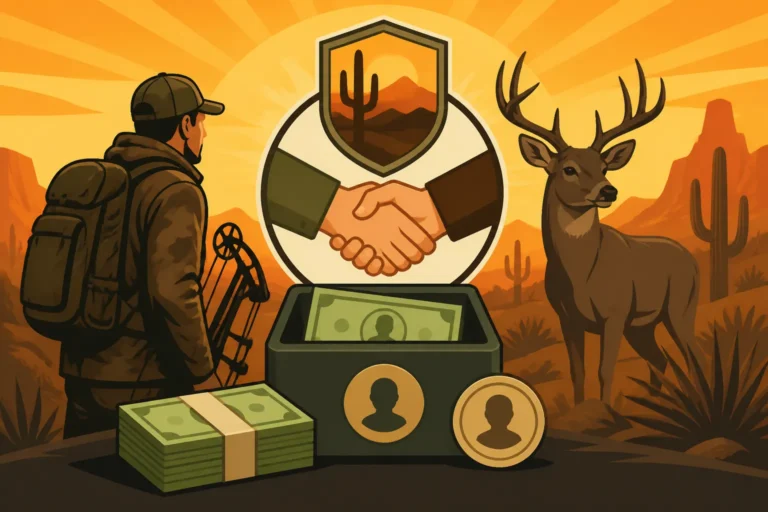
- Cash is King: For individual guides and support staff, cash is almost always preferred. It’s immediate, universally accepted, and avoids any potential delays or fees associated with checks or digital payments. Make sure you have the cash readily available, in various denominations if you plan to tip multiple people.
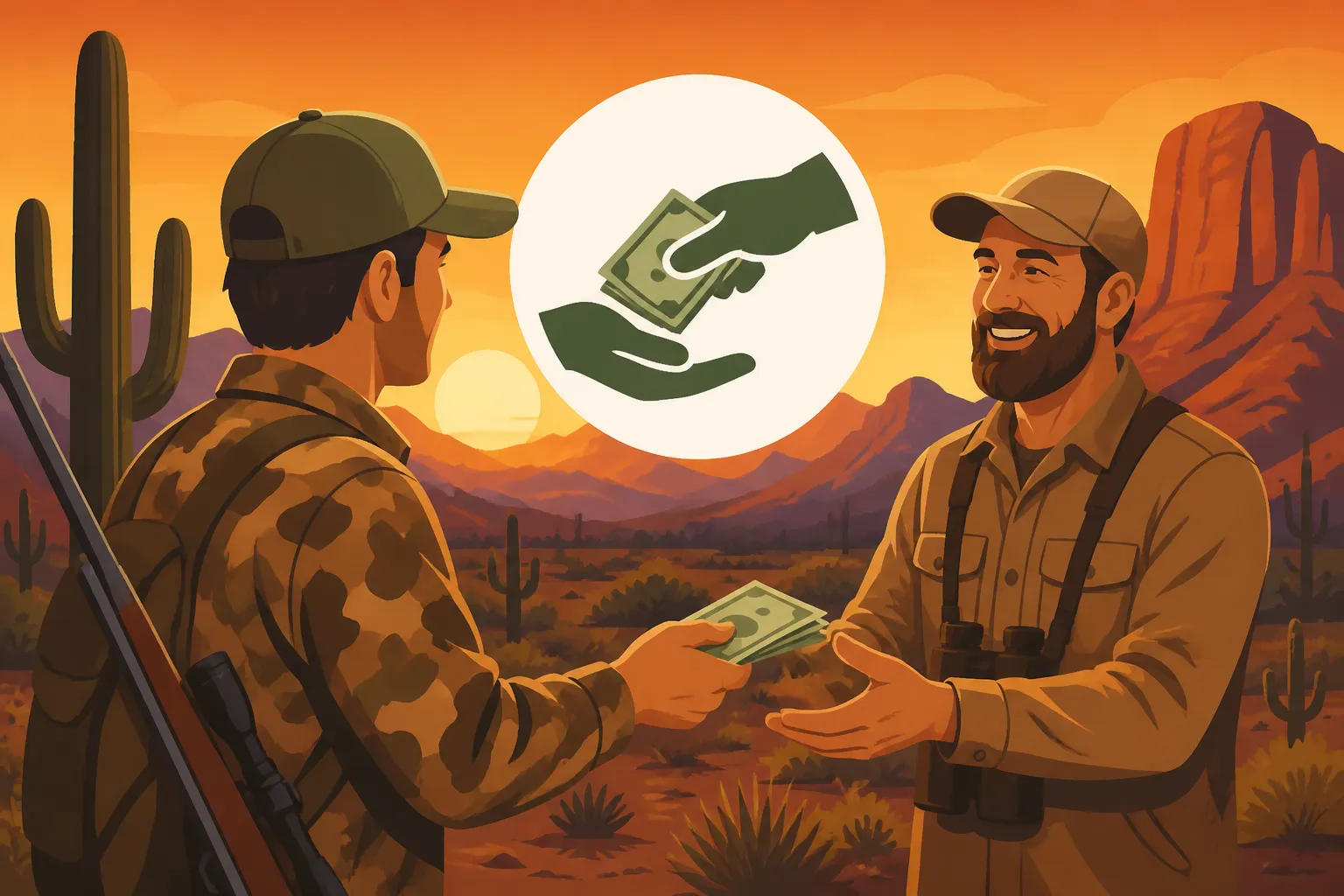
- The Private Handshake: Find a moment to speak with your guide one-on-one, away from other clients or staff if possible. Extend your hand, look them in the eye, and express your genuine appreciation for their hard work and the experience they provided. As you shake hands, discreetly slip them the folded cash. A simple statement like, "John, I really appreciate everything you did this week. Thank you for a great hunt," goes a long way.
- Timing: The end of the hunt is the appropriate time. Don't wait until you've left camp or driven halfway home. Presenting the tip before you depart allows for that personal exchange and ensures your appreciation is immediately felt.
- Checks (If Necessary): If you're carrying a significant amount of cash or if it's an arrangement with the outfitter, a check made out to the guide can be acceptable. However, cash is generally easier and more immediate for the guide.
Remember, the goal is to convey genuine gratitude for their efforts. The discreet nature of the transaction respects the guide’s professionalism and makes the moment about sincere thanks rather than a public spectacle.
Practical Tips for Budgeting and Planning Your Tip
Tipping can feel like a last-minute detail, but it's a crucial component of any guided hunt. Planning for it from the outset ensures you can adequately show your appreciation without stress.
Incorporating Tips into Your Hunt Budget
One of the biggest mistakes hunters make is forgetting to budget for the tip until the very end of the trip. The cost of a guided hunt, especially for big game in Arizona like elk or bighorn sheep, is substantial. Adding another 10-20% on top of that can come as a shock if you haven't planned for it.
Before you even send in your application for a coveted Arizona tag or sign a contract with an outfitter, calculate the potential tip amount and set that money aside. Treat it as a non-negotiable part of the overall hunt cost, just like your license, tag, travel, and gear. This proactive approach prevents any awkward financial surprises at the end of an incredible (or even challenging) experience. Knowing the Typical Deposit Amounts Arizona Outfitters Ask can give you an early heads-up on your initial cash outlay, allowing you to mentally add the tip to your total expected cost well in advance. Consider it part of your overall investment in a high-quality Arizona hunting adventure.
Researching Outfitter Expectations
While the 10-20% guideline is generally accepted, it never hurts to do a little extra research. Sometimes, outfitters will subtly indicate their expectations or general practices.
- Read the Contract/Booking Information: Carefully review all the paperwork provided by your outfitter. Occasionally, a recommended gratuity percentage or a statement about how tips are handled might be included.
- Check Reviews and Testimonials: Look at reviews on reputable hunting platforms like BookYourHunt or GoHunt. Many hunters will mention their positive experiences and might even allude to the value they placed on their guide's service, offering clues about general client satisfaction.
- Ask Politely (But Carefully): If you’re still unsure, you can politely ask the outfitter or their booking agent during your initial conversations. Phrases like, "What is the customary practice for gratuities with your guides?" or "Should I plan to tip individual guides or the outfitter for distribution?" are perfectly acceptable. Avoid asking your guide directly about tipping, as it can put them in an uncomfortable position. When reviewing your Questions Worth Asking Before You Book, make sure tipping is on that list for the outfitter or booking agent.
Being prepared with this knowledge will not only give you peace of mind but will also demonstrate your respect for the guide and the outfitting operation.
The Value of a Good Review and Referral
Beyond the monetary tip, there are other powerful ways to show your appreciation for an outstanding guide and outfitter. These non-monetary gestures can have a lasting impact on their business and reputation.
- Write a Glowing Review: Take the time to write a detailed, heartfelt review on the outfitter's website, Facebook page, or on hunting forums and booking sites like BookYourHunt and GoHunt. Highlight specific instances where your guide excelled, mentioned them by name, and explain what made your hunt so special. This is incredibly valuable for their marketing and helps future clients make informed decisions.
- Share Your Photos: Offer to share high-quality photos and videos from your hunt with the outfitter. These can be fantastic assets for their promotional materials, showcasing their success and the beauty of Arizona's hunting grounds.
- Referrals are Gold: If you had an exceptional experience, tell your hunting buddies! Personal recommendations are one of the most effective ways for outfitters and guides to gain new clients. A positive word-of-mouth referral is a huge compliment and a direct pipeline to future business for them.
- Rebooking: The ultimate compliment to a guide is to rebook another hunt with them, if your schedule and draw odds allow. This shows immense trust and satisfaction in their abilities. Even if you can't rebook, staying in touch and wishing them well on future seasons is a nice touch.
- Thank You Note: A handwritten thank you note, especially if you send it after the trip with photos, can be a very personal and memorable way to express your gratitude. In an age of instant digital communication, a physical card stands out.
Remember, a guide's career thrives on reputation and positive experiences. Your monetary tip handles their immediate financial needs, but your positive feedback and continued support help build their long-term success. It's a win-win for everyone in the hunting community.
Here’s a quick overview of how different factors might influence your tipping decision:
| Factor | Lower Tip (e.g., 10%) | Standard Tip (e.g., 15-20%) | Higher Tip (e.g., 20%+) |
|---|---|---|---|
| Guide's Effort | Minimal, disengaged, unprepared | Consistent, professional, diligent | Exceptional, goes above and beyond |
| Hunt Success (Opportunity) | Opportunities were scarce, uninspired | Multiple opportunities, good effort | Dream animal, exceptional strategy, many chances |
| Professionalism | Lapses in safety, poor communication | Maintained high standards, clear communication | Ultra-vigilant, proactive, educational |
| Camp & Logistics | Basic, unhygienic, unorganized | Comfortable, good food, smooth operations | Luxury, personalized, seamless experience |
| Attitude/Camaraderie | Grumpy, quiet, unapproachable | Friendly, helpful, pleasant company | Enthusiastic, inspiring, great connection |
| Extra Services | None beyond basic guiding | Assisted with field care, minor requests | Photography, advanced tracking, personalized touches |
Disclaimer
This article is for general informational purposes only and does not constitute professional advice. Laws, prices and regulations vary by location and change over time. Consult a qualified professional for guidance on your specific situation.