San Carlos Apache Hunt Costs
The allure of hunting the magnificent game animals found on Arizona's San Carlos Apache Reservation is a dream for many, but the journey often begins with a pressing question: what exactly does it cost? It's not just about a simple tag fee; understanding the true financial commitment for these unique opportunities requires delving into a system separate from the state draw and often involves significant investment in guided services, making the overall cost a complex puzzle for aspiring hunters. This guide will meticulously break down the various financial components involved in pursuing a hunt on the San Carlos Apache tribal lands, offering clarity on the significant investment required and what that investment typically covers.
The Unique World of San Carlos Apache Hunts
Hunting on the San Carlos Apache Reservation isn't like applying for a state tag through the Arizona Game and Fish Department draw. This sovereign nation manages its wildlife and hunting programs independently, offering some of the most sought-after big game hunts in the entire Southwest. This distinction is crucial because it means different rules, different application processes, and, significantly, a completely different cost structure. You're not just buying a license; you're entering into an agreement for a premium hunting experience managed directly by the tribe.
Separated from the State Draw
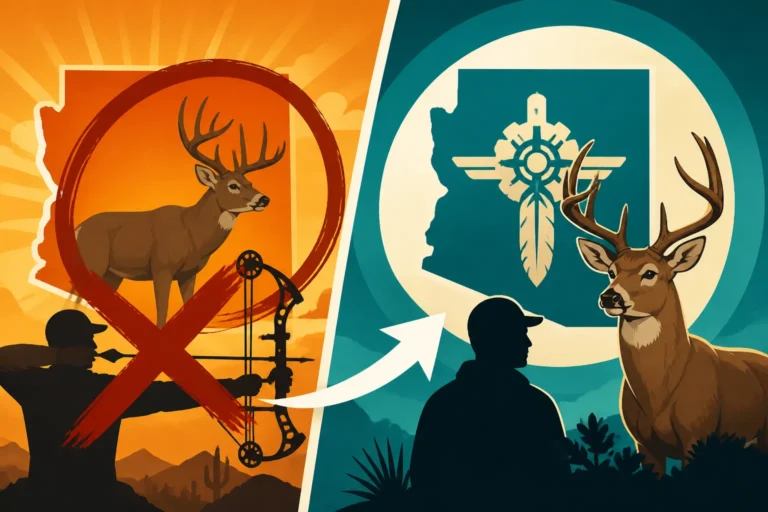
Unlike the standard Arizona draw cycles for elk, deer, or bighorn sheep, the San Carlos Apache Tribe has its own distinct allocation process. This independent system allows the tribe to manage its wildlife resources, set its own seasons, and determine the number of tags issued, often prioritizing trophy potential and a high-quality hunting experience. This is Why Tribal Tags Sit Outside the State Draw is such an important concept to grasp from the outset. You won't find San Carlos Apache tags listed on the Arizona Game and Fish Department portal, and applying for state tags will not give you a bonus point for a tribal hunt.
Premium Opportunities for Trophy Animals
The San Carlos Apache Reservation is renowned for producing exceptional quality animals, particularly trophy elk and desert bighorn sheep. The limited number of tags issued for these hunts directly contributes to the high success rates and the potential for harvesting truly world-class animals. This reputation for quality animals is a primary driver behind the significant cost, as hunters are paying for access to some of the best genetics and management in the region. These hunts are often once-in-a-lifetime opportunities for many, due to both the cost and the difficulty of securing a tag.
The Role of Tribal Outfitting
Many, if not all, San Carlos Apache big game hunts require the use of a tribal-approved outfitter or guide. This isn't just a recommendation; it's often a mandatory part of the hunt package. These outfitters are deeply familiar with the terrain, the wildlife, and the specific regulations of the reservation. They provide the necessary logistical support, expertise, and often the specialized equipment needed to succeed in this unique environment. This mandatory guided service is a major component of the overall cost and distinguishes these hunts from many DIY public land opportunities in the state. Hunting Arizona Tribal Land Through an Operator delves into this relationship further.
Deconstructing the San Carlos Apache Hunt Costs
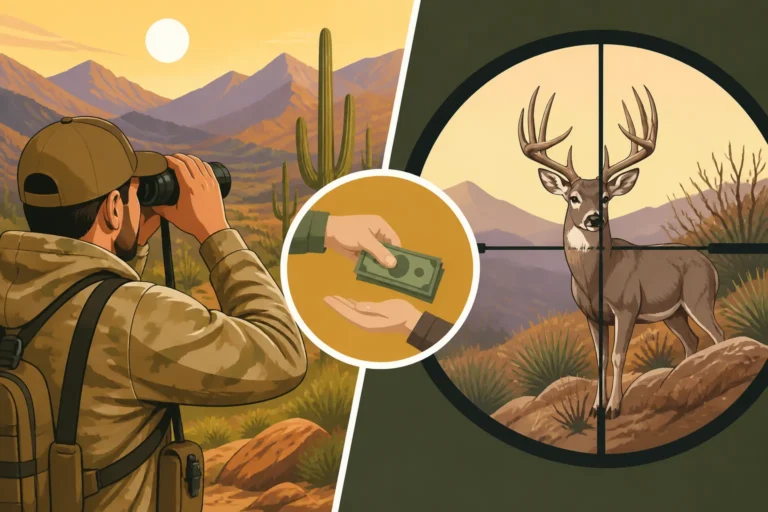
When you start to explore a hunt on the San Carlos Apache Reservation, you'll quickly realize that the "cost" is a multifaceted figure, comprising several distinct elements. It's not merely a price tag for a license; it's an all-encompassing fee that covers access, professional guidance, and often a host of other services. Breaking these down helps in understanding where your money goes and why these hunts represent a substantial investment.
Core Tag Fees and Reservation Permits
At the heart of any tribal hunt is the actual tag or permit fee. These fees are set by the San Carlos Apache Tribe and can vary significantly depending on the species. Trophy elk, for example, will command a far higher tag fee than a javelina hunt. These fees are mandatory and grant you the legal right to pursue and harvest an animal within the reservation's boundaries for a specified season. This is the first, often substantial, financial gatekeeper for these hunts. Remember, these fees are paid directly to the tribe, not the state of Arizona.
Mandatory Outfitter and Guide Services
As mentioned, most big game hunts on the San Carlos Apache Reservation require a tribal-approved outfitter. The cost of this service is typically rolled into the overall hunt package price. This isn't just a friendly face leading the way; it's a comprehensive service that includes:
- Experienced Guides: Professionals who know the land, animal behavior, and tracking techniques.
- Logistics: Transportation within the reservation (often 4×4 vehicles, ATVs, or even horses), camp setup, and equipment.
- Accommodations: Depending on the hunt, this could range from comfortable tent camps to more rustic cabins, often including meals.
- Game Retrieval and Field Care: Assisting with the recovery of your animal, field dressing, and transport to a processing facility.
The quality and reputation of the outfitter, as well as the duration of your hunt, will heavily influence this portion of the cost. A multi-day elk hunt with full camp services will naturally be a much higher investment than a shorter, less intensive opportunity. This is where researching reputable outfitters, perhaps through platforms like BookYourHunt or by reading reviews, becomes essential, though actual booking usually happens direct with tribal-approved operators.
Potential Trophy Fees and Additional Charges
Some hunts, particularly for certain trophy species, may include additional "trophy fees." These are sometimes structured as a bonus payment if a certain size or score of animal is harvested, or simply as an upfront premium for the chance at such an animal. It's vital to clarify with the outfitter if any such fees apply and how they are calculated. Beyond trophy fees, other potential costs to consider include:
- Meat Processing: Once an animal is harvested, you'll need to pay for professional processing, which can be done on or near the reservation.
- Taxidermy: If you plan to have your trophy mounted, this is a separate, significant expense. Your outfitter can often provide trusted referrals for taxidermists familiar with tribal requirements for capes and antlers.
- Gratuities: It's customary to tip your guides and camp staff for their hard work and dedication. This should be factored into your overall budget. How Much to Tip a Hunting Guide can provide general guidance here.
- Travel Expenses: Getting to the reservation, whether by flying into a regional airport like Phoenix or Tucson and renting a vehicle, or driving your own, adds to the bill.
- Personal Gear: While outfitters provide many essentials, you'll still need your own hunting clothing, optics, and personal items appropriate for the Arizona environment, especially for a Preparing for Heat on an Early Season Hunt.
Here's a breakdown of the typical cost components and their general impact:
| Cost Component | Description | Impact on Total Cost |
|---|---|---|
| Tribal Tag/Permit Fee | Mandatory fee paid to the San Carlos Apache Tribe for the right to hunt. | Significant |
| Outfitter/Guide Service | Fee for professional guidance, logistics, camp, and support. | Very Significant |
| Trophy Fee (if applicable) | Additional payment, often for harvesting a particularly large animal. | Variable (High) |
| Meat Processing | Cost to butcher, package, and possibly freeze your harvested animal. | Moderate |
| Taxidermy | Expense for preserving and mounting your trophy. | Significant |
| Gratuities for Guides/Staff | Customary tips for services rendered. | Moderate |
| Travel & Lodging (Pre/Post) | Costs to get to the reservation and any necessary overnight stays outside camp. | Variable |
| Personal Gear/Supplies | Your own hunting clothing, optics, ammunition, etc. | Variable |
Payment Schedules and Refund Policies
When booking a San Carlos Apache hunt, expect a structured payment schedule, often requiring a substantial deposit upfront, with the remainder due closer to the hunt date. It's absolutely critical to understand the outfitter's cancellation and refund policy, especially if you fail to draw a tag or if unforeseen circumstances arise. Reading the Cancellation and Refund Terms and Whether You Get a Refund If You Fail to Draw are crucial topics for any hunter making a large financial commitment to a draw-based hunt, even one outside the state system.
The Value Proposition Behind the Investment
It's easy to look at the numbers and feel overwhelmed, but the costs associated with San Carlos Apache hunts reflect a unique value proposition. These aren't just any hunts; they are carefully managed experiences designed to deliver exceptional quality and a deep connection to the land and its wildlife.
Unparalleled Trophy Potential and Success Rates
The San Carlos Apache Reservation is often cited as a premier destination for trophy elk and bighorn sheep. The intensive management practices, coupled with limited hunting pressure, allow animals to reach full maturity and express their genetic potential. This translates into high success rates for hunters and a strong likelihood of harvesting a truly remarkable animal. When you commit to a San Carlos Apache Trophy Hunts experience, you are buying into this proven track record of quality.
Exclusive Access and Limited Pressure
One of the most valuable aspects of hunting on the San Carlos Apache Reservation is the exclusivity. With limited tags issued, the hunting pressure is significantly lower than on most public lands. This means a more intimate hunting experience, less competition from other hunters, and animals that are generally less pressured and predictable. This reduced pressure contributes to higher success and a more enjoyable, quality hunt. Many hunters dream of access to grounds where they don't constantly bump into other groups, and tribal lands offer that.
Supporting Tribal Conservation and Community
The revenue generated from these hunts directly benefits the San Carlos Apache Tribe, supporting their wildlife management efforts and various community programs. Hunters are not just paying for a hunt; they are contributing to the conservation of these magnificent animals and the economic well-being of the tribal community that stewards these lands. This aspect adds another layer of value to the investment, knowing your contribution helps sustain both the wildlife and the people who live on the reservation.
Navigating the Booking Process and Managing Expectations
Considering the significant investment, approaching a San Carlos Apache hunt requires careful planning, thorough research, and clear communication with potential outfitters. It's a journey that starts long before you ever set foot on the reservation. Many hunters find resources like GoHunt valuable for general hunt planning and researching state units, and while the Apache lands are different, the principles of research and preparation are universal.
Researching Approved Outfitters
The first step is to identify tribal-approved outfitters who are permitted to guide on the San Carlos Apache Reservation. These outfitters will be your primary point of contact and will guide you through the process of applying for a tag (if applicable for your chosen species) and booking your hunt. Look for outfitters with a strong reputation, extensive experience on the reservation, and positive testimonials. Vetting an Arizona Outfitter Before You Send a Deposit is absolutely paramount here. Don't be shy about asking for references from past clients.
Asking the Right Questions
Once you've identified potential outfitters, engage them with a comprehensive list of questions. Be specific about the hunt you're interested in and clarify every detail regarding costs, inclusions, and exclusions. Key questions include:
- What is the all-inclusive price for the hunt, including tag fees and guide services?
- Are there any additional trophy fees, and how are they calculated?
- What is included in the guide service (e.g., meals, lodging, transportation, field care, caping)? What Outfitter Prices Leave Out can help you formulate specific questions.
- What is the hunt duration and typical daily schedule?
- What are the payment terms, deposit requirements, and cancellation policy?
- What are the typical success rates for this specific hunt?
- What gear should I bring, and what does the outfitter provide?
- How far in advance do hunts typically book? Why Arizona Outfitters Book Years Ahead on Elk is a common reality even for tribal hunts.
A transparent outfitter will be happy to answer all your questions and provide a detailed contract outlining all aspects of the hunt and its associated costs.
Planning Your Financial Commitment
Given the substantial cost, it's wise to plan your finances well in advance. Consider establishing a dedicated savings plan for this investment. Some outfitters may offer payment plans, but generally, expect to pay a significant portion upfront and the remainder before the hunt commences. Don't forget to budget for incidental expenses like tips, meat processing, taxidermy, and travel that may not be included in the base price. Approaching it with a clear financial picture from the start will help manage expectations and avoid any unwelcome surprises down the road.
Remember, a San Carlos Apache hunt is more than just a hunt; it's an experience rooted in tradition, incredible wildlife, and stunning landscapes. Understanding the costs involved is the first step toward making that dream a reality.
Disclaimer
This article is for general informational purposes only and does not constitute professional advice. Laws, prices and regulations vary by location and change over time. Consult a qualified professional for guidance on your specific situation.