Do Nonresidents Need a Guide in Arizona?
The thought of hunting in Arizona, with its vast, rugged landscapes and diverse big game, is a dream for many. But if you’re coming from out of state, the sheer scale of the units, the unique challenges of the desert and mountains, and the sometimes-intricate regulations can feel like a monumental hurdle. A common question that keeps nonresident hunters up at night is whether they need to hire a guide to navigate this incredible but demanding state. This guide will clarify the legal landscape and practical considerations for nonresidents wondering about guided hunts in Arizona.
The Legal Lowdown: Is a Guide Required for Nonresidents in Arizona?
Let's cut right to the chase because this is often where the biggest misconception lies. Many states have different rules, and it's easy to assume that a complex hunting destination like Arizona might mandate professional assistance for those new to its terrain.
No Legal Mandate for Most Hunts
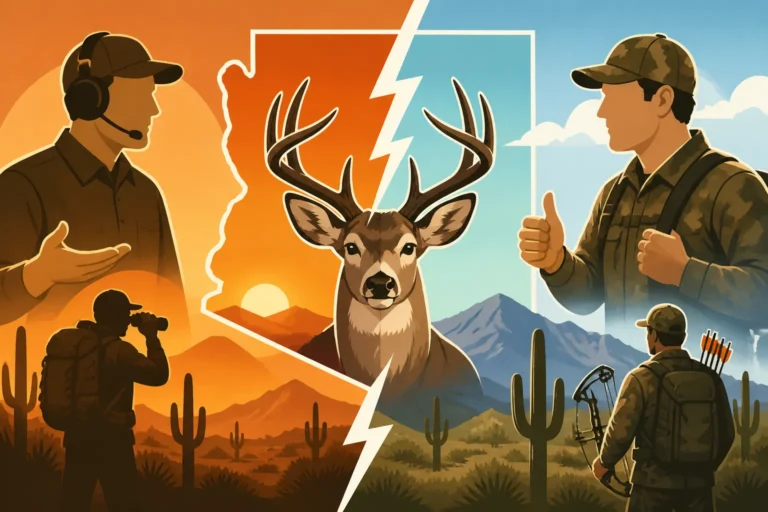
For the vast majority of big game hunts across Arizona's public lands—which make up a significant portion of the state—nonresidents are not legally required to hire a guide. That's right, you heard it correctly. As long as you possess the proper hunting license and the specific tag for the unit and species you're pursuing, you are legally entitled to hunt on accessible public land without a guide by your side. This applies whether you've drawn a coveted elk tag for the Mogollon Rim or secured an over-the-counter archery deer tag for the Sky Islands. The freedom to pursue game independently is a cornerstone of Arizona's hunting opportunities, welcoming both residents and nonresidents alike to explore its wild spaces on their own terms.
This doesn't mean it's easy, of course. The legal permission to hunt doesn't magically bestow upon you years of local knowledge, understanding of animal behavior, or the physical conditioning required for an Arizona hunt. It simply means that from a regulatory standpoint, you're cleared to embark on your adventure without paying a guide. The biggest hurdles you'll face will be practical, not legal.
When a Guide Might Be Practically Essential, Not Legally Required
While the law doesn't often require a guide, there are situations where hiring one might transition from a helpful option to a near-necessity, particularly for nonresidents who are unfamiliar with Arizona. These scenarios usually revolve around the extreme challenges presented by specific hunts or species.
Consider hunts for desert bighorn sheep or bison on the House Rock Wildlife Area. These are incredibly difficult-to-draw, once-in-a-lifetime tags, often occurring in some of the most remote and rugged terrain Arizona has to offer. The animals themselves are elusive, and access can be treacherous. For such a rare and significant opportunity, even experienced hunters often opt for a guide. The guide's knowledge of the specific unit, historical animal patterns, water sources, and recovery logistics can be the difference between success and a deeply disappointing outcome on a tag you may never draw again. In these cases, while not legally mandated by the state, the practical benefits of a guide become so compelling that it's the default choice for many hunters. Always check the specific regulations for any trophy or special tags you might draw, as these are the rare instances where additional stipulations could apply, or where the hunt is so specialized that outfitters have exclusive access arrangements.
Why Nonresidents Often Consider a Guide: Tackling Arizona's Unique Challenges
Even with the knowledge that a guide isn't usually legally required, many nonresident hunters still seriously consider hiring one. This isn't about legal compliance; it's about addressing the very real, often overwhelming, practical challenges of hunting a state as diverse and demanding as Arizona.
Unfamiliar Terrain and Diverse Species
Arizona is a land of extremes and incredible ecological diversity. You might imagine vast, flat desert, but the reality is far more complex. The state boasts everything from low Sonoran Desert cactus forests to high-elevation ponderosa pine and aspen groves, and rugged "sky island" mountain ranges that soar over the desert floor. Each of these environments presents unique challenges and holds different game species.
If your hunting experience primarily comes from the oak forests of the Midwest or the dense timber of the Pacific Northwest, trying to find Coues Deer Are Arizona's Signature Whitetail in the thorny, brushy hills of the Coronado National Forest or glassing for Mule Deer Across Arizona's Northern Plateaus on the vast Kaibab Plateau can be a completely different ballgame. Similarly, pursuing Arizona Elk on the Rim, White Mountains and Kaibab requires an understanding of their seasonal movements through specific drainages and timber blocks that you simply won't gain from a map alone. Guides possess intimate knowledge of these micro-climates, animal patterns, and hidden sanctuaries, saving you days, if not weeks, of frustrating trial and error.
Navigating Regulations, Draw Cycles, and Public Land Access
Arizona's hunting regulations and land ownership can be baffling for newcomers. The state operates on a complex draw system for most big game, with specific application periods and bonus point systems. Understanding the nuances of these draws is a hunt in itself! Beyond the draw, knowing where you can legally hunt is another layer of complexity.
Arizona has a patchwork of public lands, including vast tracts managed by the Bureau of Land Management (BLM) and the U.S. Forest Service, which are generally open to hunting with a valid license and tag. However, there are also millions of acres of Arizona State Trust Land Needs a Permit, and Your License Counts, which requires a state hunting license to access for recreational purposes—an important distinction many nonresidents might miss. Then there's private property, national parks (where hunting is generally prohibited), and tribal lands, each with its own set of rules and permit systems. Distinguishing between BLM and Forest Ground Across Arizona Needs No Permit and other land types, and understanding travel restrictions, can be a full-time job. A guide can serve as your personal interpreter for this complex regulatory map, ensuring you don't inadvertently trespass or violate local rules. Many services, including platforms like GoHunt, offer valuable mapping and draw odds tools that can assist with this research, but nothing replaces boots-on-the-ground knowledge.
Maximizing Limited Time and Opportunity
For nonresidents, an Arizona hunt represents a significant investment of time and money. Travel costs, lodging, licenses, and tags all add up. Many hunters only have a week or so of vacation time to dedicate to their hunt. When you factor in the low draw odds for some premier tags and the sheer difficulty of the terrain, going into a hunt blind can feel like flushing that investment down the drain.
This is where the pragmatic argument for a guide truly shines. A guide’s pre-scouting, existing knowledge, and logistical support mean you hit the ground running. Instead of spending your precious first few days locating game, learning the roads, or finding a suitable camp, you can be actively hunting from day one. For a once-in-a-lifetime elk tag or a hard-won mule deer permit, maximizing every single minute in the field significantly increases your odds of success and makes the entire experience more efficient and enjoyable. The goal is to make the most of that limited window, and a guide is often the fastest track to achieving that.
The Value a Guide Adds: Beyond Just "Finding Game"
Hiring a guide isn't just about paying someone to point out an animal. It's about leveraging expertise, logistical support, and a deep understanding of the environment that can profoundly enhance your hunting experience, especially for nonresidents.
Expert Knowledge of Units and Animal Behavior
A good Arizona guide is much more than just a hunter; they are a walking encyclopedia of their assigned units. They live and breathe the landscape, often scouting for months leading up to a season. This translates into an invaluable understanding of:
- Animal Patterns: They know where Water Sources That Concentrate Arizona Desert Game are, how different species use bedding areas at various times of day, and how herds respond to hunting pressure, moon phases, and weather changes. This is critical for species like Coues deer, which can vanish into thin air, or elk, which might shift their entire patterns based on a single rainstorm.
- Terrain Navigation: They understand the most efficient and safest ways to traverse rugged canyons, dense scrub, or steep mountain slopes. They know which ridges offer the best glassing vantage points and which draws hold hidden game.
- Micro-Habitat Specifics: A guide can identify subtle changes in vegetation or terrain that might indicate prime feeding grounds or crucial travel corridors that a nonresident, even with maps, would likely overlook. They’ve seen Reading Fresh Elk Sign in Ponderosa Timber countless times and can instantly interpret its age and relevance.
This depth of knowledge means you're not just looking for an animal; you're hunting with a strategic advantage built on years of direct observation.
Logistics, Equipment, and Physical Demands
Hunting in Arizona can be physically brutal, especially during early seasons when temperatures can soar, or in the high country where elevation and steepness are constant companions. A guide often takes on the brunt of the logistical burden, allowing you to focus on the hunt itself.
- Camp and Comfort: Guides typically handle setting up comfortable camps, whether it's a wall tent in the pines or a more rustic spike camp. This often includes cooking, ensuring you have hearty meals and a place to rest after a long day.
- Gear and Optics: Many outfitters provide essential gear, including high-quality spotting scopes, tripods, and other optics that can be prohibitively expensive for a one-off nonresident trip. Having top-tier Optics Power for Arizona's Long Desert Sightlines is crucial for spotting game in vast desert or mountain environments.
- Game Retrieval: This is perhaps one of the most underestimated aspects of an Arizona hunt. Down an elk or mule deer in a steep, remote canyon, and the work has only just begun. Guides come prepared with pack animals, ATVs (where legal), or strong backs to get your animal out, saving you immense physical exertion and potential meat spoilage in the heat. They also know how to properly field dress and care for meat in challenging conditions. The physical demands of an Arizona hunt are significant, and a guide helps mitigate these, allowing you to focus your energy on the actual hunt rather than exhausting yourself with camp duties or recovery. Preparing Physically for a Desert Hunt is essential even with a guide, but their support lessens the load.
Increased Success Rates and Ethical Considerations
While no guide can guarantee a kill, hiring one almost invariably increases a nonresident's chances of success. Their pre-scouting, knowledge of game, and ability to react to changing conditions put you in the best possible position to fill your tag.
Beyond success, guides often embody and promote ethical hunting practices. They understand the importance of respecting wildlife, adhering to fair chase principles, and making clean, humane kills. They can offer guidance on shot placement, tracking, and understanding animal behavior, ensuring that your hunt is not only successful but also deeply ethical. The Ethically Hunting Arizona Course Explained covers many of these principles, and a good guide lives them out in the field. They are invested in your success and in maintaining the integrity of the sport. Websites like BookYourHunt can help connect you with reputable outfitters who pride themselves on ethical hunting and high success rates, although you should always do your own vetting.
Weighing Your Options: DIY, Semi-Guided, or Fully Guided?
Deciding whether to hire a guide, and what kind of guide, is a personal choice that depends on your experience, budget, and desired hunting adventure.
The Full DIY Approach for the Self-Reliant
A full do-it-yourself (DIY) hunt means you handle everything: drawing the tag, extensive e-scouting, physical preparation, travel, camp, gear, finding the animals, and retrieving them. This option offers the ultimate sense of accomplishment and is often the most budget-friendly in terms of direct guiding costs. However, it demands significant time, effort, and prior experience, especially in a new state like Arizona.
For the DIY nonresident, success hinges on meticulous planning. This involves pouring over maps, using online tools like GoHunt for unit data and satellite imagery, understanding historical weather patterns, and potentially taking multiple scouting trips. You need to be prepared for every contingency, from vehicle breakdowns on remote roads to navigating complex land ownership. While incredibly rewarding, a DIY hunt in Arizona is a significant undertaking that requires a high degree of self-reliance, resilience, and a willingness to learn from potential mistakes.
Semi-Guided Hunts: A Middle Ground
A semi-guided hunt attempts to strike a balance between the full DIY experience and the all-inclusive fully guided trip. The exact services offered can vary widely between outfitters, so it's crucial to clarify expectations upfront. Typically, a semi-guided package might include:
- Camp and Logistics: The outfitter might set up a basic camp, provide a cook, and handle some of the heavier camp chores.
- Pre-Scouting Information: They may give you detailed maps, marked areas where game has been seen, and advice on where to focus your efforts.
- Emergency Support/Recovery Assistance: They might be available to help with game retrieval if you're successful or assist in an emergency, but they won't be actively hunting with you daily.
This option appeals to hunters who want some professional support and local knowledge without sacrificing the independence of the hunt. It's often more affordable than a fully guided trip but still provides a safety net and a head start.
Fully Guided: The All-Inclusive Experience
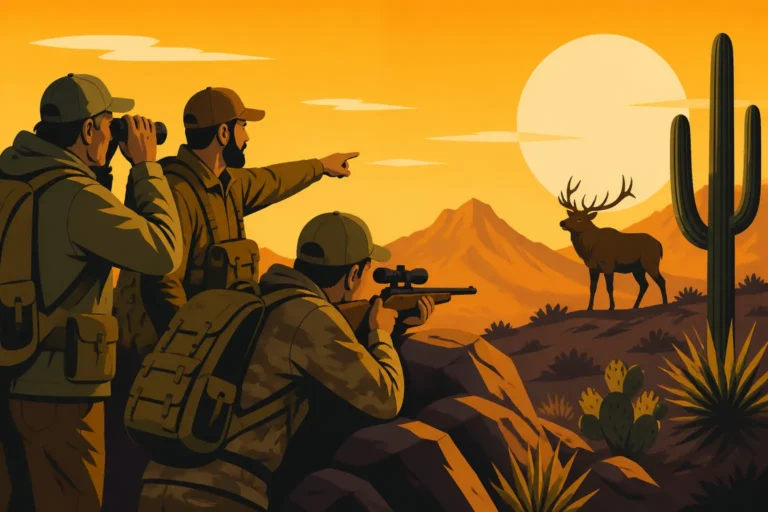
A fully guided hunt is the most comprehensive option. The outfitter and guides are with you every step of the way, from waking up in the morning until you return to camp in the evening. This typically includes:
- Active Guiding: Guides will lead you to hunting areas, help you spot and stalk game, assess trophy quality, and advise on shot opportunities.
- Full Camp Services: All meals, lodging (tents, cabins, or sometimes even motels), and often transportation during the hunt are provided.
- All Logistics Handled: From field dressing to game retrieval and initial meat care, the guides manage the practicalities, allowing you to focus entirely on hunting.
This option is the most expensive, but it offers the highest level of service, comfort, and often the best chance of success, particularly on high-demand tags like a big Arizona elk. It's an investment in a seamless and highly focused hunting experience. When considering a fully guided hunt, research platforms like BookYourHunt can be a useful starting point for finding reputable outfitters, but always follow up with direct conversations and reference checks, as detailed in Vetting an Arizona Outfitter Before You Send a Deposit. Understanding What a Guided Arizona Elk Hunt Costs is a good baseline, but prices vary widely by species and outfitter.
Deciding What's Right for You
The decision to go guided or DIY depends on several factors:
| Factor | DIY Hunter | Semi-Guided Hunter | Fully Guided Hunter |
|---|---|---|---|
| Experience | Highly experienced, self-reliant | Moderate to experienced, prefers some independence | Less experienced or seeks maximum efficiency |
| Budget | Lowest direct cost, but requires personal gear investment | Moderate cost, good value for specific services | Highest cost, but all-inclusive services |
| Time | Ample time for planning, scouting, and hunting | Limited time for intensive pre-scouting | Limited time, wants to maximize hunting effort quickly |
| Local Knowledge | Willing to do extensive research and learn on the fly | Benefits from some local insights without active guidance | Relies heavily on guide's deep local knowledge |
| Physical Condition | Excellent, prepared for all challenges | Good, but appreciates logistical support | Can vary, as guide often handles heavy lifting |
| Success Odds | Depends heavily on personal skill and preparation | Increased over pure DIY, still requires effort | Generally highest, due to expertise and support |
| Comfort | Basic, self-managed camp | Some camp comforts provided | High comfort with full camp/lodging services |
Ultimately, while Arizona doesn't typically require nonresidents to hire a guide, it's a decision that dramatically impacts your hunting experience. Whether you choose to go it alone, opt for a middle-ground semi-guided trip, or invest in a fully guided adventure, careful planning and realistic self-assessment will be your best allies in pursuing Arizona's incredible big game.
Disclaimer
This article is for general informational purposes only and does not constitute professional advice. Laws, prices and regulations vary by location and change over time. Consult a qualified professional for guidance on your specific situation.