Preparing for Heat on an Early Season Hunt
Hunting in Arizona often conjures images of majestic elk in cool pines or crisp autumn mornings. But for many, especially those venturing out for early season archery deer or javelina, the reality is a blazing sun, triple-digit temperatures, and conditions that can truly test your mettle. This guide is all about equipping you, the intrepid hunter, with the knowledge and strategies to not just survive, but thrive, when the mercury climbs during those demanding early season hunts in the Arizona desert.
Understanding the Arizona Heat Reality
Let's be real, the Arizona desert isn't just "warm" in the early seasons; it's an oven. August and September can see daytime temperatures easily soar past 100 degrees Fahrenheit, and even into the 110s in the lower elevations. This isn't just discomfort; it's a serious physical threat if not taken seriously. Ignoring the intense heat can lead to severe dehydration, heat stroke, and ultimately, a ruined hunt or worse. It’s a completely different beast than hunting in cooler climates, demanding a shift in mindset and meticulous preparation.
The True Danger of Desert Temperatures
Many folks underestimate just how quickly the desert can turn on you. What starts as a tolerable morning can quickly become life-threatening as the sun climbs higher. The dry air wicks moisture away from your body so efficiently that you might not even realize how much you're sweating and losing vital electrolytes. It's a silent threat, often not announced by obvious pooling sweat, but by a creeping fatigue, headache, and eventually, disorientation. Add in physical exertion like hiking up a steep wash or packing out game, and your body's reserves deplete even faster. The sheer volume of water you need to consume is staggering compared to cooler hunts, and planning for that is paramount.
Identifying the Hottest Hunt Windows
If you're looking at those early archery seasons for deer or even late summer bear opportunities in some units, you're likely staring down the barrel of peak heat. The August and early September archery deer seasons, particularly for Coues deer in the southern Arizona mountains or mule deer in the lower desert, are notorious for brutal temperatures. Even the very start of rifle seasons for some species can catch you in a heat wave if the monsoon rains haven't brought significant cooling. Always check historical temperature data for your chosen unit and hunt dates. Sites like GoHunt, which offer detailed unit breakdowns, can sometimes provide insight into expected weather patterns for specific areas, though always cross-reference with actual forecasts closer to your hunt. Knowing that you'll be out there when temperatures are at their highest changes everything about your packing list, your daily routine, and your expectations for success. When Arizona OTC Archery Deer Season Opens often falls squarely within these challenging periods.
Hydration and Nutrition Strategies for High Heat
When the heat is on, your body's ability to regulate its core temperature becomes your biggest challenge. This isn't just about drinking water; it's about a holistic approach to hydration and maintaining electrolyte balance. Far too many hunts are cut short because hunters simply can't keep up with what their bodies demand in these extreme conditions.
Strategic Fluid Intake and Electrolyte Management
You absolutely cannot wait until you feel thirsty to start drinking. By then, you're already behind. Think of hydration as a continuous process, starting days before your hunt. Begin "pre-hydrating" by drinking plenty of water and electrolyte-rich fluids for at least 48-72 hours beforehand. During the hunt itself, plan to consume a significant amount of water every hour, even if you don't feel parched. This could mean a liter or more per hour of active hunting in extreme heat.
And it's not just water. Electrolytes are crucial. Plain water alone can actually dilute your existing electrolytes, leading to hyponatremia – a dangerous condition where sodium levels in your blood drop too low. Pack electrolyte mixes, powders, or tablets to add to your water. Brands like Liquid IV or Nuun are popular, but anything that helps replenish sodium, potassium, and magnesium will be beneficial. Rotate between plain water and electrolyte drinks. Consider carrying a hydration bladder in your pack for easy access, but also have backup bottles of water. Remember, Water You Must Carry on a Day Hunt is often more than you think.
Fueling Your Body for Sustained Effort
Just as important as hydration is proper nutrition. Your body is burning through calories at an accelerated rate in the heat, trying to keep itself cool. Skipping meals or relying on sugary snacks will leave you feeling drained and irritable. Focus on complex carbohydrates for sustained energy, lean proteins for muscle repair, and healthy fats.
Think about meals that are easy to digest and don't require much cooking or heavy preparation in camp, which can also generate heat. Dehydrated meals are excellent for dinner, but during the day, pack snacks that offer a good balance of nutrients. Trail mix, energy bars, dried fruit, and even jerky can provide necessary fuel without being overly heavy. Avoid excessive caffeine or sugary drinks, which can contribute to dehydration. Consider bringing fresh fruit like oranges or apples, which have high water content and natural sugars. Preparing Physically for a Desert Hunt means fueling your body correctly, not just working out.
Gear and Clothing for Desert Conditions
Your equipment choices in the Arizona heat are not just about comfort; they're about survival and efficiency. The right gear can make a miserable hunt tolerable, and a tolerable hunt enjoyable. Conversely, the wrong choices can put you in a dangerous situation very quickly.
Lightweight, Breathable Clothing
The old saying "cotton kills" rings especially true in the desert if you're talking about staying cool. While cotton feels nice when wet, it holds moisture, doesn't wick sweat away, and becomes heavy. Instead, invest in lightweight, breathable synthetic fabrics or merino wool designed for hot weather. These materials are engineered to wick sweat away from your skin, allowing it to evaporate and cool you down.
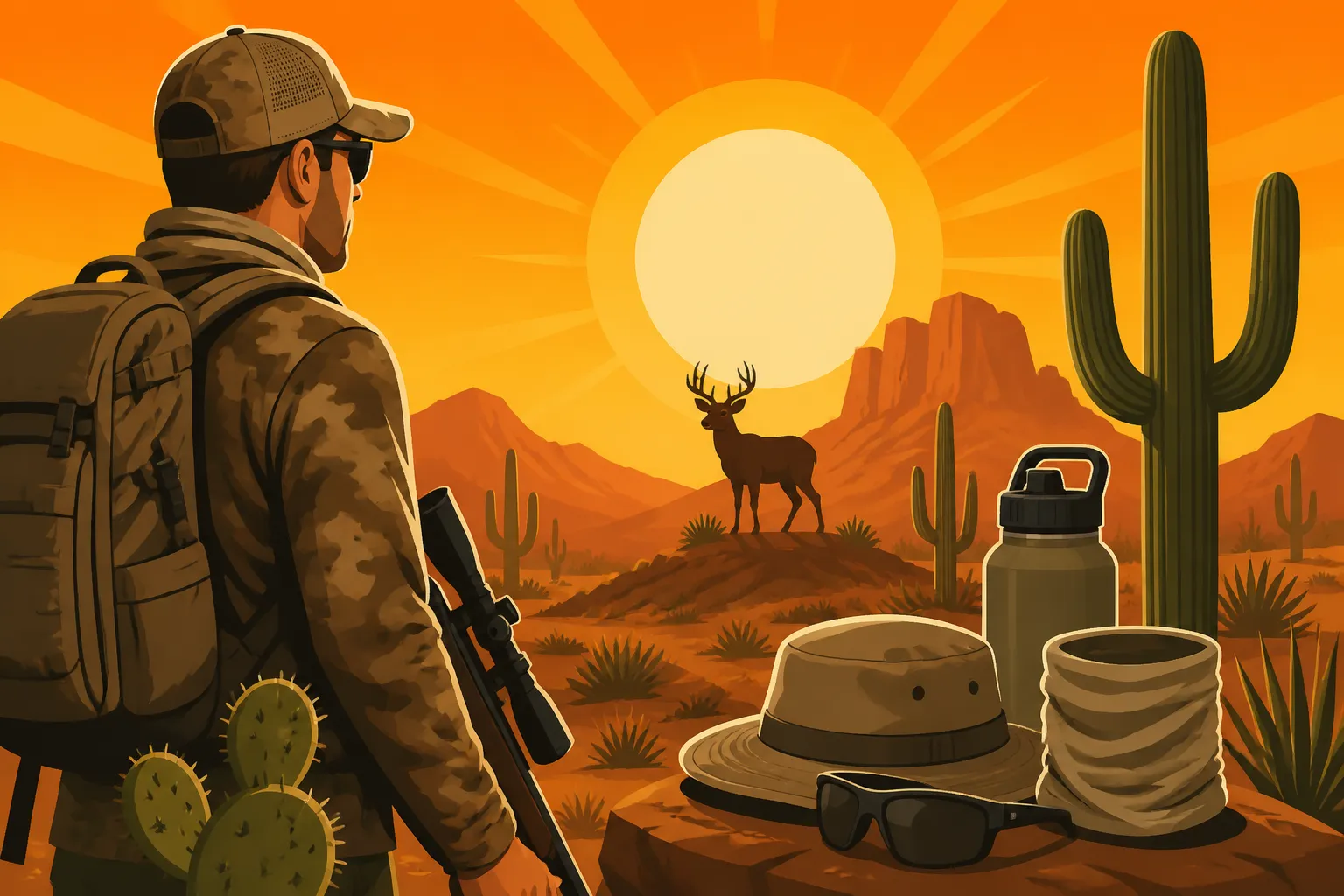
Choose light colors that reflect sunlight rather than absorbing it. Long sleeves and pants are essential, not just for sun protection but also to protect against thorns, cacti, and Snake Awareness on an August Archery Hunt. Look for shirts with vents, mesh panels, or even UPF (Ultraviolet Protection Factor) ratings to shield your skin from the relentless Arizona sun. A wide-brimmed hat is non-negotiable for protecting your face and neck, and good quality sunglasses will reduce eye strain from the intense glare.
Essential Heat-Specific Gear
Beyond clothing, several items are crucial for heat management.
- Reliable Water Storage: A good quality hydration bladder (3-liter or more) in your pack is a must, backed up by Nalgene bottles or other sturdy containers. Consider a filter or purification tablets for emergency water sources if you're in an area with potential trickles.
- Cooling Towels/Scarves: These can be soaked in water and draped around your neck to provide immediate evaporative cooling. They make a huge difference during strenuous climbs or long glassing sessions.
- Sunscreen and Lip Balm: High SPF sunscreen to protect any exposed skin, and lip balm with SPF to prevent chapped lips from sun and dry air.
- Proper Footwear: Your feet take a beating. Choose well-ventilated boots that offer support without being overly heavy or insulated. Choosing Boots for Rocky Desert Ground is critical, as blisters can turn a great hunt into a nightmare. Merino wool socks, even in summer, are excellent for wicking moisture and preventing blisters.
- Optics Care: Your binoculars and spotting scope can get hot. Keep them shaded when not in use, and be mindful of mirage when glassing in extreme heat.
- GPS/Communication: Heat exhaustion can lead to disorientation. A fully charged GPS device or satellite communication device (like a Garmin InReach) is essential for safety, especially if hunting solo.
- Camp Shade: Even if you're primarily public land hunting, having a small tarp or pop-up shelter for your camp area can provide a crucial reprieve from the sun during mid-day lulls.
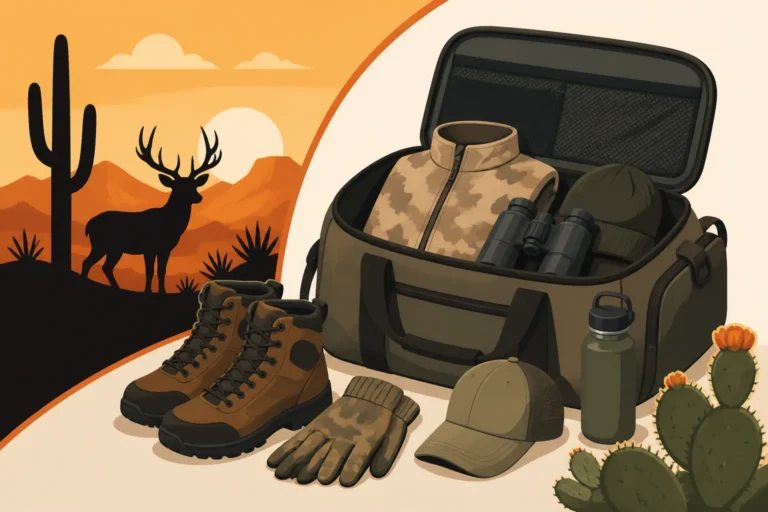
| Gear Category | Essential Items | Heat Management Benefit |
|---|---|---|
| Clothing | Lightweight, synthetic long-sleeve shirts | Wicks sweat, provides sun protection, allows evaporation for cooling |
| Vented hunting pants | Breathability, protection from thorns, flexibility | |
| Wide-brimmed hat | Shields face and neck from direct sun, prevents sunburn | |
| Quality sunglasses (polarized) | Reduces glare, eye strain in intense sun | |
| Merino wool socks (lightweight) | Wicks moisture, prevents blisters, regulates foot temperature | |
| Hydration | 3+ liter hydration bladder | Hands-free, continuous access to water |
| Backup water bottles | Redundancy, additional fluid capacity | |
| Electrolyte drink mixes/tablets | Replaces vital salts lost through sweat, prevents hyponatremia | |
| Water filter/purification tablets | Emergency water treatment for natural sources | |
| Personal Care | High SPF sunscreen | Prevents sunburn, reduces skin damage |
| SPF lip balm | Protects lips from sun and dry air | |
| Cooling towel/scarf | Instant evaporative cooling when wet | |
| Footwear | Ventilated hiking boots | Supports feet, allows air circulation, prevents overheating |
| Safety/Navigation | GPS device / Satellite communicator | Essential for navigation and emergency communication if disoriented by heat |
| Camp/Misc. | Small tarp or shade shelter | Provides a cool, shaded area for breaks and camp |
| External battery pack for electronics | Keeps critical devices charged in the heat, where battery life can diminish faster |
Tactical Adjustments for Hunting in the Heat
Hunting in extreme heat isn't just about what you wear or drink; it's about fundamentally changing how you approach the hunt itself. The animals are adapting to the conditions, and so must you. Forget those mid-day pushes; they're dangerous for you and unlikely to be productive.
Adjusting Your Hunting Schedule
The most critical adjustment is to your daily schedule. Animals, especially deer and javelina, will become almost entirely nocturnal or crepuscular (active at dawn and dusk) during hot periods. This means your hunting efforts should mirror their activity. Focus your hunting during the first few hours of daylight and the last few hours before dark.
- Early Mornings: Be in your glassing spot or on your chosen route well before first light. This allows you to catch animals still moving, feeding, or heading to their beds. The coolest part of the day is often the most productive.
- Mid-Day Break: From roughly 10 AM to 4 PM (depending on the day and elevation), temperatures will be at their peak. This is your time to rest, rehydrate, eat, and stay in the shade. Find a cool, comfortable spot in camp or under a large tree. Resist the urge to push through the heat; it's rarely worth it. Use this time for studying maps, planning the evening hunt, or just recovering.
- Late Evenings: As the sun dips, animals will start to stir again. Be back in position for the evening hunt, focusing on feeding areas, water sources, or shaded north-facing slopes where they might emerge.
Remember, even during these active windows, energy expenditure is higher. Be deliberate with your movements and conserve energy whenever possible. The Grid Glassing Method, Step by Step can be highly effective during these limited windows, allowing you to thoroughly cover an area from a shaded vantage point.
Focusing on Water Sources and Shade
In the desert, water is life, and this applies equally to you and the game you're pursuing. Animals will not be far from water, and during hot periods, their need for it intensifies. This makes water sources absolute magnets for wildlife.
- Primary Focus: Prioritize scouting and hunting around known water sources: stock tanks, springs, guzzlers, and even temporary puddles after monsoon rains. Animals will be hitting these at various times, but expect concentrated activity during low-light hours. Using resources like GoHunt or online maps can help you identify these critical locations during your E-Scouting an Arizona Unit Before the Season.
- Shade as a Resource: Deer and javelina will bed down in the thickest, shadiest cover they can find during the heat of the day. This often means dense mesquite thickets, palo verde groves, deep washes with overhanging vegetation, or north-facing slopes in higher elevations. Learning to read the terrain for these natural refuges is key. Reading Terrain Before You Pick a Camp also applies to where animals will be resting.
- Patience and Observation: Instead of covering miles, consider sitting on a water source or patiently glassing a shaded slope from a distance. Let the animals come to you, or at least reveal themselves before you expend valuable energy on a stalk. This strategy minimizes your exposure to the heat and maximizes your chances during limited activity windows. Water Sources That Concentrate Arizona Desert Game are vital to your success.
Mitigating Risks and Staying Safe
The desert, especially in the heat, has its own set of dangers. Beyond dehydration and heatstroke, there are specific things you need to be aware of to stay safe.
- Snakes and Insects: Rattlesnakes are more active in warm weather, particularly at dawn and dusk. Always watch where you step and place your hands. Scorpions and other biting insects are also prevalent. Good boots and awareness are your best defenses. Always refer to Snake Awareness on an August Archery Hunt for specific safety tips.
- Monsoon Storms: Early season in Arizona often coincides with monsoon season. While these storms bring welcome rain and temporary cooling, they can also unleash flash floods in washes and create treacherous road conditions. Be aware of weather forecasts and never camp in a wash. Timing a Summer Scouting Trip Around Storms teaches you how to plan around these.
- Communication and Buddy System: Hunting in extreme heat, especially solo, carries elevated risks. Always let someone know where you are going and when you expect to return. Consider a satellite messenger for remote areas. If possible, hunt with a partner, as two sets of eyes and two brains are better than one, especially if someone needs assistance.
By respecting the Arizona heat and implementing these tactical adjustments, you can greatly increase your chances of a successful and, most importantly, safe early season hunt. It requires discipline and forethought, but the rewards of chasing game in this unique environment are truly unparalleled.
Disclaimer
This article is for general informational purposes only and does not constitute professional advice. Laws, prices and regulations vary by location and change over time. Consult a qualified professional for guidance on your specific situation.