Taxidermy Referrals Your Outfitter Can Make
You’ve just made the shot of a lifetime on an incredible Arizona animal, whether it’s a big Coues buck, a majestic bull elk, or a unique desert bighorn ram. The adrenaline is pumping, the photos are taken, and the meat is cooling, but now a new set of questions pops up: what do you do with the hide and antlers? For many hunters, especially those traveling from out of state, the logistics of taxidermy can feel overwhelming in an unfamiliar place. This guide will walk you through why your Arizona outfitter is an invaluable resource for navigating the world of taxidermy referrals, ensuring your trophy is preserved with the care it deserves.
Why Your Arizona Outfitter is Your Best First Stop for Taxidermy
After the excitement of a successful hunt in Arizona, the practicalities of preserving your trophy can quickly dawn on you. For out-of-state hunters, or even residents new to trophy care, knowing where to turn for quality taxidermy can be a real headache. This is precisely where your outfitter steps in as an indispensable ally. They aren't just experts in finding game; they're deeply embedded in the local hunting community and have a vested interest in your entire experience, right down to the finished mount hanging on your wall.
They understand the nuances of trophy care specific to Arizona's unique species and climate. For example, a Coues deer cape needs different handling than a desert bighorn, and the dry heat of southern Arizona presents different challenges than the cooler, higher elevations of the Mogollon Rim. Your outfitter has seen countless trophies handled correctly—and unfortunately, sometimes incorrectly—and they know the local artisans who consistently deliver exceptional results.
Local Knowledge and Reputation
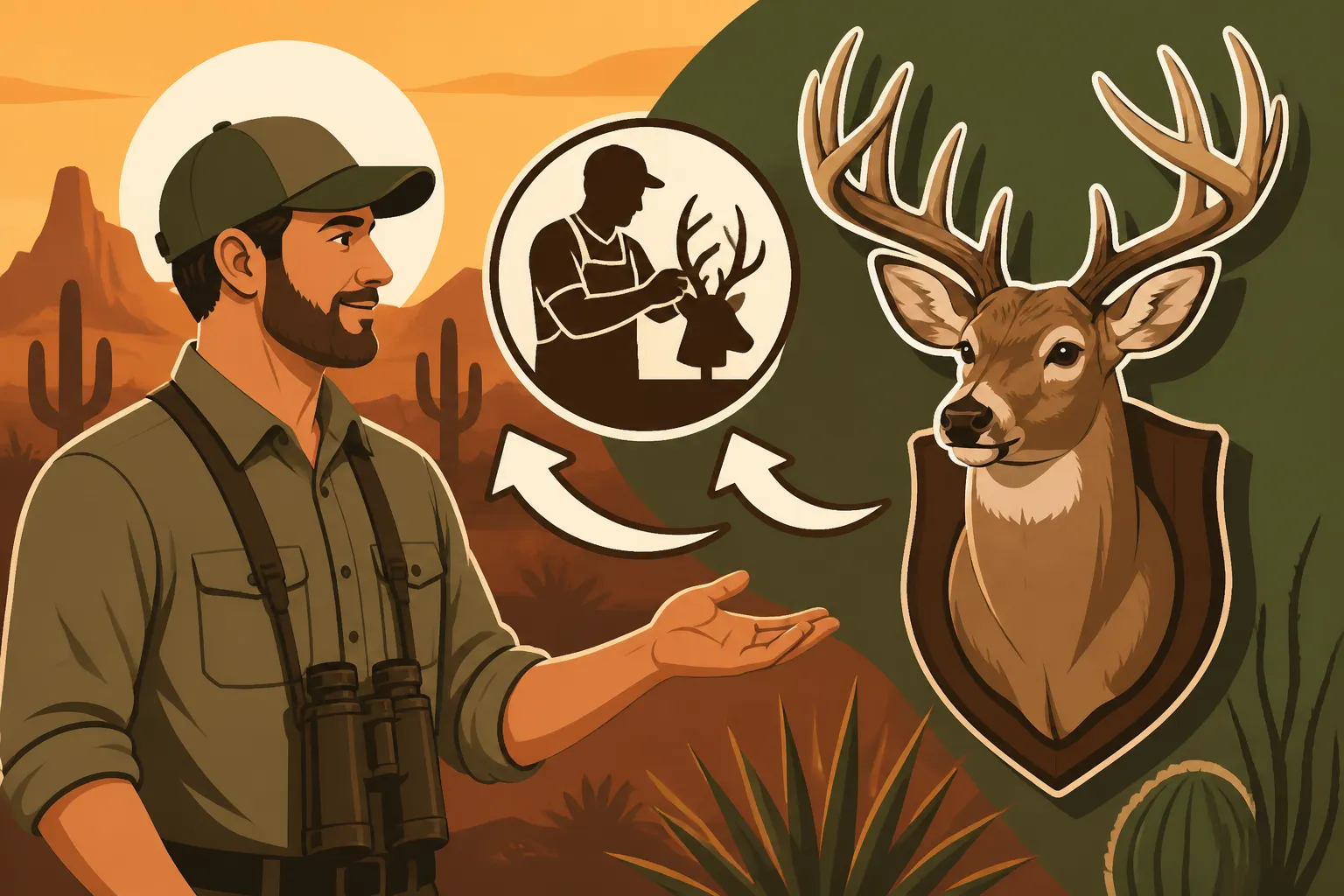
Think of your Arizona outfitter as the ultimate local expert, not just for hunting spots but for everything surrounding the hunt itself. They spend their lives immersed in the hunting culture of the region, building relationships with game processors, meat locker facilities, and, crucially, taxidermists. This isn't just a casual recommendation; it's often based on years of collaboration and observing the work firsthand. They know which taxidermists specialize in certain animals, who has a reputation for meticulous detail, and who understands the unique characteristics of Arizona’s big game.
When an outfitter recommends a taxidermist, their own reputation is on the line. They want you, as their client, to be thrilled with every aspect of your experience, including the preservation of your trophy. A bad taxidermy job reflects poorly on the entire hunt, and good outfitters are acutely aware of this. So, when they offer a referral, it comes with an implicit endorsement of quality and reliability. You can often check out outfitters on platforms like BookYourHunt or GoHunt, and while these sites focus on booking hunts, they also indirectly speak to the outfitter's overall professionalism, which extends to their network of referrals.
This local knowledge also extends to understanding the typical turnaround times and communication styles of various taxidermists. They can often provide a realistic expectation of when your trophy might be ready and can even offer insights into how best to communicate your vision to the artist. Their insights go far beyond what a quick online search might reveal, tapping into a well of experiential wisdom.
Logistics and Convenience for Your Trophy
One of the biggest hurdles for hunters, particularly nonresidents, is figuring out the logistics of getting a fresh cape and antlers from the field to a taxidermist. This is where your outfitter's role becomes incredibly convenient. After the harvest, especially if you're on a multi-day backcountry hunt, the outfitter is already managing the immediate post-harvest care, which often includes the critical first steps for trophy preservation. They're adept at proper Field Dressing in Desert Heat and understand how to handle the cape to prevent hair slippage or damage.
Your outfitter can often arrange for the initial transport of your trophy from the field to their camp, or directly to a local taxidermist or a cold storage facility. Imagine trying to coordinate this yourself after a demanding hunt in a remote unit like those found in the Coronado National Forest or along the Mogollon Rim. Having someone familiar with the terrain and the local infrastructure take charge of this crucial step can save you immense stress and ensure the trophy is cared for properly from the very beginning. They might have relationships with meat processors who also offer basic caping services or access to freezers suitable for temporary storage.
For an out-of-state hunter, this logistical support is priceless. Instead of scrambling to find a place to store a cape or figure out freight shipping for a fresh trophy, your outfitter can seamlessly transition your prize from the field into the hands of a trusted professional, often at a pre-arranged time. This convenience allows you to focus on the memories of your hunt rather than the immediate logistical puzzle.
What to Discuss with Your Outfitter About Taxidermy
Bringing up the topic of taxidermy with your outfitter isn't something to wait until after the shot. Ideally, this is a conversation you have during the booking process or, at the very latest, once you're in camp. Proactive communication ensures that you and your outfitter are on the same page regarding your expectations and the necessary steps to preserve your trophy. It’s also an excellent way to gauge their level of experience and commitment to the overall client experience. Many of the Questions Worth Asking Before You Book should include their taxidermy recommendations.
This discussion covers everything from their recommended taxidermists to the immediate field care of your trophy, and even the decision of whether to have the work done in Arizona or back home. Having these conversations upfront can prevent misunderstandings and ensure that when the moment of truth arrives, everyone knows what needs to happen to ensure your trophy is in the best possible condition for the taxidermist.
Asking for Specific Referrals and Examples
When you discuss taxidermy with your outfitter, don't just ask for a general recommendation. Dig deeper. Ask for specific names and contact information for a couple of their preferred taxidermists. Inquire about the type of work they’ve seen these individuals produce. For example, if you’re hoping for a full-body javelina mount, ask if the recommended taxidermist excels in smaller game. If it's a giant Kaibab mule deer, ask about their experience with large antlered animals.
A good outfitter should be able to tell you about the taxidermists' specialties, typical styles, and even show you pictures of mounts from previous clients. Some outfitters might even have mounts from these taxidermists displayed in their own homes or camps, offering you a direct visual example of their work. This is a critical step because taxidermy is an art form, and every artist has a unique touch. You want to ensure their style aligns with your vision for your trophy.
Ask about their experience with specific species you are hunting. Preserving a fragile pronghorn cape is different from a robust elk hide, and a taxidermist with specialized experience can make a significant difference. You might also want to ask if they can facilitate an introduction or even transport the cape and antlers directly to the taxidermist after your hunt concludes.
Understanding Trophy Care and Preparation Post-Harvest
The quality of a finished taxidermy mount is heavily dependent on the care taken in the field immediately after the harvest. This is arguably the most critical part of the process, and your outfitter will be your primary guide. You'll want to discuss their specific protocols for field care. For big game, this includes proper skinning, caping, and preserving the hide. Especially in Arizona's warmer climates, swift and correct handling is paramount to prevent hair slippage or spoilage. Getting Meat Cooled on an Early Season Hunt often goes hand-in-hand with trophy care, as both require quick action.
Outfitters often have established methods for cooling and salting hides, especially for longer hunts or when temperatures are high. Ask them about these procedures. Will they handle the caping? Do they carry salt specifically for hides? What is their process for dealing with the skull, especially if you’re planning a 유럽 mount or need it preserved for antler retention? Knowing these details ensures you understand your role, if any, and what to expect from them.
It's also important to confirm that all legal requirements regarding the animal are met before the trophy leaves the field. This includes ensuring Evidence of Sex Requirements on a Carcass are met, and that all necessary tags are properly affixed. Your outfitter will be knowledgeable about these regulations and can guide you through the process, preventing any issues down the line. Proper field care provided by an experienced outfitter can literally make or break your trophy, turning a potential disaster into a beautiful, lasting memory.
In-State vs. Out-of-State Taxidermy Options
Deciding whether to have your taxidermy done by an Arizona professional or to ship the raw trophy materials back home is a significant decision with various factors to consider. Your outfitter can provide invaluable insight here, discussing the pros and cons of each option based on their experience with other clients.
| Feature | Arizona (In-State) Taxidermist | Home (Out-of-State) Taxidermist |
|---|---|---|
| Pros | – Familiar with local species, anatomy, and common poses – Outfitter can often deliver directly, ensuring optimal initial care – No need for complex raw trophy shipping logistics – May have faster initial turnaround for getting materials to artist |
– You know the taxidermist's work and reputation – Easier in-person communication throughout the process – No need to arrange final shipping of completed mount – Supports a local business in your home state |
| Cons | – May require arranging final shipping of the completed mount to your home – Less direct, in-person communication during the taxidermy process – Less familiar with their work prior to the hunt |
– Requires careful and often costly shipping of raw cape/antlers – Risk of damage or delays during shipping of raw materials – May require a local Arizona processing facility to prepare materials for shipment – Taxidermist might be less familiar with nuances of Arizona game |
| Considerations | – Your outfitter's relationship with local taxidermists can be a huge advantage for quality and coordination. | – Ensure you understand all regulations for Shipping Capes and Antlers Home, including CWD testing if applicable. |
For many, using an Arizona taxidermist recommended by their outfitter offers seamless convenience and access to an artist who intimately understands the local wildlife. The taxidermist likely has extensive experience with Coues deer, mule deer from the Strip, or elk from the White Mountains, knowing their particular musculature, coloration, and common poses that make for a striking, anatomically correct mount. The outfitter can often handle the transfer directly, giving you peace of mind that the cape and antlers are handled correctly from day one.
However, some hunters prefer to use a taxidermist back home with whom they have a long-standing relationship. If this is your preference, discuss with your outfitter how they can assist in preparing the trophy for shipment. This might involve freezing the cape solid, arranging for professional salting and tanning (often done by a separate facility), or simply advising on the best way to package the antlers for freight. Understand that Mandatory Reporting After an Arizona Harvest is also required, regardless of where your trophy ends up.
Working with a Recommended Arizona Taxidermist
Once your outfitter has made their recommendation and your trophy materials are securely in the hands of the taxidermist, your direct involvement begins. While the outfitter provides the initial connection and logistical bridge, the relationship with the taxidermist is now yours to cultivate. This is where your vision for the mount comes to life, and clear communication is the cornerstone of a successful outcome. Don't be shy about asking questions and expressing exactly what you want. After all, this is your hard-earned trophy.
Remember that a good taxidermist is an artist, and like any artist, they appreciate clear guidance and open dialogue. They want to create a piece that you will cherish for a lifetime, but they aren't mind readers. This stage of the process is about translating your hunting memory into a tangible work of art, and it requires your active participation.
Communicating Your Vision and Expectations
This is your chance to really articulate how you envision your finished mount. Don't assume the taxidermist knows exactly what you want. Collect reference photos of similar species in poses you like, or even photos of your own animal if you captured particular behaviors or angles. Be specific: do you want a full sneak, semi-sneak, upright, or aggressive pose for your elk? Are you interested in habitat elements like rocks, vegetation, or even a custom base for your Coues deer?
Share any photos you have of your animal from the hunt. These can be incredibly helpful for the taxidermist to capture specific nuances of your trophy's coloration, antler growth, or unique features. Discuss the emotional connection you have to the hunt and what you want the mount to represent. A taxidermist who understands your story can often infuse that sentiment into the finished piece.
Don't be afraid to ask for their artistic input as well. Experienced taxidermists often have incredible ideas based on their knowledge of animal anatomy and artistic principles. They can suggest poses or habitat elements that you might not have considered but that would dramatically enhance the final mount. A collaborative approach usually yields the best results.
Deposit, Payment Schedules, and Turnaround Times
Just like booking your hunt, taxidermy involves financial agreements and timelines. Most reputable taxidermists will require a deposit upfront, often a percentage of the total cost, to begin work. This covers the initial materials and secures your spot in their queue. Be sure to get a clear breakdown of the total cost, including any add-ons for custom bases, open mouths, or specific habitat work.
Inquire about their payment schedule. Is the remaining balance due upon completion, or are there incremental payments along the way? Understand what payment methods they accept and if there are any fees associated with credit card payments. Just like when booking a hunt, understanding The All-In Cost of an Arizona Nonresident Elk Hunt should include potential taxidermy fees.
Turnaround times are another critical aspect. High-quality taxidermy is a meticulous, time-consuming process. Expect turnaround times that can range from several months to a year or even longer, especially for large, complex mounts or during peak hunting seasons. Be wary of any taxidermist promising unusually fast completion, as this can sometimes be a red flag for rushed work. Ask for a realistic estimate and understand that these are often estimates, not guarantees, as unforeseen delays can occur.
Shipping Your Finished Trophy Home
If you've opted for an Arizona taxidermist, the final step will be coordinating the shipment of your completed trophy back to your home. This process can be intricate, especially for large mounts or international destinations. The taxidermist will be your primary resource for this. They typically have established relationships with freight companies specializing in transporting delicate and often oversized items like taxidermy mounts.
The process usually involves professional crating of the mount to protect it during transit. This crating can be a significant cost, so factor it into your budget. Discuss insurance options with the taxidermist and the freight company to ensure your valuable trophy is covered against damage or loss. You'll also need to be aware of any state or federal regulations regarding the import of wildlife parts into your home state or country.
The taxidermist should be able to provide you with tracking information and communicate an estimated delivery window. Be prepared to arrange for someone to receive the shipment, as these are often large, heavy crates that require special handling. This final logistical step, while potentially complex, is the culmination of your entire hunting and preservation journey, bringing your Arizona memories home to be cherished for years to come.
Disclaimer
This article is for general informational purposes only and does not constitute professional advice. Laws, prices and regulations vary by location and change over time. Consult a qualified professional for guidance on your specific situation.