Why Elk Outfitters Book Two Years Out
The dream of chasing a big Arizona bull elk is one many hunters carry, but securing a guided hunt can feel like trying to catch smoke. You’ve likely heard stories of outfitters being booked years in advance, leaving you wondering if you’ll ever get a chance. This guide will unravel the mysteries behind why Arizona elk outfitters book out so far ahead, giving you insight into the demand, the logistics, and how to navigate this competitive landscape for your own shot at a trophy.
The Intense Demand for Arizona Elk Tags
Let’s be honest, Arizona isn't just any elk state. It's legendary. And that reputation, combined with a finite number of opportunities, is the bedrock of why securing a guided hunt here requires such foresight. It’s not just about getting an elk; it’s about getting an Arizona elk.
Arizona's Reputation for Trophy Elk
When hunters talk about trophy elk, Arizona consistently comes up in the conversation. The state's management philosophy, combined with its unique blend of feed, genetics, and habitat, consistently produces bulls that can make a taxidermist salivate. We're talking about animals with massive antlers, heavy mass, and wide spreads that are the stuff of magazine covers and hunting legends. Units across the Mogollon Rim, the White Mountains, and especially the revered Kaibab Plateau are known for growing some truly enormous bulls. This isn't just anecdotal chatter; the Boone and Crockett and Pope and Young record books are filled with Arizona entries. Every year, hunters from all over the country put in for these coveted tags, knowing that if they draw, they have a legitimate shot at a bull of a lifetime. This dream hunt allure drives an incredible amount of interest, far outstripping the actual number of tags available.
Limited Tags, High Competition
Here's the stark reality: there are far more hunters who want an Arizona elk tag than there are tags to go around. The Arizona Game and Fish Department manages elk populations meticulously, issuing a limited number of permits through a highly competitive draw system. For nonresidents, the challenge is even greater, as they are capped at ten percent of the available tags in any given hunt. This means the draw odds are incredibly low, often in the single digits or even fractions of a percent for the most sought-after hunts. When you spend years building up Earning an Arizona Point by Applying to even have a prayer of drawing one of these tags, you don't want to leave anything to chance once you finally hit the jackpot. This scarcity creates a huge demand for experienced outfitters. Hunters know that if they manage to beat the odds and draw a tag, they need the best possible help to capitalize on that rare opportunity, and the best help is always in demand.
The Dream Hunt Mentality
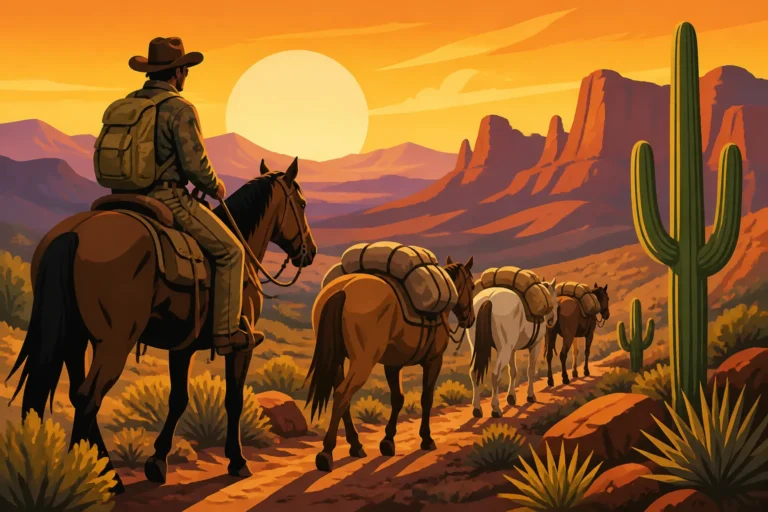
For many, an Arizona elk hunt isn't just another hunting trip; it's the culmination of years of planning, saving, and dreaming. It's an investment of not just money, but time and emotional energy. Hunters envision themselves stalking massive bulls through ponderosa pine forests or calling in a bugling monarch on the Calling Bulls on Arizona's Mogollon Rim. This "dream hunt" mentality means that when they finally get that coveted tag notification, they're not looking to pinch pennies or risk their once-in-a-lifetime opportunity with an unproven guide. They want the best, most experienced outfitter possible, someone with a deep understanding of the unit, the elk, and the tactics needed to succeed. This intense emotional and financial investment means hunters are willing to book far in advance, often before they even know if they'll draw a tag, because the peace of mind that comes with securing a top-tier outfitter is invaluable. They understand that if they wait until after the draw results post, all the prime spots with the most reputable guides will already be gone.
The Outfitter's Operational Realities
It’s easy to think outfitters just show up a week before the hunt, but the truth is, a quality operation is a year-round commitment of intense scouting, logistical planning, and staff management. This extensive preparation is precisely why they need such a long lead time to book their hunts.
Scouting and Unit Expertise
A good Arizona elk outfitter doesn't just open a map a month before the season. Their work is continuous, often spanning years to truly understand a unit. They are constantly scouting, observing elk patterns, finding new water sources in the dry country, and adapting to changes in habitat, whether from wildfire or drought. This involves countless hours driving forest roads, hiking backcountry trails, and glassing vast landscapes. They know the subtle nuances of where elk feed, where they bed, and how they react to pressure in specific units like those around the White Mountains Elk Country or the general Kaibab Plateau. This intimate knowledge of multiple units takes years to build and maintain, and it's a critical component of their service. Booking years out allows an outfitter to plan their scouting efforts effectively, ensuring they have fresh, up-to-date information on the herds and specific areas that will give their clients the best chance at success.
Logistics of Running a Camp
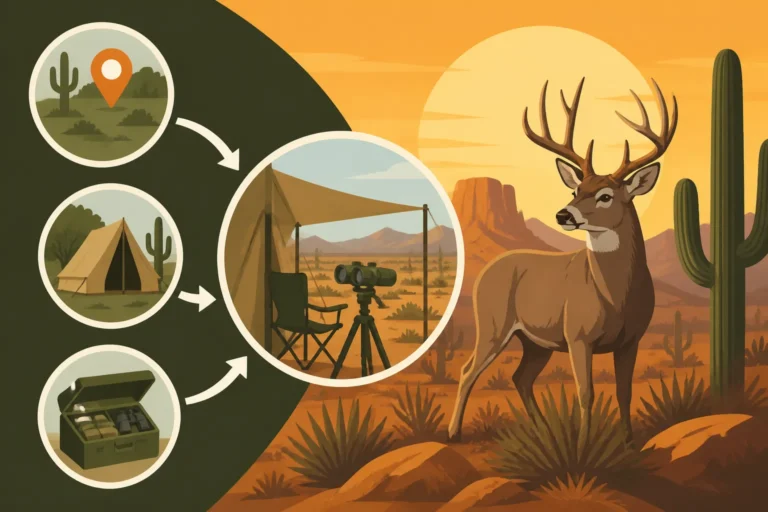
Running a successful guided hunt involves a staggering amount of logistical planning. Outfitters have to secure special use permits for operating on public lands, which can be a lengthy process in itself. They need to maintain a fleet of reliable vehicles, horse trailers, and ATVs. Then there’s the camp setup: tents, cots, cooking equipment, generators, and ensuring a comfortable, functional base camp in often remote and rugged terrain. Feeding a crew of guides and hunters for a week or more requires careful planning, provisioning, and often hauling supplies into rough country. Beyond that, there's the ongoing maintenance and replacement of all that gear. All of this requires significant capital investment and meticulous scheduling. With multiple hunts running back-to-back in various units, a professional outfitter needs to coordinate all these moving parts with military precision. Accepting bookings years in advance allows them to forecast their needs, secure necessary permits, and allocate resources efficiently, ensuring a smooth operation when hunt season finally arrives. How Outfitters Scout Before Your Arrival is a continuous process that needs this forward planning.
Guide Availability and Quality
The backbone of any successful outfitting operation is its team of experienced, knowledgeable guides. These aren't just folks who know how to walk in the woods; they are skilled woodsmen, expert callers, trackers, and patient mentors. Finding such talent, especially guides with a deep understanding of Arizona's unique desert and mountain elk behavior, is incredibly challenging. Good guides are in high demand, and like the outfitters themselves, they often book their calendars years out. An outfitter who can consistently put clients on elk has built a reputation, and that reputation is largely thanks to their guides. To secure these top-tier guides for their clients, outfitters must plan their schedules well in advance, often signing contracts or making commitments a year or two out. If an outfitter waited until just a few months before the season, all the best guides would already be committed, leaving them with less experienced or less reliable options, which would ultimately diminish the quality of the hunt they could offer.
Navigating the Booking Timeline
The timeline for an Arizona elk hunt is notoriously tricky, often requiring hunters to make significant decisions long before they even know if they have a tag. This unique challenge adds another layer of complexity to the booking process.
Applying Before You Book
Here’s the classic Arizona elk hunting conundrum: Do you book an outfitter before you even know if you’ve drawn a tag, or do you wait? The reality for many of the most reputable outfitters is that their prime spots fill up quickly, often before the Arizona draw results are even released. This means many hopeful hunters decide to book an outfitter, or at least put down a deposit, well in advance of the February or June draw deadlines. This decision comes with a calculated risk, of course. What if you don't draw? This is why it’s absolutely critical to understand the outfitter’s deposit and cancellation policies. Many ethical outfitters offer refundable deposits or the option to roll your deposit over to the next year if you are unsuccessful in the draw. This provides some peace of mind for the hunter, allowing them to secure a spot with a top-tier guide without the full financial commitment upfront, while still ensuring the outfitter has a committed client should the tag come through. This is also where checking out resources like BookYourHunt can help you compare different outfitter policies.
The Draw Cycle and Its Impact
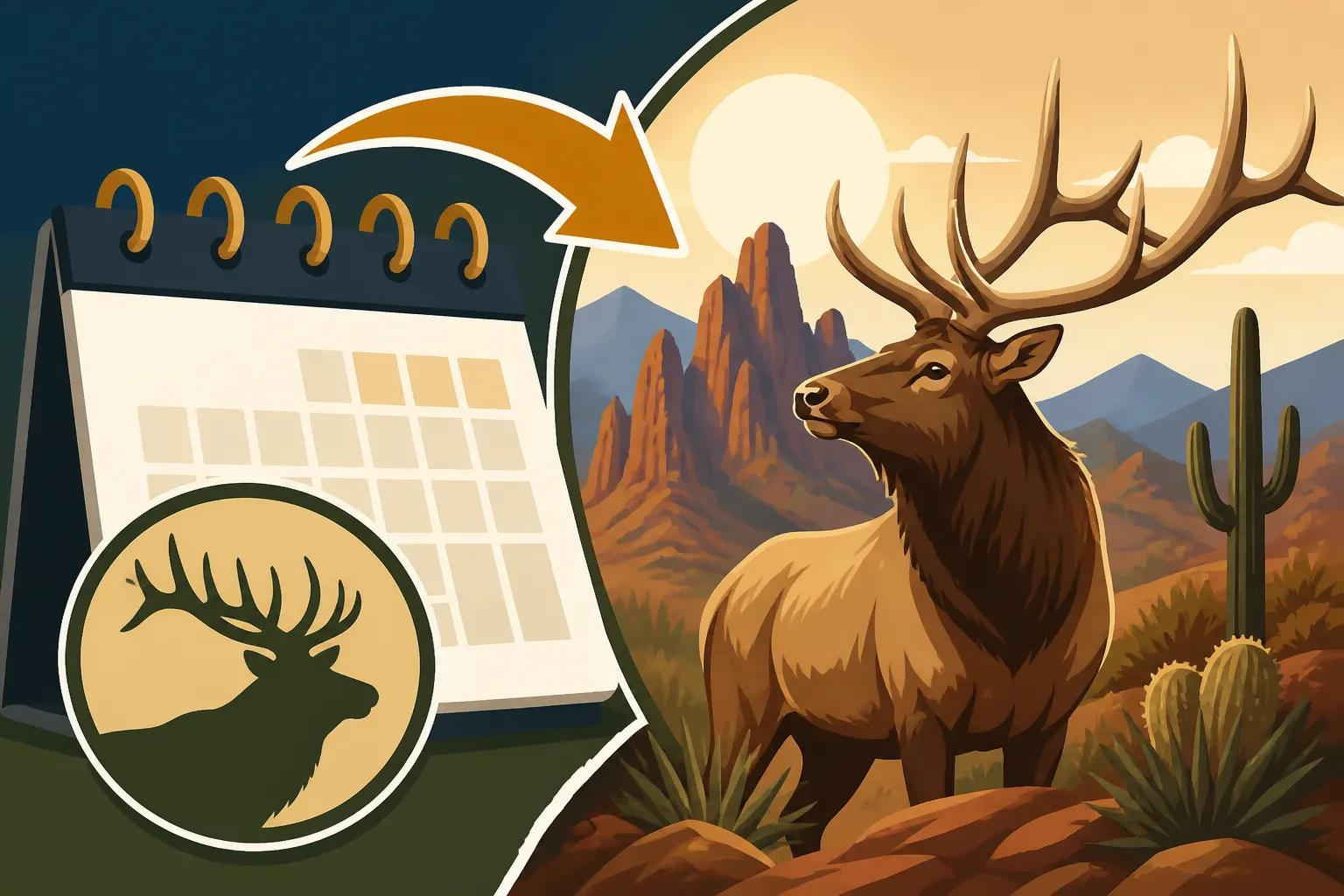
Arizona has two main draw cycles that significantly impact the booking timeline: the February deadline for elk and antelope, and the June deadline for deer, sheep, and bison. For elk, the February application deadline usually falls in early February, with results typically posted sometime in May. This three-month window of uncertainty is a nervous time for hunters and outfitters alike. If you wait until May to book, after you've confirmed your tag, you’ll find that most of the best outfitters for desirable units have already filled their calendars. They simply can't hold spots open for every hunter who might draw. Consequently, the most strategic approach, though a bit stressful, is to research and commit to an outfitter before the draw. This allows the outfitter to plan their season, secure their guides, and allocate their resources effectively. It’s a dance between the hunter’s hope and the outfitter’s need for certainty, with the draw results acting as the final, pivotal step. Learning How Arizona Notifies Successful Applicants is usually a high-stress moment.
Securing Your Spot Early
The mantra for Arizona elk hunting, especially if you want a guided experience, is "the early bird gets the worm." With the immense competition for tags and the limited capacity of quality outfitters, securing your spot years in advance is often the only way to guarantee you'll hunt with your preferred guide. Think of it like booking a popular vacation resort during peak season – if you don't plan ahead, you'll be left with limited choices or no availability at all. Many hunters understand this dynamic and will commit to an outfitter one to two years out, sometimes even three, especially for highly coveted hunts like the late season rifle elk tags. This gives both the hunter and the outfitter ample time to plan, prepare, and build a relationship. It allows the hunter to focus on their physical conditioning, practice shooting, and gather necessary gear, knowing that when that tag finally hits their account, the hunting logistics are already handled. Getting on an outfitter's waiting list or making a contingent booking is often a necessary step in this competitive environment.
Practical Strategies for Planning Your Arizona Elk Hunt
Given the intense competition and long booking windows, a strategic approach is essential for anyone dreaming of a guided Arizona elk hunt. It’s about being proactive, doing your homework, and understanding all your options.
Researching and Vetting Outfitters
Before you commit to an outfitter, especially years in advance, thorough research is non-negotiable. Start by looking at outfitters that specialize in Arizona elk and have a proven track record in the units you're interested in, or units that have comparable hunt success. Don't just look at their hero shots; dig deeper. Ask for references from past clients, particularly those who hunted in the same unit or during a similar season to what you're targeting. Inquire about their success rates, but also ask about their client success rates—meaning how many clients actually tagged an animal, not just how many opportunities were had. Websites like GoHunt provide valuable resources for researching units, draw odds, and sometimes even list reputable outfitters or provide forums where you can gather insights. Pay attention to how long they’ve been operating in Arizona and their familiarity with specific terrain, from the rugged mountains to the sprawling ponderosa forests. A truly great outfitter will be transparent about their operations and eager to answer your questions thoroughly. Knowing How to Read an Outfitter's References can save you a lot of headache.
Understanding Contracts and Deposits
The contract is your roadmap to a successful and financially secure hunt, especially when booking so far out. Read every line carefully. Pay close attention to the deposit requirements, the payment schedule, and most importantly, the cancellation and refund policy. What happens if you don't draw your tag? Are your deposit and any subsequent payments refundable, transferable to another hunt, or will they roll over to the next year's application? A reputable outfitter will have clear policies that protect both parties. Clarify exactly what is included in the hunt package – does it cover food, lodging, transportation once you're in Arizona, field dressing, and basic meat retrieval? What about unexpected costs like additional days, trophy fees, or taxidermy services? Don't be afraid to ask for explanations for anything you don't understand. A solid contract protects your investment and sets clear expectations for the hunt experience. Always ensure you have a written agreement detailing all terms before sending any money.
Considering Alternatives
While booking a fully guided hunt years in advance is often the route to success for prime Arizona elk, it's not the only path. If you find yourself in a situation where you've drawn a tag on short notice, or if a multi-year wait isn't feasible for your schedule or budget, explore alternatives. Semi-guided hunts offer a middle ground, where the outfitter provides some scouting, advice, and perhaps even camp setup, but you do much of the actual hunting yourself. Drop camps, where an outfitter packs you and your gear into a remote location and picks you up later, are another excellent option for those comfortable with self-sufficiency in the backcountry. For the truly adventurous, a do-it-yourself (DIY) public land hunt is always on the table, though it requires significant personal research, scouting, and physical preparation. You might also find last-minute cancellations or leftover tags that occasionally pop up, which can sometimes be filled by checking resources like Arizona Leftover Tag Sales After the Draw. While these alternatives might not offer the same "hand-holding" as a fully guided experience, they can be fantastic ways to experience Arizona elk hunting, often with less lead time and a lower financial commitment. Websites like BookYourHunt can be great for exploring these different types of hunts and comparing options from various providers.
Here’s a quick overview to help you think about your booking strategy:
| Feature | Booking Two Years Out (Proactive) | Waiting for Draw Results (Reactive) |
|---|---|---|
| Outfitter Choice | Access to top-tier, most reputable guides | Limited selection, often only less popular or new outfitters |
| Unit Preference | Higher chance of securing a guide in your preferred unit | May need to be flexible on units or settle for less known areas |
| Planning & Preparation | Ample time for physical training, gear acquisition, etc. | Rushed preparation, increased stress levels |
| Financial Commitment | Often requires a deposit before drawing the tag | Less financial risk before tag is drawn, but fewer options |
| Deposit Structure | Often refundable/transferable if tag not drawn | May face stiffer non-refundable policies for last-minute bookings |
| Stress Level | Initial stress of booking, then peace of mind | High stress after draw to find an available guide |
| Hunt Quality | Generally higher due to guide experience and planning | Varies; may require more compromise on guide or amenities |
Disclaimer
This article is for general informational purposes only and does not constitute professional advice. Laws, prices and regulations vary by location and change over time. Consult a qualified professional for guidance on your specific situation.