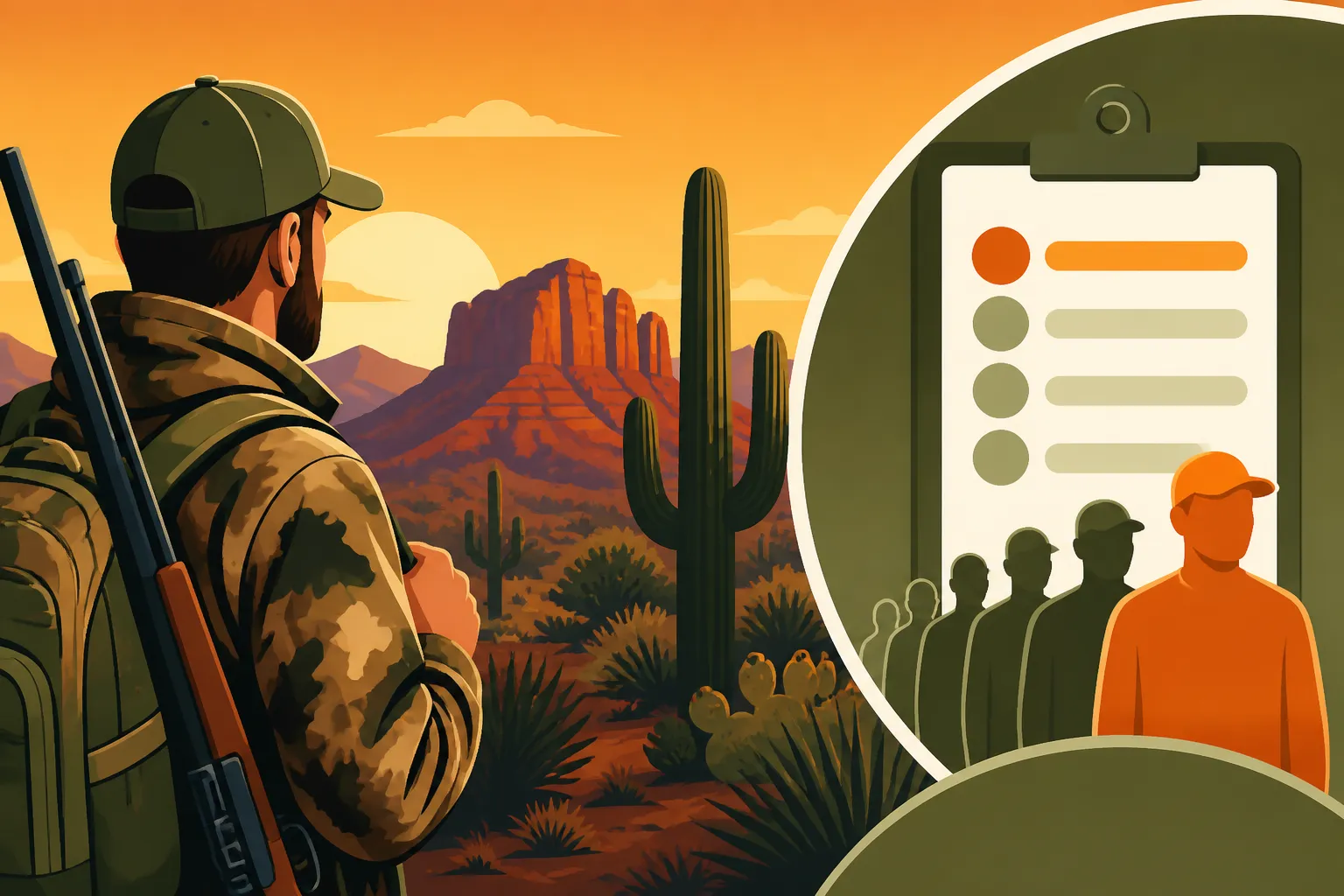
Getting on an Outfitter Waiting List
It can feel incredibly frustrating when you finally decide to book that dream Arizona hunt, whether it's for a monster Kaibab mule deer or a rutting bull elk on the Mogollon Rim, only to find that every reputable outfitter is booked solid, sometimes years in advance. This guide is here to walk you through the often-overlooked strategy of getting on an outfitter waiting list, explaining how it works, what to expect, and how to position yourself for success when an opportunity arises, even at the last minute.
The Reality of Booking Popular Arizona Hunts
Let's be honest, hunting Arizona's trophy units for species like elk, bighorn sheep, or even a giant Coues deer is a highly competitive endeavor. Not only are the tags notoriously difficult to draw, but once you have that coveted permit in hand, securing a spot with a top-tier outfitter can be another monumental challenge. It's a double whammy for many hunters, creating a sense of urgency and often, disappointment.
Why Top Outfitters Fill Up Fast
The best outfitters in Arizona aren't just selling a hunt; they're selling an experience, a lifetime memory, and a genuine shot at a trophy animal. Their reputation precedes them, often built on years of hard work, intimate knowledge of specific units, and a long list of successful clients. Word travels fast in the hunting community, and good results mean returning clients and a constant stream of new inquiries. When you combine this with the sheer limited availability of prime hunting opportunities in units renowned for Which Arizona Units Produce the Biggest Bulls or The Arizona Strip Mule Deer Reputation, it's easy to see why their calendars are jammed.
Moreover, many hunters operate on a multi-year plan, especially for species like elk. They might apply for years to build bonus points, and once they finally draw a tag, they've often had their eyes on a specific outfitter for just as long. This commitment, often secured with deposits well in advance of the actual hunt, locks up valuable guide slots. It's not uncommon for outfitters specializing in those sought-after, limited-entry hunts to be fully booked for the upcoming season even before the draw results are announced, simply operating on the assumption that a percentage of their pre-booked clients will draw. This foresight allows them to manage their resources and client expectations effectively, but it also means fewer open spots for those who wait until they have a tag in hand.
The Draw System's Impact on Outfitter Availability
Arizona's draw system is unique, with two main application periods (February for elk and antelope, June for deer, sheep, and bison). This timing can create a significant hurdle for hunters and outfitters alike. Most hunters won't know if they've drawn a tag until weeks or even months after the application period closes. This uncertainty makes it tricky for hunters to commit to an outfitter and equally challenging for outfitters to manage their availability.
Think about it: an outfitter can't fully book their schedule until clients confirm they have drawn a tag. But if they wait until then, they risk losing out on bookings from proactive hunters who might have drawn. This leads to a delicate dance where outfitters might provisionally book clients, or, more commonly, maintain a waiting list. When draw results are posted, usually in late spring for the February draw and late summer for the June draw, there's a flurry of activity. Some clients who provisionally booked might not have drawn their desired tag, freeing up a spot. Others might have drawn but had a change of plans, or perhaps they drew a less-preferred unit and decide to try for a better tag another year. These scenarios are precisely where the waiting list comes into play. It’s a dynamic, last-minute reshuffling that can either leave you out in the cold or present an unexpected opportunity. Many hunters will be checking When Arizona Posts Draw Results with bated breath, knowing their outfitter contacts are waiting on that information too.
Understanding Outfitter Waiting Lists
A waiting list might sound like a "long shot," but it's often the most realistic pathway to hunting with a top outfitter, especially if you didn't plan years in advance or drew a tag unexpectedly. It’s not just a list of names; it's an active management tool for outfitters and a strategic avenue for hunters.
How Waiting Lists Work
At its core, an outfitter waiting list is a prioritized roster of potential clients who are interested in booking a hunt should an opening become available. This "opening" can occur for various reasons:
- Failed Draw: The most common reason. A client who pre-booked or expressed strong interest might not draw their tag.
- Cancellation: Life happens. A client might have a medical emergency, a family event, or a work conflict that forces them to cancel.
- Unit Change: A client might have drawn a tag in a unit they didn't really want, opting to surrender it and save their points for a better hunt.
- Additional Tags: Rarely, an outfitter might pick up additional public land use permits, allowing them to take on one or two more clients for a specific season.
The process of getting on a waiting list usually involves contacting the outfitter directly. Some outfitters have a formal process, perhaps an online form or a specific person to talk to. Others might keep a less formal list in their office. You'll typically provide your contact information, the species you're interested in, the specific hunt dates or season (if known), and any flexibility you have. Some highly sought-after outfitters might even require a small, non-refundable deposit to be placed on their priority waiting list, indicating serious intent. This deposit is usually applied to the hunt cost if you secure a spot, but it's crucial to clarify their policy upfront regarding Refunds When You Fail to Draw.
What to Expect When You Get on a List
Once you're on a waiting list, communication is key, but don't expect daily updates. Outfitters are incredibly busy, especially during hunting season and around the draw deadlines. You might hear nothing for months, or you could get a call next week. This unpredictability is part of the game.
When an opening does come up, expect a quick turnaround. Outfitters will typically contact the top person on their list, giving them a short window (sometimes just 24-48 hours) to commit. If that person passes, they move to the next. This means you need to be prepared to make a decision quickly. Have your finances in order, your gear ready, and your schedule cleared. These last-minute opportunities are often snatched up by those who are most prepared and decisive. For a hunter looking at a prime Arizona elk hunt, being on that list can be the golden ticket, but only if you're ready to seize it. Understanding How Far Ahead to Book an Arizona Elk Hunt can give you an edge, even on a waiting list, by knowing when most cancellations or openings might occur.
Strategies for Successfully Getting on a Waiting List
Successfully navigating the outfitter waiting list landscape isn't about luck; it's about being proactive, organized, and persistent. You need to make yourself an attractive and prepared candidate for those elusive openings.
Proactive Research and Outreach
Don't wait until you draw a tag to start thinking about an outfitter. Begin your research well in advance, even if you're years away from building enough points for a premier tag. Identify a handful of reputable outfitters specializing in your desired species and units. Platforms like BookYourHunt can be invaluable for finding legitimate operations and reading client reviews. Another excellent resource for planning, particularly for draw odds and unit breakdowns, is GoHunt. They provide detailed insights that can help you target specific outfitters in specific units.
Once you have your target list, reach out. An initial email or phone call expressing your interest, your timeline, and your flexibility is a great starting point. Be clear about your intentions: you're building points, you're applying in the upcoming draw, and you'd like to be considered for their waiting list. A well-prepared hunter will already have researched Arizona Elk on the Rim, White Mountains and Kaibab or Coues Deer in the Southeastern Sky Islands and can speak intelligently about their hunting goals. This shows you're serious and not just window shopping.
What Information to Provide
When you contact an outfitter about their waiting list, be ready to provide clear, concise information. This typically includes:
- Your Name and Contact Information: Obvious, but essential.
- Target Species: Elk, mule deer, Coues deer, bighorn, etc.
- Desired Weapon Choice: Archery, rifle, muzzleloader. This is critical as hunt dates and outfitter specialties vary greatly by weapon. Which Weapons a HAM Tag Covers might be a consideration for those drawing a HAM tag.
- Desired Hunt Units (if known): If you're applying for specific units, let them know.
- Flexibility: Are you open to different dates, seasons, or even units if an opportunity arises? The more flexible you are, the better your chances.
- Draw Status: Are you building points? Did you apply for the current draw? Have you drawn a tag already (and if so, for which unit and dates)?
Being upfront and honest about your situation helps the outfitter understand where you fit into their potential client pool. They appreciate hunters who are clear about their expectations and limitations. Don't be afraid to ask Questions Worth Asking Before You Book even at this early stage, such as their typical guide-to-hunter ratio or what kind of lodging they provide.
The Role of Deposits and Agreements
As mentioned earlier, some outfitters might request a deposit to secure a spot on their priority waiting list. This is less common for a general "interest" list but more frequent for a true "priority" list. If a deposit is requested, make sure you understand the terms and conditions thoroughly.
- Is it refundable if no hunt materializes?
- Does it apply directly to the hunt cost if you book?
- What are the cancellation policies?
Always get any agreements in writing. A reputable outfitter will have clear policies and be transparent about their terms. This isn't just about protecting your money; it's about ensuring both parties are on the same page. A clear understanding of financial commitments, especially concerning Typical Deposit Amounts Arizona Outfitters Ask and Reading the Cancellation and Refund Terms, is crucial. You might find that some outfitters offer more favorable terms for waiting list deposits, understanding the inherent uncertainty.
Maximizing Your Chances While on a Waiting List
Being on a waiting list isn't a passive activity; it's an ongoing process that requires a bit of savvy and readiness. Your goal is to remain top-of-mind for the outfitter while being prepared to jump on an opportunity.
Staying Engaged Without Being a Nuisance
Once you're on a waiting list, it's a fine line between showing continued interest and becoming an annoyance. A good strategy is to establish a respectful cadence for check-ins.
- After Draw Results: This is a prime time for a polite, brief email or call. "Just wanted to let you know I didn't draw Unit X, but I'm still very interested in any openings that might come up." Or, "I drew Unit Y for the late archery season, and I'm still hoping to find an opening with your team." This reminds them of your interest and updates them on your status.
- Seasonal Check-ins: A quick touch base once or twice a year, perhaps closer to the start of a new application cycle, is also appropriate. "Hope you had a great season! Just wanted to reiterate my interest for next year."
- Specific Changes: If your availability changes significantly, or if you decide to focus on a different species or unit, update the outfitter.
These communications should be brief, professional, and to the point. Remember, outfitters are busy, and they appreciate efficiency. The goal is to keep your name and interest fresh in their minds without demanding constant attention. It helps them to know you are still actively pursuing a hunt. Many outfitters value clients who are clear and communicative, as it makes their job of filling last-minute spots much easier.
Being Ready to Act Quickly
This is perhaps the most critical aspect of waiting list success. When that call comes, it often comes with a short fuse. The outfitter has an opening, and they need to fill it yesterday.
- Financial Readiness: Have your funds accessible or a plan to secure them quickly. Understand The All-In Cost of an Arizona Nonresident Elk Hunt or your chosen species so you aren't surprised by the investment required.
- Gear Preparedness: Is your rifle sighted in? Is your bow tuned? Do you have appropriate clothing for the Arizona desert heat or mountain chill? While outfitters provide a lot, you're responsible for your personal gear. The Gear List Your Outfitter Will Send is a great start, but you should have your essentials ready to go.
- Schedule Flexibility: Can you get time off work? Can you arrange travel on short notice? If you tell an outfitter you're flexible, be ready to prove it. These last-minute opportunities often arise because someone else wasn't flexible.
Think of it like being an emergency substitute player. You might not be the first choice, but when the opportunity arises, you need to be ready to step onto the field and perform.
Exploring Multiple Options
While you might have a dream outfitter in mind, it's wise to cast a wider net, especially if you're serious about hunting in a particular year. Get on waiting lists for several reputable outfitters. This increases your chances significantly. Just be transparent with each outfitter about your intent to hunt that year, but avoid over-committing or making promises you can't keep.
You can also use resources like GoHunt to research potential outfitters and compare their offerings and draw success rates. This kind of due diligence helps you make informed decisions when an opportunity finally knocks. Consider a variety of hunt types as well. Maybe you're focused on a fully guided rifle elk hunt, but a semi-guided archery mule deer hunt opens up. Would you consider it? Having options and being flexible can turn a "no" into a "yes." Remember, How Outfitters Scout Before Your Arrival can vary, and understanding their process helps you align your expectations.
Comparing Booking Approaches
To help illustrate the differences between various booking strategies, here's a quick comparison:
| Feature | Pre-Booked/Planned Hunt | Waiting List Approach | Last-Minute Search (No List) |
|---|---|---|---|
| Commitment Level | High, often with significant deposit months or years in advance | Medium, expressing serious interest, potential small deposit | Low initially, high commitment needed if an opening is found |
| Flexibility Required | Low, specific dates/units typically chosen | High, must be ready for various dates/units | Highest, must be able to drop everything |
| Chance of Top Outfitter | Highest, especially if booking well in advance | Good, if an opening arises | Very Low, best outfitters rarely have late openings |
| Information Provided | Detailed hunt preferences, personal info | Species, weapon, unit interest, flexibility, contact info | Whatever the outfitter asks on short notice |
| Timeframe | Months to years in advance of the hunt | Ongoing, can take months, or happen days before a hunt | Days to weeks before hunt |
| Communication | Regular updates, planning calls | Periodic check-ins, quick response required for openings | Reactive, only when actively looking for an open spot |
This table highlights why the waiting list is a crucial middle-ground strategy, offering better odds than a purely last-minute search while requiring less long-term commitment than a multi-year pre-booked slot.
Disclaimer
This article is for general informational purposes only and does not constitute professional advice. Laws, prices and regulations vary by location and change over time. Consult a qualified professional for guidance on your specific situation.