The Crossbow Draw Weight Floor in Arizona
Hunting in Arizona can sometimes feel like navigating a labyrinth of regulations, especially when it comes to specific weapon requirements. One common point of confusion and frustration for many archers, both seasoned and new, revolves around crossbow specifications, particularly the minimum draw weight. This guide will meticulously break down the Arizona Game and Fish Department's requirements for crossbow draw weight, shedding light on why this rule exists, what it means for you as a hunter, and how to ensure your equipment meets the necessary standards for ethical and legal hunting in the Grand Canyon State.
Understanding Arizona's Crossbow Draw Weight Requirement
The Arizona Game and Fish Department (AZGFD) sets clear minimums for archery equipment used to hunt big game, and crossbows are no exception. These regulations are not arbitrary; they are put in place to ensure that hunters use equipment capable of delivering enough kinetic energy to achieve a quick, humane, and ethical harvest. For crossbows, specifically, Arizona mandates a minimum draw weight, which directly translates to the power and penetration capability of your bolt.
The Specifics of the 125-Pound Minimum
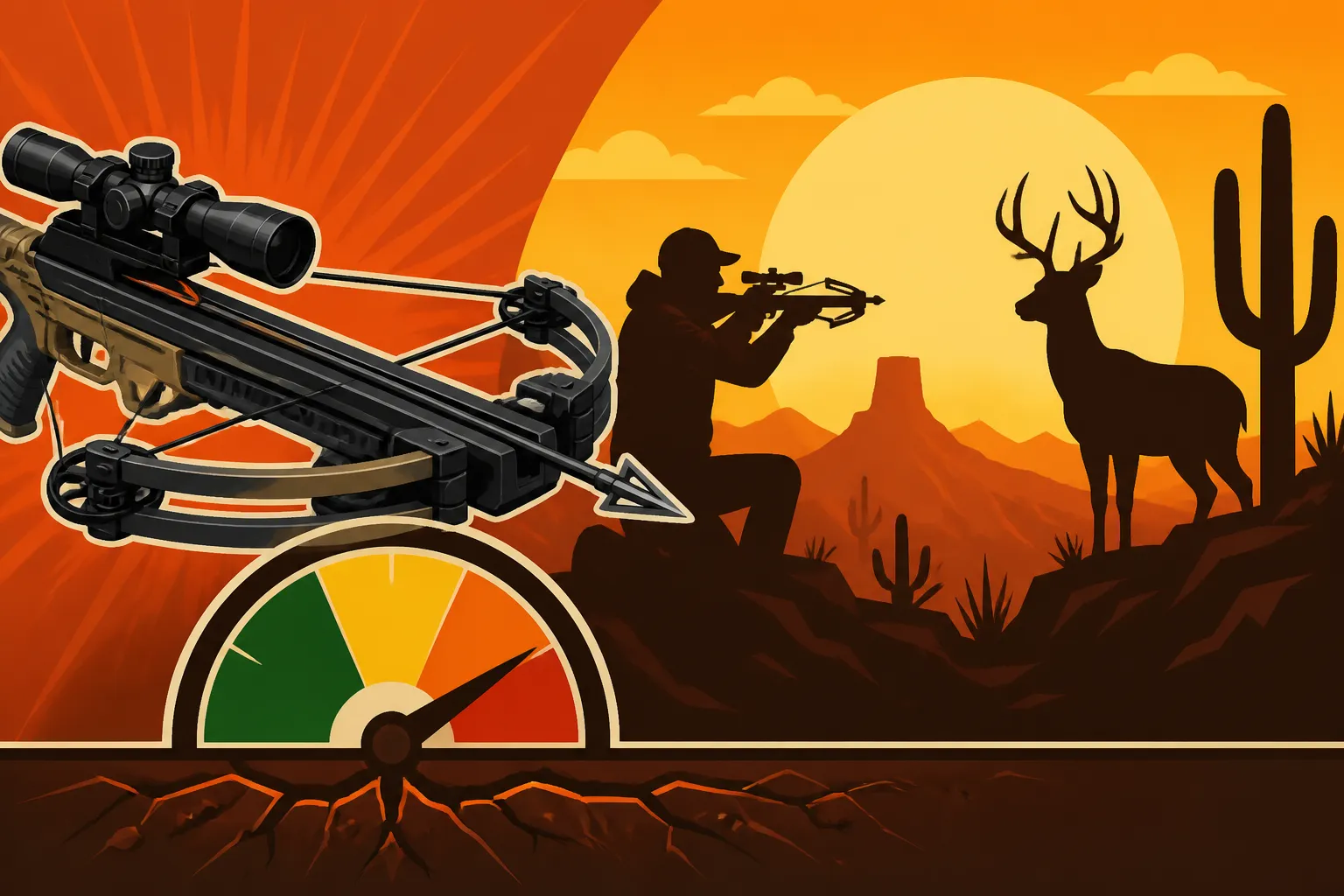
When you're looking at the Arizona hunting regulations, you'll find a very precise number: crossbows must have a minimum draw weight of 125 pounds. This isn't just a suggestion; it's a hard and fast rule that every hunter using a crossbow for big game in Arizona must adhere to. The intent behind this specific threshold is to ensure that the projectile, or bolt, is launched with sufficient force to penetrate deep enough to reach vital organs, ensuring a swift and clean kill on animals like deer, elk, or javelina.
This requirement impacts everything from choosing a new crossbow to ensuring your current setup is compliant. It's not about making hunting harder, but about upholding the highest standards of ethical take. Without adequate draw weight, the risk of wounding an animal and having it suffer increases significantly, which is something every responsible hunter wants to avoid at all costs. It's also worth noting that while this rule focuses on crossbows, there's a separate minimum for vertical bows; you can learn more about Arizona Sets Bow Draw at 30 Pounds and Crossbows at 125 in a related article.
Why the Draw Weight Matters for Ethical Hunting
The concept of draw weight, whether for a vertical bow or a crossbow, is fundamentally tied to kinetic energy and momentum—the physics of making an arrow or bolt fly effectively and penetrate deeply. For big game animals, which possess robust bone structures, thick hides, and dense muscle, a certain amount of energy is crucial. A bolt launched from a crossbow with insufficient draw weight simply won't carry the necessary force to reliably achieve that critical pass-through shot, especially when encountering bone.
This isn't about bragging rights or shooting the most powerful crossbow on the market; it's about respect for the animal. A well-placed shot with a properly powered crossbow minimizes suffering and maximizes the chances of recovering your game. The AZGFD, like many wildlife agencies, has studied the ballistics and terminal performance of various hunting tools to arrive at these minimums, creating a baseline for what is considered an ethical hunting implement for big game species found across the state, from the high country where elk roam to the desert floors frequented by desert mule deer and javelina.
Navigating Crossbow Choices to Meet Arizona's Requirements
Once you understand the 125-pound draw weight floor, the next step is to ensure your crossbow not only meets but ideally exceeds this standard for optimal performance and peace of mind. The market is flooded with various crossbow models, and knowing what to look for can simplify your purchasing decision, whether you're a first-time buyer or looking to upgrade.
What to Look for When Buying a Crossbow for Arizona
When you're in the market for a crossbow to use in Arizona, the 125-pound draw weight is your absolute minimum benchmark. Most modern crossbows, especially those designed for big game hunting, will easily surpass this number, often boasting draw weights in the 150 to 200+ pound range. However, it’s always critical to verify the specifications. Don't just assume; check the manufacturer's listed draw weight. You can often find this information readily available on the product page or in the owner's manual. A reliable resource like GoHunt's gear guides or manufacturer websites can also be invaluable for comparing models and ensuring compliance.
Beyond just the draw weight, consider other factors that contribute to ethical hunting. Does the crossbow feel comfortable to shoulder? Can you consistently group shots at your effective hunting range? Are cocking aids readily available and easy to use? Many crossbows today come with integrated cocking devices or are compatible with rope cockers, which significantly reduce the physical effort required to draw even a heavy-poundage bow, making the 125-pound minimum very manageable for most hunters.
Different Crossbow Designs and Their Relation to Draw Weight
Crossbows primarily come in two main designs: recurve and compound. Both types are capable of meeting Arizona's 125-pound minimum, but they achieve it through different mechanics:
- Recurve Crossbows: These are simpler in design, often more lightweight, and feature limbs that curve away from the riser at the ends. Their draw weight is usually a direct reflection of the actual force needed to pull the string back. While they are known for their reliability and ease of maintenance, they can feel heavier to cock manually at higher draw weights. Many modern recurve crossbows, however, are designed with mechanisms that still make them manageable, and most reputable big game models will exceed the 125-pound mark comfortably.
- Compound Crossbows: These utilize a system of cams (eccentric wheels) and cables, similar to a compound vertical bow, to multiply force and create a "let-off" effect. While the peak draw weight might be quite high (e.g., 200 pounds), the force required to actually cock the crossbow is often significantly reduced due to the mechanical advantage of the cam system. This means a hunter might experience a much lighter pull (effective draw weight) when cocking, even though the crossbow itself is rated for a high draw weight that easily surpasses Arizona's 125-pound minimum. This mechanical advantage makes compound crossbows very popular for hunters seeking high power with reduced physical exertion during the cocking process.
No matter the design, always confirm the manufacturer's stated peak draw weight. That's the number AZGFD will be interested in, not the effective effort it takes to cock it with an aid.
Beyond Draw Weight: Other Critical Crossbow Regulations
While the 125-pound draw weight is a cornerstone, Arizona has other crucial regulations governing crossbow use that hunters must be aware of to ensure full compliance. These rules work in concert to promote ethical hunting and fair chase principles.
Minimum Bolt Length and Broadhead Requirements
The projectile itself—the bolt—also has specific requirements in Arizona. Hunters must use a crossbow bolt that is at least 16 inches in length, measured from the nock to the point where the broadhead meets the shaft. This ensures adequate mass and stability for proper flight and energy transfer. You can delve deeper into Minimum Crossbow Bolt Length in Arizona to understand these specifications more thoroughly.
Furthermore, the broadhead attached to that bolt is equally important. For big game, Arizona mandates that broadheads must be wider than 7/8 of an inch, measured by the cutting diameter. This regulation ensures sufficient cutting surface for quick hemorrhage and ethical harvest. Both fixed blade and mechanical broadheads are legal, provided they meet this minimum width. If you're wondering about specifics, an article like Why Only Broadheads Over 7/8 Inch Are Legal offers excellent detail, and you might also find answers in Are Mechanical Broadheads Legal in Arizona?. Ensuring your broadhead is sharp, properly installed, and meets the minimum diameter is just as vital as your crossbow's draw weight.
Crossbow Seasons and Permits in Arizona
Understanding when and where you can use a crossbow in Arizona is critical, as regulations have evolved. Historically, crossbows were permitted during archery-only seasons, but this has changed. For instance, you should be aware that Crossbows Leave Arizona's Archery-Only Seasons in 2026, marking a significant shift in hunting opportunities.
Currently, crossbows are generally allowed in general hunting seasons, HAM (Handgun, Archery, Muzzleloader) hunts, and muzzleloader seasons. However, for archery-only seasons, there are specific exceptions. Hunters with qualifying disabilities can apply for a special permit, known as a CHAMP permit, which allows them to use a crossbow during these seasons. If this applies to you, understanding The Arizona CHAMP Permit and Archery-Only Seasons is paramount. For everyone else, consulting Which Hunts Still Allow a Crossbow will give you a clear picture of when your crossbow is a legal tool in the field. This nuance highlights the importance of checking the latest Arizona Game and Fish Department regulations annually, as rules can and do change, as detailed in articles like What Changed for Arizona Crossbows on January 1.
Ensuring Your Crossbow Compliance and Field Readiness
Making sure your crossbow meets Arizona's 125-pound draw weight requirement, along with all other regulations, is not just about avoiding a citation; it's about being a responsible, ethical hunter. Taking the time to prepare your equipment properly contributes directly to your success and the welfare of the game you pursue.
Verifying Draw Weight and Maintenance
When you purchase a crossbow, its draw weight will be listed in the specifications. For older crossbows or those purchased used, if you can't find documentation, you might need to take it to a reputable archery pro shop to have its draw weight measured accurately. They have specialized equipment that can verify the peak draw weight, giving you peace of mind.
Regular maintenance is also key to ensuring your crossbow performs as intended. This includes checking the string and cables for fraying, lubricating the rail, and inspecting the limbs for any signs of damage. A well-maintained crossbow will deliver consistent performance, which is essential for accurate shooting and ethical harvests. It also ensures that the components necessary for achieving that 125-pound minimum draw weight are functioning correctly.
The Role of Practice and Proficiency
Meeting the minimum draw weight is only one part of the equation. The other, equally important part, is your proficiency with the crossbow. A powerful crossbow in the hands of an unpracticed hunter is still an unethical tool. Arizona's regulations set a baseline for equipment capability, but it's up to you to put in the range time. Practice shooting at various distances and angles, simulate field positions, and ensure you can consistently hit a kill zone target under pressure.
Many hunters use platforms like GoHunt to research units, scout, and plan hunts, but the most critical scouting happens on the range with your chosen weapon. Knowing your crossbow's capabilities, understanding bolt trajectory, and being confident in your shot placement are paramount. The goal is to make every shot count, minimizing the chance of wounding an animal. Ethical hunting demands not just compliant gear, but also a skilled and responsible hunter behind it.
Crossbow Regulation Comparison Table
To give you a clearer picture of key crossbow regulations in Arizona, here's a quick reference table:
| Regulation Aspect | Arizona Requirement | Importance for Hunters |
|---|---|---|
| Minimum Draw Weight | 125 pounds | Ensures sufficient kinetic energy for humane harvest |
| Minimum Bolt Length | 16 inches (nock to broadhead shoulder) | Promotes stable flight and proper energy transfer |
| Minimum Broadhead Width | > 7/8 inch cutting diameter | Ensures adequate cutting surface for quick hemorrhage |
| Archery-Only Seasons | Generally NOT allowed (with exceptions) | Requires specific permits (CHAMP) or general season use |
| General/HAM/Muzzleloader | Generally permitted | Wider use during these specified seasons |
This table serves as a quick overview, but remember that the Arizona Game and Fish Department's official regulations are the definitive source for all rules and changes. Always consult them directly before your hunt.
Final Thoughts on Ethical Crossbow Hunting in Arizona
The 125-pound draw weight floor for crossbows in Arizona is a critical regulation designed to uphold the principles of ethical and humane hunting. It's a testament to the state's commitment to wildlife conservation and responsible take. As hunters, it's our duty to not only understand these rules but to embrace their spirit by ensuring our equipment is not just legally compliant, but also optimally effective for the task at hand.
By selecting a crossbow that comfortably meets or exceeds this draw weight, pairing it with the correct bolts and broadheads, understanding the seasons and permits where crossbows are legal, and dedicating ourselves to rigorous practice, we honor the animals we pursue and contribute positively to the rich tradition of hunting in Arizona. Always stay informed, hunt responsibly, and enjoy the incredible opportunities the desert and mountains of Arizona offer.
Disclaimer
The information provided in this article is intended for general guidance and informational purposes only. Hunting regulations in Arizona are subject to change, and specific rules may vary. It is the sole responsibility of the hunter to consult the most current official Arizona Game and Fish Department regulations booklet or website before engaging in any hunting activity. Failure to comply with all state and federal hunting laws can result in penalties.