Arizona Muzzleloader Elk Hunt Timing
If you've ever found yourself staring blankly at the Arizona Game and Fish Department (AZGFD) regulations booklet, trying to decipher when exactly you can sling a muzzleloader over your shoulder for an elk hunt, you're not alone. The timing of these specialized hunts can feel like a moving target, making it tough to plan everything from vacation days to scouting trips. This guide is here to untangle the complexities, walking you through the typical timing for Arizona's coveted muzzleloader elk seasons, what influences those dates, and how you can best prepare.
Understanding Arizona's Elk Draw Cycles and Muzzleloader Seasons
Arizona's elk hunting landscape is unique, primarily governed by a lottery draw system that allocates tags across various weapon types and seasons. Muzzleloader hunts are a special segment within this broader framework, offering a distinct challenge and experience. Knowing how these seasons fit into the overall draw cycle is the first step to securing one of these sought-after tags.
The Two Primary Draw Cycles and How They Relate to Elk
Arizona operates on two major draw cycles each year: one in February and another in June. For anyone dreaming of an elk hunt in the Grand Canyon State, your focus will always be on the February draw. This is when all elk, pronghorn, and fall bison tags are allocated. The deadlines are strict, and missing them means waiting another year. Understanding The Arizona Elk and Antelope Application Deadline is crucial, as this is your one shot to get into the game for a muzzleloader elk tag.
When you apply, you're not just putting in for "elk." You're applying for specific hunt numbers, each tied to a unit, a weapon, and a set of dates. Muzzleloader hunts are typically much more limited in scope and number of tags than general rifle or even archery seasons, which makes them highly desirable and often harder to draw. The state carefully balances tag numbers to manage elk populations and provide quality hunting experiences, but it also means those unique muzzleloader opportunities are spread thin.
Typical Muzzleloader Elk Season Windows
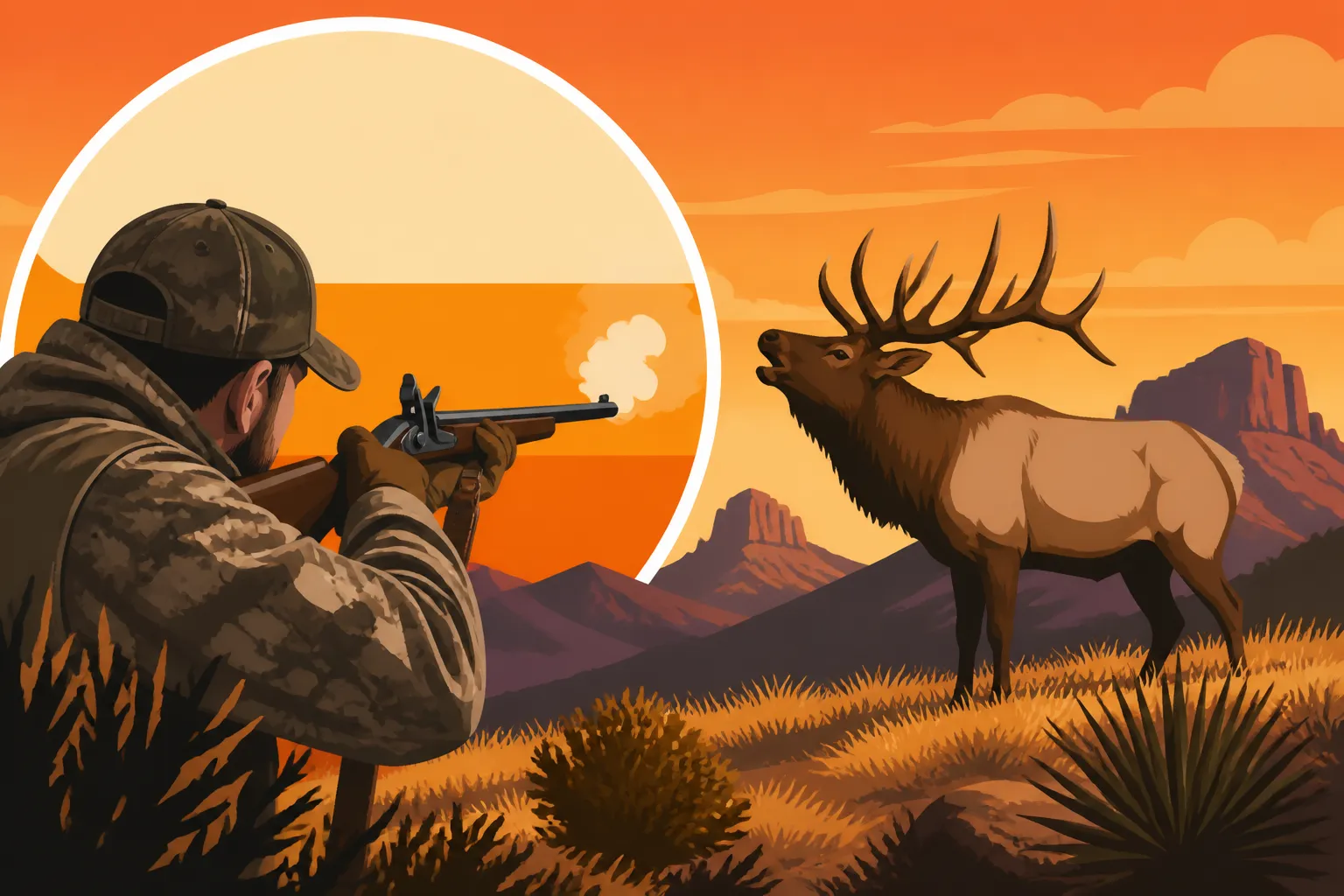
Arizona's muzzleloader elk seasons are typically timed strategically to coincide with some of the most exciting periods of the elk year. While dates can shift slightly from year to year based on the calendar and biological factors, you'll generally find these hunts falling into the late September and early October window.
This timing is no accident. It places muzzleloader hunters right on the heels of the peak rut, or sometimes even right in the thick of it, especially for later season muzzleloader hunts. This means the bulls are often still vocal, bugling, and actively seeking cows, making for an incredibly thrilling and dynamic hunt. Compared to the frenzy of the early archery rut or the widespread pressure of general rifle seasons, muzzleloader hunts offer a unique blend of challenge and opportunity. The cooler temperatures that begin to settle into Arizona's high country during this time also make for more comfortable hunting conditions and better meat care, which is a huge bonus when you're packing out a big bull. For a broader overview, take a look at the Arizona Elk Season Structure by Hunt Code to see how muzzleloader dates stack up against other weapon types.
Key Factors Influencing Muzzleloader Elk Hunt Timing
The Arizona Game and Fish Department doesn't just pick dates out of a hat. A multitude of factors, both biological and logistical, go into determining when muzzleloader elk hunts are scheduled. Understanding these can help you anticipate general patterns and appreciate the thought that goes into managing these world-class hunts.
The Influence of the Elk Rut on Hunt Dates
There's nothing quite like the sound of a bugling bull echoing through the pines, and for many, the allure of a muzzleloader elk hunt is inextricably linked to the rut. Arizona's game managers know this, and as such, many muzzleloader seasons are purposefully scheduled to capitalize on this period of heightened elk activity. The peak of the elk rut in Arizona typically occurs from mid-September into early October.
When muzzleloader hunts align with this timeframe, hunters benefit from more active, less wary bulls. Bulls are consumed with breeding and defending their harems, often making them more visible and responsive to calls. This can be a huge advantage when you're limited to a single-shot, primitive weapon. While it's exhilarating, it's also intense. Bulls are constantly on the move, and the weather can be a mixed bag of scorching days and chilly nights, making for a physically demanding hunt. For more insight into this specific period, consider researching When the Elk Rut Peaks on the Rim as this directly impacts hunt success and strategy.
Weather Patterns and Their Impact on Hunt Schedules
Arizona is a state of dramatic landscapes and even more dramatic weather shifts. A muzzleloader elk hunt in late September or early October can throw everything at you, from sweltering desert heat in lower elevations to freezing mountain mornings and even early snowstorms in the high country. These weather patterns are a significant consideration when AZGFD sets hunt dates.
Cooler temperatures generally mean elk are more active throughout the day, spending less time bedded down in thick cover to escape the heat. It also aids in meat preservation once an animal is harvested. However, an early cold snap or a surprise snowstorm can dramatically alter elk movement, pushing them to lower elevations or into different types of cover. Conversely, a prolonged warm spell can make for tougher hunting, with elk becoming largely nocturnal. Being prepared for these variations is paramount. I've seen hunters caught off guard by a sudden freeze, and others baking in what felt like summer heat during the same week in different units. It truly underscores the importance of versatile layering and robust planning.
Draw Odds and Tag Allocation
The number of tags issued for a specific muzzleloader elk hunt, and consequently the difficulty of drawing one, also plays a role in how these seasons are structured and perceived. Muzzleloader tags are often among the hardest to draw due to their unique timing and the inherent challenge of the weapon, which many hunters find incredibly rewarding.
Each specific hunt period, defined by its unit, weapon, and dates, has a unique hunt code. The AZGFD carefully analyzes population data, harvest statistics, and hunter demand to set tag quotas for each of these codes. Hunts that fall during the perceived "best" times—like the peak of the rut—tend to have significantly lower draw odds because so many hunters prioritize them. This means that while some muzzleloader hunts are designed to put you in prime rut activity, you might be looking at many years of applying to secure one of those tags. Resources like GoHunt are invaluable for delving into historical draw odds and strategizing your application. They provide detailed data that can help you understand the probability of drawing a tag for specific muzzleloader hunts, allowing you to make informed decisions about where and when to apply. Checking Arizona Draw Odds Before You Apply is a critical step for any serious applicant.
| Hunt Type | Typical Timing | Primary Advantage | Draw Difficulty |
|---|---|---|---|
| Early Archery | Mid-September | Peak bugling, less pressure | High |
| Muzzleloader | Late September – Early October | Post-rut activity, cooler temps | Very High |
| General Rifle Early | Mid-October | Bulls regrouping, still active | Medium |
| General Rifle Late | Late November – Early December | Post-rut, migrating, colder | Low – Medium |
Navigating the Arizona Game and Fish Department Regulations
The Arizona Game and Fish Department is the authoritative source for all hunt dates and regulations. While online forums and social media can offer insights, nothing beats going straight to the source. Understanding how to find and interpret the official regulations is fundamental to planning any hunt in Arizona, especially for a specialized season like muzzleloader elk.
Finding Current and Future Season Dates
Every year, the AZGFD publishes its "Hunting Regulations" booklet, available both in print and, more conveniently, as a downloadable PDF on their website. This document is your bible for all things Arizona hunting. It details every species, every weapon type, and every specific hunt offered throughout the year.
For muzzleloader elk, you'll want to navigate to the "Elk" section, specifically looking for the tables that break down hunts by weapon. Here, you'll find a grid of hunt numbers, units, and corresponding dates. It's not always the easiest document to read at first glance, but with a little practice, you'll quickly learn to pinpoint the information you need. The trick is to focus on the "Weapon" column and identify "Muzzleloader" hunts. Then, cross-reference the unit numbers and the dates. I can't stress this enough: always refer to the current year's regulations, as dates and hunt codes can be adjusted. If you want a deep dive into deciphering the official regulations, check out Reading the Arizona Hunt Regulations Booklet for expert tips.
Interpreting Hunt Codes and Unit Boundaries
Each hunt listed in the regulations will have a unique hunt code—a series of numbers and sometimes letters that condense a lot of information into a compact format. This code tells you the species, the specific unit(s) or unit groups it covers, the allowed weapon type, and the exact start and end dates. For instance, a code might indicate an "Elk, Muzzleloader, Unit 9, Sept 25 – Oct 1."
It's critical to understand that these codes are unit-specific. You can't just apply for a "muzzleloader elk tag" and expect to hunt anywhere. You need to identify the units that interest you, then find the muzzleloader hunts offered within those units, and their corresponding dates. Once you've identified a unit, it's equally important to understand its boundaries. Arizona's Game Management Units (GMUs) are well-defined, but they can be complex, often following roads, rivers, or topographical features. Using a reliable mapping application like onX Hunt or GoHunt with public land overlays and unit boundaries is essential. This prevents you from inadvertently hunting outside your permitted unit, which can lead to serious legal trouble. Accurately Reading an Arizona Hunt Code is a skill every Arizona hunter needs to master.
Planning Your Muzzleloader Elk Hunt Around Key Dates
Once you've navigated the draw, secured a coveted muzzleloader elk tag, and identified your specific hunt dates, the real work begins. Planning effectively around those dates is paramount to a successful and enjoyable experience in Arizona's rugged elk country.
Pre-Season Scouting and Preparation
Having your hunt dates locked in gives you a clear target for all your pre-season efforts. Scouting is arguably the most critical component, especially for a muzzleloader hunt where you'll want to be intimately familiar with your chosen area. Ideally, you want to conduct scouting trips that mirror the conditions you expect during your actual hunt. If your hunt is in late September, scouting in late August or early September gives you a good feel for elk patterns, water sources, and access.
Use online tools and satellite imagery to E-Scouting an Arizona Unit Before the Season before you ever set foot on the ground. Look for bedding areas, feeding zones, and travel corridors. Pay special attention to Water Sources That Concentrate Arizona Desert Game, as these are often hot spots for elk, especially if the monsoon season has been light. Physical preparation is also non-negotiable. Arizona elk country is not for the faint of heart. You'll be covering significant elevation changes, often in demanding terrain. Starting a robust fitness regimen months in advance will pay dividends when you're hiking miles with a muzzleloader and potentially packing out meat.
Gear Considerations for Muzzleloader Season
Your muzzleloader itself is obviously front and center for this type of hunt. Ensure it's sighted in precisely and that you're comfortable and proficient with loading and shooting it under various conditions. Know your effective range inside and out; unlike a modern rifle, a muzzleloader demands closer, more deliberate shot opportunities. The Arizona Game and Fish Department specifies legal muzzleloader configurations and powder charges allowed in Arizona, so double-check those regulations.
Beyond your weapon, consider your clothing system. Given the late September to early October window, you might encounter anything from warm, sunny days requiring lightweight layers to freezing mornings and even snow. Pack versatile layers that can be added or removed as conditions dictate. Don't forget high-quality optics, especially a good spotting scope if you're hunting more open country, as a muzzleloader often means closing the distance after spotting an animal. Good boots and a comfortable pack capable of Packing an Elk Out of Rim Country Alone are also vital. And, of course, always carry plenty of water and emergency supplies, as help can be a long way off in remote Arizona units.
Adapting to Conditions During the Hunt
Even with the most meticulous planning, a hunting trip rarely goes exactly as imagined. Elk are wild animals, and they don't always read the script. Flexibility and adaptability once you're in the field are crucial. If the weather changes drastically, be ready to adjust your strategy. If the elk aren't where you expected them, be prepared to move and cover more ground.
Calling strategies that worked during the peak rut might need to be adjusted if you're hunting just after it. Locator bugles at dawn can still be effective for pinpointing animals, but you might need to rely more on cow calls or subtle sounds to draw in wary bulls. Always be mindful of Arizona Legal Shooting Hours for Big Game—don't push your luck. The muzzleloader adds another layer of challenge, requiring you to get closer for an ethical shot, often within 100-150 yards. This means honing your stalking skills and being patient, waiting for the perfect opportunity to present itself. The reward of taking an Arizona elk with a muzzleloader is immense, but it demands an acute awareness of your surroundings and the behavior of the animal.
Securing an Arizona muzzleloader elk tag is a significant accomplishment, but understanding the intricate timing and planning required is the real key to a successful hunt. From navigating the draw to meticulously scouting and preparing for the diverse conditions of Arizona's elk country, every step plays a role. Good luck, and may your efforts lead to a memorable experience in the field!
Disclaimer
Please remember that hunting regulations, season dates, and unit boundaries are subject to change. Always consult the most current official Arizona Game and Fish Department regulations booklet before planning or undertaking any hunting activities. This guide is for informational purposes only and should not be considered legal advice.