Arizona Junior Only Deer Hunt Timing
For many families, introducing a young person to hunting is a cherished tradition, but navigating the specific rules and seasons for junior-only hunts in Arizona can feel like trying to solve a puzzle. It’s tough to pinpoint exact dates, requirements, and the best way to prepare. This comprehensive guide is here to untangle all the details surrounding Arizona's junior-only deer hunt timing, helping you understand the process from application to harvest, and empowering you to create lasting memories afield with your young hunter.
Understanding Arizona's Junior Only Deer Hunts
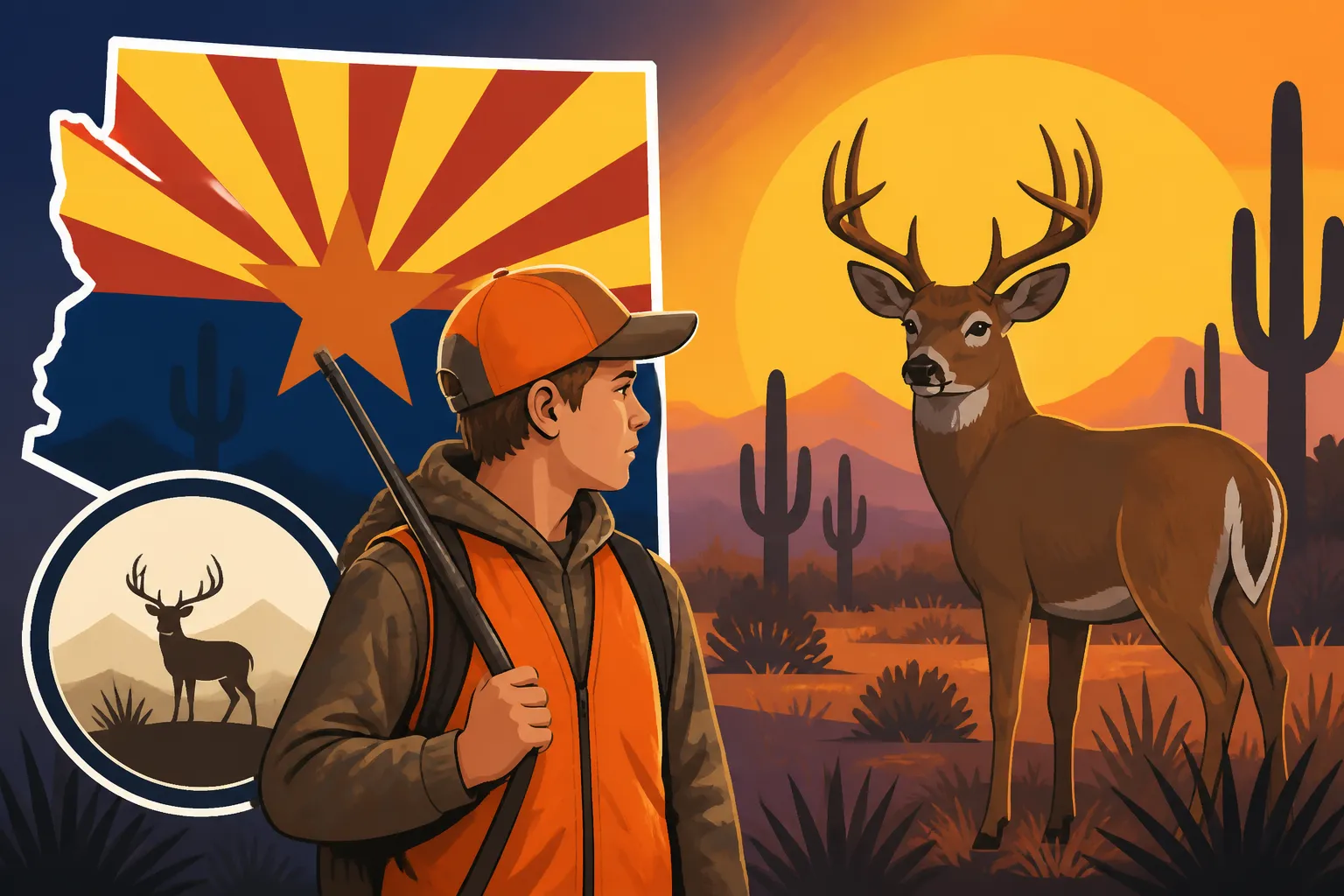
Arizona's Game and Fish Department (AZGFD) has long recognized the importance of fostering the next generation of ethical, responsible hunters. That's why dedicated junior-only hunts exist, offering unique opportunities that are often less crowded and specifically tailored for youth. These hunts aren't just about taking an animal; they're about education, connection, and building a foundation for a lifetime of outdoor passion.
The Philosophy Behind Youth Hunts
The very core of junior-only hunts in Arizona is mentorship and skill-building. These seasons are intentionally structured to provide a more forgiving and focused environment for young hunters, reducing some of the pressures found in general season hunts. Imagine being a brand-new hunter in a sea of experienced adults; it can be intimidating. Youth hunts aim to mitigate that by limiting the participant pool, often leading to a more relaxed atmosphere and, frequently, better success rates due to lower hunting pressure in specific units.
These seasons are crucial for hunter recruitment and retention. By offering dedicated windows, AZGFD encourages parents, grandparents, and mentors to take the time to teach not just shooting skills, but also tracking, field dressing, wildlife identification, and, most importantly, ethical hunting practices. It’s an investment in the future of wildlife conservation, ensuring that the passion for the outdoors continues through new generations. The focus shifts from merely harvesting to the overall experience, fostering a deep respect for the animal and the landscape. It's truly about cultivating a positive first hunting experience, making sure it's memorable for all the right reasons.
Who Qualifies for a Junior Only Deer Tag
To participate in one of these special junior-only deer hunts in Arizona, there are specific age requirements and licensing prerequisites your young hunter will need to meet. Generally, these hunts are open to youth between the ages of 10 and 17. The most critical aspect is that the hunter must possess a valid Arizona hunting license and a successfully drawn permit-tag for the specific junior-only deer hunt. Unlike the over-the-counter archery deer season, these junior hunts require entry into the draw.
For any youth under 14 years of age, successful completion of a hunter education course is mandatory before they can hunt big game. Even for those 14 and older, completing a course like Hunter Education Is Required Under 14 in Arizona is highly recommended for building foundational knowledge and safety skills. If your child is new to hunting and hasn't yet completed hunter education, they might be eligible for an apprentice license, which allows them to hunt without the certification, provided they are accompanied by an adult who is at least 18 years old and holds a valid Arizona hunting license. However, specific big game permits, like those for junior deer, often still require the accompanying adult to have the appropriate license and for the youth to meet the specific tag requirements. Always check the current year's regulations booklet for the most up-to-date information on The Arizona Hunter Education Age Requirement and who is covered by Which Young Hunters Must Certify Before Big Game.
Navigating the Arizona Junior Only Deer Hunt Schedule
Understanding the timing of Arizona's junior-only deer hunts is paramount, as these are limited-opportunity permit-tags that require careful planning and application. Missing a deadline means missing the entire season, which can be incredibly frustrating after all the anticipation. Unlike the more flexible over-the-counter seasons for other species, these specific deer hunts are highly sought after and tied to the state's draw system.
Key Dates and Application Deadlines
The most crucial piece of information for any junior-only deer hunt in Arizona is the application deadline. Deer tags, including the junior-only opportunities, fall under Arizona's second draw cycle, which typically has an application deadline in early to mid-June each year. For instance, the deadline for deer, bighorn sheep, and bison is usually in the second Tuesday of June, around 11:59 p.m. Arizona time. This is a hard deadline, and there are no exceptions for late applications.
It's absolutely vital to confirm the exact date for the current year by consulting the official Arizona Game and Fish Department (AZGFD) hunt regulations booklet, which is released annually. Platforms like GoHunt also provide excellent tools and reminders for these deadlines, often sending out notifications to help hunters stay on track. Failing to apply within this window means your young hunter won't have a chance at a coveted junior deer tag that year. Plan well in advance, gather all necessary information, and submit the application with plenty of time to spare, avoiding any last-minute technical glitches. Remember, The Arizona Deer, Sheep and Bison Deadline is firm, so mark your calendars!
Season Structure and Timing
Once you've successfully navigated the application process and your young hunter has drawn a tag, the next step is understanding when these hunts actually take place. Arizona’s junior-only deer hunts are strategically timed, often to coincide with periods of increased deer activity or during school breaks, making it easier for families to participate.
While specific dates can shift slightly year to year, junior-only rifle deer hunts typically occur in either late September to early October or in late November to early December. For example, you might see a junior-only rifle hunt scheduled for a weekend in late September, targeting mule deer or Coues deer in specific units, or another for a full week in early December. Junior-only archery hunts, if offered, might align with the general archery deer seasons or have their own dedicated windows. These hunts are designed to offer a unique experience, often with less competition from general season hunters. Always refer to the Arizona Game and Fish Department's official regulations for the current season's Arizona Deer Season Dates by Weapon to get the precise opening and closing dates for the hunt code your child has drawn. This ensures you know exactly when and where you can legally hunt.
Common Units and Hunt Codes
Junior-only deer hunts are typically offered in specific game management units across Arizona, each with its own unique hunt code. These units are often chosen by AZGFD due to their accessibility, good deer populations, or terrain that might be more manageable for younger hunters. For instance, some junior hunts might be offered in units along the Mogollon Rim or in parts of the Sonoran Desert, depending on the species of deer (mule deer or Coues deer) targeted.
When applying, you'll select a specific unit and hunt code. Understanding how to read an Arizona hunt code is essential, as it details the species, weapon type, and specific dates for that hunt. You can find detailed information on units and their boundaries in the official AZGFD hunt regulations booklet, and online mapping tools like GoHunt are incredibly valuable for visualizing these units and understanding the terrain. These resources allow you to research the unit's characteristics, historical success rates, and potential access points, helping you to make an informed decision when submitting your application. Sometimes, units known for great general season hunting might also offer junior opportunities, providing a fantastic chance for a young hunter to experience a top-tier area with reduced pressure.
Preparing for a Successful Junior Deer Hunt in Arizona
A successful junior deer hunt isn't just about the shot; it's about the entire experience, from careful preparation to teaching responsible outdoorsmanship. Arizona's diverse terrain, from desert to high country, presents unique challenges and opportunities, making thoughtful preparation even more critical for young hunters.
Gear Considerations for Young Hunters
Ensuring your young hunter has appropriate gear is fundamental for their comfort, safety, and overall enjoyment. When it comes to firearms, consider a lighter rifle chambered in a cartridge with manageable recoil, such as a .243 Winchester, 6.5 Creedmoor, or even a .223 Remington for smaller deer species. Proper fit is crucial; a rifle with an adjustable stock or a shorter length of pull will allow them to shoulder and aim comfortably and safely. Pairing this with a good scope that's easy to adjust and provides a clear sight picture is equally important. Remember, confidence in their equipment translates to confidence in the field.
Beyond the firearm, think about optics. While expensive binoculars aren't strictly necessary, a decent pair that's lightweight and easy for smaller hands to hold can make a world of difference in spotting game. A solid bipod or shooting sticks are almost mandatory for young hunters, providing a stable platform for accurate shots, especially in uneven desert or rocky terrain. Don't overlook clothing and footwear either. Layering is key for Arizona's temperature swings, particularly in the high country, and comfortable, supportive boots are a must for covering miles over Choosing Boots for Rocky Desert Ground. Consider blaze orange requirements if hunting during a general rifle season where junior hunters may overlap.
Mentorship and Skill Development
The role of the mentor in a junior deer hunt cannot be overstated. This is where the true value lies. It's an opportunity to instill a profound understanding of ethical hunting, which goes far beyond just pulling a trigger. Begin with extensive practice at the shooting range, focusing on fundamental marksmanship, shot placement, and understanding animal anatomy. Help them build a consistent Building a Practice Routine Before Opener so they feel confident when the moment of truth arrives.
In the field, teach them about reading wind, tracking game, identifying fresh sign, and the importance of patience. Involve them in every step of the process, from navigating with a map to field dressing and packing out the animal. Discuss game laws, respect for private property, and the concept of fair chase. Consider taking The Ethically Hunting Arizona Course Explained yourself or with your child, as it reinforces many of these crucial principles. Emphasize that success isn't solely defined by harvesting an animal, but by the lessons learned, the time spent together, and the connection forged with nature. Remember, the experience itself is the greatest trophy.
E-Scouting and Pre-Season Planning
Successful deer hunting in Arizona, especially for a junior-only tag, requires diligent preparation before you ever set foot in the unit. E-scouting is an invaluable tool in this process. Utilize online mapping platforms, such as those offered by GoHunt, to identify key features of your drawn unit. Look for potential bedding areas on north-facing slopes, water sources (especially critical in arid Arizona), natural travel corridors like washes and saddles, and areas of diverse vegetation that might hold deer. Pay close attention to public land boundaries to avoid trespassing.
Once you have some areas identified through e-scouting, planning one or more scouting trips before the season opens can dramatically increase your chances of success. Walk the areas you've identified, look for fresh sign, set up trail cameras (where legal), and get a feel for the terrain. Understanding how to use E-Scouting an Arizona Unit Before the Season effectively can save countless hours of aimless wandering during the actual hunt. Consider the time of year for your scouting trips; deer patterns can change with weather and forage availability. Discuss different scenarios with your young hunter – what to do if you spot a deer at distance, how to approach, and how to set up for a shot. The more prepared you are as a team, the more confident and successful your junior hunter will be. Remember to pack enough water and dress appropriately, perhaps using a Layering for Rim Country Temperature Swings strategy, even for scouting. And while scouting, always be mindful of How Many Unlicensed Children May Come Along if you're bringing multiple young people.
Arizona Junior Only Deer Hunt Overview
Here's a quick reference for the typical junior only deer hunt timing in Arizona:
| Hunt Type | Typical Application Deadline | Typical Season Dates | Required Tag Type | Common Weapon | Key Focus |
|---|---|---|---|---|---|
| Junior Only Deer Hunt | Early-Mid June | Late Sept/Early Oct OR Late Nov/Dec | Permit-tag | Rifle | Mentorship, Reduced Pressure |
Always consult the official Arizona Game and Fish Department (AZGFD) regulations booklet for the most accurate and current dates, as they can vary slightly year to year.
Disclaimer
This information is intended for educational purposes only and is not a substitute for official Arizona Game and Fish Department regulations. Hunting regulations, seasons, and licensing requirements can change. Always consult the current year's official AZGFD hunting regulations booklet and website before planning any hunting activity. It is the hunter's responsibility to know and follow all applicable laws and regulations.