Arizona Bear Season and Harvest Limits
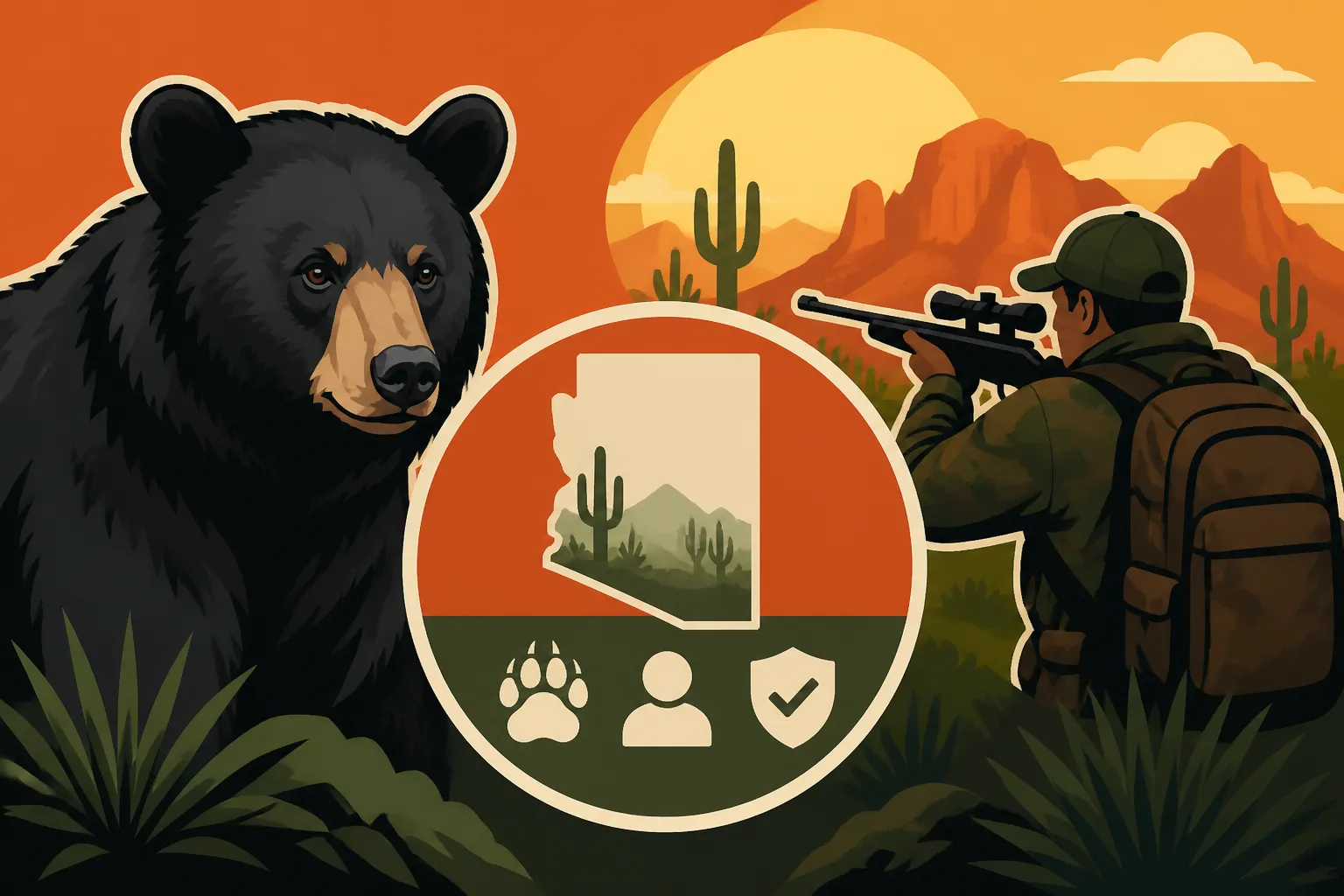
Hunting black bears in Arizona offers an incredible challenge and reward, but the ever-changing nature of the season structure, especially with its dynamic harvest limits and unit closures, can feel like navigating a maze blindfolded. Many hunters get frustrated trying to keep up with what seems like a moving target, worrying they might inadvertently break a rule or miss out on an opportunity. This comprehensive guide is here to demystify Arizona's black bear seasons, clarify those crucial harvest limits, explain the rules around unit closures, and equip you with the knowledge to hunt bears confidently and ethically.
Understanding Arizona's Bear Management Philosophy
Arizona's approach to black bear management is rooted deeply in science, aiming to sustain healthy bear populations while providing hunting opportunities. Unlike some other big game species with fixed season dates and tag allocations, bear hunting is structured around real-time population dynamics and harvest data. This adaptive management style means that what was open yesterday might be closed today, which can certainly feel like a high-stakes game of whack-a-mole for hunters. The Arizona Game and Fish Department (AZGFD) uses a combination of harvest quotas, biological data, and public reporting to ensure long-term health for bears across the state.
Balancing Opportunity with Conservation
The core of Arizona's bear management is finding that delicate balance between providing recreational hunting and protecting the bear population, particularly sows (female bears) and cubs. The AZGFD understands that overharvesting female bears can have a disproportionately negative impact on population stability. Therefore, a significant part of the regulations focuses on limiting the take of sows to ensure future generations of bears. It's a system designed to be responsive, meaning if harvest numbers are trending higher than desired in a particular area, especially for females, that unit can be closed quickly. This creates a unique challenge for hunters who need to stay incredibly dialed into current conditions.
The Black Bear Population Estimate Explained
Before any season dates or harvest limits are set, the AZGFD conducts extensive research to estimate the black bear population across various regions of the state. This isn't just a best guess; it involves studies using DNA analysis from hair snares, radio telemetry, and harvest data analysis over many years. Knowing "The Black Bear Population Estimate Explained" helps biologists understand population trends, health, and distribution. These estimates are crucial for setting the framework for hunting seasons, ensuring that harvest quotas are sustainable and don't push any local population into decline. It's a continuous process, and the numbers are always being refined, which in turn influences how flexible or restrictive future hunting seasons might become.
Key Elements of Arizona's Bear Season Structure
Arizona’s bear seasons are fundamentally different from deer or elk hunts. They are generally split into spring and fall periods, but the specifics are often fluid. The most distinctive feature is the reliance on management units and their associated harvest quotas, which are subject to closure once those quotas are met. This means your season could literally end prematurely if other hunters are successful.
Arizona Bear Season Structure by Hunt Period
Black bear hunting in Arizona is typically divided into two main periods: spring and fall. The spring bear season generally runs from March or April into July, often overlapping with early archery deer and javelina seasons in some areas. This spring period can be a fantastic time to hunt bears emerging from their dens, often found feeding on new green growth at lower to mid-elevations. However, it's also a time when sows might have young cubs, which is why identifying your target as a male is paramount.
The fall bear season usually picks up in August or September and can extend through November or even December, often coinciding with archery elk, general deer, and other big game seasons. During the fall, bears are often focused on foraging for acorns, berries, and other mast crops to pack on weight before winter hibernation. This can make them more predictable around food sources, but also more sensitive to hunting pressure. It's crucial to check the specific opening and closing dates for OTC Bear Tags in Arizona Units you plan to hunt, as these can vary slightly year to year and by management unit.
Where Black Bear Density Runs Highest
Black bears in Arizona aren't found just anywhere; they prefer specific habitats, mainly in the forested mountain ranges. You'll find the highest densities in the central and eastern portions of the state, especially areas like the Mogollon Rim, the White Mountains, the Bradshaw Mountains, and the Sky Islands in the southeast. These regions offer a rich mosaic of ponderosa pine, mixed conifer, oak woodlands, and chaparral, providing bears with ample food, water, and cover.
Knowing "Where Black Bear Density Runs Highest" is essential for scouting and increasing your odds of success. Units around Payson, Show Low, and Alpine are often considered prime bear country, but even some desert mountain ranges in southern Arizona, like the Santa Catalina or Chiricahua Mountains, can hold surprisingly good numbers. When you're looking at a unit, consider the elevation changes, the presence of perennial water sources, and the availability of mast crops like acorns, which are major attractants for bears, especially in the fall.
Specific Harvest Limits and Reporting Requirements
The concept of harvest limits for black bears is central to Arizona's management strategy. These aren't just arbitrary numbers; they are carefully calculated thresholds designed to prevent overharvest, particularly of breeding-age females. Understanding these limits, how they are applied, and your role in reporting a harvest is absolutely critical.
Female Harvest Limits on Arizona Bears
Perhaps the most unique and important aspect of Arizona bear hunting regulations is the specific harvest limit placed on female bears. In many units, there's not only a total bear quota but also a separate, often much lower, quota for female bears. This is because adult sows are the reproductive engine of the population. Losing too many can slow population growth for years.
The AZGFD closely monitors the take of females. If the female quota for a specific unit is met, or even approached, that unit will be closed to all bear hunting, regardless of whether the overall total bear quota has been reached. This rule emphasizes the extreme importance of positive sex identification before you pull the trigger. Mistakenly harvesting a sow, especially one with cubs (which is illegal anyway), can have serious consequences. Hunters must be absolutely certain of their target's sex, which can be challenging in the field. This is why many experienced bear hunters will spend significant time observing a bear to confirm it's a male before attempting a shot. It also means you should know "Female Harvest Limits on Arizona Bears" for your chosen unit inside and out.
Mandatory Reporting and Checking for Unit Closures
The moment you harvest a bear in Arizona, your responsibilities don't end there—they've just begun. Arizona has a mandatory reporting requirement that is both strict and immediate. You must report your harvest within 48 hours to the AZGFD. This is not just a suggestion; it's a critical part of the management system that allows the department to track harvest numbers in real-time and enact unit closures when quotas are met.
Beyond reporting, you, as the hunter, are responsible for knowing "How Arizona Closes a Bear Unit Mid-Season" and checking for closures before you head out each day, and ideally multiple times throughout the day if possible. This is not the AZGFD's responsibility to notify you personally; it's yours to stay informed.
The AZGFD maintains a dedicated bear hotline and an online portal where hunters can check the current status of each unit's bear harvest and any closures. For example, if you're hunting Unit 23, you might call the hotline or check the GoHunt website before dawn to ensure it's still open. Imagine investing days of scouting and hunting, only to take a bear in a unit that closed hours earlier—that's a situation you absolutely want to avoid. This constant vigilance is arguably the most challenging and anxiety-inducing aspect of Arizona bear hunting, but it's vital for a legal and ethical hunt.
| Hunt Period | Typical Season Dates | Total Bear Harvest Limit | Female Bear Harvest Limit | Reporting Requirement |
|---|---|---|---|---|
| Spring | March/April – July | Varies by Unit | Varies by Unit (lower) | Within 48 hours |
| Fall | Aug/Sept – Nov/Dec | Varies by Unit | Varies by Unit (lower) | Within 48 hours |
Note: All harvest limits are approximate and subject to change annually and by specific management unit. Always consult the current Arizona Game and Fish Department regulations for precise dates and quotas.
Navigating Unit Closures and Emergency Regulations
The dynamic nature of Arizona's bear seasons, particularly the potential for mid-season unit closures, can be incredibly frustrating. It requires hunters to adopt a flexible and vigilant approach, constantly monitoring conditions to avoid inadvertently hunting in a closed area.
Real-Time Tracking for Open Units
The reality of hunting bears in Arizona means that your carefully planned hunt can be cut short at any moment. This isn't theoretical; it happens every season. For example, a unit might have a total quota of 10 bears and a female quota of 3. If the third female bear is reported, that unit will close to all bear hunting almost immediately. The AZGFD provides critical tools for hunters to stay informed: the dedicated bear hotline and the online unit status page on their website, often replicated by reliable hunting information platforms like GoHunt.
Before you leave cell service or head into the backcountry for a day of hunting, make it a habit to check the current status of your unit. Then, plan to check again midday if you can, perhaps by driving to a spot with cell service or using a satellite communication device. There's a genuine anxiety that comes with not knowing if your unit is still open, and unfortunately, that's just part of the game when pursuing bears in Arizona. It's a testament to the AZGFD's commitment to sound biological management, but it places a significant burden of responsibility on the hunter. Remember, ignorance of a closure is not a valid excuse.
Consequences of Hunting in a Closed Unit
The implications of taking a bear in a unit that has already closed are severe. This isn't just a minor infraction; it can lead to significant fines, confiscation of your harvested animal, loss of hunting privileges, and even criminal charges. The AZGFD takes these regulations very seriously because they are directly tied to the sustainable management of the bear population.
Imagine spending days glassing a canyon in the Santa Catalinas, finally spotting a mature boar, making a perfect stalk, and harvesting your bear. Then, upon returning to cell service, you find out the unit closed three hours ago because another hunter reported their sow. All that effort, all that excitement, immediately turns into a nightmare. This scenario underscores why constant checking of the "Arizona Bear Season Structure" and unit status is paramount. It’s a sobering thought, but one that drives responsible bear hunters to be exceptionally diligent.
Ethical Considerations and Best Practices for Bear Hunting
Beyond just legality, ethical hunting practices are paramount, especially when pursuing a species like black bear that requires careful identification and swift action. Adhering to these principles ensures not only a clean hunt but also helps maintain public perception of hunting.
Positive Identification of Sex and Age
In Arizona, distinguishing between male and female bears, and even between an adult and a sub-adult, is critical due to the female harvest limits. Young bears, especially those that have recently dispersed from their mothers, can sometimes be mistaken for sows without cubs, or even small males. This is a common point of anxiety for bear hunters.
Experienced bear hunters will tell you to observe, observe, observe. Look for physical characteristics like head size relative to body, shoulder mass, and the presence of teats (though these can be difficult to spot). Males (boars) often have broader heads and more pronounced shoulders. If there's any doubt about the sex, or if you suspect it might be a sow with cubs hidden nearby, the most ethical choice is to pass on the shot. This might mean letting a legal bear walk, but it ensures you're upholding the conservation goals that make these hunts possible. It’s also illegal to harvest a bear accompanied by cubs, so always take time to assess for hidden young. Using good optics is key here; a powerful spotting scope can make all the difference in making that positive identification.
Baiting Rules That Apply to Arizona Bears
Unlike some other states or species, Arizona has very specific and restrictive rules regarding baiting for big game. When it comes to bears, "Baiting Rules That Apply in Arizona" are clear: baiting for bears is generally not permitted on public lands. This means you cannot place any food, lure, or attractant to draw a bear to a specific location for the purpose of hunting it. This includes things like donuts, dog food, or even intentionally leaving out gut piles from other harvested animals.
However, it's essential to consult the most current regulations, as definitions and specific allowances can sometimes change, particularly concerning incidental attractants or how "baiting" is defined. For example, some natural attractants that aren't placed by a hunter, like an oak grove full of acorns, are perfectly legal to hunt over. The key is that the attractant cannot be man-made or placed by a person with the intent to hunt over it. This rule often leads hunters to focus heavily on scouting natural food sources and travel corridors.
Scouting and E-Scouting Prime Bear Habitat
With the dynamic nature of bear seasons and the challenge of positive identification, thorough scouting becomes even more critical for success. This isn't just about finding bears; it's about understanding their habits, travel patterns, and preferred feeding areas in your chosen unit.
Traditional scouting involves getting boots on the ground, looking for tracks, scat, rubbed trees, and active feeding areas. In the spring, focus on south-facing slopes with new green growth. In the fall, concentrate on oak thickets, riparian areas with berry bushes, or junipers laden with berries. Checking game cameras legally deployed under "Trail Camera Rules on Arizona Public Land" can also provide valuable intelligence on bear movement.
Modern "E-Scouting an Arizona Unit Before the Season" using tools like GoHunt, onX Hunt, or Google Earth is an indispensable first step. You can identify potential food sources, water, and bedding areas from your computer. Look for dense cover, canyons, and areas with diverse vegetation. Overlaying historical wildfire maps can also show areas of new growth that might be attracting bears. Pay close attention to unit boundaries; "Reading an Arizona Unit Boundary Before You Apply" is crucial because harvest limits and season closures are unit-specific. Combining solid e-scouting with on-the-ground recon will significantly increase your chances of finding a legal bear and reduce the stress of navigating closures.
Applying for Bear Tags and Scouting Prime Habitat
While bear tags in Arizona are often available over-the-counter (OTC), understanding the application process, or rather, the purchasing process, and how to effectively scout prime habitat is key to a successful hunt. This isn't a draw species in the same way elk or antelope are, but a strategic approach is still vital.
Arizona's Over-the-Counter Bear Tags
Unlike species like elk or bighorn sheep that require applying through a lottery draw system, Arizona generally offers black bear tags as "OTC Bear Tags in Arizona Units." This means you can purchase a bear tag directly from the AZGFD website, a license dealer, or an AZGFD office, without going through the draw. This accessibility makes bear hunting a popular option for residents and non-residents alike, especially for those who didn't draw a coveted tag for another species.
However, "Arizona Bear Season Structure" is still dictated by unit-specific quotas, which are updated regularly. This means that while the tag itself is OTC, the opportunity to hunt in a particular unit can vanish quickly. Hunters often keep several backup units in mind, or choose a unit that historically has a longer season before meeting its quota. This requires checking the regulations and past harvest reports to identify units with a reasonable chance of staying open for the duration of your planned hunt. Don't just buy a tag and assume you can hunt anywhere anytime; the flexibility of OTC tags comes with the responsibility of hyper-vigilance about closures.
Seasonal Timing and Bear Behavior
Bears are highly adaptable, and their behavior shifts dramatically with the seasons, directly impacting hunting strategies. Understanding these changes is paramount to success.
In spring, bears are emerging from hibernation, often hungry and looking for easily digestible greens. They'll typically be found on south-facing slopes where snow has melted first and new vegetation is sprouting. These open areas can offer excellent glassing opportunities. However, this is also when sows often have tiny cubs, making positive sex identification critical and often challenging.
By late summer and fall, bears shift their focus to building fat reserves for winter. This is prime time for them to be gorging on mast crops like acorns, berries, and prickly pear fruit. Finding a productive oak stand or berry patch can be like finding a gold mine. Bears might move more at dawn and dusk, but also throughout the day as they feed heavily. Their reliance on specific food sources can make them more patterned, but also more sensitive to pressure. "Finding Water in Arizona's Dry Country" is also key, as bears, like all wildlife, need regular access to water, especially in the desert units. Recognizing these seasonal shifts and adapting your scouting and hunting methods accordingly will dramatically increase your odds of success.
Disclaimer
Please remember that hunting regulations, season dates, and harvest limits are subject to change. While this guide aims to provide comprehensive and up-to-date information, it is your responsibility as a hunter to consult the most current Arizona Game and Fish Department regulations before heading into the field. Always prioritize safety, ethical hunting practices, and compliance with all laws.