Mearns Quail in the Southern Oaks
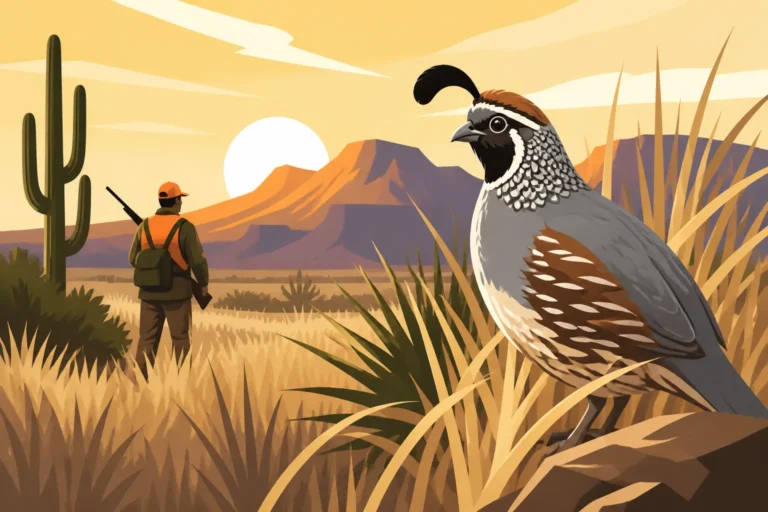
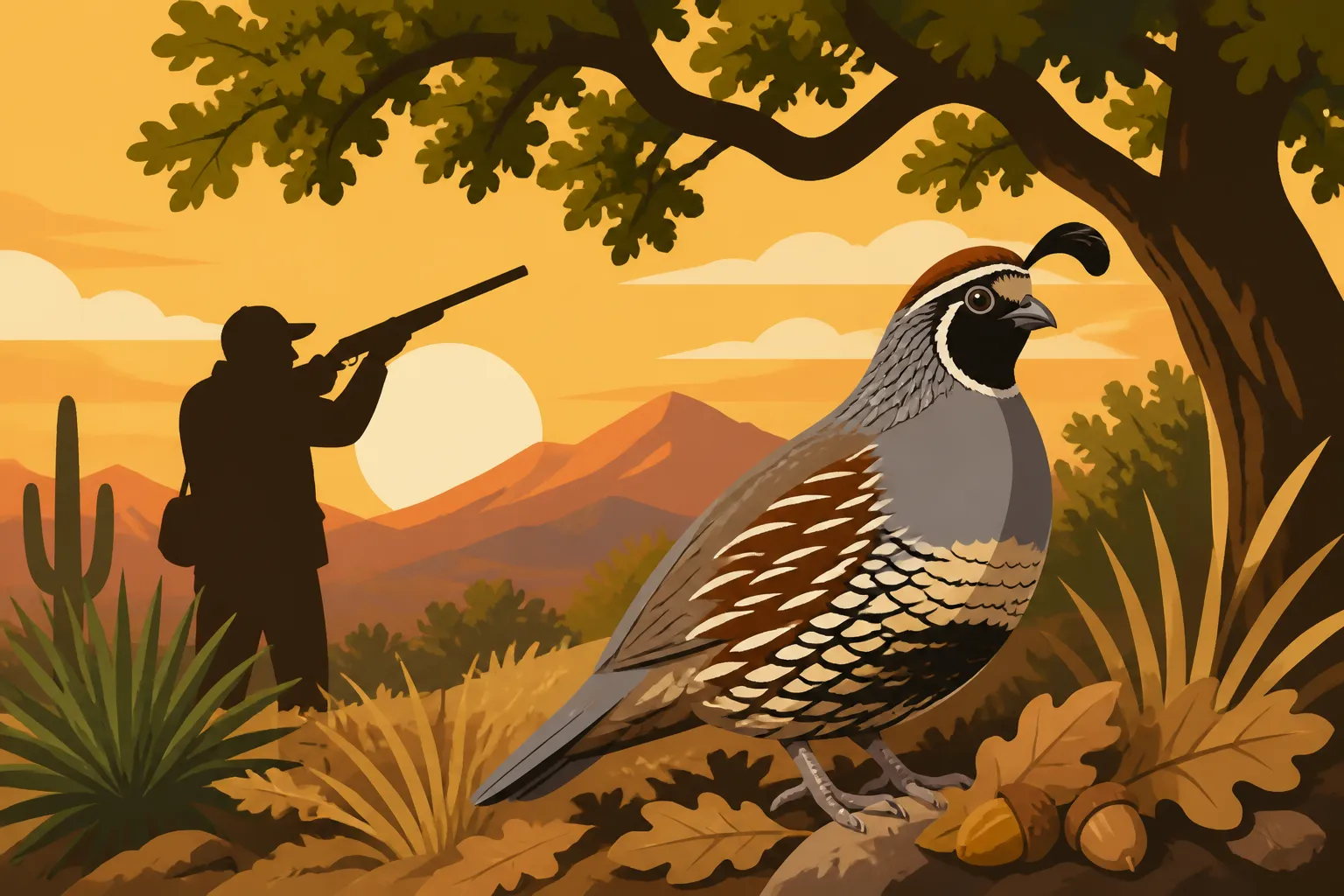
Hunting Mearns Quail in Arizona is an experience unlike any other, often leaving hunters scratching their heads about where these ghostly little birds vanish to. If you’ve spent countless hours trudging through the vast desert, chasing after fast-flushing Gambel's or Scaled Quail, only to venture into the high-elevation oak woodlands and find yourself utterly confused by the Mearns, you're not alone. These incredible birds present a unique challenge, preferring to hold incredibly tight until nearly stepped on, making them a true prize for any upland hunter. This guide will help you understand the magic and mystery of Mearns Quail, revealing their preferred habitat, unique behaviors, and the specialized tactics required to find success in their southern Arizona strongholds.
Understanding the Elusive Mearns Quail
The Mearns Quail, often called the "Montezuma Quail" or "Harlequin Quail," is a bird that captures the imagination with its striking plumage and incredibly secretive nature. Unlike its more common desert cousins, the Mearns doesn't readily run or fly. Instead, it relies on camouflage and a remarkable ability to freeze, often allowing you to walk right past it. This behavior is precisely what makes hunting them so frustrating and yet so rewarding.
Distinctive Features and Identification
When you first see a Mearns Quail, you'll immediately notice its unique appearance. The males are particularly striking, boasting a bold harlequin pattern on their faces—a beautiful mix of black, white, and chestnut. Their bodies are dappled with white spots on a rich brown background, creating a perfect camouflage against the dappled light of the oak woodlands. Females are more subdued, with intricate barring and spotting in browns and tans, but still carry the distinctive short tail and robust build of the species.
Their appearance is a stark contrast to the streaked and plumed Gambel's or the scaled patterns of the Scaled Quail. This visual difference is more than just aesthetics; it speaks volumes about their survival strategies. A Gambel's plume acts as a flag, signaling their presence as they zip through the desert floor, while the Mearns’ pattern helps them disappear into the shaded undergrowth. Knowing these visual cues is step one in identifying your quarry, even if you rarely see them before they burst into the air.
Unique Behavior and Why They Hold Tight
The Mearns Quail's most defining characteristic, and the reason for many a hunter's bewilderment, is their penchant for holding incredibly tight. While Gambel's will often run for hundreds of yards before flushing, a Mearns will literally let you almost step on it before exploding into flight. This behavior is a direct adaptation to their habitat—dense oak thickets and grassy slopes where running would expose them to aerial predators like hawks.
They prefer to rely on their impeccable camouflage and stillness as their primary defense. This means that if you're hunting Mearns like you would other quail, you're likely to walk past covey after covey without ever knowing they were there. It's a humbling experience to realize how many birds you've probably spooked just by your footsteps as you moved through what you thought was empty cover. This tight-holding nature is why well-trained dogs are not just an advantage when hunting Mearns; they're an absolute necessity. Without a dog to sniff out and pinpoint these hidden gems, your chances of success plummet dramatically.
The Southern Arizona Oak Woodlands Habitat
To understand Mearns Quail, you must understand their home. These birds aren't found just anywhere in Arizona; they're specifically tied to the unique ecosystem of the "sky islands" and higher elevation oak woodlands that dot the southern part of the state. This distinct environment provides the specific food, cover, and moisture they need to thrive.
Identifying Prime Mearns Country
Mearns Quail are inextricably linked to open, mature oak woodlands, especially those with good grass cover between the trees. Think rolling hills, canyon bottoms, and mountain slopes ranging from about 4,000 to 7,000 feet in elevation. The key component is the presence of acorn-producing oak trees, which provide a significant portion of their diet, especially in the fall and winter. But it's not just the oaks; it's the interplay between the trees and the ground cover. They favor areas with taller grasses—often native bunchgrasses like cane bluestem or sideoats grama—that provide concealment from predators and a bounty of seeds and insects.
When you're looking at maps or doing some e-scouting before the season, perhaps with a tool like GoHunt, you'll want to target areas within national forests like the Coronado National Forest and the Sky Islands. Look for the transition zones where desert scrub gives way to oak-juniper or pine-oak woodlands. These areas are often characterized by rocky, uneven terrain, which adds another layer to the challenge of hunting them. The better you become at visually identifying this specific habitat, the more efficient your scouting efforts will be.
The Importance of Monsoon Rains and Grass Cover
The health and abundance of Mearns Quail populations are heavily influenced by the summer monsoon rains. These vital storms, which typically hit Arizona from July through September, are crucial for promoting robust grass growth. Good monsoons mean more seeds for the quail, more insects (especially termites, a Mearns favorite), and denser cover for protection. Without adequate rainfall, the grass cover can be sparse, leaving the birds more vulnerable and reducing their overall health and reproduction.
This reliance on monsoon moisture underscores the importance of checking weather patterns and habitat reports. A strong monsoon season can mean a banner year for Mearns Quail, while a dry year might lead to tougher hunting and fewer birds. The quality of the grass isn't just about food; it's about their survival strategy. Denser grass allows them to hold tighter, confident in their concealment, which directly impacts how successful you'll be in flushing them. Understanding this ecological connection helps you predict where the birds might be most concentrated and healthy.
Specific Geographic Regions and Forest Access
Southern Arizona is dotted with numerous "sky island" mountain ranges that offer prime Mearns habitat. Iconic areas include the Santa Rita Mountains, the Huachucas, the Chiricahuas, the Whetstones, and the Pinalenos. These mountain ranges rise dramatically from the surrounding desert, creating cooler, wetter environments that sustain the oak woodlands. Access is typically through national forest roads, which can range from well-maintained gravel to rugged, high-clearance 4×4 tracks.
For instance, if you're looking to explore Hunting the Santa Rita Mountains, you'll find ample public land access. However, these areas can be steep and require significant physical exertion. It's crucial to consult Forest Service maps and utilize tools for E-Scouting an Arizona Unit Before the Season to understand road conditions, land ownership boundaries, and potential hiking routes. Always be prepared for rough travel and remember that cell service can be spotty to non-existent in these more remote areas, so reliable navigation is key.
Strategic Approaches for Mearns Quail Hunting
Successfully hunting Mearns Quail demands a complete shift in mindset and strategy from hunting other upland birds. Forget the run-and-gun tactics; this is a slow, methodical game where patience, keen observation, and above all, a good dog are your greatest assets.
The Critical Role of Well-Trained Dogs
I cannot stress this enough: a well-trained bird dog is indispensable for Mearns Quail. These birds hold so tight that a hunter will simply walk past them, often within a few feet, without ever knowing. A dog's superior sense of smell and instinct to point is what puts birds in the air. Ideal Mearns dogs are typically pointers, setters, or Brittanys—breeds with strong pointing instincts that work methodically and stay within gun range.
The dog needs to be slow and steady, quartering effectively through the cover. A dog that ranges too far out will flush birds wild, out of shooting range. When a dog goes on point, the real magic happens. The Mearns will often stay put, relying on their camouflage, even with a dog locked up on them. This gives the hunter time to move in, position themselves, and prepare for the flush. Without that solid point, you're essentially looking for a needle in a haystack, and a very camouflaged, silent haystack at that. This makes the dog not just a companion, but an absolutely vital part of the hunting team.
Walking Patterns and How to Flush
When hunting Mearns, your walking pattern should be slow, deliberate, and systematic. Don't rush. Think of it more like still-hunting than briskly walking. You'll often be walking uphill through rocky, uneven terrain, so a leisurely pace is not just tactical, it's often a physical necessity. Focus on covering ground thoroughly, especially around the bases of oak trees, along rocky outcrops, and in areas with denser grass cover. These are the places Mearns often choose to hold.
When your dog goes on point, approach cautiously from behind your dog. Be ready for the explosive flush. Mearns will often rocket straight up out of the grass, sometimes only a few feet in front of you. Their flight path can be erratic for a moment before they level off and zip through the trees. Anticipate this vertical burst. Because the shots are often close, and through trees, open chokes and lighter loads are often preferred. Remember, the goal isn't just to see birds; it's to get them to flush within ethical shooting range. This requires a coordinated effort between you and your dog, moving slowly and methodically.
Playing the Terrain and Weather Conditions
The terrain where Mearns live is challenging—steep, rocky, and often covered in thorny bushes. This means paying close attention to your footing and being physically prepared for a demanding hunt. Hunting uphill is often productive as it allows gravity to help you cover ground on the return, but birds can be found on any slope. Pay attention to shady slopes on warmer days, as birds might seek relief from the sun.
Weather also plays a significant role. On cooler, overcast days, Mearns tend to be more active and might hold a little less tightly. Conversely, on warmer days, they might seek deeper shade and thicker cover, making them even harder to find and flush. After a rain, the scenting conditions for dogs are often improved, which can make a big difference in bird location. Always dress in layers appropriate for Layering for Rim Country Temperature Swings, even though Mearns country is typically a bit warmer than the highest elevations, the mornings can still be chilly. Being comfortable in the field allows you to focus on the hunt, not the elements.
Essential Gear and Preparation for the Hunt
Mearns Quail hunting isn't about covering vast distances with a rifle; it's about precise movements in rugged terrain with a shotgun. Your gear choices can make or break your comfort, safety, and ultimately, your success.
Shotgun and Load Choices for Close Quarters
Because Mearns Quail hold so incredibly tight, shots are typically close-range and often through oak branches. This means you want a shotgun that swings quickly and provides a wide pattern. Many Mearns hunters favor lighter gauges like 20-gauge or even 28-gauge, though a 12-gauge with appropriate loads and chokes works perfectly fine. The key is an open choke, such as improved cylinder or skeet. These provide the widest shot pattern at close ranges, maximizing your chances of connecting with a fast-flushing bird.
As for loads, lighter shot sizes like 7.5 or 8 are ideal. You don't need heavy loads or large shot to bring down these relatively small birds. In fact, heavier loads can damage the meat at such close ranges. Focus on quick, natural swings and getting on the bird as soon as it flushes. Remember, these shots happen fast, so practice mounting your shotgun quickly and smoothly before you head to the field.
Footwear and Clothing for Rugged Terrain
The terrain in Mearns country is unforgiving. Expect steep ascents, rocky footing, and thick, thorny vegetation. Your footwear is paramount. Invest in high-quality, ankle-supporting hunting boots that are waterproof and offer excellent traction. Look for boots designed for mountain or desert hunting, as they provide the necessary durability and support for traversing loose rock and thorny undergrowth. Prioritizing comfort and protection for your feet will allow you to stay in the field longer. You can read more about Choosing Boots for Rocky Desert Ground to help make a decision.
Clothing should be durable, briar-resistant, and allow for a full range of motion. Briar-proof pants or chaps are highly recommended to protect against catclaw, wait-a-minute bush, and other prickly plants common in the oak woodlands. Dress in layers to adapt to temperature changes throughout the day, as mornings can be cool and afternoons quite warm, even in late fall or winter. Blaze orange is not legally required for upland bird hunting in Arizona, but it's always a good idea for safety, especially when hunting with partners and dogs.
Optics and Navigational Tools for the Backcountry
While Mearns hunting isn't a glassing game like deer or elk, a good pair of binoculars can still be useful for scanning distant slopes for suitable habitat or spotting other hunters. However, more critical are your navigational tools. A reliable GPS device or a mapping app like that offered by GoHunt on your phone (with downloaded offline maps) is essential. These birds live in remote areas where trails are often faint or non-existent, and it's easy to get disoriented in the rolling hills and canyons.
Make sure your navigation system has detailed topographic maps and can clearly show land ownership boundaries to avoid trespassing. Always carry a physical map and compass as a backup, and know how to use them. A fully charged power bank for your electronic devices is also a must. You'll be traversing challenging country, and knowing your location at all times provides safety and efficiency.
Mearns Quail Seasons, Regulations, and Conservation
Understanding the legal framework and ethical considerations is just as important as mastering hunting tactics. Arizona's Game and Fish Department (AZGFD) sets seasons and bag limits to ensure sustainable hunting opportunities for Mearns Quail.
Typical Season Dates and Bag Limits
The Mearns Quail season in Arizona typically runs for several months, generally opening in early December and extending through early February. This timing is strategic, allowing the birds to complete their breeding cycle and giving the monsoon-driven grass growth time to mature. It also often coincides with cooler weather, which is more pleasant for hunters and dogs.
The daily bag limit for Mearns Quail is often significantly lower than for Gambel's or Scaled Quail, reflecting their more restricted habitat and slower reproductive rates. For current and precise details, always consult the official AZGFD hunting regulations booklet for the specific year you plan to hunt. You'll find information on Arizona Quail Bag Limits by Species and When Arizona Quail Season Opens directly from the state's official sources. It's not uncommon for the bag limit for Mearns to be around 8 birds daily, but this can change, so always check before heading out.
Ethical Considerations and Sustainable Harvesting
Ethical hunting practices are paramount, especially with a species like the Mearns Quail. Their relatively smaller populations and unique life history mean that responsible harvesting is crucial for their long-term health. Avoid over-harvesting specific coveys, as Mearns coveys are typically smaller than those of other quail species and can be more localized. If you flush a covey and manage to take a bird or two, it’s often best to move on and seek out other coveys rather than continually pressuring the same group.
Respecting land access, cleaning up after yourself, and ensuring clean, quick kills are fundamental aspects of ethical hunting. It's also vital to practice proper bird handling, especially in warmer weather, to ensure the meat is not wasted. Always be mindful of other hunters, hikers, and landowners in the area. Maintaining a positive image for hunters is essential for the future of our sport. You can also review general guidelines for Water Sources and Ethics in Arizona Desert Hunting, which apply broadly to respectful conduct in Arizona's outdoors.
Conservation Efforts for Mearns Quail
While Mearns Quail populations are generally stable in Arizona, conservation efforts remain important. These birds rely on specific habitat types, and habitat degradation due to development, invasive species, or altered fire regimes can impact their numbers. Agencies like AZGFD, along with conservation organizations, work on habitat improvement projects, such as prescribed burns to enhance grass growth and reduce woody encroachment, or efforts to control invasive buffelgrass which can outcompete native forage.
Hunters contribute significantly to these efforts through license and tag fees, which directly fund wildlife management and research. Understanding How Arizona Publishes Population Estimates can help you appreciate the data-driven approach to wildlife management. Supporting conservation groups that focus on upland bird habitat is another way to ensure that future generations can experience the thrill of hunting these magnificent birds. Your participation in hunting directly supports the very ecosystems Mearns Quail call home.
Optimizing Your Scouting and Planning with Modern Tools
In today's age, technology offers incredible advantages for hunters willing to put in the time for thorough planning. Utilizing these tools can significantly enhance your chances of finding Mearns Quail and making the most of your time in the field.
Utilizing Mapping Apps for Habitat Analysis
Modern mapping applications are game-changers for scouting. Services like GoHunt allow you to scrutinize potential Mearns habitat from the comfort of your home. You can analyze satellite imagery to identify oak woodlands, areas with good grass cover, and slopes that might hold birds. Overlaying public land boundaries, roads, and topographic lines helps you plan your access routes and understand the lay of the land before you ever set foot on it.
Look for areas where different habitat types converge—for example, where a dense oak stand meets a more open, grassy hillside, or near drainages that might offer thicker cover. These "edge" habitats are often productive. Pay attention to south-facing slopes in colder weather for sun exposure, or north-facing slopes and canyon bottoms for cooler, shadier spots when it's warmer. The more you "read" the terrain on your map, the better your intuition will become when you're physically in the field. This detailed digital reconnaissance is a crucial first step in a successful Mearns hunt.
Understanding Unit Data and Success Rates
Arizona provides a wealth of data for hunters, and if you know where to look, it can give you insights into where to focus your efforts for Mearns Quail. While specific Mearns-only success rates might be harder to find than for big game, you can often deduce good areas by looking at overall small game harvest reports or general unit information. Use resources like the AZGFD website or hunting forums and communities found through platforms like GoHunt to gather intelligence.
By Reading a Unit Before You Ever Walk It, you can evaluate the public land access, the type of vegetation present, and the general topography. Some units are simply better suited for Mearns than others due to the prevalence of the correct oak woodland habitat. While not an exact science, combining mapping analysis with any available unit-specific data will give you a significant advantage, helping you narrow down vast tracts of land to the most promising Mearns hotspots.
| Feature | Gambel's Quail | Scaled Quail | Mearns Quail |
|---|---|---|---|
| Habitat | Sonoran/Mojave Desert, washes, cactus flats | Grasslands, Chihuahuan Desert, mesquite flats | Oak woodlands, "sky islands," higher elevations |
| Behavior | Runs extensively, often in large coveys, flies fast | Runs extensively, often in large coveys, "blue blur" | Holds extremely tight, relies on camouflage, small coveys |
| Identification | Distinctive topknot plume, streaked flanks | Scaly appearance on breast/back, short crest | Bold harlequin face (males), spotted flanks |
| Dog Need | Helpful, but not essential for flushes | Helpful, but not essential for flushes | Essential for consistent flushes |
| Terrain | Flat to gently rolling desert | Flat to rolling grasslands | Steep, rocky, mountainous oak woodlands |
| Season Dates | Generally longer, often early October – Feb | Similar to Gambel's, often Oct – Feb | Shorter, typically early December – early Feb |
| Bag Limit | Higher (e.g., 15 daily) | Higher (e.g., 15 daily) | Lower (e.g., 8 daily) |
Disclaimer
This guide is intended for informational purposes only and does not supersede official Arizona Game and Fish Department hunting regulations. Hunters are responsible for knowing and adhering to all current laws, season dates, and bag limits. Always consult the most recent AZGFD regulations booklet before any hunting trip.