Why Kaibab Elk Carry a Reputation
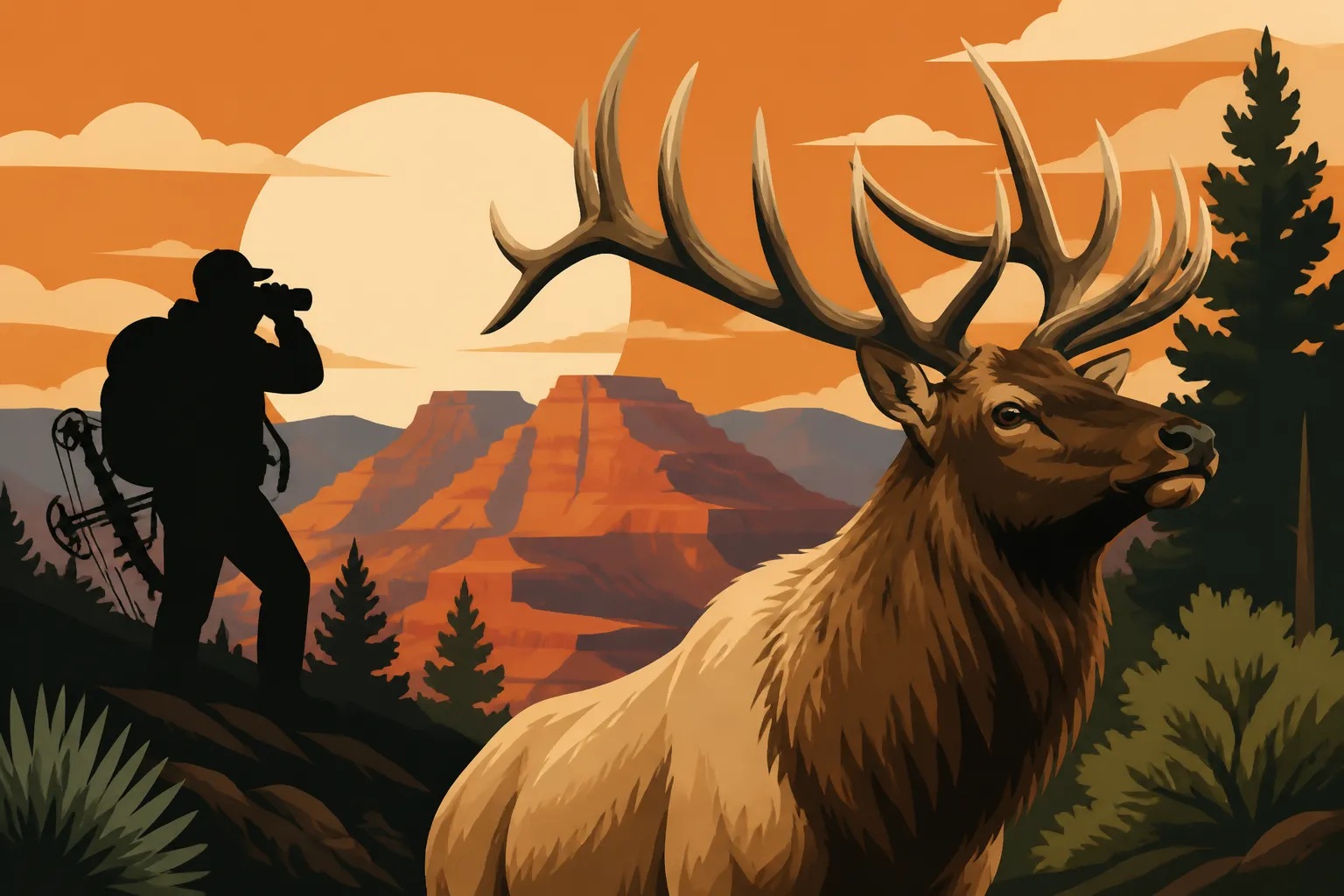
Every seasoned hunter who dreams of chasing giant elk has heard the whispers and seen the photos of truly massive bulls emerging from Arizona's Kaibab Plateau. It's not just a rumor; the Kaibab holds a legendary reputation for producing some of the biggest elk in the country, often leaving many wondering what makes this particular patch of Arizona so special. This guide will take a deep dive into the unique factors that have cemented the Kaibab's place in hunting lore, exploring everything from its ecosystem to its management.
The Kaibab's Unique Environment and History
The Kaibab Plateau isn't just another piece of Arizona's stunning landscape; it's an ecological island, a high-elevation forested haven north of the Grand Canyon that has cultivated a truly exceptional elk herd over generations. Understanding this unique environment is key to grasping why these animals are so renowned.
Geographic Isolation and Habitat Quality
Imagine a vast, elevated tableland, mostly covered in towering ponderosa pines, aspens, and dense pockets of mixed conifer, rising sharply above the surrounding desert floor. That's the Kaibab Plateau. Its geographic isolation, flanked by the immense chasm of the Grand Canyon to the south and vast stretches of arid country elsewhere, creates a relatively contained ecosystem. This isolation helps concentrate game and, historically, has played a role in specific herd dynamics. The elevation means it receives more precipitation than the lower deserts, resulting in lush forage, abundant water sources, and cooler temperatures during the summer. This rich, diverse habitat provides everything an elk needs to thrive: high-quality browse, plenty of cover, and crucial migratory routes between summer and winter ranges.
The quality of the soil and the plant diversity available to the Kaibab elk throughout the year contribute significantly to their health and, consequently, their antler growth. Unlike many areas where nutritional resources can be sporadic or stressed, the Kaibab generally offers a consistent, nutrient-rich buffet. This robust diet supports strong body development and the production of impressive antlers, setting the stage for the big bulls that become the envy of hunters. The unique climate, elevation, and varied topography of the Kaibab ensure that elk have access to everything they need to reach their full genetic potential.
Historical Management and Population Dynamics
The Kaibab's history with big game is as fascinating as it is impactful. Believe it or not, elk were largely absent from the Kaibab for many years before reintroduction efforts. The area was initially famous for its massive mule deer herd, which, in the early 20th century, famously overpopulated the plateau. Following extensive management efforts, including predator control and herd reduction, the habitat began to recover. Later, elk were reintroduced, finding an ideal landscape ready for them. This intentional reintroduction and subsequent careful management by wildlife agencies allowed the elk population to grow and flourish in an environment that was, in many ways, primed for their success.
Today, the management of the Kaibab elk herd focuses on maintaining a healthy population balance with the available habitat, while also providing opportunities for hunters to pursue trophy-class animals. This involves meticulous population surveys, setting harvest limits, and understanding the complex interactions between elk, other wildlife, and the environment. This long-term, strategic approach, learning from past mistakes and successes, has been instrumental in cultivating the reputation that Kaibab elk enjoy today. It's a testament to how dedicated conservation and scientific management can shape a wildlife resource into something truly extraordinary, ensuring that future generations can also appreciate the unique value of the Kaibab.
Genetics, Antler Growth, and Trophy Potential
When hunters talk about "Kaibab elk," they're often envisioning gargantuan racks, massive beams, and incredible mass. This isn't just anecdotal; there are very real biological and management reasons why these bulls consistently grow to such impressive sizes. It all comes down to a combination of genetics, nutrition, and strategic management that fosters the growth of true trophy animals.
Nutritional Value of Kaibab Forage
The old saying "you are what you eat" holds particularly true for antler growth in elk. The Kaibab Plateau, with its diverse array of plant life, offers an incredibly rich and varied diet for its elk. From protein-packed forbs and grasses that surge with the spring and monsoon rains to essential minerals found in the soil and water, the forage available on the Kaibab is exceptional. This consistent, high-quality nutrition throughout the year, especially during critical antler growth periods in spring and summer, allows bulls to dedicate maximum energy to developing their bone structures. Adequate protein and mineral intake are absolutely crucial for growing large, dense antlers, and the Kaibab's ecosystem provides this in spades.
Consider the stark contrast between the Kaibab and more arid, less fertile environments. In less productive areas, elk might struggle to find enough quality forage to support robust body mass, let alone grow impressive antlers. On the Kaibab, however, bulls regularly consume a diet rich in calcium, phosphorus, and other trace minerals essential for antler development. This superior nutritional foundation directly translates into healthier, larger-bodied animals with the capacity to grow the kind of multi-tined, heavy antlers that make a Kaibab bull a legend. It’s a natural advantage that cannot be overstated.
Age Structure and Management Strategies
Beyond mere nutrition, a critical factor in the Kaibab's reputation for trophy elk is the age structure of its bull population. Wildlife managers understand that to produce truly giant antlers, a bull needs time to mature. Unlike areas with high hunting pressure on younger bulls, the Kaibab's management strategy, coupled with its highly sought-after and limited tags, allows a significant number of bulls to reach older age classes. A 2.5-year-old bull will have a decent rack, but a 6.5 or 7.5-year-old bull, given good genetics and nutrition, can be absolutely world-class.
The combination of low draw odds and strict harvest guidelines for "Arizona Elk Season Structure by Hunt Code" means that only a select few hunters get the opportunity to pursue these animals each year. This controlled harvest ensures that enough younger bulls survive to become mature, trophy-caliber animals. It’s a careful balancing act: allowing some harvest to manage the population while protecting enough animals to ensure a consistent supply of older, larger bulls. This focus on cultivating an older age structure within the herd is a cornerstone of the Kaibab Plateau's reputation for Kaibab Plateau Elk Genetics that produce some of the largest bulls in North America. When you finally draw one of those coveted tags, you know you're hunting in a place where bulls have had the chance to truly reach their potential.
The Challenge and Reward of Hunting Kaibab Elk
While the reputation of Kaibab elk is undeniable, actually drawing a tag and successfully harvesting one of these magnificent animals is another matter entirely. The challenge is as legendary as the elk themselves, adding another layer to the mystique of hunting this incredible region.
Draw Odds and Tag Rarity
The allure of the Kaibab's monster bulls means that drawing a tag for this region is incredibly difficult. For many hunters, it's a once-in-a-lifetime endeavor, requiring years, often decades, of accumulating bonus points. Whether you're a resident or a nonresident facing the "Arizona Caps Nonresidents at Ten Percent of Every Hunt", the odds are long. This rarity is part of what makes the Kaibab experience so special. The fewer tags issued directly contribute to the ability of bulls to grow older and larger, which in turn reinforces the demand for those tags.
Hunters often spend years researching "Checking Arizona Draw Odds Before You Apply" and meticulously planning their applications using resources like GoHunt. They study "How Arizona's Bonus Point Pass Awards the First Twenty Percent" and the random pass results, hoping their number finally comes up. The dream of a Kaibab hunt drives this dedicated pursuit. It's a game of patience and perseverance, where simply getting a tag in hand feels like a victory in itself. This intense competition for tags underscores the extreme value placed on hunting these renowned animals, proving that their reputation isn't just based on antler size, but also on the tremendous effort required to even get a chance.
Hunting Pressure and Elk Behavior
Even with limited tags, the Kaibab is not a secret. When a hunt is open, the area will see hunting pressure, and Kaibab elk, like all wild animals, are incredibly adept at adapting. They learn quickly, becoming more nocturnal and seeking out the thickest, nastiest cover they can find. This means that a Kaibab hunt isn't just about finding big elk; it's about outsmarting highly pressured animals in their own backyard. Success often hinges on a deep understanding of elk behavior, knowledge of the terrain, and sheer persistence.
Hunters who have drawn a tag often devote significant time to "Scouting an Arizona Unit Before the February Deadline", even before the draw results are out, or intensify their efforts once successful. They'll use tools for "E-Scouting an Arizona Unit Before the Season" to pinpoint potential bedding areas, water sources, and travel corridors, knowing that the elk will utilize every advantage the landscape offers. The challenge is immense, but the reward of finally spotting, stalking, and taking one of these legendary animals on the "Unit 9 and the Kaibab Plateau North of the Grand Canyon" is unparalleled. It's a testament not only to the elk's grandeur but also to the hunter's skill and dedication in pursuing such a revered trophy.
Strategies for Pursuing a Kaibab Giant
While simply drawing a Kaibab tag is a monumental achievement, the real work begins when you start planning the hunt itself. To maximize your chances of success on this legendary plateau, a well-thought-out strategy, meticulous scouting, and a deep understanding of the terrain and elk behavior are paramount.
E-Scouting and Topographic Analysis
Before you ever set foot on the Kaibab, the work begins from your computer. "E-Scouting an Arizona Unit Before the Season" is not just recommended; it's essential. Modern mapping tools allow you to analyze the topography of the Kaibab Plateau in incredible detail. Look for natural funnels, saddlebacks, and benches that elk might use to travel between feeding and bedding areas. Identify dense timber patches that offer sanctuary from both weather and hunters. Pinpoint water sources—tanks, springs, and drainages—which are critical attractants, especially in drier periods. Pay close attention to elevation changes and how they might impact thermals and wind direction, vital information for any stalk.
By understanding the lay of the land digitally, you can narrow down vast areas to a few promising ones, saving precious time and effort during your actual boots-on-the-ground scouting trips. This pre-analysis allows you to build a comprehensive plan, identifying primary and secondary access points, potential glassing knobs, and areas to avoid due to thick brush or private land. GoHunt, among other tools, can provide invaluable overlays and data that help in "Reading Arizona Hunt Permit Application Data" and understanding the terrain for "Which Arizona Units Produce the Biggest Bulls" and where they might hide.
On-the-Ground Scouting and Adaptability
Once you've done your homework from home, it's time to hit the dirt. There's no substitute for "Scouting an Arizona Unit Before the February Deadline" or closer to your hunt. The Kaibab offers vast expanses of wild country, and boots-on-the-ground scouting allows you to confirm your e-scouting observations, find fresh sign, and learn the subtle nuances of the land. Look for rubs, fresh tracks, elk droppings, and wallows. These telltale signs reveal where elk are actively moving, feeding, and bedding. Pay attention to how elk use specific features, such as north-facing slopes for bedding in warmer weather or south-facing slopes for sunning in cooler temperatures.
Be prepared for varying conditions, as the Kaibab can experience dramatic weather shifts, from warm, sunny days to sudden thunderstorms or even early snow. Having a flexible plan is key. If your initial spots aren't producing, be ready to adapt and move to alternative areas you've identified during your e-scouting phase. The elk, particularly the older, wiser bulls, will adapt to hunting pressure very quickly. They'll shift their patterns, becoming more elusive, often moving into thicker cover or going nocturnal. Your ability to read these changes and adjust your approach will be crucial for success on a Kaibab elk hunt.
Here’s a quick overview of what makes Kaibab elk so desirable:
| Factor | Description | Impact on Reputation |
|---|---|---|
| Habitat Quality | High-elevation, forested plateau with rich, diverse forage and water. | Supports superior nutrition, leading to larger body sizes and antler growth. |
| Management Focus | Prioritizes maintaining healthy populations and older age classes for bulls. | Allows bulls to mature, developing truly massive, trophy-caliber antlers. |
| Geographic Charm | Isolated "sky island" north of the Grand Canyon. | Adds to the mystique and provides natural boundaries for herd management. |
| Genetics | Unique herd with strong genetic potential for large antler growth. | Contributes to the consistent production of exceptional trophy bulls. |
| Tag Rarity | Extremely difficult to draw, making successful hunts highly valued. | Elevates the status of a Kaibab bull, reinforcing its "once-in-a-lifetime" appeal. |
| Hunting Challenge | Pressured elk in dense cover demand expert scouting and hunting skills. | Increases the reward and prestige for successful hunters. |
Disclaimer
This article is for general informational purposes only and does not constitute professional advice. Laws, prices and regulations vary by location and change over time. Consult a qualified professional for guidance on your specific situation.