Where Pronghorn Numbers Are Strongest
It can be incredibly frustrating to try and locate pronghorn in Arizona. These speedsters of the plains are notoriously elusive, often found in vast, open country where they can seem to vanish into thin air. If you've been putting in the effort, burning boot leather or scouting with binoculars, only to come up short on spotting these magnificent animals, you're not alone. This guide aims to cut through that frustration by diving deep into the prime habitats and strategies for finding strong pronghorn numbers across Arizona, helping you focus your valuable time and effort in the right places.
Understanding Arizona Pronghorn Habitat
Pronghorn aren't like deer or elk, which often seek out timber or rough terrain for cover. They're built for speed and wide-open spaces, and understanding their preferred environment is the first step to finding them in Arizona. Their habitat choices are dictated by visibility, food sources, and access to water, all critical factors in their survival against predators.
The Grassland Preference
When you think of pronghorn, you should be picturing expansive grasslands. These animals are grazers, and they thrive on the low-lying forbs, shrubs, and grasses that dominate Arizona's high desert and prairie ecosystems. Flat or gently rolling terrain is their ideal, allowing them to spot predators from a mile away and use their incredible speed to escape.
Imagine glassing a vast plain, dotted with sagebrush and various grasses. This isn't just a pretty picture; it's a strategic advantage for a pronghorn. They can see an approaching coyote, mountain lion, or even a human hunter long before they are detected. If you're hiking through thick juniper or steep canyons, you're likely in the wrong neighborhood for pronghorn. Instead, seek out those endless horizons where the land seems to stretch forever. Areas like the grasslands near the Arizona Strip or the extensive plains south of Flagstaff are prime examples of this preferred habitat.
Water Sources and Pronghorn Movements
While pronghorn are incredibly adapted to arid environments, they still need water. In fact, access to reliable water sources plays a significant role in where strong populations establish themselves, especially during the hotter months or drier years. Unlike deer, which might be able to get enough moisture from browse, pronghorn often need to drink.
Stock tanks, natural springs, and even man-made guzzlers can become focal points for pronghorn activity. During late summer and early fall, particularly during an early archery season, these water sources can be absolute magnets. A common strategy involves scouting these areas thoroughly, looking for tracks, droppings, and fresh sign indicating frequent visits. Remember, pronghorn often travel in herds, so if you find sign, you're likely looking at a group of animals, not just a lone buck. Knowing the locations of perennial water sources, or even ephemeral ones after a good rain, can give you a significant advantage.
Elevation and Open Terrain
Arizona is a state of incredible diversity, from saguaro-studded deserts to sky-high pine forests. Pronghorn generally stick to the lower to mid-elevations where the topography remains relatively flat or gently rolling. They avoid the steep, timbered slopes and dense brush that characterize much of Arizona's mountain ranges.
This preference for open terrain isn't just about visibility; it's also about their unique physiology. Pronghorn are built for running, not jumping or climbing. Their hooves are designed for firm, open ground, not rocky inclines or thick undergrowth. Therefore, if you're looking at a topographical map and seeing tight contour lines and dense forest symbols, shift your gaze. Focus on the wide-open valleys, plateaus, and large flats where the contour lines are spread far apart, indicating gentle slopes and vast expanses. These are the zones where you'll encounter the strongest numbers of "prairie goats."
Key Regions for Strong Pronghorn Populations
Arizona's diverse landscape means that while pronghorn are found across certain regions, their numbers aren't evenly distributed. Focusing your efforts on historically strongholds can dramatically increase your chances of finding a robust herd.
The Northern Arizona Grasslands
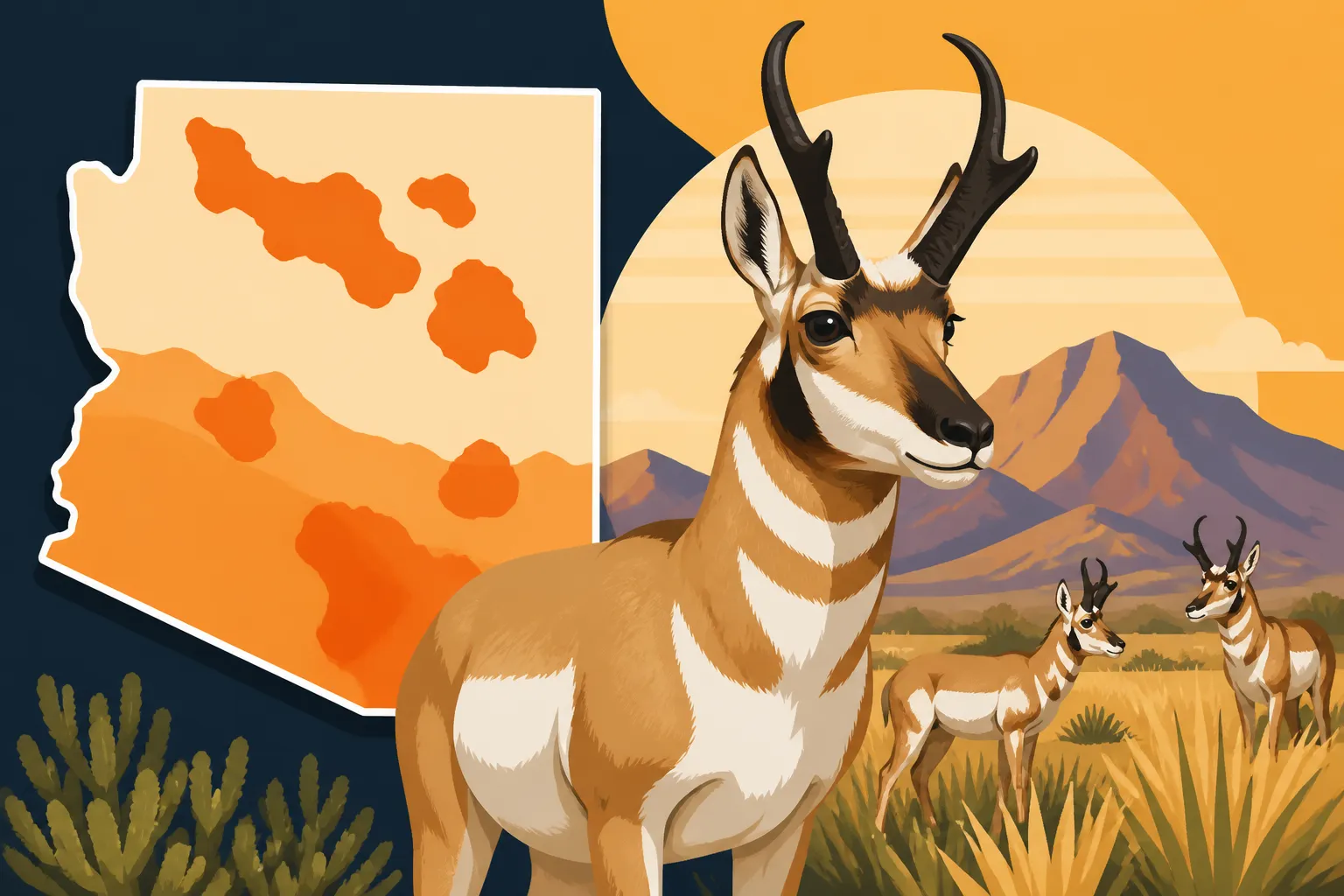
Without a doubt, some of the most consistent and strong pronghorn populations in Arizona are found across the northern grasslands. This vast region, stretching from the Kaibab Plateau east towards the White Mountains, offers everything a pronghorn needs: immense open spaces, a mix of grasses and forbs, and scattered water sources.
Units in this area often have a reputation for not only good numbers but also quality bucks. Areas around Seligman, Williams, and parts of the Arizona Strip are legendary. While drawing a tag for these premier units can be challenging, with Arizona Pronghorn Draw Odds often reflecting their popularity, the sheer volume of animals makes them worth the effort. Hunters who secure a tag in these regions are often treated to sprawling vistas where it's possible to glass dozens of animals in a single day. The challenge then becomes not finding pronghorn, but finding the specific buck you're looking for, and executing a successful stalk in wide-open country. These are the classic "speed goat" hunts many envision.
Central Arizona's Expansive Flats
Moving south, central Arizona also holds significant pronghorn populations, particularly in the broad, relatively flat valleys and plains nestled between mountain ranges. These areas might not have the same national reputation as some northern units, but they can offer excellent hunting opportunities with healthy pronghorn numbers.
Think about areas east of Prescott, or some of the larger basins within units that might primarily be known for deer or elk. These often get overlooked by hunters fixated on the "big name" units. While the total acreage of prime pronghorn habitat might be less contiguous than in the far north, these pockets can surprise you with how many animals they hold. Often, these areas are characterized by a mix of chaparral and grassland, with pronghorn utilizing the open grassland portions extensively. It’s crucial to understand Pronghorn on the Northern Grasslands vs. these central areas, as the vegetation can differ slightly, influencing how the animals move and feed. Pay close attention to unit maps and look for those large, flat sections that stand out.
Lesser-Known Pockets in the South
While less prevalent than in the northern and central parts of the state, southern Arizona also has some isolated, but often strong, pockets of pronghorn. These are typically found in the higher elevation grasslands, often associated with the "sky islands" or expansive valleys between them.
These populations might be smaller in overall numbers compared to their northern counterparts, but they can offer unique hunting experiences. Hunters who do their homework and meticulously scout these areas can find unpressured animals. The key here is specificity; rather than vast contiguous plains, you're looking for specific high-elevation grasslands or plateaus that offer the necessary habitat surrounded by rougher country. These hunts often require more focused e-scouting and pre-season boots-on-the-ground work to locate the precise areas where these smaller herds reside. However, for those seeking a different kind of challenge or trying to avoid the crowds, these southern units can be rewarding.
Utilizing Data and Tools to Pinpoint Hotspots
In today's hunting world, relying solely on old maps and hearsay isn't enough. Modern tools and available data can be game-changers for identifying where pronghorn numbers are strongest.
Analyzing Draw Odds and Harvest Reports
One of the most valuable resources at your disposal are the draw odds and harvest success reports published by the Arizona Game and Fish Department. While draw odds might seem counter-intuitive for finding strong numbers (as high demand usually means good numbers but tough draw), they are a direct reflection of perceived quality and population health. Units with consistently low draw odds for pronghorn often indicate strong populations and trophy potential, making them highly desirable.
Conversely, looking at harvest reports can show you not just where hunters are taking pronghorn, but also the success rates. A unit with a high success rate, even if it has decent draw odds, suggests a healthy, huntable population. You can analyze trends over several years to see which units consistently produce. For example, knowing Pronghorn on the Northern Grassland Units are often top producers for a reason can guide your application strategy. Don't just glance at these numbers; dig into them. Understand if certain weapons seasons or timeframes have higher success, which can further refine your strategy for finding those strong numbers.
E-Scouting with Mapping Applications
Modern mapping applications have revolutionized scouting, allowing you to virtually explore units from your living room. Platforms like GoHunt offer incredible layers that can reveal public vs. private land, water sources, topographic features, and even historic burn areas—all critical information for pronghorn.
For pronghorn, you'll want to layer topographical maps with satellite imagery. Look for those large, flat or gently rolling areas that are colored green or brown, indicating grasslands or open desert. Pay close attention to where these open areas intersect with known water sources. Zoom in to identify potential travel corridors, small draws, or even slight rises in elevation that could offer a hunter a minimal amount of cover for a stalk. GoHunt also often provides detailed unit analyses and draw data, integrating the information from harvest reports directly into a user-friendly format, which can save you countless hours of research. Learning to E-Scouting an Arizona Unit Before the Season is paramount for pronghorn, as their habitat is so distinct.
Pre-Season Scouting and Local Intel
While e-scouting is powerful, nothing replaces boots on the ground. Pre-season scouting trips are invaluable for confirming what you see on a map and finding the freshest sign. Drive forest roads and two-tracks, glassing every expanse of open country. Look for fresh tracks around water sources, feeding areas, and bedding sites.
Sometimes, the best intel comes from locals. Chat with ranchers, game and fish personnel, or even other hunters you meet at gas stations or trailheads. They often have decades of localized knowledge about where specific herds frequent, or where conditions are currently favorable. Always be respectful and understand that not everyone will share their secrets, but a friendly demeanor can go a long way. This ground-truthing helps you connect the digital map to the real world, understanding the nuances of the terrain and the current conditions that influence pronghorn distribution.
Strategies for Hunting Pronghorn in High-Density Areas
Once you've identified areas with strong pronghorn numbers and drawn that coveted tag, the real work begins. Hunting pronghorn successfully requires patience, careful planning, and an understanding of their unique behaviors.
The Importance of Optics
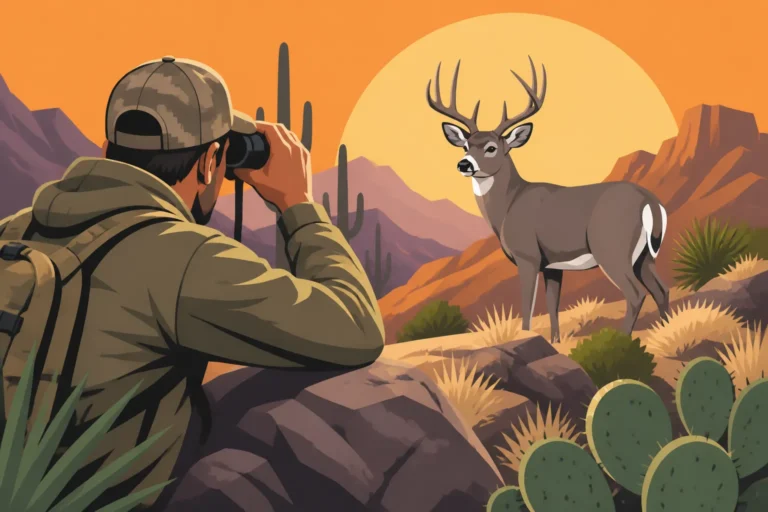
Pronghorn hunting is, first and foremost, a glassing game. Given their preference for open country and their incredible eyesight, you simply cannot be effective without high-quality optics. This means a good pair of binoculars (10x is a minimum, many prefer 12x or 15x), and a spotting scope (20-60x or 20-70x) on a stable tripod.
You'll spend hours, if not days, behind your glass, systematically breaking down vast landscapes. Learn to segment the terrain into grids and thoroughly scan each section. This is how you'll locate herds that might be miles away, seemingly invisible to the naked eye. Once you spot animals, use your spotting scope to assess their size, determine buck-to-doe ratios, and identify potential trophy bucks. This allows you to plan your stalk before you ever take a step. Remember, the less you move, the less likely you are to be spotted. Understanding Optics Power for Arizona's Long Desert Sightlines is crucial for this kind of hunting. Using tools like GoHunt can also help you quickly assess a unit's terrain from a bird's-eye view, informing where to set up your glassing points once you're on the ground.
Stalking in Open Country
This is often the most challenging aspect of pronghorn hunting. How do you get close enough for a shot when there's seemingly no cover? It requires immense patience, creativity, and often, a willingness to crawl.
Utilize every subtle dip, rise, and patch of brush the terrain offers. Plan your approach carefully, always considering the wind. Pronghorn have an excellent sense of smell. Often, a stalk will involve long, circuitous routes that take hours. You might need to crawl hundreds of yards on your hands and knees or even on your belly to get within range. Field judging is also critical before you commit to a stalk, so you're confident you're pursuing the buck you want. Field Judging a Pronghorn Buck From Distance is a skill that comes with practice, but ensures you're putting your energy into the right animal.
Patience and Persistence
Pronghorn hunting can be a marathon, not a sprint. You might spot a buck at dawn, initiate a stalk, only to have him feed over a ridge and disappear. Or he might spot you at 800 yards and take off like a rocket. It's easy to get discouraged, but persistence is key.
Often, returning to the same general area where you've seen strong numbers, day after day, will eventually yield an opportunity. Animals move, patterns change, and with enough time in the field, you'll eventually catch a break. Don't be afraid to take a break during the midday heat and resume glassing later. Success often comes from those who refuse to give up, continuing to scout, glass, and stalk until the perfect moment arrives. When you understand The Arizona Elk and Antelope Application Deadline and how much effort goes into even drawing a tag, it emphasizes the importance of making the most of your hunting opportunity through sheer will and determination. It also helps to read Reading an Arizona Hunt Success Report to manage expectations and understand the effort required.
| Region | Typical Terrain | Population Tendency | Access | Hunting Strategy Focus |
|---|---|---|---|---|
| Northern Grasslands | Expansive plains, sagebrush, scattered water | Strong, often high quality | Good road networks, some wilderness areas | Extensive glassing, long stalks |
| Central Arizona Flats | Broad valleys, mixed grassland/chaparral | Moderate to strong | Varied, some private land interfaces | Focused e-scouting, water holes |
| Southern Sky Island Valleys | High-elevation grasslands, isolated basins | Smaller, localized | Can be remote, specific pockets | Detailed scouting, patient observation |
Disclaimer
This article is for general informational purposes only and does not constitute professional advice. Laws, prices and regulations vary by location and change over time. Consult a qualified professional for guidance on your specific situation.