Where Desert Bighorn Live in Rugged Ranges
It's no secret that drawing a desert bighorn sheep tag in Arizona is often considered the pinnacle of Western big game hunting, a true once-in-a-lifetime opportunity for many. But even if you're lucky enough to punch that coveted ticket, the real challenge begins: finding these elusive animals in some of the most unforgiving, rugged, and remote landscapes the state has to offer. This guide will take a deep dive into the unique habitats where Arizona's desert bighorn thrive, helping you understand the terrain, challenges, and necessary preparation for pursuing these magnificent rams.
Understanding Arizona's Desert Bighorn Habitat
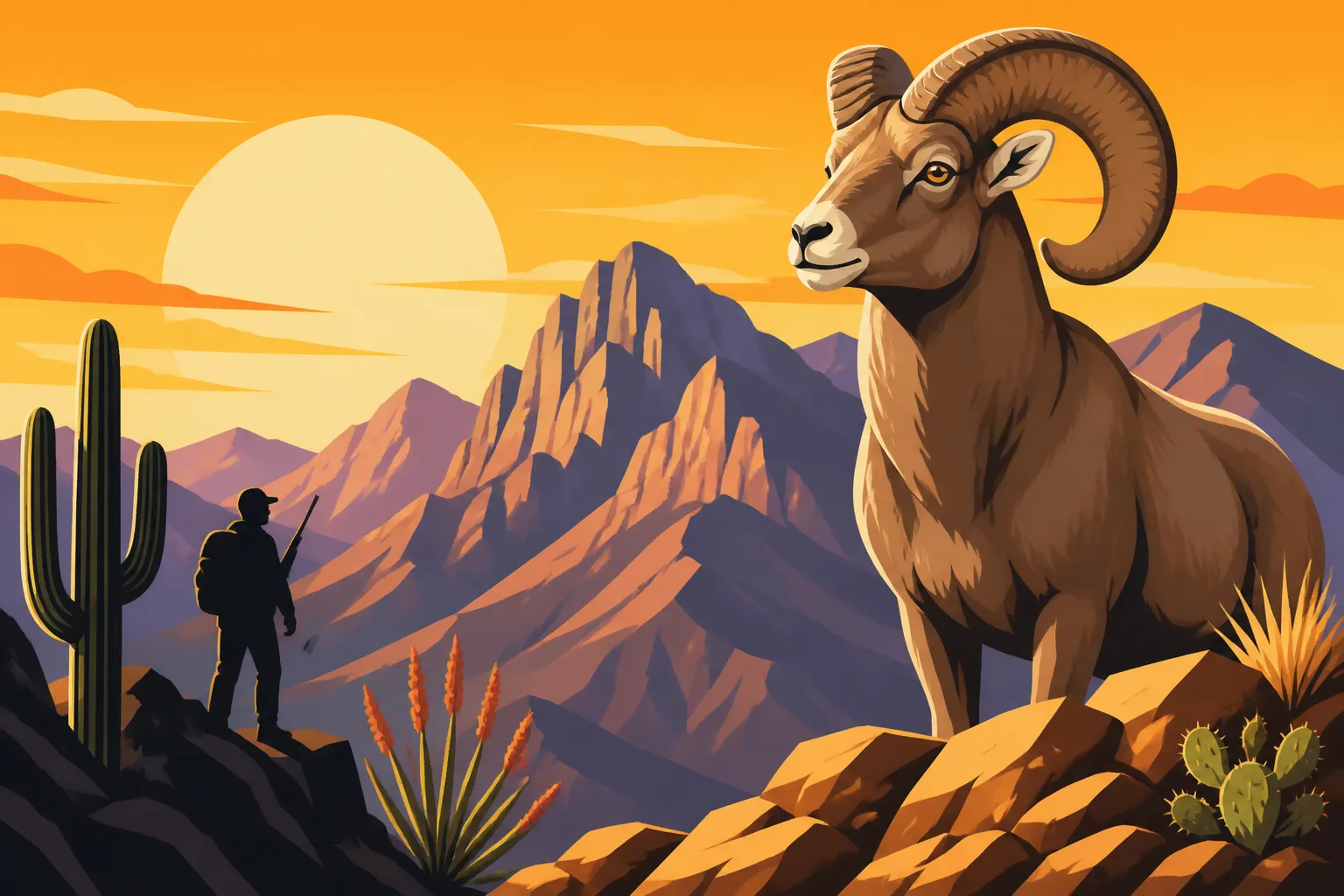
Arizona's desert bighorn sheep aren't just any sheep; they are creatures perfectly adapted to survive and flourish in environments that would make most other big game animals wilt. When we talk about "rugged ranges," we're not just throwing around adjectives – we're talking about their very existence. These aren't the green, timbered slopes of elk country or the rolling grasslands of pronghorn. This is a world of rock, cactus, and relentless sun, where elevation changes dramatically in short distances.
The Anatomy of Bighorn Terrain
Imagine mountains that rise abruptly from the desert floor, sharp and jagged, often looking like piles of colossal, sun-baked rocks. That's quintessential desert bighorn habitat. These ranges are characterized by steep, rocky slopes, deep canyons, and expansive, exposed faces. They prefer areas with a high degree of vertical escape terrain – those sheer cliffs and rocky outcrops where predators like mountain lions struggle to follow. This isn't just a preference; it's a survival mechanism.
They also rely heavily on reliable, though often scarce, water sources. This could be anything from a natural spring bubbling up from a rock crevice, a catchment system installed for wildlife, or a seasonal tank that holds water after a monsoon rain. During the scorching summer months, their proximity to these water sources dictates their movements and distribution. Understanding these critical water points is paramount for anyone trying to locate bighorns.
Vegetation and Forage in Arid Lands
While the landscape may appear barren to the untrained eye, desert bighorns are master foragers. Their diet consists primarily of grasses, forbs, and browse from shrubs and cacti. They have an incredible ability to extract moisture from plants, a vital adaptation in their arid environment. You'll often find them browsing on plants like paloverde, brittlebush, and various cacti, including the fruits and pads of prickly pear.
The health and availability of this forage directly impact the bighorn populations. Good rainfall years mean more lush vegetation, which translates to healthier ewes, better lamb survival, and ultimately, stronger ram growth. When the desert is experiencing prolonged drought, the bighorns feel it keenly, often concentrating around the most persistent water and forage patches, making these areas even more critical to scout.
Key Mountain Ranges for Desert Bighorn
Arizona is fortunate to have healthy populations of desert bighorn sheep, spread across several distinct mountain ranges, primarily in the central and southwestern parts of the state. These areas are not only biologically significant but also represent some of Arizona's most challenging and rewarding hunting grounds.
The Kofa Mountains and Surrounding Ranges
When many people think of Arizona desert bighorn, the Kofa Mountains immediately come to mind. Located in southwestern Arizona, this range is iconic, not just for its bighorn but for its sheer wildness and beauty. The Kofas are a sprawling, complex system of peaks, washes, and canyons within the Kofa National Wildlife Refuge. This refuge was established specifically to protect these sheep and their habitat. The bighorns here are often found high up on the rugged slopes, navigating the steep, volcanic terrain with astounding grace.
Beyond the core Kofa range, other connected and nearby mountains like the Castle Dome Mountains, Plomosa Mountains, and Little Horn Mountains also host significant bighorn populations. These areas are characterized by similar desolate beauty and provide expansive, interconnected habitat for the sheep to roam. Hunters venturing into these areas need to be prepared for extreme heat, very limited access, and terrain that can be brutal on boots and bodies. When you're researching potential units, using tools like GoHunt to analyze topography and identify potential water sources can give you a significant advantage in these vast landscapes.
Central Arizona's Rugged Haunts
Moving into central Arizona, several ranges within the Tonto National Forest and Bureau of Land Management (BLM) lands hold notable desert bighorn herds. The Superstition Mountains, famous for their legends and breathtaking beauty, are home to a smaller but incredibly tough population of sheep. These mountains are an intricate maze of steep canyons, hoodoos, and volcanic rock formations. Access can be incredibly difficult, often requiring extensive hiking and route finding skills.
Other important central Arizona ranges include the Mazatzal Mountains and the numerous smaller, equally rugged mountains that flank the Salt River and Verde River corridors. The presence of these major rivers, while not directly providing bighorn habitat, creates canyons and riparian zones that can funnel wildlife and contribute to unique microclimates. The steep, rocky cliffs rising directly from these river systems are classic bighorn country, particularly the Rocky Mountain Bighorn Sheep found along the Salt River, which are managed separately from their desert cousins. For a deeper understanding of the distinct management approaches, you might want to read our article on "Why Arizona Treats the Two Bighorns Separately".
Southern Arizona's Sky Islands and Border Ranges
While Coues deer are typically associated with Arizona's "Sky Islands" in the southeastern part of the state, some of the more western and southern mountain ranges in this region also hold desert bighorn. Ranges like the Cabeza Prieta Mountains, Ajo Mountains, and even parts of the Santa Rosa Mountains near the Mexican border are remote and rugged enough to support bighorn. These areas often feature classic Sonoran Desert flora and fauna, adding to the unique hunting experience.
These border ranges present their own set of logistical challenges, including extreme remoteness, harsh conditions, and often limited infrastructure. Hunters here need to be exceptionally self-reliant and well-prepared for any contingency. Whether you're researching these southern strongholds or the more famous Kofas, understanding "Arizona Desert Bighorn Draw Odds" can help inform your application strategy.
Challenges of Hunting Desert Bighorn Terrain
Hunting desert bighorn is not for the faint of heart, or for the unprepared. The very environment that protects these sheep also presents immense challenges to the hunter. It requires a unique blend of physical endurance, mental toughness, and specialized skills.
Physical Demands and Acclimatization
The physical demands are staggering. You will be hiking in extremely steep, rocky, and uneven terrain, often off-trail, for many miles each day. Temperatures can swing wildly, from freezing nights in the winter to scorching daytime heat in spring or fall, depending on your tag and the elevation. Carrying a heavy pack, including optics, water, and survival gear, up and down these grades will push your limits. It's not uncommon for hunters to train for months, focusing on cardio, strength, and hiking with weighted packs, just to prepare for a bighorn hunt. If you're wondering how to get ready, check out our piece on "Preparing Physically for a Desert Hunt".
Acclimatization to the arid environment is also critical. Dehydration is a constant threat, and carrying enough water is paramount. You can never have too much, and knowing where to cache water or find emergency sources is a skill in itself. Our guide to "Water You Must Carry on a Day Hunt" offers some critical insights into staying hydrated in these unforgiving landscapes. The lack of shade and the reflective heat off the rocks make even moderate temperatures feel much hotter.
Glassing for Elusive Rams
Because of the vastness and ruggedness of bighorn habitat, glassing is the primary hunting method. You'll spend countless hours behind high-powered binoculars and spotting scopes, systematically picking apart mountain faces, rocky ridges, and canyon systems. Rams are masters of camouflage, blending seamlessly with their rocky surroundings, often appearing as just another rock until they move. Patience is not just a virtue; it's a necessity.
The technique often involves finding a high vantage point, setting up a sturdy tripod for your optics, and meticulously gridding out the landscape, searching for any subtle sign of movement or the tell-tale shape of a ram. This is a mental game as much as a physical one, requiring intense focus and discipline. Even with the best optics, spotting a bedded ram in a sea of rocks can feel like finding a needle in a haystack. Many hunters utilize mapping software like GoHunt to pinpoint elevated glassing points and identify potential sheep travel corridors or bedding areas before they even step foot in the field.
Navigating Hazardous Terrain
Beyond the physical exertion, the terrain itself is fraught with hazards. Loose rock is ubiquitous, leading to potential falls and ankle injuries. Cacti and other sharp desert plants are constant companions, ready to prick and scratch. Navigating steep canyons can lead to dead ends or require dangerous climbs. Venomous snakes, scorpions, and other desert creatures are also present, adding another layer of awareness needed.
Choosing the right footwear is absolutely essential. Sturdy, ankle-supporting boots with excellent traction are non-negotiable. You'll want to read about "Choosing Boots for Rocky Desert Ground" before you head out, as the wrong pair can quickly lead to misery or injury. Route finding skills are critical, and GPS devices with topo maps are indispensable for staying found and safely navigating complex terrain.
Here's a quick look at some key desert bighorn mountain ranges and their characteristics:
| Mountain Range | Primary Location | Key Characteristics | Access Difficulty | Noteworthy Features |
|---|---|---|---|---|
| Kofa Mountains | SW Arizona | Arid, volcanic, extremely rugged, high cliffs | Very Difficult | Kofa NWR, palm oases |
| Castle Dome Mountains | SW Arizona | Remote, rocky, lower elevations, sparse water | Difficult | BLM wilderness areas |
| Superstition Mountains | Central Arizona | Volcanic, deep canyons, intricate rock formations | Very Difficult | Legends, limited water |
| Mazatzal Mountains | Central Arizona | Steep, forested at higher elevations, rocky below | Difficult | Wilderness Area, riparian zones |
| Cabeza Prieta Mtns | SW Arizona (border) | Extremely remote, harsh, low mountains | Extreme | Refuge, border zone |
| Ajo Mountains | S Arizona | Rugged, volcanic, beautiful desert scenery | Difficult | Organ Pipe Cactus NM |
Conservation and Management of Arizona's Bighorn
Arizona's bighorn sheep populations are a testament to dedicated conservation efforts, and their management is a complex but crucial process that ensures these animals continue to thrive for future generations.
Arizona's Bighorn Management Strategies
The Arizona Game and Fish Department (AZGFD) employs robust management strategies for both desert and Rocky Mountain bighorn sheep. This includes regular aerial surveys to estimate populations, track herd health, and monitor lamb recruitment. Biologists also study habitat conditions, water availability, and potential disease vectors to proactively manage for healthy herds. You can often find insights into these efforts by learning about "How Biologists Count a Desert Big Game Herd".
One of the cornerstones of bighorn management is the establishment and maintenance of water catchments, known as "guzzlers," in remote areas. These artificial water sources are critical during drought periods, providing essential hydration that allows sheep to expand their range and survive in otherwise waterless areas. Volunteers often play a huge role in maintaining and filling these guzzlers, especially during dry spells.
Draw Odds and Tag Allocation
Due to the limited number of bighorn sheep and the incredibly high demand for tags, hunting opportunities are extremely scarce. Arizona allocates tags through a lottery system, and the draw odds for a desert bighorn tag are notoriously low, making it one of the most difficult tags to draw in North America. This scarcity is a direct reflection of responsible management to ensure sustainable populations.
Hunters wishing to pursue bighorn must participate in the annual big game draw. While a standard tag fee applies, there are also special "conservation tags" and "special big game license tags" that are often auctioned off by conservation organizations. These tags can fetch substantial sums, with the proceeds going directly back into bighorn research, habitat improvement, and management efforts. You can learn more about this by reading "How Arizona Auctions Conservation Tags". These high-value tags allow individuals to hunt without going through the public draw, but at a significant financial contribution to conservation.
Ethical Considerations and Species Preservation
Given the iconic status and scarcity of bighorn sheep, ethical hunting practices are paramount. This includes thorough scouting, responsible shot placement, and a commitment to retrieving any animal taken. The "once-in-a-lifetime" nature of many bighorn tags also instills a deep respect for the animal and its habitat among hunters.
Conservation efforts are not just about hunting. They also encompass protecting habitat from encroachment, managing predator populations where necessary, and researching diseases that can impact bighorn health. Hunters contribute to these efforts not just through license and tag fees, but also through direct participation in projects like guzzler maintenance and advocating for sound wildlife management. Understanding the broader context of "Reading a Herd Unit Management Plan" can provide further insight into how these populations are sustained.
Disclaimer
This article is for general informational purposes only and does not constitute professional advice. Laws, prices and regulations vary by location and change over time. Consult a qualified professional for guidance on your specific situation.