When Arizona Quail Season Opens
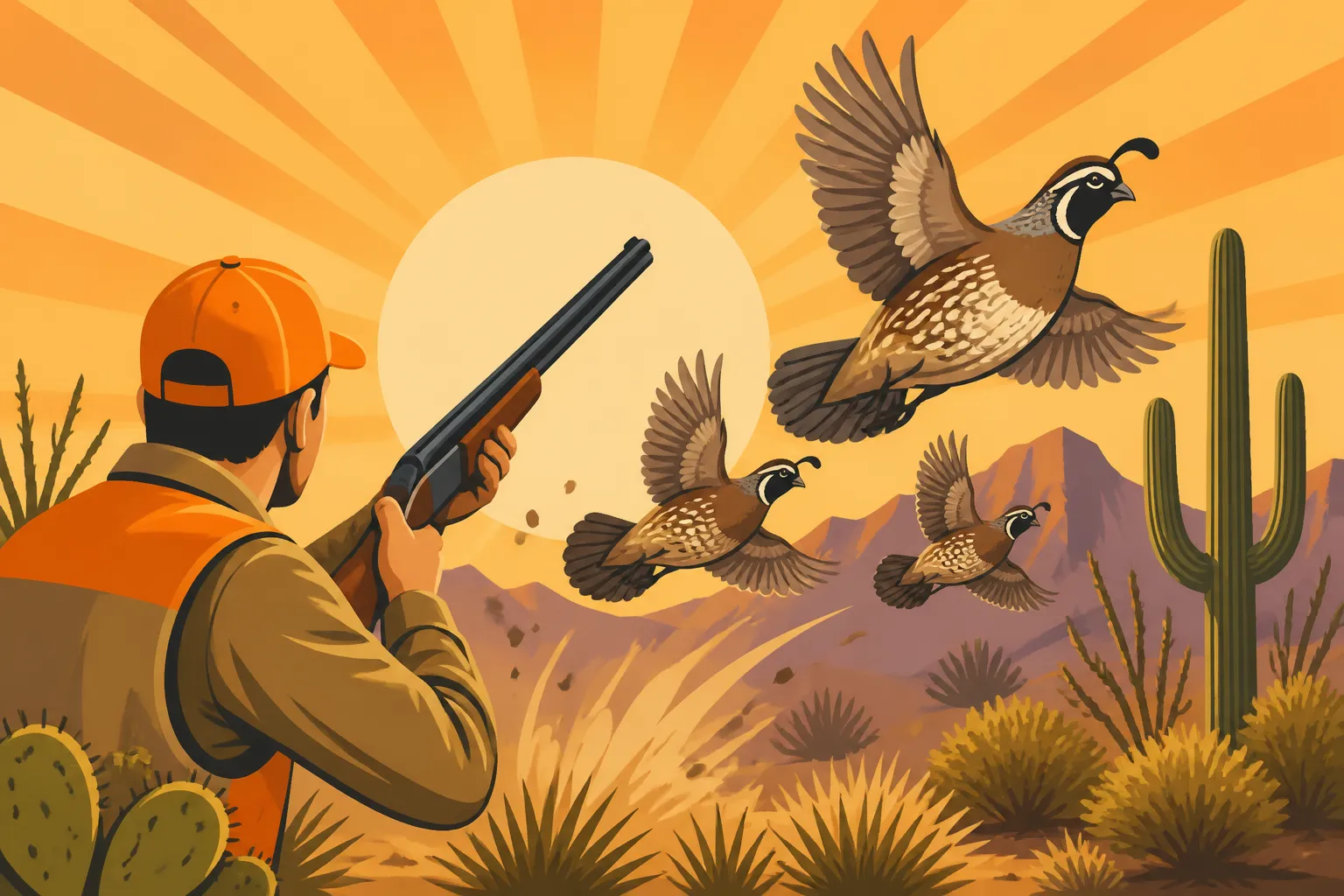
One of the most exciting times of the year for any Arizona upland hunter is anticipating the crisp morning air and the explosive flush of a covey of quail. But if you’re new to hunting in the Grand Canyon State, or even if you’ve been at it for a while, keeping track of the exact opening dates for Arizona’s various quail species can feel like trying to hit a fast-flying Gambel’s with a single pellet. It’s not just one date; it often varies, and knowing when to mark your calendar is key to a successful season. This guide will walk you through the typical timing of Arizona's quail seasons, offering insight into what makes each opener unique.
Understanding Arizona's Quail Species and Their Seasons
Arizona is a true treasure trove for upland bird hunters, boasting three distinct species of quail, each with its own habitat preferences, behaviors, and, critically, slightly different season structures. This isn't a "one size fits all" situation, and understanding these nuances is the first step to knowing when to hit the field.
Gambel's Quail: The Desert Mainstay
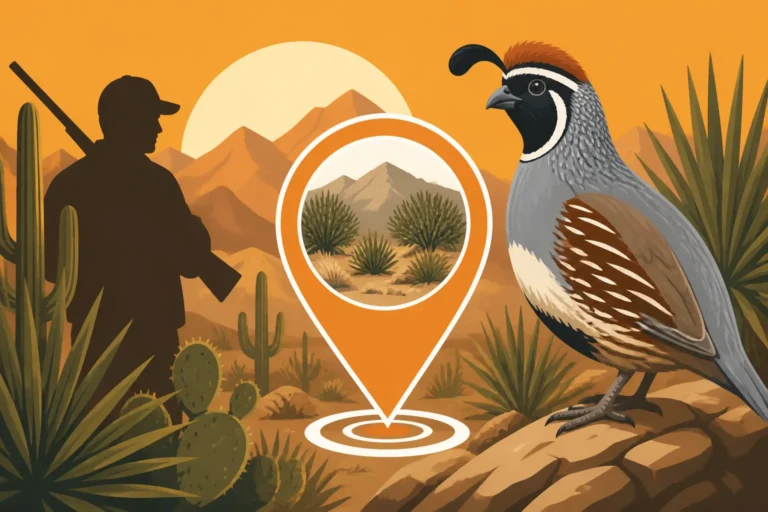
Ah, the Gambel's quail! These are likely what most people picture when they think of Arizona quail. They're the charismatic birds with the jaunty topknot, found abundantly across the state's deserts, riparian areas, and foothill scrub. Their season is usually the longest and most anticipated, drawing hunters from all over. The sheer number of birds and the accessible nature of their habitat make them a favorite, but don't mistake "accessible" for "easy"—these birds can run and fly with astonishing speed, disappearing into the prickliest cholla with an uncanny ability.
Typically, the general Gambel's quail season in Arizona kicks off in early to mid-October. This timing is deliberate. It allows the birds, especially the young of the year, to mature sufficiently after the summer monsoons, which are crucial for nesting success and population growth. Imagine a vast expanse of Sonoran Desert, still warm from the lingering summer, but with mornings beginning to hint at cooler weather. That's often the backdrop for the Gambel's opener. You'll hear their distinctive "chi-ca-go, chi-ca-go" call echoing through the mesquite and paloverde, a sound that signals prime hunting conditions are just around the corner. Knowing when to expect them is half the battle; the other half is trying to keep up! You'll find these birds in almost every desert and semi-desert unit in the state where there's sufficient water and cover. They are a resilient species, and their numbers often correlate strongly with recent rainfall. Why Rainfall Drives Quail Numbers is a fantastic resource if you want to dive deeper into the ecological factors at play.
Mearns Quail: The Elusive Upland Hunter's Prize
Now, if the Gambel's is the desert's extrovert, the Mearns quail is its shy, elusive cousin. Also known as the Montezuma quail or harlequin quail, these strikingly beautiful birds are found in a very specific habitat: the oak-grassland foothills of southeastern Arizona's "sky island" mountain ranges. Think higher elevations, usually above 4,000 feet, where pines mix with oaks and the ground is carpeted in tall grasses. Mearns quail don't run like Gambel's; they hold incredibly tight, often flushing at your feet, making them a dog hunter's dream. But finding them? That's the challenge.
Due to their unique habitat and slower reproductive cycle, the Mearns quail season traditionally opens later than the Gambel's, typically in early December. This later start gives them extra time, protecting the population from early pressure and ensuring the coveys are robust. Hunting Mearns often means trudging through steep terrain, crossing drainages, and navigating dense oak thickets. It's a different experience entirely, requiring patience and a good bird dog. The reward, however, is not just the magnificent bird itself, but the stunning scenery of places like the Huachuca or Chiricahua Mountains, especially when they're dressed in winter colors. For more on these incredible birds and their habitat, check out Mearns Quail in the Southern Oaks.
Scaled Quail: A Grassland Gamebird
Finally, we have the scaled quail, often called "cottontops" for their distinctive white crest. These birds are primarily found in the semi-desert grasslands and brushlands of eastern and southeastern Arizona, preferring open country with a mix of short grass and low-lying shrubs. They are incredibly fast runners, earning them the nickname "blue runners," and often won't flush until pushed hard. When they do take flight, they burst into the air with surprising speed, often sailing a good distance before dropping back into cover.
The scaled quail season generally aligns with the Gambel's, opening in early to mid-October. While their range overlaps with Gambel's in some areas, you'll typically find them in different micro-habitats within the same general region. If you're hunting expansive grasslands with scattered yucca and prickly pear, you're in scaled quail country. They form larger coveys than Mearns but are often just as challenging to get to flush within shotgun range due to their preference for running. They thrive in areas that have experienced good monsoon rainfall, which provides the necessary cover and insect life for their broods. Discover more about where to find these speedy birds at Scaled Quail on Arizona Grassland.
Here's a quick reference for the general opening times:
| Quail Species | Typical Opening Date | Primary Habitat | Notes |
|---|---|---|---|
| Gambel's Quail | Early to Mid-October | Deserts, Riparian, Foothill Scrub | Most widespread, longest season |
| Mearns Quail | Early December | Oak-Grassland, Sky Islands | Elusive, dog-dependent, later opening |
| Scaled Quail | Early to Mid-October | Semi-Desert Grasslands, Brushlands | Fast runners, often found with Gambel's |
Please remember, these are general timings. Always check the official regulations for the specific year you plan to hunt.
Key Factors Influencing Arizona Quail Season Opening Dates
It might seem straightforward to just pick a date, but setting hunting seasons is a complex process driven by biological data, population health, and hunter opportunity. Arizona Game and Fish Department (AZGFD) biologists meticulously monitor wildlife populations, and quail are no exception. The opening dates aren't just plucked out of thin air; they're strategically determined.
General Season Start and End Dates
As we've discussed, the overarching framework for Arizona's quail seasons typically sees Gambel's and Scaled quail opening in early to mid-October, running through January or early February. Mearns quail, on the other hand, usually begin in early December and often conclude around the same time as the other species. These dates are designed to balance several factors: allowing enough time for young birds to mature, providing ample hunting opportunity, and ensuring the long-term health of the quail populations.
The season often extends for several months, which is a blessing for upland hunters. This long window allows for multiple trips, adapting to weather patterns, and scouting new areas. It means you can plan a trip in the relative warmth of October, or brave the cooler temperatures of December and January. However, even within this long season, knowing when the opener is, is crucial for those who want to experience the thrill of the first flush of the year, often with less pressured birds. For a broader overview of small game seasons, you can look at Arizona Small Game Seasons at a Glance.
Impact of Habitat and Weather on Season Structure
You simply cannot talk about Arizona wildlife without talking about rainfall. For quail, particularly Gambel's and Scaled, the summer monsoon season is the lifeline. A good monsoon season—meaning consistent, heavy rains from July through September—leads to lush vegetation, abundant insects, and successful nesting. This, in turn, translates to higher quail populations and generally better hunting. Conversely, a poor monsoon year might lead to lower bird numbers.
While the opening dates themselves rarely shift drastically year to year due to weather, the quality of the season certainly does. Biologists consider these factors when setting the general season parameters. The October opening for Gambel's and Scaled quail is timed to allow the post-monsoon hatchlings ample time to grow. For Mearns, their reliance on specific grassland conditions means their December opener helps ensure those habitats are ready and the birds are mature. It’s a delicate balance, and Mother Nature definitely has the final say in how robust each year’s season will be.
Special Youth Hunts or Early Opportunities
Arizona is committed to fostering the next generation of hunters, and sometimes, this includes special opportunities that might precede the general opener. While not as common for quail as for deer or elk, it's always worth checking the regulations for any youth-only small game days or special archery-only periods that might offer an earlier chance to get out in the field. These special seasons are fantastic ways to introduce young hunters to the sport in a less pressured environment.
If you have a young hunter in your family, keeping an eye out for these dates is vital. It’s not just about the hunt itself, but about creating memories and instilling a love for the outdoors. The AZGFD regulations booklet is your best friend here, as these special opportunities are always clearly listed. Don't forget to look into Arizona Youth License and Tag Pricing for all the details on getting your younger hunting partners set up.
Preparing for Arizona's Quail Opener: Essential Information
Once you've got those opening dates circled on your calendar, it's time to shift gears from anticipation to preparation. Hunting Arizona quail, especially in the early season, requires specific gear, knowledge, and a commitment to understanding the rules.
Checking Current Regulations
This is probably the most crucial step. While this guide provides general timing, the official Arizona Game and Fish Department hunting regulations are the definitive source. Do not rely solely on information from blogs, forums, or even last year's regulations booklet. Seasons, bag limits, and even specific unit regulations can change. The AZGFD typically releases its new regulations well in advance of the fall hunting seasons.
You can usually find the most current regulations on the AZGFD website. It’s also often available at license dealers and sporting goods stores across the state. Take the time to read through the small game section thoroughly. Pay close attention to:
- Exact opening and closing dates for each quail species.
- Daily and possession bag limits. These are critical and vary by species.
- Legal shooting hours.
- Any specific rules for particular areas or weapon types.
Tools like GoHunt are incredibly valuable for checking regulations and planning your hunt. While they compile a lot of useful information, it’s always best to cross-reference with the official AZGFD document. GoHunt offers fantastic resources for e-scouting, drawing odds, and detailed unit information, but the raw regulations from the source are paramount. Seriously, don't skimp on this step! For a full breakdown on navigating the official guide, refer to Reading the Arizona Hunt Regulations Booklet.
License and Tag Requirements
Before you can even think about chasing quail, you need to ensure you have the proper licensing. In Arizona, most small game hunting, including quail, requires a valid hunting license. Unlike big game, which often requires specific draw tags, quail falls under the general hunting license umbrella.
- Arizona Hunting License: This is your foundational permit. Non-residents and residents alike need one. Make sure it's valid for the current license year. Arizona's license year usually runs from January 1st to December 31st, but always double-check these dates. Arizona License Year Start and End Dates offers more clarity on this.
- No separate "quail tag": As of now, you generally don't need a specific tag for quail beyond your general hunting license. However, regulations can change, so confirming with the current year's booklet is non-negotiable.
It's also worth noting that if you’re hunting with a youth hunter, they too will need the appropriate license, though youth licenses are often available at a reduced cost. Ensure all your paperwork is in order before you head out; you don't want a game warden to be the one to tell you that you're missing something crucial.
Finding Prime Quail Habitat
Knowing when the season opens is great, but knowing where to go is the next piece of the puzzle. Arizona offers millions of acres of public land across BLM (Bureau of Land Management) and National Forest lands, all of which are generally open to hunting. State Trust Land is also available with a valid hunting license acting as your permit, but always double-check for any specific restrictions.
For Gambel's quail, focus on areas with thick stands of mesquite, catclaw, paloverde, and saguaro cacti, especially near washes or ephemeral water sources. Areas that received good monsoon rains will have the best cover and food. Gambel's Quail Across the Desert delves into specifics on habitat.
For Mearns quail, you'll be looking for oak-grassland communities, usually on sloping hillsides. These birds are often found in draws and pockets of thicker cover where the grass is tall and provides good concealment. You’ll need to put in some serious boot leather or have a good dog to find them. Mearns Quail in the Southern Oaks provides a more detailed look into this unique habitat.
Scaled quail prefer more open grasslands with scattered brush. Look for areas where the grass is not too sparse, offering some protection, but not so dense that it impedes their running ability. Their habitat often overlaps with Gambel's but tends to be slightly higher in elevation and less "desert-y."
Using modern e-scouting tools like GoHunt can be immensely helpful here. Their mapping features often include land ownership overlays, topo maps, and even satellite imagery that can reveal prime habitat, water sources, and access roads. You can spend hours virtually scouting before ever setting foot in the field, which is a massive advantage. Don't underestimate the power of E-Scouting an Arizona Unit Before the Season to get a jump on your hunting plans. Just remember, these tools are aids; ground-truthing your scouted areas is still the best approach. Always verify public land access and be mindful of private land boundaries. Where Arizona Publishes Unit Access Maps can also be a valuable resource.
Disclaimer
This article is for general informational purposes only and does not constitute professional advice. Laws, prices and regulations vary by location and change over time. Consult a qualified professional for guidance on your specific situation.