Transplant Programs That Rebuilt Herds
It’s a truly disheartening experience to see wildlife populations struggle, especially when you've grown up with images of robust herds roaming across Arizona's stunning landscapes. Many of us have felt that pang of worry, wondering if certain game species would ever truly recover from historical pressures or habitat loss. This guide dives deep into the fascinating and critical work of transplant programs, exploring how dedicated efforts have painstakingly rebuilt and bolstered some of Arizona's most iconic big game herds, ensuring that future generations can still experience the thrill of hunting these magnificent animals.
The Critical Need for Wildlife Translocation in Arizona
The idea of moving wild animals from one place to another might sound a bit extreme at first, but for many of Arizona's cherished big game species, it has been nothing short of a lifeline. We're talking about more than just managing numbers; we're talking about actively mending broken ecosystems and restoring a balance that was lost through a combination of historical overhunting, habitat fragmentation, and even disease. Imagine an entire mountain range where a species once thrived, now eerily silent—that’s the kind of void that transplant programs aim to fill.
Why Herds Declined Historically
When we look back at the history of wildlife in Arizona, it’s clear that many of our big game populations faced immense challenges. Early settlement brought unregulated market hunting, where animals were taken for hides, meat, or even just sport, often without any thought for sustainable practices. Think about the massive herds of elk that once roamed vast swathes of the state, only to be reduced to scattered remnants by the turn of the 20th century. Similarly, bighorn sheep, perfectly adapted to Arizona's rugged terrain, saw their numbers plummet due to disease introduced by domestic livestock and increased human encroachment on their traditional ranges.
Beyond direct harvest, habitat destruction also played a huge role. As towns grew, roads were built, and ranching expanded, critical migration corridors were severed, and prime feeding grounds were lost. This left many remaining pockets of animals isolated, unable to expand or interbreed, making them vulnerable to localized threats. For hunters looking to understand current population trends, recognizing these historical impacts is crucial, and resources like Reading a Herd Unit Management Plan can provide a deeper dive into specific species and areas.
The Role of Isolated Populations
One of the most insidious threats to a struggling species isn't just low numbers, but the isolation of those remaining animals. When a herd shrinks and becomes confined to a small, disconnected area, it faces a genetic bottleneck. This means there's less diversity in the gene pool, making the animals more susceptible to disease and less adaptable to environmental changes, like prolonged drought or extreme winters. Inbreeding can also lead to weaker, less resilient offspring, which further hinders recovery.
Imagine a small group of desert bighorn sheep trapped on a single mountain range, unable to cross valleys or developed areas to reach other sheep populations. If a disease outbreak hits that isolated group, there's a real risk of complete local extinction. Transplant programs step in to deliberately move animals from healthy, robust populations to these isolated areas, or to entirely new habitats where the species once existed but had been completely extirpated. This strategic infusion of new genetics and new individuals can kickstart a population, bringing it back from the brink.
The Science and Logistics Behind a Successful Transplant
It might sound simple to just pick up an animal and move it, but wildlife transplant programs are incredibly complex operations that combine rigorous scientific planning with meticulous logistical execution. These aren't spur-of-the-moment decisions; they're carefully orchestrated efforts involving biologists, veterinarians, ground crews, and often, significant financial investment. The goal is always to maximize the survival rate of the transplanted animals and ensure they have the best possible chance to establish a new, thriving population.
Planning and Unit Selection
The first, and arguably most critical, phase of any transplant program is the extensive planning involved. Wildlife biologists spend years researching potential release sites, meticulously assessing habitat quality, water availability, forage, and potential threats like predator density or human disturbance. They use advanced mapping and data analysis, often leveraging tools like those found on GoHunt, to identify units that historically supported the target species and still offer viable conditions. This includes evaluating factors like carrying capacity—how many animals the habitat can realistically sustain—and looking for areas where conflict with existing livestock or human populations will be minimized.
Choosing the right source population is equally important. Biologists look for healthy, genetically diverse herds that can afford to lose a certain number of individuals without negatively impacting their own stability. The aim is to bolster the struggling population without creating a new problem for the donor herd. This might involve long-term studies of Arizona population estimates and reproductive success to ensure the donor herd is robust enough.
Capture, Health Checks, and Transport
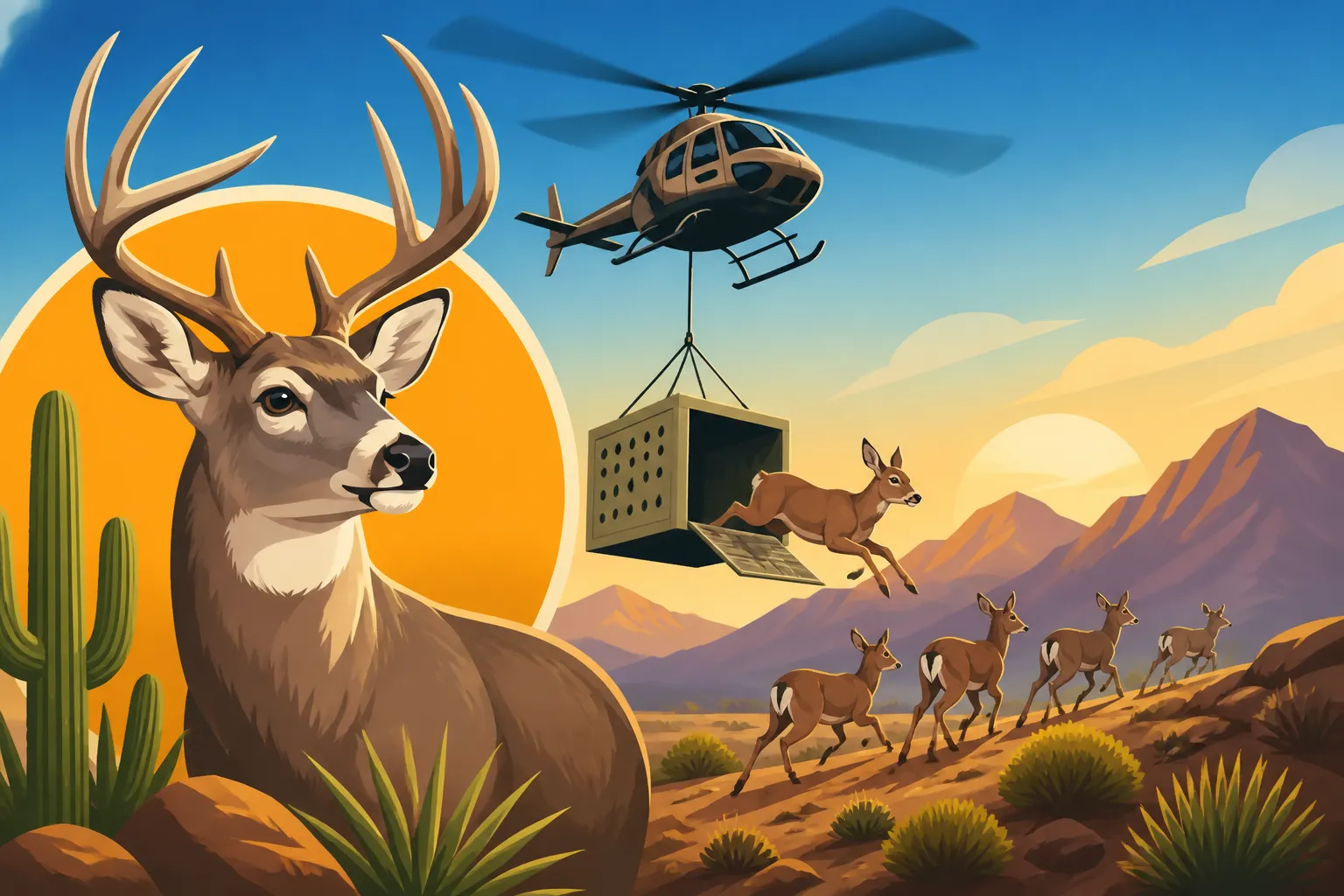
Once the source and release sites are selected, the real logistical challenge begins: capturing wild animals. This is often done using specialized techniques designed to minimize stress and injury to the animals. For large game like elk, this might involve helicopter darting, where a veterinarian or experienced marksman safely tranquilizes an animal from the air. For bighorn sheep, net-gunning from helicopters is a common method, quickly entangling the animal for immediate handling. Safety for both the animals and the capture crew is paramount.
After capture, each animal undergoes a thorough health check. This includes taking blood samples for genetic analysis and disease screening, checking for parasites, recording vital statistics, and sometimes even attaching GPS collars for post-release monitoring. These health assessments are crucial to ensure that no diseases are inadvertently introduced to the recipient population or the new habitat. The animals are then carefully loaded into custom-designed transport crates, often cushioned and climate-controlled, for their journey to the release site. The shorter and smoother this transport, the better the chances of success.
Release and Monitoring Success
The release itself is often a powerful and emotional moment, the culmination of years of planning and hard work. Animals are gently unloaded into their new home, typically in areas chosen for immediate cover, forage, and water sources. For the animals, it's a bewildering transition, and the first few days are critical as they adapt to unfamiliar surroundings. This is where the GPS collars come into play, allowing biologists to track their movements, monitor their health, and understand how they're dispersing and utilizing the new habitat.
Long-term monitoring is essential to measure the success of a transplant program. Biologists collect data on survival rates, reproductive success, and herd growth over many years. They also look at how the new population interacts with the existing ecosystem and other wildlife. This data helps inform future management decisions and demonstrates the program's effectiveness. Hunters and outdoor enthusiasts also play a vital role, often reporting sightings and contributing to the overall understanding of how these transplanted herds are thriving. It's truly a collaborative effort to bring these species back.
Key Species Benefiting from Arizona's Transplant Efforts
Arizona has a remarkable track record of successful wildlife transplant programs, transforming the landscape for several iconic big game species. These efforts haven't just increased numbers; they've restored ecological balance and provided incredible hunting opportunities that might otherwise have been lost forever. The stories of these animals are a testament to dedicated conservation.
Elk Restoration on the Mogollon Rim and White Mountains
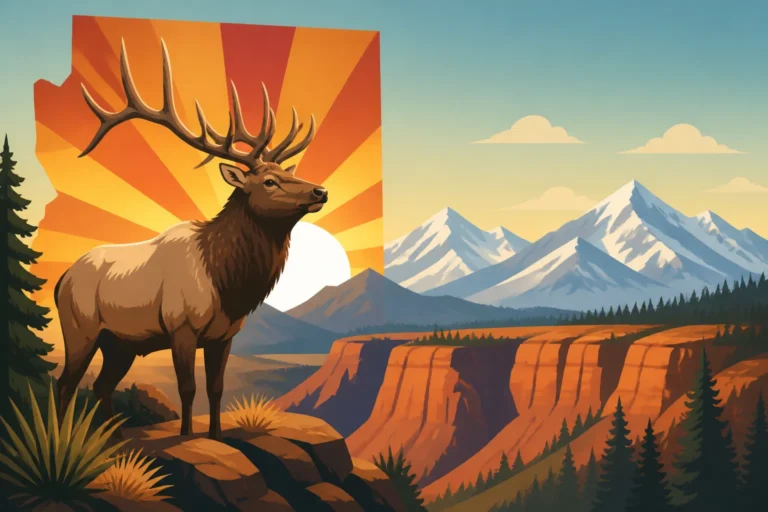
The story of elk in Arizona is one of the state's greatest conservation successes, directly attributable to well-executed transplant programs. By the early 1900s, Arizona's native Merriam's elk, a subspecies, were completely gone due to overhunting and habitat loss. The vast pine forests of the Mogollon Rim and White Mountains, once teeming with elk, were empty. It was a tragic loss for the state's wildlife heritage.
Beginning in 1913, an ambitious program began to reintroduce Rocky Mountain elk from Yellowstone National Park into Arizona. These initial transplants, followed by others over the decades, were a monumental undertaking. Animals were captured in Wyoming and Montana and then transported by rail and wagon to remote release sites in areas like Chevelon Canyon and the Blue Range. Today, those efforts have blossomed into the robust, thriving elk populations that Arizona is famous for, drawing hunters from across the nation to experience Calling Bulls on Arizona's Mogollon Rim or exploring the White Mountains Elk Country. Without these visionary transplant programs, Arizona's elk hunting tradition simply wouldn't exist.
Bighorn Sheep Reintroductions Across Desert Ranges
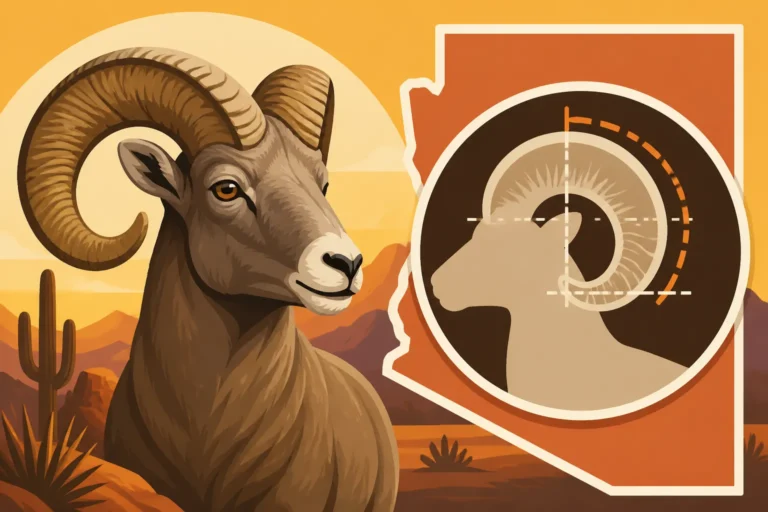
Arizona is home to two distinct subspecies of bighorn sheep: the desert bighorn and the Rocky Mountain bighorn. Both faced severe declines in the past, primarily due to disease transmission from domestic sheep and habitat encroachment. Many historical bighorn ranges became empty, with suitable habitat sitting vacant because the sheep couldn't recolonize them on their own.
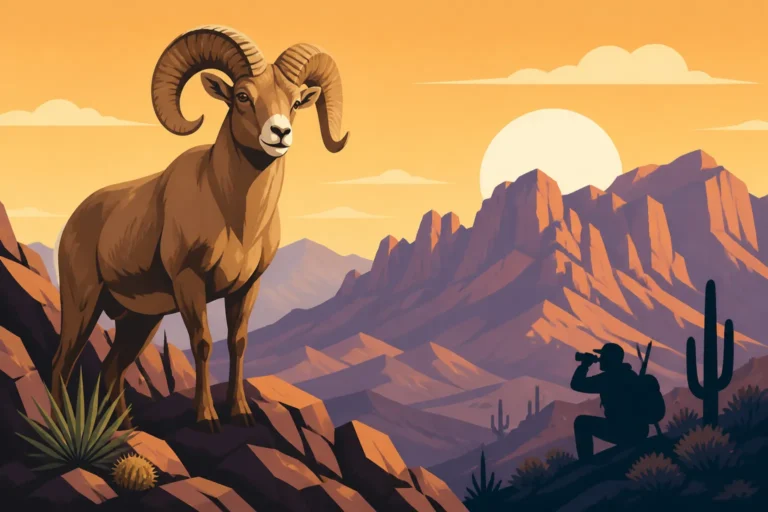
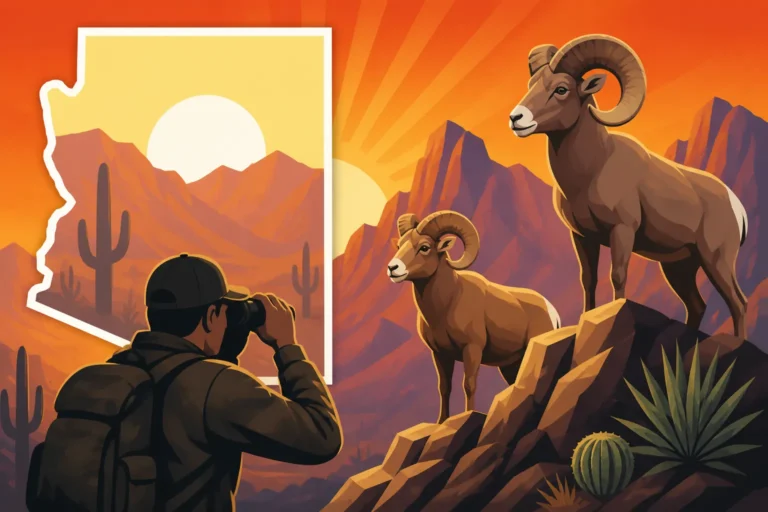
Transplant programs have been critical in reversing this trend. Healthy desert bighorn sheep are regularly captured from secure, robust populations in areas like the Kofa National Wildlife Refuge and then relocated to mountain ranges where they once roamed or where new populations are desired. These operations are incredibly challenging, often involving rugged terrain and precise helicopter work. Similarly, Rocky Mountain bighorn have been moved to expand their range along the Salt River. These reintroductions have been so successful that Arizona now boasts some of the strongest bighorn sheep populations in the Southwest, offering coveted tags for those lucky enough to draw, and ensuring Desert Bighorn in Arizona's Mountain Ranges remain a truly wild spectacle.
Pronghorn Recovery on Arizona's Grasslands
Pronghorn, often called "speed goats," are true icons of Arizona's grasslands. Their ability to cover ground at incredible speeds is legendary, but even these adaptable animals suffered significant population declines in the early 20th century. Habitat fragmentation, fencing that blocked their migration routes, and intense grazing pressure severely impacted their numbers and distribution.
Transplant programs for pronghorn have focused on re-establishing herds in historic ranges and bolstering existing, small populations. This involves careful capture, often using specialized drive-netting techniques, where herds are gently guided into large nets, then quickly processed and transported. Release sites are chosen for their expansive, unbroken grasslands and suitable forage. These efforts have helped to reconnect fragmented habitats and increase genetic diversity, contributing to the healthy pronghorn populations we see today, particularly in northern Arizona's plains. Hunters can still pursue these incredible animals, often utilizing tools found on platforms like GoHunt to scout Pronghorn on the Northern Grasslands before the season.
| Species Transferred | Primary Objective | Historical Impact Addressed | Notable Success Areas |
|---|---|---|---|
| Elk | Reintroduction | Extirpation/Overhunting | Mogollon Rim, White Mtns |
| Desert Bighorn | Reestablishment | Disease, Habitat Loss | Kofa, Cabeza Prieta |
| Rocky Mtn Bighorn | Range Expansion | Habitat Fragmentation | Salt River Canyon |
| Pronghorn | Population Boost | Fencing, Habitat Decline | Northern Grasslands |
| Turkey | Range Expansion | Localized Declines | Various forested units |
Challenges and Long-Term Impact of Transplant Programs
While wildlife transplant programs have unequivocally led to incredible conservation successes in Arizona, they are far from a "set it and forget it" solution. These initiatives come with their own set of inherent challenges, and their long-term impact requires continuous management and adaptation to ensure the health and sustainability of the rebuilt herds. It’s a marathon, not a sprint, and always requires a nuanced understanding of the environment and the species involved.
Initial Acclimation and Survival Rates
One of the most immediate challenges after a transplant is the initial acclimation period for the animals. Being moved to a new environment is incredibly stressful. These animals are suddenly in unfamiliar territory, with different water sources, different forage, and potentially new predators. They need to quickly learn the lay of the land, find escape routes, and integrate into any existing local populations, or form new social structures if they are the pioneering group.
Survival rates during this initial period can vary widely depending on the species, the condition of the animals, and the quality of the release site. Biologists work hard to mitigate these risks by releasing animals during optimal weather conditions, providing soft-release pens in some cases to allow for a more gradual adjustment, and ensuring the habitat is rich in resources. Despite best efforts, some animals will inevitably struggle or fall prey to predators during this vulnerable time. This is why careful post-release monitoring, often supported by GPS telemetry and detailed reporting from groups like GoHunt, is so vital.
Ongoing Habitat Management and Disease Risks
The work doesn't stop once a transplanted herd starts to grow. Long-term success hinges on ongoing, proactive habitat management. This can include efforts to improve forage quality, enhance water sources through projects like Water Development Projects Built for Wildlife, or even remove fencing that hinders migration. Habitat is dynamic, and what was ideal twenty years ago might need adjustment today due to factors like climate change or wildfire patterns.
Disease remains a constant threat, especially as herds grow denser. Diseases like Chronic Wasting Disease (CWD) or pneumonia in bighorn sheep can decimate a population, undoing years of conservation work. Wildlife agencies implement rigorous monitoring programs, including How Chronic Wasting Disease Testing Works and regular health assessments, to detect and respond to outbreaks quickly. Maintaining healthy, diverse habitat and avoiding overcrowding are key strategies in minimizing disease risks, alongside targeted interventions when necessary.
Public Perception and Funding
Another significant, though often less tangible, challenge lies in public perception and securing consistent funding for these expensive programs. While most people support wildlife conservation, specific projects can sometimes face opposition from various stakeholder groups, such as ranchers concerned about competition for forage or landowners worried about increased wildlife presence. Education and clear communication from wildlife agencies are crucial to build understanding and support.
Funding is also a perpetual concern. Capturing, transporting, monitoring, and managing transplanted herds costs a considerable amount of money, derived from hunting license sales, conservation grants, and sometimes specific legislative appropriations. The continued success of these programs relies on a stable financial foundation, often reinforced by hunters who understand that their license fees directly contribute to these vital conservation efforts. Ultimately, these transplant programs are an investment in the biodiversity and recreational opportunities that make Arizona such a special place to live and hunt.
Disclaimer
This article is for general informational purposes only and does not constitute professional advice. Laws, prices and regulations vary by location and change over time. Consult a qualified professional for guidance on your specific situation.