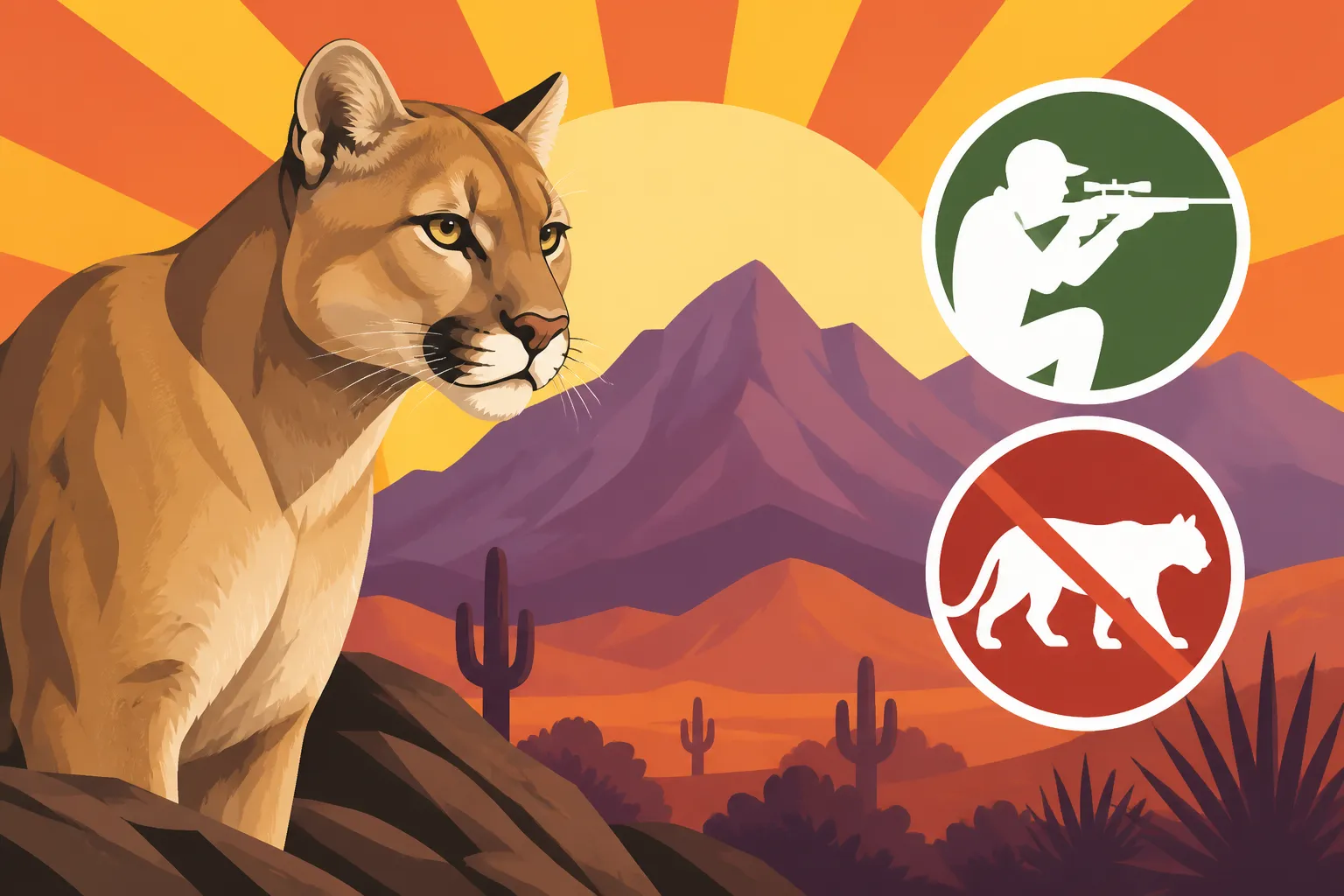
Arizona Mountain Lion Season and Closures
Hunting mountain lions in Arizona isn't like chasing deer or elk with set season dates. It's a unique and often confusing dance with year-round opportunities that can suddenly slam shut without warning, leaving hunters frustrated and scrambling. This guide will walk you through the nuances of Arizona's mountain lion season, explaining how harvest limits dictate closures, what you need to do to stay legal, and how to best prepare for this challenging and rewarding pursuit.
Understanding Arizona's Year-Round Mountain Lion Season
Arizona’s approach to mountain lion hunting is quite distinct from many other big game species. While many hunts have a fixed start and end date, mountain lion season operates on a continuous, year-round framework. However, this "year-round" designation comes with significant, dynamic caveats that every hunter needs to understand if they want to avoid breaking the law. It’s not simply open from January 1st to December 31st; it's a constantly shifting landscape governed by active management.
The Perpetual Season, With a Catch
The idea of a perpetual hunting season might sound like a dream come true for some hunters, offering endless opportunities to pursue these elusive predators. And to a degree, it is. You don't need to worry about a specific opening weekend or missing a narrow window. This continuous season allows for flexibility, letting hunters pursue lions when conditions are best, whether that's during cooler winter months when tracking is easier, or in response to depredation issues. However, the critical "catch" is that this year-round season is strictly managed through unit-specific harvest quotas, particularly for female lions. The Arizona Game and Fish Department (AZGFD) employs this system to ensure healthy, sustainable lion populations across the state. This means that while the calendar might say "open," a specific unit could close at any moment once its quota is met. This fluid situation makes it absolutely essential for hunters to be proactive and informed, rather than just assuming a unit is open.
The Crucial Role of Female Harvest Limits
When we talk about mountain lion management in Arizona, the focus heavily shifts to female harvest limits. Why females, specifically? Well, in wildlife management, the reproductive capacity of a species is paramount to its population stability. Removing too many breeding-age females can have a disproportionately negative impact on future generations, potentially leading to population declines. Therefore, the AZGFD sets specific, unit-by-unit quotas for female mountain lions. These limits are a scientifically determined number designed to allow for recreational hunting while safeguarding the long-term health of the lion population in that particular area. These quotas are not arbitrary; they are based on population estimates, habitat quality, and reproductive rates. As hunters harvest lions, the department meticulously tracks the take of females. Once a unit's female harvest limit is reached, or is projected to be reached very soon, that unit will be closed to mountain lion hunting for the remainder of the season, regardless of how many male lions might still be available. This precise management tool is what keeps the "year-round" season from becoming a free-for-all and ensures conservation. Understanding this mechanism is key to understanding Arizona Mountain Lion Harvest Limits by Unit.
How Harvest Limits Lead to Unit Closures
The process of unit closure is a direct consequence of these female harvest limits. Imagine you’ve been scouting a particular unit in the Coronado National Forest, and conditions finally seem perfect for a lion hunt. You've seen tracks, maybe even some fresh scat. You head out, full of anticipation, only to find out a day or two later that the unit has been closed. This scenario plays out for hunters across Arizona every year because closures can happen with startling speed. The AZGFD maintains a constant vigil on reported harvests. As hunters call in their kills, the department updates its records. When the number of harvested female lions in a specific Game Management Unit approaches its predetermined threshold, the department will issue an emergency closure for that unit. This closure is effective immediately and applies to all hunters within that unit. It’s not uncommon for a unit to be open one morning and closed by afternoon, especially if multiple successful hunts are reported simultaneously. This rapid response is necessary to prevent overharvesting of females, but it places a significant burden of responsibility on hunters to check the status of their chosen unit constantly. Relying on old information or assuming a unit is open because it was last week is a recipe for a very unwelcome conversation with a game warden. This is why tools and consistent checks are so important.
Navigating Unit-Specific Closures and Reporting Requirements
The dynamic nature of Arizona’s mountain lion season means that staying on top of unit status is not just a recommendation; it's a legal imperative. Hunters who fail to do so risk serious penalties, including fines, license revocation, and the confiscation of their harvested animal. Beyond checking closures, the reporting of a harvested lion is equally critical and comes with strict timelines and procedures that must be followed without exception.
Staying Informed About Open Units
Given the real-time nature of mountain lion closures, a hunter's number one priority, even before heading afield, must be to verify the open status of their intended unit. The Arizona Game and Fish Department provides several resources for this:
- AZGFD Website: The department's official website is updated regularly with the current status of all units, indicating which are open, which are closed, and often displaying the current number of females harvested against the quota. This is your primary online resource.
- AZGFD Hotline: For immediate, verified information, AZGFD often provides a dedicated phone number that hunters can call to check unit status before and even during their hunt. This can be especially useful if you are in an area with limited internet access but can still make a phone call.
- Third-Party Apps and Services: In today's digital age, many hunters rely on mapping and hunting information apps. Some, like GoHunt, integrate directly with AZGFD data or provide timely updates on harvest numbers and unit closures. While these can be incredibly convenient, always double-check with official AZGFD sources to confirm. Think of them as excellent tools for a quick check or for E-Scouting an Arizona Unit Before the Season, but the ultimate responsibility rests on the hunter to ensure legality via official channels.
The emphasis here cannot be overstated: it is the hunter's responsibility to know if a unit is open before they pull the trigger. Ignorance of a closure is not a valid defense. Imagine you're deep in the Mazatzal Wilderness, and you've just put the finishing touches on a stalk only to realize, post-harvest, that the unit closed two hours ago. That dream hunt instantly becomes a nightmare. Always check, and if you have any doubt, err on the side of caution.
The Mandatory 48-Hour Reporting Rule
Once a mountain lion is harvested, the clock starts ticking for a mandatory reporting requirement. Arizona law dictates that any hunter who takes a mountain lion must report the kill to the Arizona Game and Fish Department within 48 hours of harvest. This isn't a suggestion; it's a hard-and-fast rule designed to allow the department to manage harvest quotas effectively and to collect vital biological data.
Failing to report within this timeframe can lead to severe penalties, including fines and the loss of your hunting privileges. The method of reporting is typically via telephone to a designated AZGFD office or hotline. During this initial report, you'll provide details like your license number, the unit of harvest, the date and time, and the sex of the animal. This quick information allows the department to update its harvest totals and initiate the process for unit closures if needed. It’s part of a broader set of Mountain Lion Reporting Requirements in Arizona that underscore the seriousness of this game species.
Mandatory Physical Inspection and Tagging
Beyond the initial 48-hour phone report, there's a second, equally important step: the mandatory physical inspection and tagging of the carcass. Within ten days of harvest, every mountain lion taken in Arizona must be physically presented to an AZGFD representative for inspection and official tagging. This is a crucial step for several reasons:
- Verification: The game warden will confirm the species, sex, and ensure the carcass shows no signs of unlawful taking.
- Data Collection: Biologists often collect samples (e.g., teeth for aging, tissue for genetic analysis) that contribute to the ongoing management and research of mountain lion populations.
- Official Tagging: The AZGFD representative will affix a state-issued tag to the hide. This tag is proof of legal harvest and must remain with the hide until it is processed by a taxidermist or tanner. Without this tag, the hide is not legally possessed.
This physical inspection ensures accountability and provides valuable scientific information. It's a reminder that hunting isn't just about the chase; it's about responsible participation in wildlife management. Make sure you transport your animal to the inspection site with all required evidence of sex attached, following rules similar to Carcass Transport Rules After a CWD Detection to maintain legality.
Key Regulations for Arizona Mountain Lion Hunters
Beyond the season structure and reporting, several other regulations are critical for anyone pursuing mountain lions in Arizona. These cover aspects like how many lions you can take, approved hunting methods, and general ethical considerations that contribute to a responsible hunt.
Understanding Multiple Tag Opportunities
One interesting aspect of Arizona's mountain lion hunting regulations is the potential for hunters to acquire and fill multiple tags in some units. Unlike species like elk or deer, where you typically get one tag per species per year (if you're lucky enough to draw), certain Game Management Units in Arizona may allow a hunter to purchase and fill more than one mountain lion tag in a single calendar year. This opportunity exists in areas where lion populations are robust, and managers determine that a higher harvest is sustainable or even beneficial for balancing local ecosystems, especially where lion numbers might impact prey species.
However, these "multiple tag" opportunities are always unit-specific and are still subject to the female harvest limits discussed earlier. Even if you hold two tags for a unit, if that unit closes due to the female quota being met, you cannot legally pursue or harvest another lion there until it reopens in a subsequent season. It's vital to check the current hunting regulations booklet or the AZGFD website for specific details on Multiple Lion Tags in Some Arizona Units to see which units offer this flexibility and what the conditions are. Don't assume that because you have multiple tags, you have unlimited hunting opportunities. Each harvest still triggers the reporting requirements and contributes to the unit's overall limits.
Hound Hunting for Mountain Lions
Hound hunting is a traditional and highly effective method for pursuing mountain lions in Arizona, and it remains a legal and popular practice. Given the elusive nature of lions and the vast, rugged terrain they inhabit, using a trained pack of dogs can significantly increase a hunter's chances of success. The dogs track the lion's scent until it is treed or bayed, at which point the hunter can move in for a shot.
However, hound hunting for lions in Arizona is also subject to specific regulations to ensure ethical conduct and responsible management:
- Dog Training and Equipment: Hunters using hounds must ensure their dogs are properly trained and equipped, often with GPS collars to track their location in dense brush or steep canyons.
- Hunter Presence: The hunter responsible for the dogs must be present during the hunt and capable of managing their pack.
- Fair Chase: Even with hounds, the principles of fair chase apply. Hunters must ensure a clean, ethical shot once the lion is located.
- Closure Rules Apply: Importantly, hound hunters are just as beholden to unit closures and harvest limits as any other hunter. If a unit closes, all hound hunting activities must cease immediately.
Understanding the intricacies of Hunting Lions Behind a Pack of Hounds is crucial for those who choose this method. It requires a significant investment in time, training, and specialized equipment, but it can provide an incredibly immersive and challenging hunting experience.
Ethical Considerations and Best Practices
Hunting mountain lions, often referred to as "ghosts of the forest," comes with a heightened sense of responsibility and ethical consideration. These powerful predators play a vital role in Arizona's ecosystems, and their management relies heavily on respectful hunting practices.
- Target Identification: Always strive for positive identification of your target. While there's no specific size restriction for lions, avoiding very young animals or those accompanied by cubs is generally considered best practice, even if not explicitly prohibited by law. Healthy management often focuses on harvesting older, solitary lions.
- Shot Placement: Due to their tough hide and musculature, shot placement is paramount. A wounded lion can be incredibly dangerous and difficult to recover in rugged terrain. Hunters should be proficient with their chosen firearm and ensure they can make a clean, ethical kill.
- Respect for the Animal: The pursuit of a mountain lion is a profound experience. Treat the animal with respect throughout the process, from the hunt itself to the field dressing and retrieval.
- Physical Preparation: Lion hunting, especially in Arizona's often steep and brushy country, can be incredibly demanding. You might find yourself hiking miles over difficult terrain, sometimes quickly, to catch up to hounds or to approach a treed animal. Physical conditioning is not just about success, it's about safety and ethical retrieval.
- Legal Shooting Hours: Like all big game in Arizona, mountain lions must be hunted within legal shooting hours. These typically run from thirty minutes before sunrise to thirty minutes after sunset. Always be aware of Arizona Legal Shooting Hours for Big Game for your specific hunt date.
By adhering to these ethical considerations and best practices, mountain lion hunters contribute not only to their personal success but also to the continued health and responsible management of Arizona's majestic lion populations.
Planning Your Arizona Mountain Lion Hunt
Embarking on a mountain lion hunt in Arizona requires careful planning and preparation. It's not a casual endeavor, given the elusive nature of the animal, the rugged terrain, and the dynamic regulatory environment. From researching units to selecting appropriate gear, every detail matters.
Scout Your Unit and Know the Numbers
Before you even think about hitting the trail, thorough research and scouting are non-negotiable for a successful and legal mountain lion hunt. This isn't just about finding good habitat; it's about understanding the specific management dynamics of your chosen unit.
- Unit Research: Start by studying Arizona's Game Management Units. Look for areas known to hold healthy lion populations. Resources like the AZGFD website provide harvest statistics and population trends which can indicate where your efforts might be best spent. Pay close attention to previous harvest data, especially the number of female lions taken in recent seasons, as this can give you a clue about how quickly a unit might close.
- Habitat Identification: Mountain lions thrive in varied terrain, from dense chaparral and canyon country to pine forests in higher elevations. They follow their prey, primarily deer and javelina. Identifying areas with good cover, steep terrain, and consistent prey populations is key. Look for features like Water Sources That Concentrate Arizona Desert Game, as these often attract prey and, consequently, predators.
- E-Scouting: Utilize digital mapping tools and satellite imagery, much like you would for E-Scouting an Arizona Unit Before the Season. Identify potential access points, rugged canyons where lions might den or bed, and areas with dense vegetation that provide excellent ambush cover.
- Physical Scouting: Nothing beats boots on the ground. Hike likely areas, looking for tracks, scat, and other sign. Talk to local land managers or other hunters who might have experience in the unit. Remember, however, that lion sign can be subtle and ephemeral.
Knowing the numbers doesn't just refer to harvest statistics; it also means knowing the current status of your unit before every hunt. This continuous vigilance is the hallmark of a responsible mountain lion hunter.
Gear Considerations for Predator Hunting
Hunting mountain lions often means traversing some of Arizona's most challenging landscapes. Your gear needs to be up to the task, supporting you through long stalks, steep climbs, and potentially quick, reactive shots.
- Firearm and Caliber: Most centerfire rifle calibers suitable for deer or elk are appropriate for mountain lions. Accuracy is paramount. A flat-shooting rifle in calibers like .270, .308, 6.5 Creedmoor, or similar will serve you well. Ensure your rifle is zeroed and you're proficient with it. For archers, the same bow draw weight and broadhead requirements for other big game apply, though getting close enough for an ethical bow shot on a lion, especially a treed one, requires extreme caution and precision.
- Optics: High-quality binoculars and a spotting scope are essential for glassing vast landscapes and picking apart dense cover, especially if you're not using hounds. Good low-light performance can be critical during early morning or late evening hunts.
- Footwear: This is perhaps one of the most critical pieces of gear. Arizona's terrain is notoriously rugged, often covered in loose rock, thorny brush, and steep grades. Sturdy, comfortable, and supportive boots designed for rocky, uneven ground are a must. Think about Choosing Boots for Rocky Desert Ground that offer ankle support and a stiff sole.
- Clothing: Layering is key in Arizona's desert and mountain environments, where temperatures can swing wildly. Consider durable, brush-resistant outer layers.
- Navigation: A reliable GPS device or a smartphone with a robust hunting app like GoHunt's mapping features is non-negotiable. Knowing your location, property boundaries, and how to get back to your vehicle is vital in remote country.
- Survival Gear: Always carry essentials like water (more than you think you need), a first-aid kit, fire starter, headlamp, and emergency shelter. Mountain lion hunting often takes you far from any established trails or roads, making self-sufficiency crucial.
- Physical Conditioning: We touched on it earlier, but it deserves emphasis again. Physical Conditioning for a Sky Island Hunt or any rugged Arizona terrain is paramount. Being in good shape means you can hunt harder, longer, and more safely, increasing your chances of success and ensuring an ethical retrieval.
By approaching your Arizona mountain lion hunt with thorough planning and appropriate gear, you'll be well-equipped to face the challenges and embrace the unique rewards of pursuing this magnificent predator.
Arizona Mountain Lion Season at a Glance
To quickly summarize the key elements of hunting mountain lions in Arizona, here's a brief overview:
| Aspect | Detail |
|---|---|
| Season Duration | Year-round, but unit-specific. |
| Closure Triggers | Unit closes when the female harvest limit is met or projected to be met. |
| Hunter Responsibility | Mandatory to check unit status (AZGFD website/hotline) before every hunt. |
| Reporting Harvest | Must report kill to AZGFD within 48 hours of harvest via phone. |
| Carcass Inspection | Must present carcass for physical inspection and official tagging by AZGFD within 10 days of harvest. Tag must remain with hide. |
| Multiple Tags | Some units may allow for purchasing and filling multiple tags, but still subject to unit closures. Refer to specific regulations. |
| Hound Hunting | Legal and popular, but subject to all general hunting regulations and unit closures. |
| Ethical Practices | Focus on positive identification, clean kill shots, avoiding dependent cubs, and respecting the animal and the landscape. |
| Required License | Valid Arizona hunting license and a mountain lion tag. |
Disclaimer
The information provided in this guide is for general informational purposes only and is subject to change. Hunting regulations are complex and can be modified by the Arizona Game and Fish Department at any time. It is the sole responsibility of the hunter to review and understand the most current Arizona Hunting Regulations issued by the AZGFD before participating in any hunting activity. Always confirm season dates, unit boundaries, harvest limits, and reporting requirements with official AZGFD sources.