Why Kaibab Elk Carry a Reputation
Kaibab elk reputation stems from geographic isolation, high elevation, lush forage, and careful wildlife management producing massive trophy bulls.
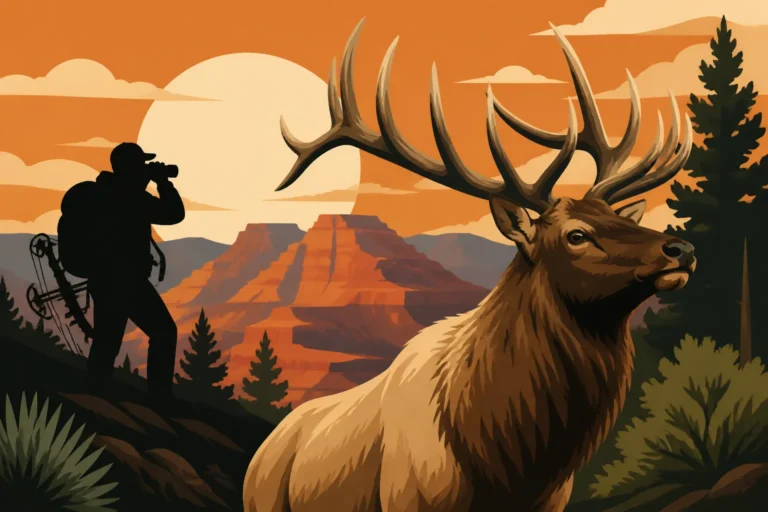
Kaibab elk reputation stems from geographic isolation, high elevation, lush forage, and careful wildlife management producing massive trophy bulls.
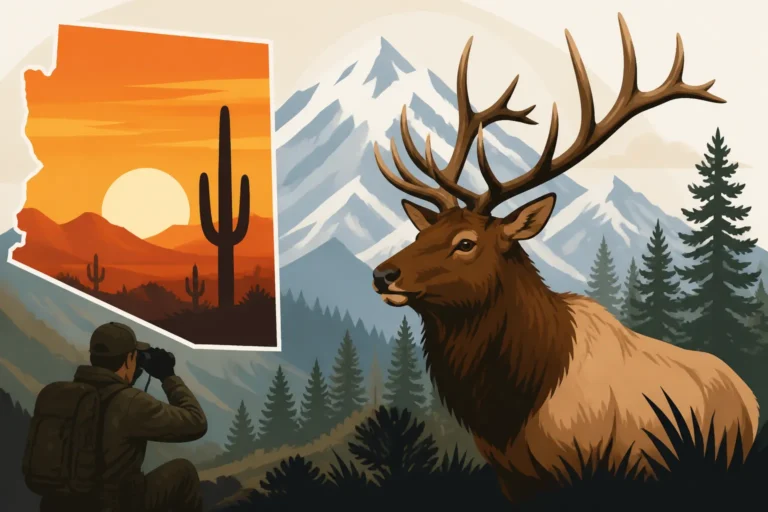
White Mountains elk hunting in Arizona requires understanding rugged terrain, seasonal behavior, and effective scouting strategies.
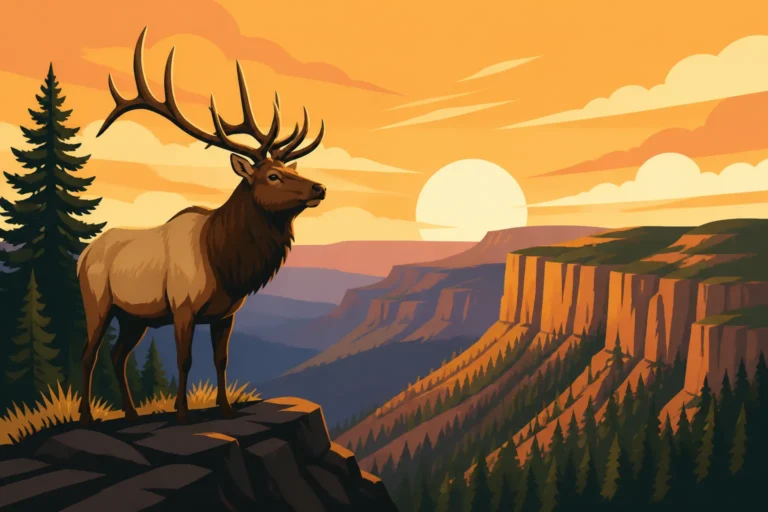
Arizona elk hunting strategies explaining Mogollon Rim elevation changes, vertical movement patterns, and canyon vegetation zones.
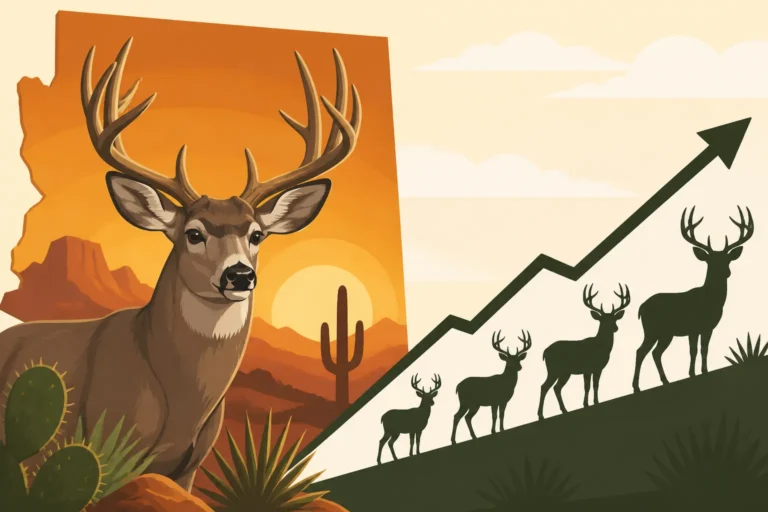
Mule deer population trends across Arizona and the Southwest depend heavily on precipitation, habitat quality, predators, and disease.
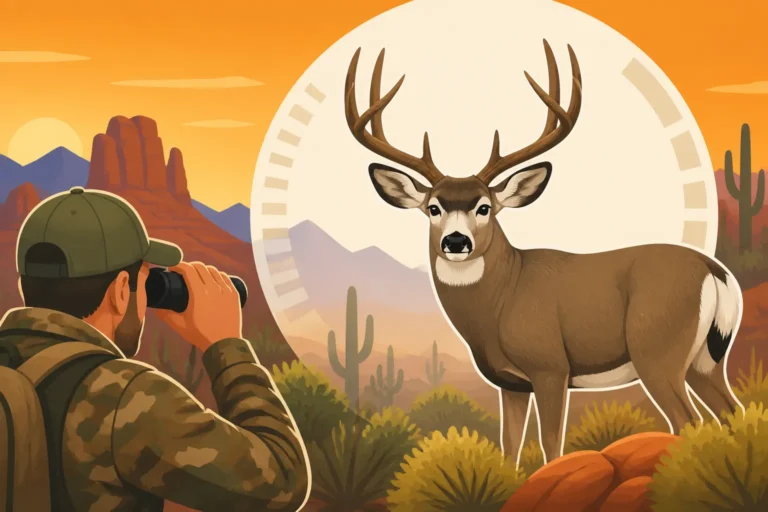
Mule deer antler forking patterns and a 20 to 22 inch ear width help hunters estimate mass, tine length, and spread quickly.
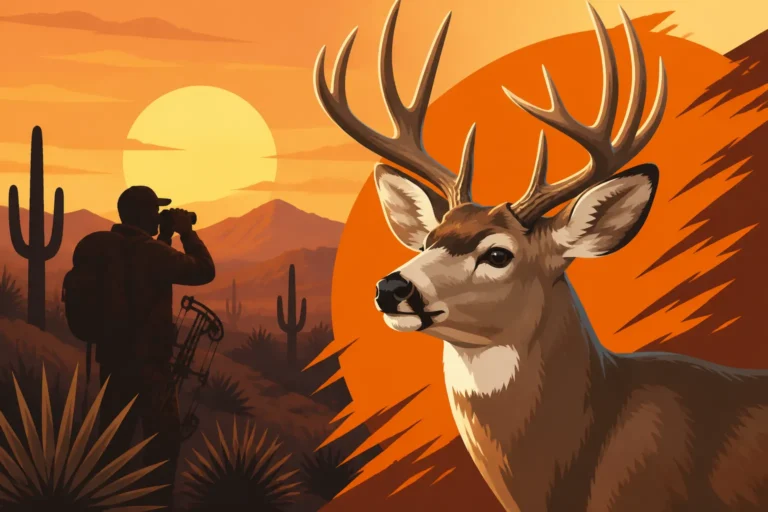
Arizona mule deer rut timing, driven by photoperiod, weather, and nutrition, helps hunters pinpoint peak breeding weeks.
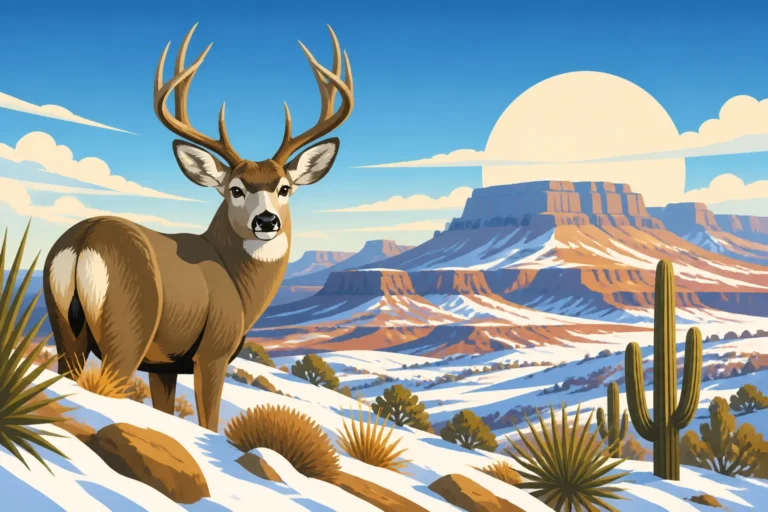
Arizona mule deer migrate from cold high plateaus to lower elevations in winter, seeking accessible food and thermal cover.
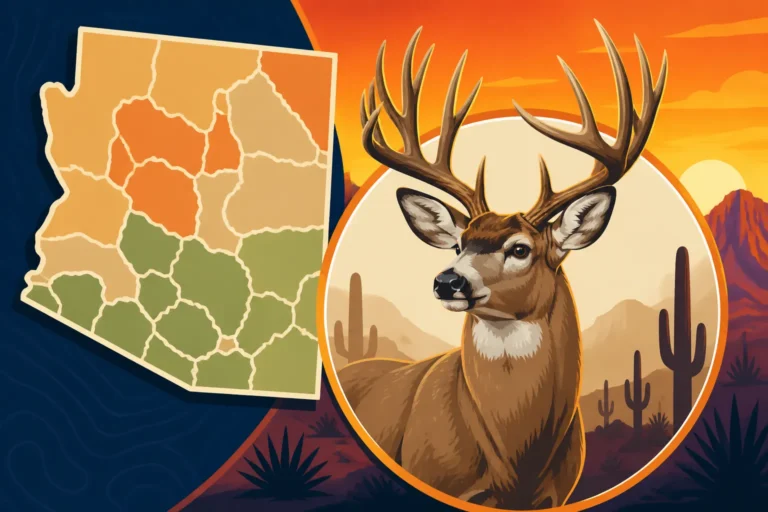
Arizona mule deer hunting units offer trophy bucks, but nonresidents face tough odds under a ten percent permit cap.
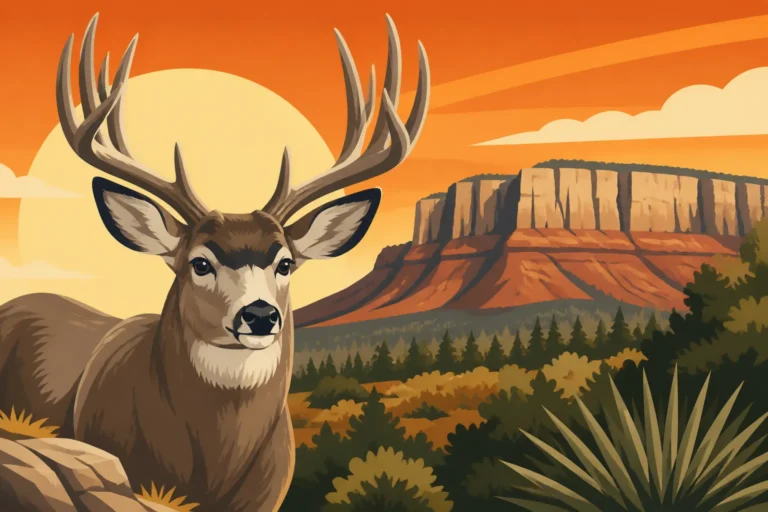
Kaibab Plateau mule deer antler growth and herd quality depend on unique Arizona habitats, historical management, and local genetics.
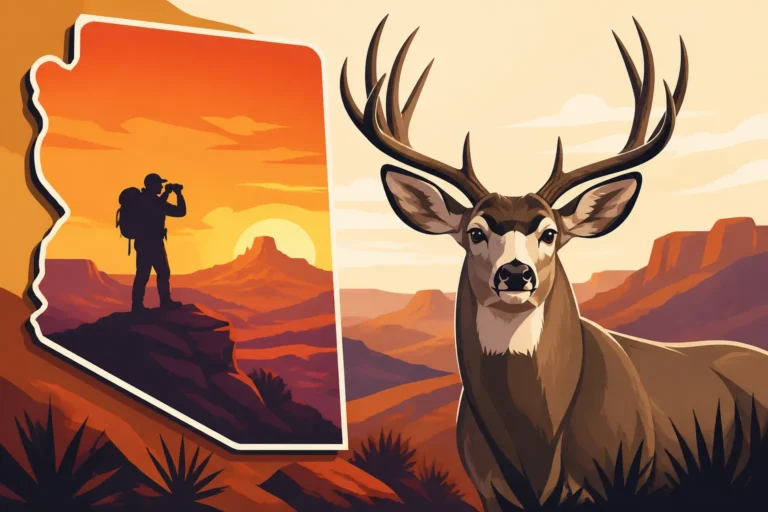
Arizona Strip mule deer feature legendary antler growth driven by low hunting pressure, unique forage, and older age classes.