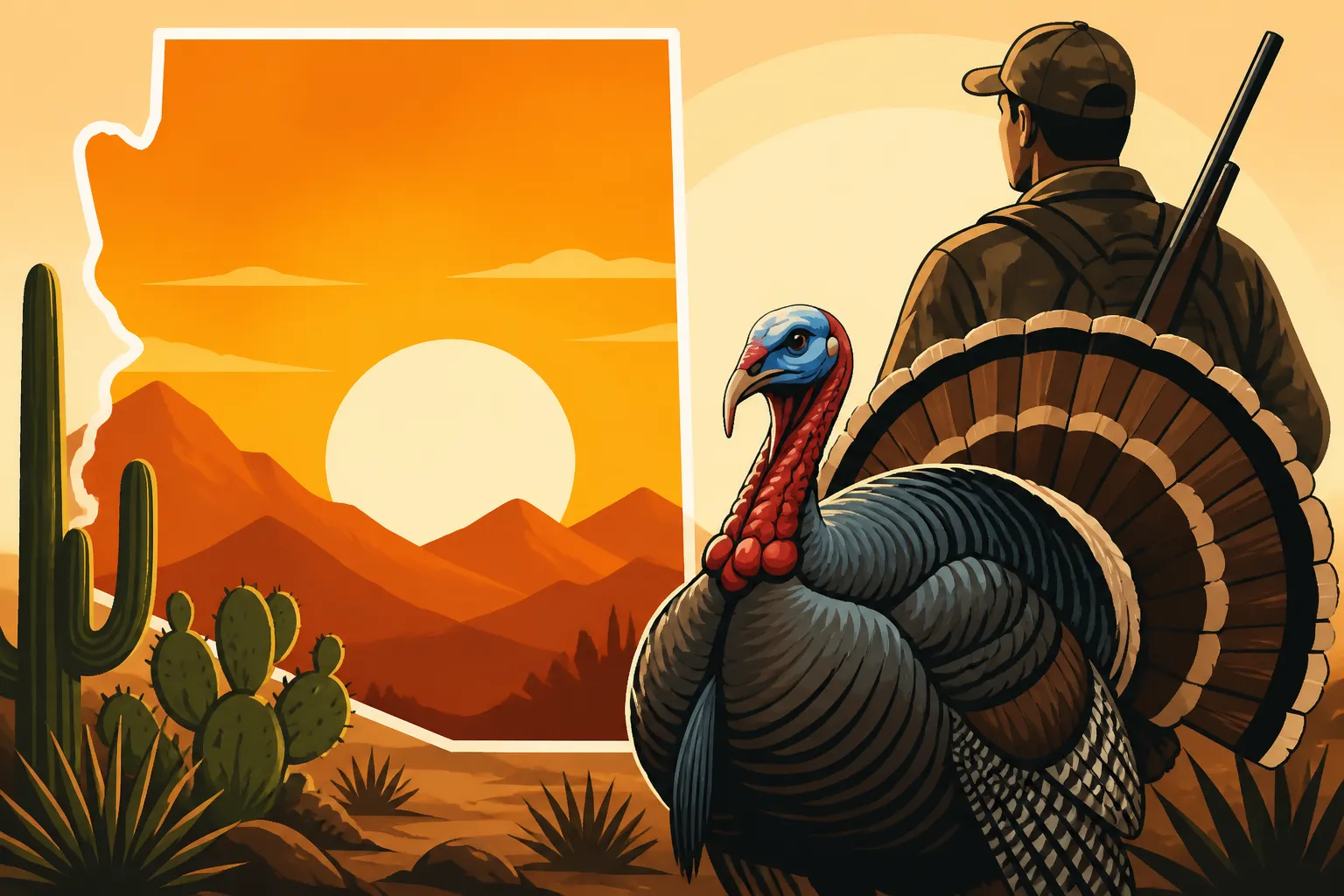
OTC Fall Turkey Tags in Arizona
The crisp air of an Arizona autumn, the rustling of leaves underfoot, and the distinct call of a wild turkey can paint a picture of an incredible hunting experience. However, the world of over-the-counter (OTC) fall turkey tags in Arizona can be confusing, leaving many hunters wondering where to start, what's required, and how to actually find these elusive birds. This comprehensive guide will walk you through everything you need to know to pursue Arizona's fall turkeys, from understanding the tag system to effective hunting strategies.
Understanding Arizona's Fall Turkey Landscape
Arizona offers a unique backdrop for turkey hunting, a far cry from the dense Eastern woods some hunters might be used to. The fall season, in particular, presents a different challenge and reward compared to the more vocal and courtship-driven spring hunts.
The Allure of Fall Turkey Hunting in Arizona
Fall turkey hunting in Arizona carries a distinct charm and a different set of challenges than the more popular spring gobbler pursuits. Unlike spring, where the focus is often on aggressive calling to attract strutting toms, fall hunting revolves around locating flocks and understanding their post-breeding behavior. This often means less calling and more scouting, tracking, and understanding food sources. The dominant species for OTC fall hunts in Arizona is the Merriam's turkey, known for its striking white-tipped tail feathers and preference for higher elevation pine and mixed-conifer forests. These birds are truly magnificent, thriving in the Ponderosa pine belts and oak woodlands that define much of central and northern Arizona's high country.
Imagine hiking through the cooler temperatures of an October morning, the scent of pine needles and damp earth filling the air. You're not just waiting for a gobble; you're actively searching for signs of a flock – tracks in the dust, fresh droppings near a water source, or the subtle clucks and purrs as they move through the timber. This type of hunting demands patience, keen observation, and a good understanding of turkey ecology. It's a game of chess, not checkers, requiring you to anticipate their movements rather than simply reacting to a call.
OTC vs. Draw Tags: The Crucial Distinction
In Arizona, turkey tags can come in two main forms: those acquired through a draw and those available over-the-counter (OTC). The distinction is critical for any hunter planning their season. Draw tags are for specific, often more limited, hunts or for particular species like the Gould's turkey, which is typically found in smaller, more remote mountain ranges in the southern part of the state and managed very conservatively. These hunts usually have specific application periods, and you apply for them with the hope of drawing a tag from a limited quota. Many experienced hunters use resources like GoHunt to analyze draw odds and strategize their applications for these more sought-after opportunities.
However, for fall Merriam's turkey, Arizona often provides OTC tags. This means you don't have to go through the draw system. If tags are available, you can simply purchase one directly from the Arizona Game and Fish Department (AZGFD) or a licensed vendor. This flexibility is a huge advantage for hunters who might miss application deadlines, prefer a less complicated process, or want to make a spontaneous decision to hit the woods. The availability of these tags allows for greater accessibility, but it's still essential to understand when they become available and any specific unit restrictions. Always double-check the current year's hunt regulations booklet, as rules and availability can change.
Navigating OTC Fall Turkey Tags in Arizona
Securing your fall turkey tag is relatively straightforward, but understanding the steps, costs, and key dates is vital to avoid any last-minute snags. Let's break down the practical aspects of getting your foot in the door for an Arizona fall turkey hunt.
Eligibility and License Requirements
Before you can even think about purchasing an OTC fall turkey tag, you'll need a valid Arizona hunting license. This license is your fundamental pass to hunt any game in the state, whether resident or nonresident. For Arizona residents, the license is typically more affordable, a small perk for those of us who call this beautiful state home. Nonresidents will pay a higher fee, which is standard across most states, but it still grants you access to incredible hunting opportunities. Make sure your license is current and covers the period you intend to hunt.
Age also plays a role in eligibility. If you're a young hunter under the age of 14, Arizona has specific hunter education requirements. You'll need to complete an approved course before you can legally hunt big game, which includes turkeys. This is a crucial step not just for compliance but for safety and ethical hunting practices. For those curious about the specifics, a great resource is the article on Hunter Education Is Required Under 14 in Arizona, which outlines everything parents and young hunters need to know. Ensuring all hunters in your party meet these foundational requirements is the first step toward a successful and legal hunt.
Purchasing Your OTC Fall Turkey Tag
Once you have your hunting license in hand, getting your OTC fall turkey tag is the next step. These tags are typically available for purchase a few months before the season opens, often in the late summer or early fall. You can usually buy them directly from the Arizona Game and Fish Department's online portal, through their regional offices, or from various licensed vendors across the state, such as sporting goods stores. The convenience of online purchase means you can secure your tag from the comfort of your home, ensuring you're ready when the season arrives.
The cost of an OTC fall turkey tag is separate from your general hunting license fee. For residents, it's usually a modest price, while nonresidents will pay a bit more, aligning with the general fee structure for Arizona tags. While platforms like GoHunt are fantastic for analyzing draw odds for limited-entry hunts, for OTC turkey, their primary benefit would be helping you stay informed about regulations or specific unit availability if any changes occur. Always remember to attach your tag immediately and properly to your harvested turkey, as per AZGFD regulations, to ensure compliance. It's a small but critical detail that can save you a lot of grief.
Season Dates and Bag Limits for Fall Turkey
Understanding the specific season dates and bag limits is non-negotiable for a legal and ethical hunt. Arizona's fall turkey seasons typically run from mid-October through early January, offering a generous window of opportunity. This extended period allows hunters to take advantage of various weather patterns and turkey behaviors as the season progresses from warmer autumn days into the colder winter months. However, it's not a single, continuous season. There are often separate "general" firearms seasons and "archery-only" seasons, each with its own start and end dates. For detailed information on these timings, you'll want to check the article titled Arizona Turkey Season Windows to get the most accurate dates for the current year.
The bag limit for fall turkey in Arizona is generally one turkey per calendar year. This means that if you harvest a turkey during the fall season, your turkey tag for that year is filled. It's important to differentiate this from spring turkey hunting, where specific limits apply per spring season. Fall hunts are usually focused on either sex, rather than just gobblers, although hunters often prefer to harvest a tom if given the choice. Always confirm these details in the official Arizona Game and Fish Department regulations booklet for the current year, as regulations can sometimes be adjusted based on population data and management objectives. Keeping up-to-date with the latest information is paramount to a successful and compliant hunt.
Where to Hunt Arizona's Fall Turkeys
Arizona's diverse landscape offers numerous opportunities for fall turkey hunting, particularly for the Merriam's subspecies. Knowing where to focus your efforts can make all the difference in locating these magnificent birds.
Identifying Prime Turkey Habitat
When it comes to finding fall turkeys in Arizona, habitat is king. Merriam's turkeys thrive in the state's higher elevation forests, particularly those dominated by Ponderosa pine, mixed conifer, and oak woodlands. These areas provide the food, cover, and water sources essential for their survival. Key regions to consider include the vast expanses of the Mogollon Rim, stretching across central Arizona, the White Mountains in the eastern part of the state, and parts of the Kaibab Plateau further north. Units within the Coconino, Apache-Sitgreaves, Tonto, and Kaibab National Forests often hold strong turkey populations. For more insight into these iconic hunting grounds, consider reading The Mogollon Rim as Arizona Elk Country, as many elk units also share prime turkey habitat.
In the fall, turkeys often form larger flocks, and their behavior shifts from breeding to foraging. They'll be focused on food sources like acorns, pine nuts, grasshoppers, and various berries. Look for areas with a good mast crop from oak trees, especially during the early to mid-fall. Identifying roosting areas, often tall pines or junipers overlooking a canyon or drainage, is also critical. These locations provide safety from predators overnight. Scouting tools, including satellite imagery and topographic maps, are invaluable for pinpointing these potential turkey hangouts on public land. E-scouting can save you countless hours of boots-on-the-ground searching, helping you focus your efforts on the most promising terrain.
Public Land Access and Regulations
Arizona is blessed with millions of acres of public land, providing ample opportunities for fall turkey hunters. The majority of prime turkey habitat falls within National Forests and Bureau of Land Management (BLM) lands. These lands are generally open to hunting without additional permits beyond your state hunting license, making them highly accessible. However, it's crucial to understand the nuances of these public lands. For instance, while much of the state is public, Arizona also has extensive State Trust Land. To hunt on State Trust Land, your hunting license usually acts as your permit, but it's always wise to confirm, as explained in Arizona State Trust Land Needs a Permit, and Your License Counts.
Access to these public lands can vary. Forest Service roads provide entry into many areas, but some might be subject to seasonal closures, especially as winter approaches or during heavy monsoon rains. Understanding these closures is key to planning your hunt, and checking resources like Seasonal Road Closures Across Arizona Forests can prevent you from running into unexpected barriers. Always be mindful of wilderness areas, where motorized vehicle use is prohibited, requiring foot or horseback travel. Additionally, always respect private property boundaries; trespassing is illegal and can damage the reputation of hunters. Using mapping apps with land ownership layers, such as those provided by GoHunt or onX, can be incredibly helpful in navigating these boundaries and ensuring you stay on public ground.
Effective Fall Turkey Hunting Strategies in Arizona
Fall turkey hunting isn't just a repeat of spring tactics. It demands a different approach, a keen understanding of flock dynamics, and a strategy focused on food, cover, and patience.
Key Differences from Spring Hunting
The biggest mistake a fall turkey hunter can make is trying to replicate spring tactics. In spring, gobblers are vocal and focused on breeding, making aggressive calling highly effective. In the fall, after the breeding season is over, turkeys often form larger, mixed-sex flocks and become much less vocal. Their primary drive shifts to finding food and staying safe. You'll hear fewer booming gobblers and more subtle clucks, purrs, and yelps as the flock communicates. This means your calling strategy needs to change dramatically. Instead of trying to pull a single gobbler to your setup, you're often trying to break up a flock and then call individual birds back in, mimicking a lost bird.
This shift in behavior means still hunting and ambush tactics become far more productive than simply setting up and calling. You'll spend more time quietly moving through the woods, looking for fresh sign, listening for subtle vocalizations, and trying to locate the flock. Once a flock is located, the goal might be to stealthily get ahead of them or to flush them, then set up and call them back in using more subdued, desperate-sounding calls. It's a more physically demanding hunt, often covering more ground and requiring a more strategic mind than the stationary waiting game of many spring hunts. Understanding these fundamental differences is crucial for any aspiring fall turkey hunter.
Essential Gear and Scouting Tips
Success in Arizona's fall turkey woods often boils down to preparation and keen observation. Beyond your weapon of choice – whether it's a shotgun, bow, or muzzleloader – a few essential gear items can significantly increase your odds. Good optics are paramount; a quality pair of binoculars (10×42 or 10×50) will help you pick apart distant hillsides for turkeys feeding or spot subtle movements in thick cover. Comfortable, durable hiking boots are also a must, as you'll likely be covering many miles across varied terrain, from rocky slopes to dense timber. Full camouflage, including face mask and gloves, is important for breaking up your human outline, as fall turkeys are incredibly wary.
Scouting is where your hunt truly begins. Pre-season scouting, even a few weeks before the opener, can provide invaluable intelligence. Look for fresh turkey sign: tracks in dusty roads or trails, droppings, and scattered feathers. Focus your efforts around water sources, feeding areas (especially oak flats for acorns), and potential roosting sites, usually large, mature trees on ridges or overlooking drainages. Learning to identify and interpret these signs is a skill that develops with practice. Utilizing tools for e-scouting an Arizona unit before the season starts can help you pinpoint these areas on a map, saving you precious hunting time. Don't underestimate the power of simply listening at dawn and dusk for their subtle tree calls as they fly down or fly up to roost; it's a critical clue to their location.
Ethical Considerations and Reporting
Ethical hunting practices are just as vital during the fall turkey season as any other hunt. This includes ensuring clean, humane shots and making responsible decisions in the field. Unlike spring where males are easily identified by their visible beards, distinguishing between male and female turkeys in the fall can be more challenging, especially at a distance. If you're targeting a tom, you'll need to be certain of its sex before taking a shot, often looking for a visible beard (though some hens do have short beards) or the larger size and spurs. Always ensure you have a clear shot at the vitals and avoid shots that might only wound the bird.
Once you've successfully harvested a turkey, several responsibilities kick in immediately. The first is to validate and attach your tag to the bird, ensuring it's securely affixed as per Arizona Game and Fish Department requirements. This is a legal mandate that helps the department manage wildlife populations. Furthermore, Arizona has mandatory reporting requirements for big game harvests, including turkey. You'll need to report your harvest to the AZGFD within a specified timeframe, often online or via phone. This crucial step provides biologists with data vital for understanding population health and setting future seasons. For a deeper dive into this process, check out Mandatory Reporting After an Arizona Harvest. Adhering to these ethical and legal duties ensures the longevity of Arizona's hunting traditions for everyone.
Spring vs. Fall Turkey Hunting in Arizona
To summarize the key differences and help you prepare, here's a comparison table:
| Feature | Spring Turkey Hunting | Fall Turkey Hunting |
|---|---|---|
| Primary Goal | Call in breeding gobblers | Locate flocks, pattern movements, break up and call in |
| Key Behavior | Gobbling, strutting, breeding activity | Foraging, flocking, less vocal |
| Calling Focus | Aggressive gobbler calls, hen yelps | Soft clucks, purrs, assembly yelps (lost bird) |
| Tactics | Stationary calling, decoy use | Still hunting, ambushing, flushing and calling |
| Target | Usually gobblers/toms only | Often either sex, though hunters prefer toms |
| Habitat Focus | Roosting areas, travel corridors for breeding | Food sources (acorns, berries), water, roosts |
| Season Dates | Typically late April to late May | Mid-October to early January (specific dates vary) |
| Bag Limit | Specific to spring season (e.g., one or two gobblers) | Generally one turkey per calendar year |
Disclaimer
Please remember that hunting regulations and season dates can change. Always consult the most current official Arizona Game and Fish Department regulations booklet before planning any hunt. This guide is for informational purposes only and should not be considered a substitute for official state regulations.