Tonto National Forest Hunting Access
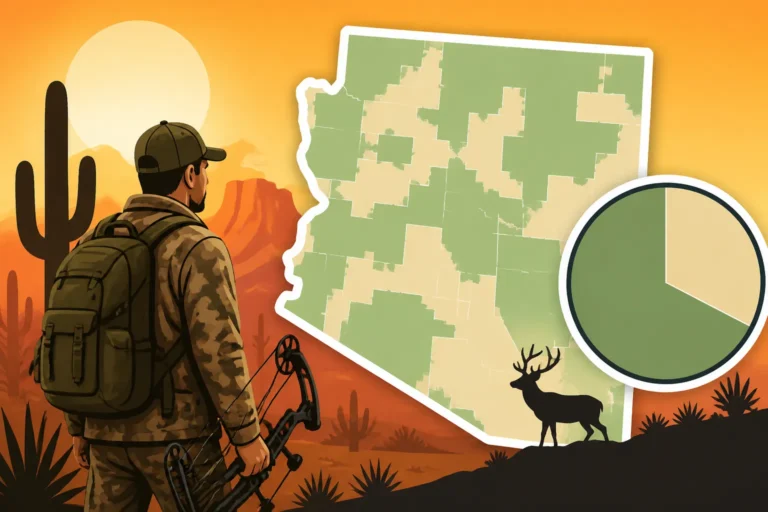
It can feel incredibly daunting, can't it? You get that dream tag for an Arizona hunt, or you're just planning an over-the-counter archery deer adventure, and then you look at the map of the Tonto National Forest and it stretches out, vast and intimidating. The sheer scale of it, combined with the checkerboard of land ownership and seasonal road closures, can make you wonder where you're even allowed to hunt, let alone where the game actually is. This guide is here to untangle the complexities of accessing hunting opportunities within the Tonto National Forest, giving you the practical know-how to turn that vastness into opportunity.
Understanding the Tonto National Forest's Unique Landscape for Hunters
The Tonto National Forest isn't just a big chunk of dirt; it's a dynamic, incredibly diverse ecosystem that presents both challenges and fantastic rewards for the prepared hunter. It spans an enormous area, encompassing everything from saguaro-studded Sonoran Desert floor to juniper-pinyon breaks, chaparral ridges, and even stands of Ponderosa pine at its higher elevations. This isn't your typical homogenous forest.
The Sheer Scale and Diverse Terrain of the Tonto
Imagine trying to navigate an area roughly the size of Connecticut, but instead of towns and highways, it's mostly rugged mountains, deep canyons, and sprawling desert flats. That's the Tonto National Forest. This vastness means that simply driving through might give you a sense of its size, but it doesn't convey the intricate topography that defines hunting opportunities. You could be glassing for javelina in the desert flats south of Roosevelt Lake one day, and the next you might be hiking through dense chaparral in search of coues deer, or even climbing into higher elevation pines looking for elk. This diverse landscape directly impacts where game lives, how they move, and, crucially, how you'll need to approach your hunt. Many hunters, myself included, have spent hours driving forest roads only to realize the "easy" access quickly gives way to impassable washes or dense brush. It's a place that demands respect for its wild nature.
Key Game Species Found Within the Tonto
Given its incredible range of habitats, the Tonto National Forest supports a wide array of big game and small game species. For many, the draw is the chance at one of Arizona's iconic big game animals. You'll find mule deer scattered throughout the forest, often favoring the more open, broken country. Coues deer, known for their elusive nature and keen senses, inhabit the brushier, rugged mountain ranges, particularly in the southern and eastern portions of the forest. Coues Deer Are Arizona's Signature Whitetail is a great resource if you're targeting these "gray ghosts." Elk populations are strong in the higher elevations, especially along the northern edges that blend into the Mogollon Rim country. Arizona Elk on the Rim, White Mountains and Kaibab highlights some of these areas.
Then there's javelina, often considered Arizona's most accessible big game, which thrive in the desert and chaparral zones throughout the Tonto. Javelina Is Arizona's Most Accessible Big Game offers more insight into these fascinating critters. Black bear and mountain lion also roam the Tonto, though they are typically more elusive and often hunted on a harvest quota system. Turkey can be found in the timbered areas, particularly Merriam's, adding another exciting option for hunters. Small game, from quail to cottontails, are also abundant, making the Tonto a year-round hunting destination if you know where to look. It's a place where you can truly tailor your hunt to your preferred species and challenge level, as long as you put in the necessary scouting time.
Navigating Access: Roads, Trails, and Restrictions in the Tonto
The Tonto National Forest is largely public land, which is fantastic for hunters. However, "public land" doesn't mean "access anywhere." Understanding how to legally and effectively get into your hunting grounds is paramount. The Tonto, like other National Forests, operates under specific guidelines regarding vehicle use, and it's easy to inadvertently break a rule if you're not paying attention.
Motorized Vehicle Access and MVUMs
One of the biggest frustrations for hunters new to the Tonto is figuring out which roads are open and where they can drive. The cornerstone of motorized vehicle access on National Forests is the Motor Vehicle Use Map, or MVUM. These maps are legally enforceable documents that show all roads, trails, and areas open to motorized public travel. They clearly designate routes as open year-round, open seasonally, or permanently closed. I cannot stress this enough: you must have an MVUM for the area you plan to hunt. Relying on a general road map or even GPS without an MVUM overlay can lead to trespassing or, worse, significant fines for driving on closed roads or off-roading. Motor Vehicle Use Maps for Forest Ground are your bible here.
For a long time, these were paper maps you had to request, but now, apps like onX Hunt have integrated MVUM layers directly into their platforms. This allows you to see your exact location relative to open and closed roads in real-time, which is a game-changer. Driving past a "road closed" sign or an old two-track that looks inviting but isn't on the MVUM can be an expensive mistake. Seasonal closures are especially common at higher elevations during winter or during periods of high fire danger, so always check the current conditions before heading out.
Hiking, Packing, and Wilderness Areas
For those willing to put in the effort, foot access opens up vast tracts of the Tonto that are simply unreachable by vehicle. This is often where you'll find less pressured animals and truly wild experiences. However, hiking into the Tonto's rugged interior requires a serious commitment to physical fitness and preparation. The terrain can be brutal, with steep canyons, thick chaparral, and unforgiving rock. Planning your routes carefully, especially considering water sources and escape routes, is critical.
The Tonto is also home to several designated wilderness areas, such as the Mazatzal and Superstition Wilderness Areas. These areas are managed differently, with stricter regulations designed to preserve their pristine nature. In wilderness areas, mechanized and motorized travel is strictly prohibited. This means no ATVs, no dirt bikes, and no mountain bikes – not even game carts. It's strictly foot or horseback. Wilderness Rules Inside Arizona Forests explains this further. While these areas offer unparalleled solitude and some incredible hunting opportunities, they demand a hunter who is fully self-reliant and prepared for a true backcountry experience. Packing out an elk from the depths of the Mazatzal Wilderness, for example, is not for the faint of heart.
Seasonal Considerations and Weather Impacts
Arizona's weather patterns have a significant impact on Tonto National Forest access. The summer monsoon season, typically July through September, brings intense thunderstorms that can quickly turn dry washes into raging rivers and make unpaved roads impassable. I've personally been stuck miles from pavement, waiting for a wash to recede after an unexpected downpour. Monsoon Road Conditions in Rim Country is a topic every Tonto hunter should understand. These storms can also cause rockslides and create deep ruts, further complicating vehicle access.
Conversely, winter brings snow to the higher elevations, often leading to seasonal road closures. While some roads might be gated for the season, others simply become impassable due to snow and ice. This can force hunters to adjust their plans, either targeting lower elevation areas or being prepared for a significant hike into snow-covered country. Always check the Forest Service website for current road conditions and closures before heading out, especially during the shoulder seasons when weather can be unpredictable. Being flexible with your hunt dates and target areas can save you a lot of headache.
Planning Your Hunt: Maps, Water, and Respecting Boundaries
Effective planning is the difference between a successful hunt and a frustrating, even dangerous, experience in the Tonto. This isn't the kind of place you can just "wing it." From understanding the lay of the land to knowing exactly where you stand, good maps and awareness of your surroundings are non-negotiable.
Essential Mapping Tools for the Tonto Hunter
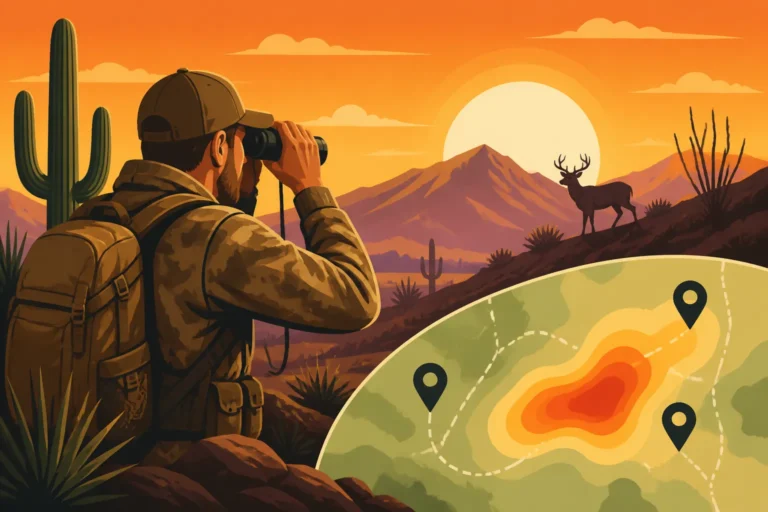
Gone are the days when a crumpled paper map was your only guide (though a physical backup is still highly recommended!). Today, digital mapping apps have revolutionized how we scout and navigate the Tonto National Forest. Brands like onX Hunt and GoHunt provide invaluable layers that show public vs. private land, unit boundaries, topography, and even historical satellite imagery, allowing you to e-scout from your couch. You can drop waypoints for potential glassing points, water sources, or game trails, and then navigate directly to them in the field. These apps can be truly indispensable for understanding the vast and complex terrain of the Tonto.
However, even with the best digital tools, it’s vital to know how to interpret what you're seeing. A flat screen can't fully convey the steepness of a canyon or the density of a chaparral thicket. Always supplement your digital scouting with physical maps and, ideally, boots on the ground reconnaissance. Learning to read contour lines and identify potential pinch points or travel corridors from a map is a skill that pays dividends.
Water Sources and Wildlife Behavior
In Arizona's arid environment, water is life, and that's especially true for the wildlife in the Tonto National Forest. Locating reliable water sources is often the key to finding game. These can range from natural springs and seasonal seeps in canyons to man-made stock tanks and guzzlers installed by wildlife agencies. In many desert and chaparral areas of the Tonto, game animals will be concentrated around these water points, particularly during hotter periods or dry spells.
Using your mapping tools to identify these features is a crucial part of scouting. Finding Stock Tanks on a Unit Map can give you a head start. Remember, however, that while water attracts game, it also attracts other hunters. Ethical considerations around water sources are paramount. Don't set up camp right on top of a small spring, and always be mindful of your presence to avoid deterring animals from their essential watering spots. Observing game trails leading to and from water can also provide invaluable clues about their movement patterns.
Identifying and Respecting Private Land and Tribal Boundaries
One of the most critical aspects of hunting the Tonto National Forest is understanding land ownership. While the forest is primarily public, it's not a monolithic block. You'll often find private inholdings, state trust land, and even tribal reservation boundaries interspersed throughout the public domain. Accidentally trespassing onto private land is not only illegal but can give all hunters a bad name. The same goes for tribal lands, which have their own specific hunting regulations and permit systems entirely separate from the state.
This is where detailed land ownership layers on mapping apps like onX Hunt become absolutely essential. They clearly delineate public, private, state, and tribal lands, often showing property owner names for private parcels. Reading a Land Ownership Layer Correctly is a skill you must develop. Always give yourself a buffer, especially if you're near a boundary line, and if you're unsure, assume it's private or tribal and don't cross it. Tribal Land Boundaries Arizona Hunters Must Respect is another critical read, as hunting on reservation land without the correct permits can have serious consequences. Always double-check before you step foot on any land you're unsure about.
Practical Considerations for Hunting the Tonto
Beyond the maps and terrain, there are several practical elements that every hunter should consider before heading into the Tonto National Forest. These are the details that ensure your hunt is not only successful but also safe and responsible.
Permits and Regulations Beyond Your Tag
For the most part, your Arizona hunting license and species-specific tag (if applicable) are what you need to legally hunt within the Tonto National Forest. You don't typically need a separate "forest permit" for general hunting access. However, it's always crucial to stay informed about any specific regulations that might apply to your chosen unit or species. This includes legal shooting hours, specific weapon restrictions for certain seasons, and blaze orange requirements for certain general hunts.
Always, always consult the current Arizona Game and Fish Department (AZGFD) hunting regulations booklet. These are updated annually and are the definitive source for all legal requirements. Ignoring a regulation, even unknowingly, can lead to fines or loss of hunting privileges. The Tonto is a big place, and regulations are there for a reason – to manage wildlife populations and ensure safety for everyone enjoying the outdoors.
Safety and Preparedness in Rugged Terrain
The Tonto National Forest, while beautiful, is a wild and often unforgiving place. Safety should always be your top priority. Dehydration is a constant threat, especially during early seasons or in lower elevations. Water You Must Carry on a Day Hunt cannot be overemphasized. I always recommend carrying more water than you think you'll need, plus a reliable water filter. Other essentials include a comprehensive first-aid kit, fire-starting materials, a headlamp, and reliable communication (a satellite messenger or personal locator beacon is highly recommended, as cell service is spotty at best).
Wildlife encounters are also a factor. Snake Awareness on an August Archery Hunt is vital in the Tonto, as venomous snakes like rattlesnakes are common. Knowing how to identify them and what to do if you encounter one can prevent a serious incident. Heat Management on an Arizona Early Season Hunt is another key concern; early season hunts can expose you to triple-digit temperatures, making it easy to succumb to heat exhaustion or stroke if you're not careful. Always tell someone where you're going and when you expect to return.
Ethical Hunting Practices and Leave No Trace
As hunters, we are stewards of the land and its wildlife. Practicing ethical hunting and "Leave No Trace" principles in the Tonto National Forest is crucial for preserving access and the integrity of the wild spaces we cherish. This means packing out everything you pack in – and then some. Leave no trash, spent casings, or food wrappers behind.
Proper field dressing and meat care are also essential, especially in warmer temperatures. Be prepared to cool your game meat quickly to prevent spoilage. When retrieving game, try to minimize your impact on vegetation and terrain. Respect other users of the forest, whether they are hikers, campers, or other hunters. By demonstrating responsible and ethical behavior, we ensure that hunting opportunities in magnificent places like the Tonto National Forest will be available for future generations.
| Game Species | Typical Tonto Habitat | Elevations (Approximate) | Hunting Approach |
|---|---|---|---|
| Javelina | Sonoran Desert, Chaparral, Washes | 1,500 – 4,500 ft | Spot & Stalk, Still Hunting, Calling |
| Coues Deer | Rugged Mountains, Chaparral, Oaks | 3,000 – 6,000 ft | Glassing, Spot & Stalk |
| Mule Deer | Broken Deseret, Juniper-Pinyon | 2,500 – 6,000 ft | Glassing, Spot & Stalk |
| Elk | Ponderosa Pine, Mixed Conifer | 5,000 – 7,500+ ft | Calling, Spot & Stalk, Still Hunting |
| Black Bear | Canyon Bottoms, Riparian Areas, Timber | 4,000 – 7,000 ft | Spot & Stalk (Glassing), Baited (if legal) |
| Turkey (Merriam's) | Ponderosa Pine, Oak Woodlands | 4,500 – 7,000 ft | Calling, Roosting |
The Tonto National Forest is an incredible resource for Arizona hunters, offering a vast and varied landscape teeming with game. It demands respect, preparation, and a deep understanding of its unique challenges. But for those willing to put in the effort, the rewards of a successful hunt in this iconic Arizona landscape are truly unparalleled.
Disclaimer
This article is for general informational purposes only and does not constitute professional advice. Laws, prices and regulations vary by location and change over time. Consult a qualified professional for guidance on your specific situation.