The Galiuro Mountains for Coues Hunters
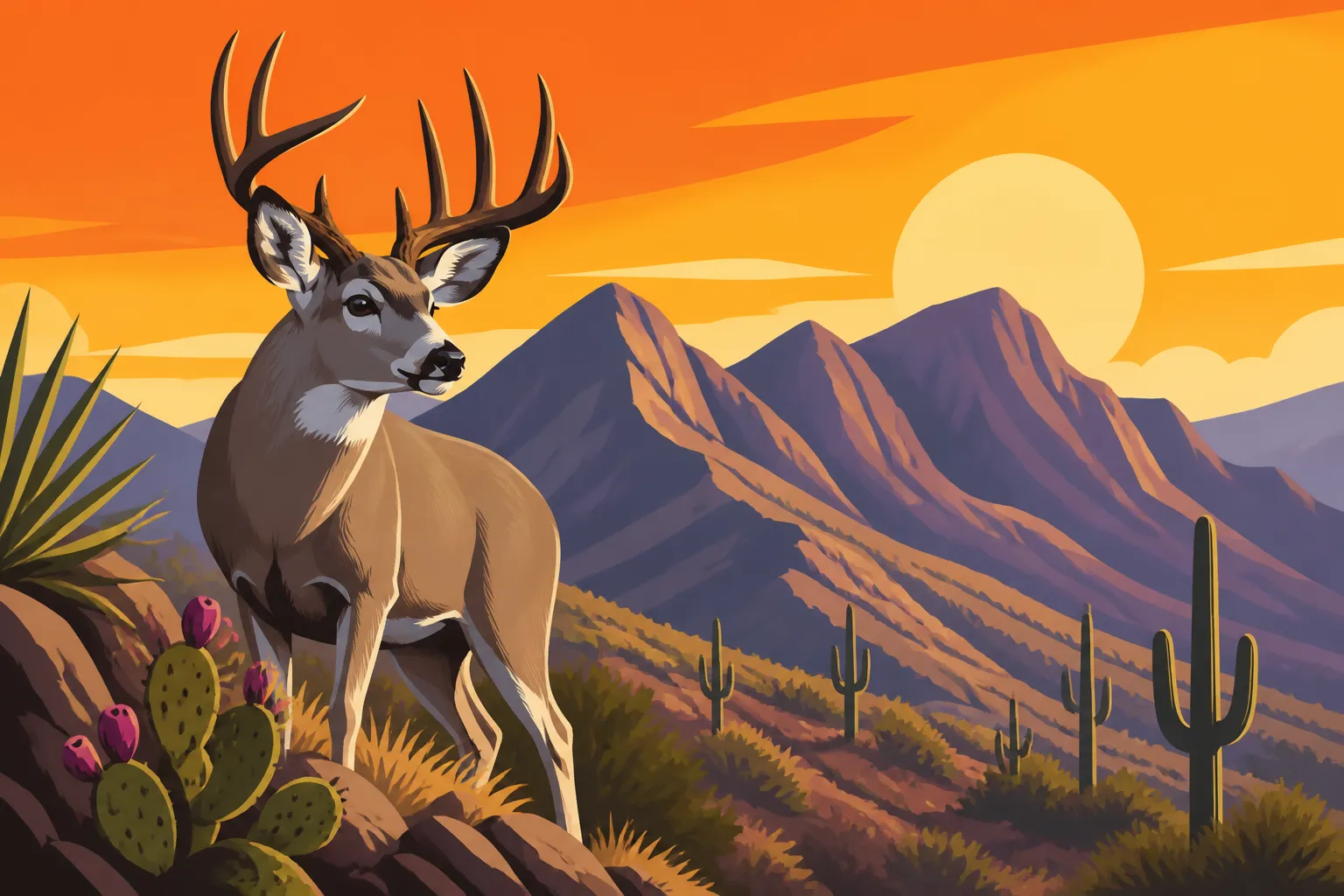
Hunting Coues deer, often called the "gray ghost," is a challenge that many Arizona hunters dream of, but navigating the vast and rugged terrain where these elusive creatures thrive can feel overwhelming. Figuring out where to even start, especially in remote ranges like the Galiuro Mountains, can be half the battle. This guide is dedicated to helping you unravel the secrets of the Galiuros, offering practical advice and detailed insights to boost your success in hunting this iconic Arizona whitetail.
Unpacking the Unique Landscape of the Galiuro Mountains
The Galiuro Mountains, tucked away in southeastern Arizona, are a prime example of a true sky island – a forested mountain range rising dramatically out of the surrounding desert. This unique geography creates a mosaic of habitats, making it a fantastic, albeit challenging, place to pursue Coues deer. Unlike the more open desert plains, the Galiuros demand a different kind of hunting strategy, one that blends tenacity with keen observation and a deep understanding of the terrain.
The Rugged and Remote Nature of the Galiuros
When I talk about rugged, I mean really rugged. The Galiuros are characterized by steep, unforgiving canyons that plunge hundreds of feet, interspersed with rocky ridges and peaks that test every ounce of your physical stamina. This isn't country for the faint of heart or the casually prepared. The remote nature means fewer roads, less human pressure in many areas, and an incredible sense of wilderness. While this isolation can be daunting, it's precisely what draws hardcore Coues hunters. These deer thrive in solitude, and the Galiuros offer plenty of it. Expect long days on your feet, navigating difficult slopes and drainages. It's the kind of country where a 2-mile hike can feel like 10, but the reward of finding an undisturbed pocket of deer makes every step worth it. This is why proper preparation is absolutely non-negotiable before you even set foot on the mountain.
Understanding Coues Deer Habitat in the Galiuros
Coues deer are masters of camouflage, and their preferred habitat in the Galiuros reflects that. You'll primarily find them utilizing the diverse vegetation zones that transition with elevation. At the lower reaches and canyon bottoms, you'll encounter a mix of desert scrub, agave, and mesquite. As you ascend, this gives way to dense oak brush, juniper, and pinyon pine, which provides crucial cover and browse. Higher still, especially on north-facing slopes and shaded canyons, you'll find stands of ponderosa pine and even some aspens, creating cooler refuges during warmer periods.
The key for Coues is this transitional zone—the areas where the oak brush and juniper meet the more open, rocky slopes. These deer will often bed down on hillsides with good thermal advantages, typically on north or east-facing slopes in the morning sun, and shifting to cooler, shadier spots as the day progresses. They'll use the thick brush for concealment, moving subtly through it, often undetected. Learning to "read" this diverse vegetation, understanding where a Coues might feed, water, and bed, is paramount. Pay close attention to subtle changes in elevation and cover that could be hiding a bedded buck.
The Critical Role of Water Sources
In any arid environment like Arizona, water is life, and the Galiuros are no exception. While the mountains receive more precipitation than the surrounding desert, finding reliable water sources for both wildlife and hunters can be a challenge, especially during dry periods. Natural springs, seeps, and seasonal pools fed by monsoon rains are vital. These areas act as magnets for all wildlife, including Coues deer. During scouting trips, identifying these water points is just as important as finding good bedding areas. Deer will often travel considerable distances to water, particularly in the drier months, and setting up to glass these routes can be highly effective.
However, many of these sources are ephemeral, drying up quickly after rain. Finding Water in Arizona's Dry Country is a skill you'll absolutely need to hone. Make sure you're carrying ample water for yourself, and consider a reliable water filter or purification tablets for emergencies if you plan on extended stays deep in the backcountry. Always approach known water sources with extreme caution, as they are often frequented by other predators as well.
Navigating and Accessing the Galiuro Mountains
The wild and untamed nature of the Galiuros is a double-edged sword: it offers incredible hunting experiences but demands meticulous planning for access and navigation. Don't underestimate the sheer difficulty of getting into some of the prime Coues country here.
Limited Road Access and Foot Travel
One of the biggest challenges in the Galiuros is the limited road infrastructure. While there are some Forest Service roads that penetrate the lower elevations and provide entry points, many of the best hunting spots require significant foot travel. This means packing in everything you need, often for multiple days, and being prepared for long, arduous hikes. You'll encounter steep trails, unmaintained two-tracks, and sometimes no trail at all, forcing you to navigate through dense brush and over rocky terrain. This is where your physical conditioning truly comes into play. If you're planning a multi-day trip deep into the range, considering pack animals—whether horses or mules—can be a game-changer for hauling gear and, hopefully, meat. Otherwise, embrace the backpack and get ready for a serious workout.
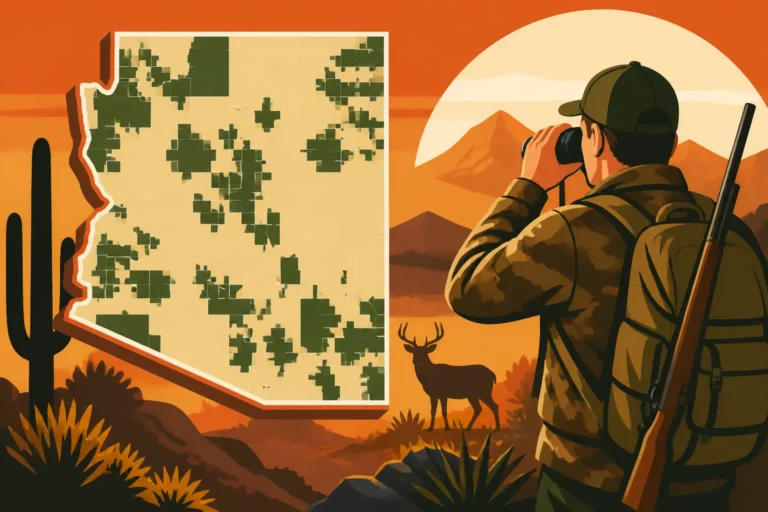
When planning your approach, I highly recommend using a mapping application like onX Hunt. It's invaluable for identifying existing roads, trails, and most importantly, understanding the land ownership boundaries. The Galiuros include a mix of Coronado National Forest land and State Trust Land, and while your hunting license generally serves as your permit for State Trust Land, always double-check. Do You Need a Permit for Arizona State Trust Land? is an excellent resource for clarification. Knowing exactly where you are and what type of land you're on prevents accidental trespass and ensures you're hunting legally and ethically.
Key Entry Points and Major Canyons
Identifying primary access points is crucial for your hunt plan. Many hunters start from the western side, accessible via roads off of Highway 77 near the communities of Mammoth and San Manuel. The eastern side can be approached from around Bonita, accessing areas like the Aravaipa Canyon Wilderness (though hunting rules within wilderness areas are often more restrictive, so always consult the specific regulations for such zones).
Some of the major canyons, like Redfield Canyon, Aravaipa Canyon (specifically the areas outside the wilderness designation), and Kielberg Canyon, offer potential access points into the heart of Coues country. However, these canyons are often rugged and brushy themselves, sometimes acting more as barriers than easy travel corridors. Plan your routes carefully, identifying potential bottlenecks or impassable terrain before you ever leave your vehicle. Look for ridge lines that offer commanding views for glassing, as these will be your primary advantage in this type of country. Reading an Arizona Forest Service Road Map will be your best friend in pre-scouting these routes.
Utilizing Mapping Technology for In-Depth Scouting
Modern technology has revolutionized how we scout and navigate remote areas like the Galiuros. Before you even set foot on the mountain, spend hours poring over satellite imagery on platforms like onX Hunt. This allows you to identify potential glassing knobs, water sources, bedding areas, and travel corridors from the comfort of your home. You can mark waypoints for springs, saddles, and potential camp locations. Look for areas with a mix of dense cover and open visibility—Coues deer are masters of using both to their advantage.
Beyond just topographical features, onX Hunt also provides critical land ownership layers, showing you public land boundaries, private inholdings, and State Trust Land. This is essential for planning your routes and ensuring you stay on accessible ground. You can also download offline maps, which is crucial because cell service in the remote Galiuros is often non-existent. Having your maps and GPS capabilities accessible without a signal can literally be a lifesaver. This diligent pre-scouting will give you a significant advantage once you’re on the ground, helping you focus your efforts in the most promising areas.
Effective Hunting Tactics for Galiuro Coues Deer
Hunting Coues deer in the Galiuros is less about covering vast distances on foot and more about strategic positioning, patience, and meticulous glassing. These "gray ghosts" are incredibly adept at disappearing into the landscape, so your eyes and optics are your most valuable tools.
The Unrivaled Power of Glassing
In the Galiuros, glassing isn't just a tactic; it's the tactic. You simply cannot effectively hunt this country by still-hunting or walking aimlessly. Coues deer are small, blend in perfectly, and inhabit steep, brushy terrain where a deer can be 50 yards away and completely unseen. Your strategy should revolve around finding high vantage points that offer expansive views of opposing slopes, canyons, and saddles. This is where Glassing Arizona's Sky Islands for Coues Deer comes into its own.
Invest in high-quality binoculars (10x or 15x) and, more importantly, a top-tier spotting scope (20-60x or 20-80x) paired with a sturdy tripod. Set up on a comfortable perch, often before first light, and methodically dissect the landscape with your optics. Think of it like painting—start with broad strokes, scanning for the entire form of a deer, then zoom in with your spotting scope to pick apart every shadow, every cluster of brush, every rock. Look for horizontal lines, patches of off-color gray or brown, or the flicker of an ear. Remember, a Coues often reveals itself only in pieces, a leg here, a rump there, before you make out the whole animal. Patience is truly a virtue here; you might spend hours looking at a hillside before a deer finally steps out or stands up from its bed. Optics Power for Arizona's Long Desert Sightlines emphasizes how critical good glass is for this kind of hunting.
Mastering the Stalk in Steep, Brushy Country
Once you've spotted a buck, the real challenge begins: the stalk. Galiuro terrain makes stalking incredibly difficult. Expect steep climbs, loose scree, and thick, unforgiving brush that can sound like a freight train if you're not careful. The goal is to get within comfortable shooting range without alerting the deer. This often involves planning a route that utilizes natural terrain features like washes, draws, and ridge lines to stay out of sight. Using Washes and Draws to Close Distance is an essential skill to develop for this environment.
Pay meticulous attention to the wind direction. Thermals in the mountains shift throughout the day; they generally rise in the morning as the sun warms the slopes and fall in the evening as the air cools. Playing Thermals on a Canyon Stalk is a critical concept to understand, as a shift in wind can blow your cover instantly. Move slowly, deliberately, and quietly. Each step should be planned, testing the ground for noise before committing your weight. Avoid snapping twigs or rustling through heavy brush if possible. Sometimes, the most direct route is the noisest; a longer, more circuitous path that offers better concealment might be your best bet. Remember, if you can see the deer, it might be able to see you. Use every piece of cover available, no matter how small.
Coues Deer Behavior and Rut Timing
Understanding Coues deer behavior is key to predicting their movements and finding them consistently. They are most active during the cooler parts of the day—early morning and late evening—but they can move at any time, especially during the rut or if pressured. They are also known for their incredible ability to hold tight to cover, often letting hunters walk right by them. This is Why Coues Deer Reward Patience Over Movement is so true in this country. A bedded deer can be almost invisible.
The Coues deer rut typically peaks in late December and January. If you're fortunate enough to draw a tag for this period, you'll find deer more active, less cautious, and potentially responsive to calling. However, rut hunting in the Galiuros still demands the same dedication to glassing and quiet stalking. Bucks will be chasing does, often moving through terrain they might avoid during other times of the year, so keep your eyes peeled across all elevation bands. Knowing when they are more likely to be up and moving can help you time your glassing sessions.
Essential Gear and Preparation for a Galiuro Hunt
A hunt in the Galiuro Mountains isn't something you tackle lightly. The remote, rugged nature of the terrain demands thorough physical and mental preparation, as well as a well-thought-out gear list. Being underprepared can quickly turn a challenging adventure into a dangerous situation.
Optics: Your Eyes on the Mountains
As mentioned, optics are paramount. Don't skimp here. A good quality pair of 10x or 12x binoculars for general scanning and a powerful spotting scope (20-60x or 20-80x) on a solid tripod are non-negotiable. You'll spend hours behind your glass, so clarity and light gathering capabilities are worth the investment. Think of your optics as an extension of your eyes, allowing you to pick apart distant hillsides.
| Category | Item | Why It's Crucial in the Galiuros |
|---|---|---|
| Optics | High-Quality Binoculars | Essential for long-range glassing of the "gray ghost" in vast terrain. |
| Spotting Scope & Tripod | Verifying deer at extreme distances, judging bucks, and reducing eye strain during extended glassing. | |
| Navigation | GPS Device / onX Hunt App | Pinpointing your location, marking waypoints, and understanding complex public/private boundaries. |
| Physical Topo Maps | Backup navigation for when electronics fail; provides a broader topographical overview. | |
| Footwear | Sturdy, Broken-In Boots | Excellent ankle support and traction for steep, rocky, and often loose terrain. |
| Hydration | Hydration Pack / Water Bladders | Critical for survival in the arid environment; carry more than you think you need. |
| Water Filter/Purifier | For refilling from natural sources if available, reducing carry weight over multiple days. | |
| Survival | Comprehensive First-Aid Kit | Essential for treating cuts, scrapes, and blisters common in rugged country. |
| Headlamp with Spare Batteries | For early morning hikes to glassing points and navigating back to camp after dark. | |
| Satellite Communicator | For emergencies where cell service is non-existent, ensuring you can call for help. | |
| Clothing | Layered System | Adapting to significant temperature swings from cold mornings to warm afternoons. |
| Durable Hunting Clothing | Resists tears from brush and provides camouflage. |
Physical Conditioning: Prepare for the Climb
The Galiuros will challenge you physically. Steep ascents and descents over uneven, rocky ground are the norm. To prepare, I recommend a rigorous fitness routine that includes hiking with a loaded pack, stair climbing, and strength training focused on your legs and core. Don't just walk on flat ground; seek out hills and uneven trails. Preparing Physically for a Desert Hunt means more than just being able to walk; it means being able to move safely and efficiently across difficult terrain for extended periods, all while carrying your gear. The better shape you're in, the more enjoyable and safer your hunt will be, and the less likely you are to make a mistake when it's time to take a shot.
Hydration and Water Management
This cannot be stressed enough: carry enough water. The Galiuros are high desert, and even in cooler months, you can quickly become dehydrated, especially when exerting yourself. Plan on carrying at least a gallon of water per person per day for active hunting, and more if you're setting up a base camp. Water You Must Carry on a Day Hunt is a good guideline. If you plan to be out for multiple days, seriously consider a portable water filter or purifier. Identifying potential water sources during your pre-scouting and verifying their reliability during a scouting trip can save you a lot of weight and worry. Never rely solely on finding water in the field without a backup plan.
Navigation and Emergency Preparedness
Beyond your onX Hunt app, always carry a physical map and a compass as a backup. Batteries die, and electronics fail. Knowing how to read a topographic map is a fundamental skill for any backcountry hunter. A reliable GPS device can also be a lifesaver for marking your vehicle, camp, and any game you harvest.
For emergencies, a comprehensive first-aid kit is essential. Be prepared for cuts, scrapes, blisters, snakebites, and other potential injuries. Cell service in the Galiuros is spotty at best, so a satellite communication device (like a Garmin inReach or Zoleo) for emergency contact is a wise investment. Make sure someone knows your hunting plan, including your expected return time and the specific unit you'll be in. Snake Awareness on an August Archery Hunt is important, but snakes are active even into cooler months, especially on warm days in the desert. Always be vigilant.
Hunting the Galiuro Mountains for Coues deer is a rewarding endeavor that tests a hunter's skill, endurance, and patience. By understanding the unique landscape, mastering essential tactics, and preparing thoroughly, you can increase your odds of encountering Arizona's elusive gray ghost in one of its wild and beautiful homes.
Disclaimer
This article is for general informational purposes only and does not constitute professional advice. Laws, prices and regulations vary by location and change over time. Consult a qualified professional for guidance on your specific situation.