Arizona Game and Fish Wildlife Areas
One common source of confusion for hunters in Arizona is understanding the different types of public land available, and how each is managed. Specifically, many folks wonder about Arizona Game and Fish Wildlife Areas – what they are, who manages them, and what unique opportunities or restrictions they present compared to other federal or state lands. This guide aims to clear up that confusion, helping you navigate these vital conservation areas for your next hunting adventure.
What Exactly Are Arizona Game and Fish Wildlife Areas?
When you look at a map of Arizona, you'll see a patchwork of land ownership: federal lands like National Forests and Bureau of Land Management (BLM) property, state trust lands, private holdings, and tribal reservations. But tucked into this mosaic are specific parcels managed directly by the Arizona Game and Fish Department (AZGFD), known as Wildlife Areas. These aren't just generic public lands; they are tracts of land specifically acquired, managed, and developed by AZGFD with a primary focus on wildlife conservation and providing public recreational access, particularly for hunting and fishing.
Purpose and Management
The core purpose of Arizona Game and Fish Wildlife Areas is to conserve and enhance wildlife habitat, ensuring the health and viability of game and non-game species alike. This often involves active management practices such as water development, prescribed burns, habitat restoration, and forage enhancement. For example, some wildlife areas might focus on wetland management to support migratory birds and waterfowl, while others are geared toward upland game or big game habitat. The AZGFD directly oversees these areas, implementing management plans tailored to the specific ecological needs and recreational potential of each parcel. This direct management allows for a more focused approach to conservation than might be possible on broader federal lands with multiple mandates.
How They Differ from Other Public Lands
While you can often hunt on National Forest and BLM lands with just your Arizona hunting license, Wildlife Areas operate under the specific purview of the AZGFD. This means while many rules align with statewide hunting regulations, there can be additional site-specific restrictions or guidelines unique to a particular wildlife area. For instance, some federal lands might allow dispersed camping for extended periods, but a Wildlife Area might have stricter camping limits or designated camping zones to protect sensitive habitats.
The distinction is important because it means you can't just assume the rules are identical to, say, a nearby piece of BLM land. Always check the specific regulations for the Wildlife Area you intend to visit. Think of them as dedicated wildlife preserves with public access, rather than simply open range. Unlike State Trust Land, where a hunting license usually serves as your recreational permit, Wildlife Areas often have their own set of access points and specific use guidelines outlined in the Arizona Hunting Regulations booklet.
Funding and Conservation Goals
These Wildlife Areas are typically funded through a combination of sources, including hunting and fishing license sales, federal excise taxes on firearms and ammunition (through programs like the Pittman-Robertson Act), and state conservation funds. This means that hunters and anglers directly contribute to the acquisition and ongoing management of these valuable lands. The long-term conservation goals for these areas are diverse, ranging from protecting critical migration corridors and breeding grounds to restoring degraded ecosystems and ensuring sustainable populations of game species for future generations. For example, a wildlife area might have a dedicated program to enhance habitat for Quail, Dove and Arizona's Small Game Tradition or focus on improving water sources crucial for Water Sources That Concentrate Arizona Desert Game. Understanding this funding and purpose can foster a greater appreciation for why these areas exist and how they are managed.
Hunting Opportunities on Wildlife Areas
Arizona Game and Fish Wildlife Areas offer a variety of hunting opportunities, often providing concentrated areas of good habitat that attract game. However, because they are actively managed and sometimes smaller in size compared to vast federal lands, hunters should anticipate specific considerations regarding species, weapon restrictions, and potential hunting pressure.
Common Game Species Found
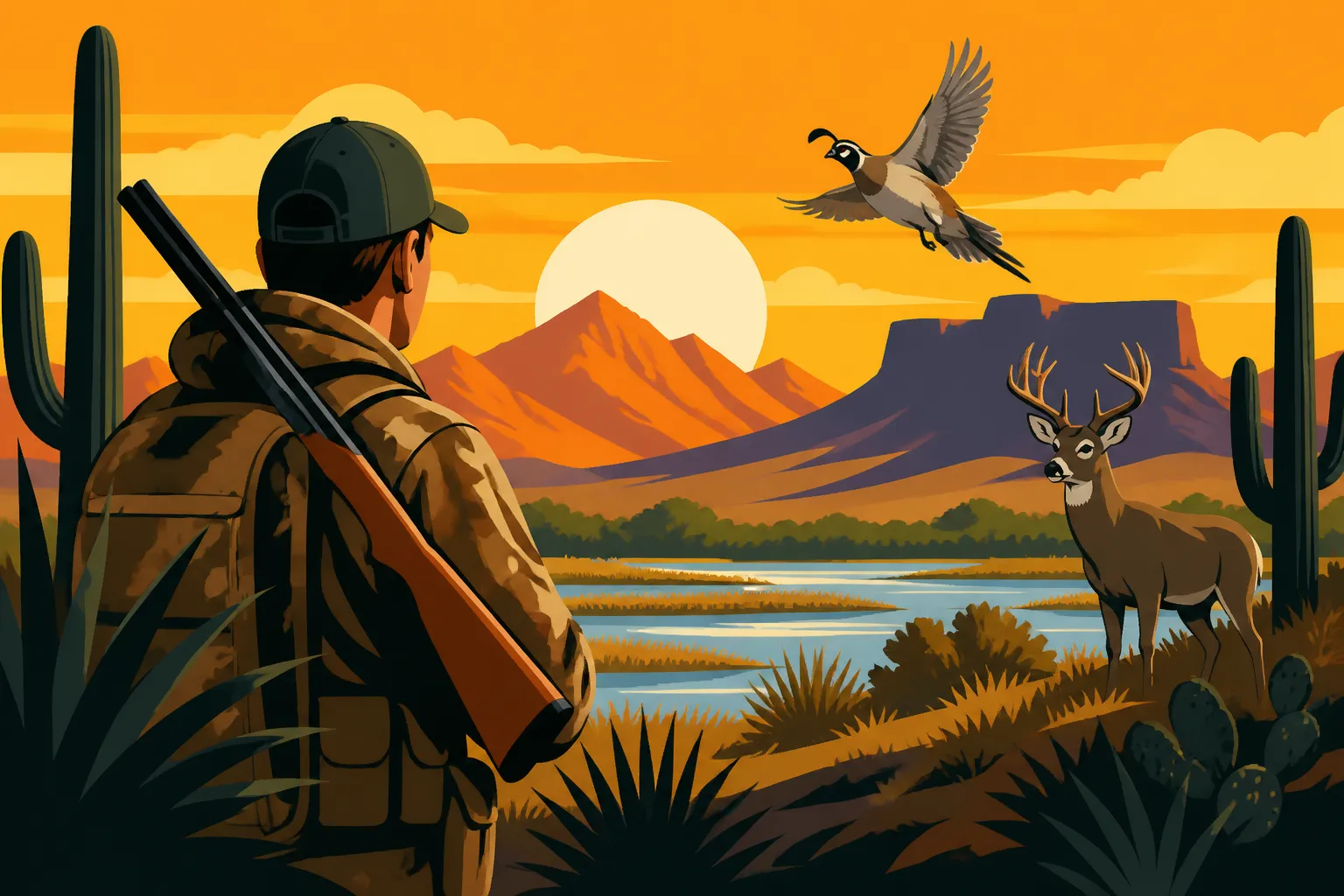
The types of game you'll encounter on a Wildlife Area largely depend on its location and specific habitat focus. Many southern Arizona Wildlife Areas, for instance, are prime habitat for Javelina Is Arizona's Most Accessible Big Game and various quail species, including Gambel's and Mearns. In other areas, particularly those with water features, you might find excellent waterfowl hunting for ducks and geese during migration periods. Some larger, more remote wildlife areas may even hold populations of deer, dove, or other small game. It's always a good idea to research the specific Wildlife Area you're interested in to see what species are commonly present and what the typical harvest rates have been. The AZGFD's website is a great starting point for this information, and many areas have detailed management plans publicly available.
Weapon Restrictions and Season Timing
General statewide hunting regulations regarding legal weapons apply to Wildlife Areas, but it's crucial to be aware of any additional restrictions that might be in place for a specific area. Some Wildlife Areas, particularly those closer to urban areas or with high recreational use, might have "shotgun only" or "archery only" restrictions during certain seasons to enhance safety. For instance, a small area primarily managed for doves might prohibit centerfire rifles entirely. Season timing will generally follow the statewide regulations outlined in the Reading the Arizona Hunt Regulations Booklet, but again, always double-check the specific area's regulations for any deviations. Missing a nuance could mean an unexpected fine or, worse, an unsafe situation. This is where diligent pre-hunt research really pays off, often through resources like the A Walkthrough of the Arizona Hunt Portal.
Special Considerations for Access and Pressure
Because Wildlife Areas are often designed to concentrate game and are known for good habitat, they can sometimes experience higher hunting pressure, especially on opening weekends or during popular seasons. Access can vary greatly; some areas have well-maintained roads and designated parking, while others might require hiking in across rugged terrain. It's not uncommon to find areas with limited vehicle access to minimize disturbance, which can be both a challenge and an opportunity to escape crowds if you're willing to walk. Planning your hunt, perhaps by focusing on weekdays or less accessible portions of the area, can significantly improve your experience. Using mapping tools like onX Hunt, which can display land ownership layers, helps you identify these areas and plan your routes. E-Scouting an Arizona Unit Before the Season is a critical step, allowing you to identify access points and potential pinch points before you ever leave home.
Rules and Regulations Specific to Wildlife Areas
Navigating any hunting landscape in Arizona means knowing the rules, and Wildlife Areas are no exception. While your general hunting license covers many activities, these specific areas often have their own set of guidelines concerning vehicle use, camping, and other recreational pursuits. These rules are designed to protect the fragile ecosystems within these areas and ensure everyone has a positive experience.
Vehicle and Camping Regulations
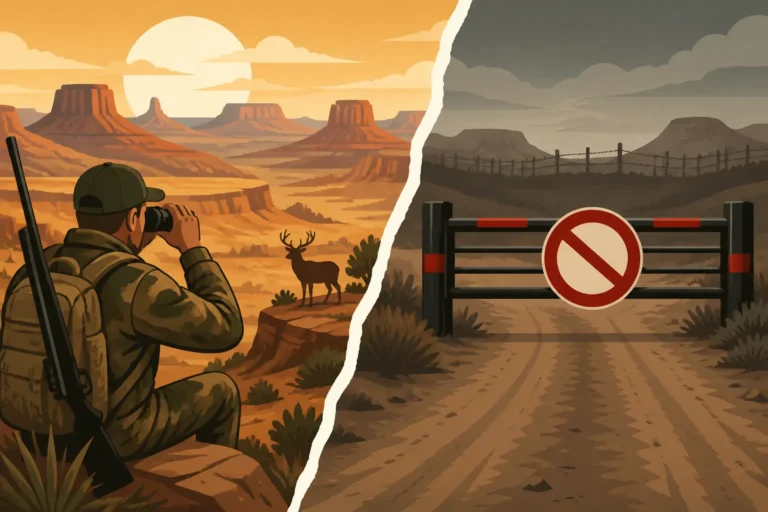
One of the biggest differences you might encounter on Wildlife Areas compared to vast tracts of BLM or National Forest land is the stricter control over vehicle access and camping. Many Wildlife Areas will have designated roads, and off-road travel is almost universally prohibited to prevent habitat damage and erosion. You'll often find clear signage indicating where vehicles are allowed and where they are not. When it comes to camping, don't assume you can just pull off anywhere and set up camp for a week. Some Wildlife Areas prohibit camping entirely, while others have designated campsites with specific stay limits. These limits are typically shorter than what you might find on federal lands, often just a few nights. Always look for signage at the entrance or consult the AZGFD website for the specific rules of the area you plan to visit. This contrasts with the often more lenient rules about Camping on Forest Ground During Hunting Season, where dispersed camping is generally more common.
General Use Permits and Restrictions
While your hunting license is your permit to hunt, there might be other general use restrictions to be aware of. For example, some areas may have restrictions on target shooting, dog training, or even certain types of non-hunting recreational activities during specific times of the year, particularly during nesting or breeding seasons for sensitive species. It's rare to need a separate permit just to access a Wildlife Area for hunting if you have a valid hunting license, but understanding the general "do's and don'ts" is essential. The emphasis is always on minimal impact and preserving the resource. Pay attention to any posted signs at trailheads or entry points, as these often contain the most current and specific restrictions.
Conservation and Ethical Hunting Guidelines
The AZGFD manages these areas with a strong conservation ethic, and they expect visitors to share that commitment. This means practicing sound ethical hunting principles, such as respecting private property boundaries, adhering to legal shooting hours, and properly handling game. Beyond the letter of the law, it's about being a responsible steward of the land. Leaving no trace, packing out all your trash (and maybe a little extra), and being considerate of other users—whether they are hikers, birdwatchers, or other hunters—are paramount. These areas are showcases for wildlife management, and the behavior of those who use them reflects directly on the broader hunting community. Remember, these lands are often smaller and more sensitive than other public lands, so your impact, positive or negative, can be more pronounced.
How to Find and Utilize Wildlife Areas for Your Hunt
Finding and effectively using Arizona Game and Fish Wildlife Areas for your hunting pursuits requires a bit of homework and the right tools. Gone are the days of just grabbing a paper map and hoping for the best; modern mapping technology and dedicated scouting efforts can greatly enhance your success and enjoyment.
Mapping Tools and Resources
When it comes to pinpointing Arizona Game and Fish Wildlife Areas, digital mapping tools are your best friend. Services like onX Hunt are invaluable, allowing you to view detailed land ownership maps right on your phone or computer. With onX Hunt, you can clearly see boundaries for various public lands, including designated Wildlife Areas. This not only helps you identify these specific hunting spots but also lets you see adjacent land ownership, ensuring you don't inadvertently trespass. Another excellent resource for planning is GoHunt, which provides detailed draw odds, unit analyses, and often highlights specific habitat features within units, including some of these managed areas. These platforms often integrate with AZGFD data, making it easier to see exactly where you can go. Remember to download offline maps before you head out, as cell service can be spotty in many remote Arizona hunting units. These tools are far more dynamic than static paper maps and are essential for Reading a Land Ownership Layer Correctly.
Scouting and Planning Your Trip
Once you've identified a promising Wildlife Area, the real planning begins. Just like any other public land hunt, pre-season scouting is crucial. Use satellite imagery on your mapping apps to identify potential game corridors, water sources, and bedding areas. Look for features like riparian zones, dense cover, or elevated terrain that might offer glassing opportunities. If possible, a physical scouting trip can confirm what you see on the map. Walk the area, look for tracks and sign, and get a feel for the terrain. Pay close attention to water sources—natural springs, stock tanks, or guzzlers—as these are critical for game in Arizona's arid environment. Understanding Water Sources That Concentrate Arizona Desert Game is key to success. Combine this with current weather patterns, especially How Monsoon Rain Affects Antler Growth, to anticipate animal behavior. Remember, Wildlife Areas are managed for conservation, so you might find specific habitat improvements designed to attract and hold game.
Respecting the Resource and Other Users
Hunting on a Wildlife Area is a privilege, not a right, and it comes with the responsibility to be a good steward of the land. Always practice ethical hunting, ensuring clean shots, proper game recovery, and adherence to all regulations, both statewide and site-specific. Pack out all your trash, including spent shell casings, and strive to leave the area better than you found it. Be mindful of other users, whether they are other hunters, hikers, birdwatchers, or wildlife photographers. Share the resource respectfully, maintaining appropriate distances and being quiet and courteous. These areas represent a direct investment in wildlife and public access, and by treating them with respect, we help ensure they remain vibrant hunting grounds for generations to come. Your actions directly contribute to the reputation of the hunting community. Don't forget that Preparing Physically for a Desert Hunt is also a form of respect for the demanding environment and the game you pursue.
| Feature | Arizona Game and Fish Wildlife Area | BLM Land | National Forest Land | Arizona State Trust Land |
|---|---|---|---|---|
| Primary Management Goal | Wildlife Conservation & Public Access | Multiple Use (Grazing, Mining, Rec) | Timber, Recreation, Watershed | Revenue Generation for Schools |
| Managing Entity | AZ Game & Fish Department | Bureau of Land Management (Federal) | U.S. Forest Service (Federal) | Arizona State Land Department |
| Hunting License Validity | Yes, plus specific area rules | Yes | Yes | Yes, acts as access permit |
| Camping Rules | Often restricted, specific sites, limited stay | Generally dispersed, longer stays allowed | Generally dispersed, some limits | Dispersed camping allowed (with license) |
| Vehicle Access | Often restricted to designated roads | Designated roads, some open routes | Designated roads, MVUMs | Designated roads |
| Primary Funding | Hunter/Angler fees, federal grants | Federal taxes, resource sales | Federal taxes, resource sales | Leases, sales, natural resources |
| Specific Use Permits | Rarely for general hunting, may exist for other uses | Not typically for hunting | Not typically for hunting | Hunting license acts as permit |
Disclaimer
This article is for general informational purposes only and does not constitute professional advice. Laws, prices and regulations vary by location and change over time. Consult a qualified professional for guidance on your specific situation.