Hunting the Lower Colorado River Corridor
Hunting the vast, arid landscapes of Arizona often brings to mind sweeping desert vistas or pine-covered mountains, but many hunters overlook a truly unique and often challenging opportunity: the Lower Colorado River Corridor. This ribbon of green, stretching through some of the state's driest regions, presents a complex tapestry of regulations, access points, and surprisingly diverse game. It's easy to feel overwhelmed by the patchwork of land ownership and the sheer logistics of hunting near such a significant waterway, but with the right knowledge, this corridor can offer some truly memorable experiences. This guide will walk you through the intricacies of navigating and hunting this distinctive Arizona environment.
Understanding the Unique Landscape and Regulations of the Lower Colorado River Corridor
The Lower Colorado River isn't just a simple boundary line; it's a dynamic ecosystem carved through a desert landscape, creating a linear oasis that attracts a wide variety of wildlife. For hunters, this means dealing with a distinctive set of challenges and opportunities that you won't find in the higher elevations of the Mogollon Rim or the Sky Islands. The land along the river's edge is a mix of state, federal, and private holdings, often intertwined in a way that can leave even experienced hunters scratching their heads.
The Mix of Public and Private Land Along the River
One of the biggest hurdles when considering a hunt along the Lower Colorado River is understanding the land ownership. Unlike vast, contiguous tracts of national forest or BLM land, the river corridor is a mosaic. You'll encounter Bureau of Land Management (BLM) property, which generally allows hunting, but also state trust land, which requires your hunting license for access but might have additional rules depending on the activity. Interspersed with these are tribal lands, which have their own permitting systems entirely separate from Arizona Game and Fish, and various federal wildlife refuges with specific regulations, as well as private properties. This makes pre-scouting, often with tools like onX Hunt, absolutely crucial to identify what land you can legally access and hunt. Knowing these boundaries is not just good practice; it's essential for staying within the law and ensuring a respectful hunt.
The challenges don't stop at ownership. Many areas are leased for agriculture or grazing, and while your hunting license might grant access to state trust land, a lessee could restrict certain activities or access points. It's a constant dance between public access rights and private use, requiring diligent research and often, a good dose of local knowledge. For some specific details on accessing different land types, you might find BLM and Forest Ground Across Arizona Needs No Permit helpful in understanding the baseline rules for federal land, and Arizona State Trust Land Needs a Permit, and Your License Counts for state land specifics.
Key Game Species and Seasonal Opportunities
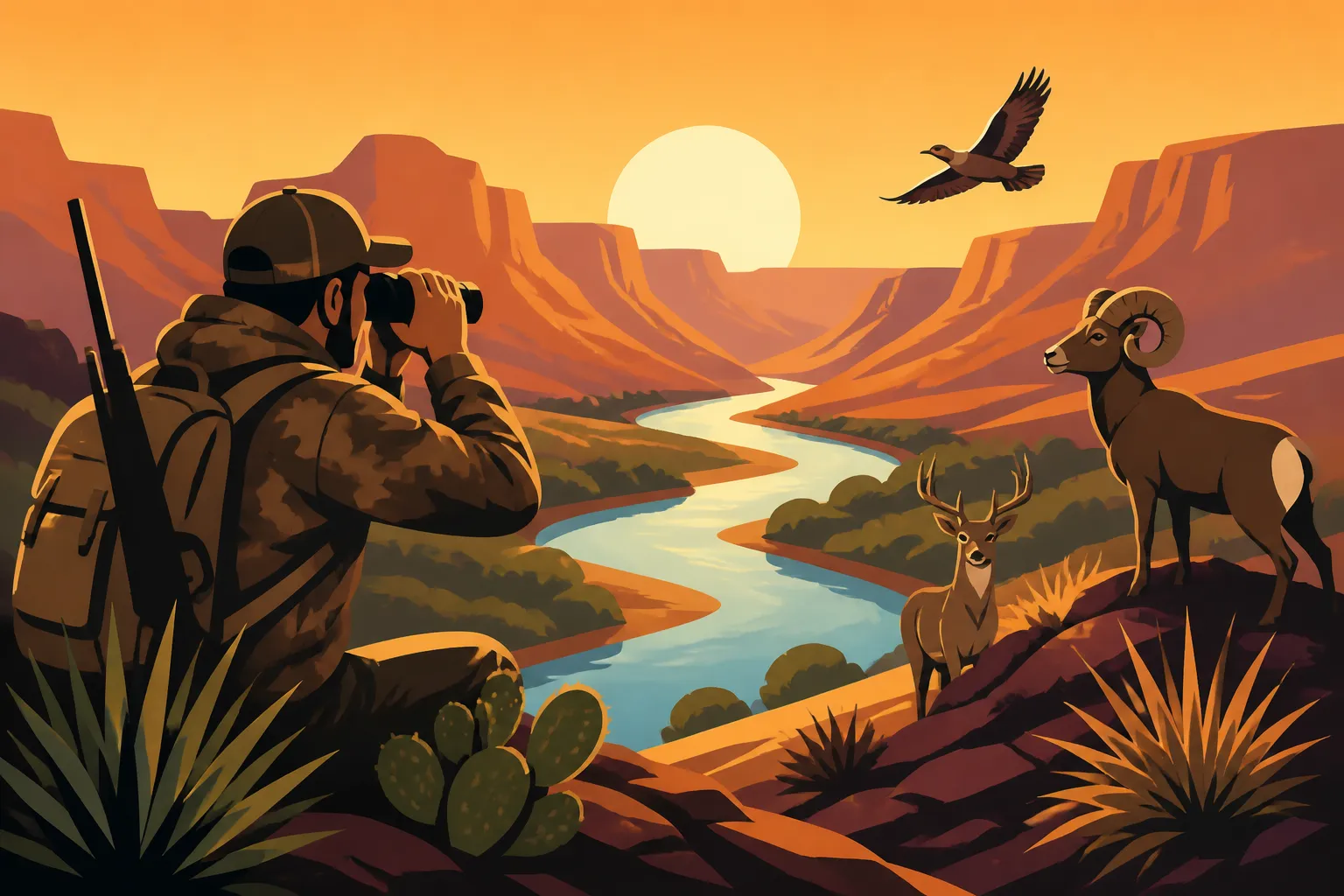
Despite its complex land ownership, the Lower Colorado River Corridor supports a surprising array of game. Waterfowl hunting can be fantastic in certain areas, with ducks and geese using the river and its adjacent wetlands as a migratory highway. Mourning and white-winged doves are plentiful during the early fall seasons, drawn to the water and agricultural fields. Upland birds like Gambel's quail also thrive in the mesquite and creosote brush along the banks. While not as common as in other parts of Arizona, there are also opportunities for deer, primarily mule deer, especially in areas where dense riverine habitat transitions into desert washes. Javelina can also be found in pockets where the river corridor meets suitable desert scrub.
The seasons here often align with general Arizona regulations, but it's vital to check the specific unit regulations for any nuances. Waterfowl seasons will typically run later into the year, while dove and quail seasons kick off earlier in the fall. Early archery deer seasons can offer a unique challenge in the thick cover along the river, and some general rifle seasons might pass through the area. Always refer to the current Arizona Hunt Regulations Booklet, as closures or special restrictions can apply, especially in areas designated as critical habitat or near population centers. For specific small game, you can dive into Arizona Quail Season Opening Dates or Arizona Dove Season Framework.
Navigating Access and Permissions Along the River
Accessing hunting grounds along the Lower Colorado River is rarely as simple as pulling off a highway and walking into the woods. The geography itself presents obstacles, with thick riparian vegetation, steep banks, and the river itself acting as barriers. Beyond the physical landscape, understanding the intricate web of land ownership and regulations is paramount.
Federal Lands: BLM and Wildlife Refuges
Much of the land directly adjacent to the Lower Colorado River, particularly outside of developed areas, is managed by the Bureau of Land Management (BLM). These lands are generally open to hunting, offering some of the most accessible public opportunities. However, even on BLM, specific regulations regarding vehicle use, camping, and fire restrictions can apply. It's crucial to check local field office websites or use mapping software like onX Hunt to discern vehicle restrictions and designated routes, especially after heavy rains which can make some areas impassable.
Interspersed along the river are several National Wildlife Refuges (NWRs), such as Cibola NWR or Havasu NWR. While these refuges are established for wildlife conservation, some portions are open to hunting, usually for waterfowl or upland birds, and sometimes deer, but under very strict, refuge-specific rules. These rules often differ significantly from state regulations and require special permits or check-ins. You might find different bag limits, shooting hours, or weapon restrictions. Never assume state regulations apply on a federal refuge without confirming directly with the refuge office. Failure to do so can result in serious penalties, ranging from citations to license suspension.
State Trust Land and Private Property Considerations
Arizona State Trust Land makes up a significant portion of Arizona's landscape, including segments along the Colorado River. As mentioned, your valid Arizona hunting license typically serves as your permit for recreational access to State Trust Land. However, this access is for recreational use, and if a piece of trust land is actively leased for, say, grazing, you might encounter fences, gates, or active operations. Always respect private property signs and closed gates, even on what you believe to be public land. Lessees have certain rights, and while they can't generally prohibit hunting access, they can manage roads and infrastructure. If you're unsure about a specific parcel, cross-referencing with a good mapping application like GoHunt can clarify boundaries and help you avoid trespassing. Remember, avoiding confrontation and respecting all land users makes for a better hunting experience for everyone.
Private property is also a common feature along the river, especially near towns, agricultural areas, and residential developments. These parcels are strictly off-limits without explicit permission from the landowner. It's not uncommon for private property to be unposted in rural areas, so always verify boundaries before stepping onto what you think is public land. Trespassing is a serious offense, and ignorance of the law is not an excuse. Familiarize yourself with Trespass Law on Posted Arizona Property to understand the legal ramifications.
Motorized and Watercraft Access
The Colorado River is, naturally, all about water. Many hunters find that the most effective way to hunt certain stretches of the corridor, especially for waterfowl or scouting, is by boat. Jon boats, kayaks, canoes, and even larger shallow-draft vessels can open up areas inaccessible by foot or vehicle. However, boating also comes with its own set of regulations, including speed limits, no-wake zones, and restrictions on where you can beach your craft. Certain stretches of the river are designated for specific uses, or might have seasonal closures that could impact hunting access.
For land-based access, dirt roads and two-tracks often parallel the river, especially on BLM land. However, these roads can be rough, sandy, or seasonally closed due to weather or wildlife management. Always check Motor Vehicle Use Maps (MVUMs) for National Forest and BLM areas, and be prepared for primitive conditions. A high-clearance 4×4 vehicle is often necessary for venturing off paved roads, and it's always wise to let someone know your travel plans. For further reading on vehicle use, Can You Drive Off Road to Retrieve Game? can offer some insights into retrieval rules, which are critical in these remote areas.
Hunting Strategies and Considerations for the River Environment
Hunting the Lower Colorado River Corridor requires a specific mindset and approach. The unique blend of riparian vegetation, desert uplands, and the river itself means that traditional hunting strategies might need to be adapted, and specialized gear can make a significant difference.
Waterfowl and Upland Bird Hunting Tactics
For waterfowl, scouting is king. Identify common flight paths, loafing areas, and preferred feeding grounds. Decoy spreads, blinds, and a good retriever are essential. Access to suitable water is often key, and a boat can greatly expand your opportunities. Consider hunting during the early morning or late evening, as these are peak movement times. Always be aware of other river users, including boaters, campers, and anglers, and practice good sportsmanship. Hunters looking for Waterfowl Along the Colorado River will find that understanding duck and goose habits on a major river system is a bit different than small ponds.
Upland birds like Gambel's quail, especially, thrive in the mesquite and catclaw thickets that line the riverbanks. These areas provide cover and food. Hunting with a good bird dog is highly effective for locating coveys and retrieving downed birds in the dense cover. Dawn and dusk are often the best times, as quail move to and from roosting areas. Remember that quail are often found near water sources. For dove, focus on agricultural fields, scattered trees, and waterholes during the early season. Pass shooting can be effective, but finding fields where doves feed regularly will yield better results. You'll want to check Arizona Quail Season Opening Dates and Arizona Dove Season Framework for the latest season information.
Big Game Opportunities Along the River
While the Lower Colorado River Corridor isn't renowned for trophy big game, it offers unique chances for mule deer and javelina. Mule deer in these riverine environments tend to stick to the thickest cover along the river, often bedding in dense stands of willow, mesquite, and salt cedar during the heat of the day. Hunting these areas requires patience and stealth. Still hunting slowly through the cover or setting up on a vantage point overlooking a patch of dense riparian growth can be effective. Early morning and late evening are the best times to catch deer moving to or from water.
Javelina, the "desert pigs" of Arizona (though they're actually peccaries), can also be found in the dense river bottomlands, especially where the riparian habitat blends into rocky desert hills and washes. They are herd animals, so if you find one, you'll likely find more. Their strong scent makes them a good target for still hunting, especially on a windy day. They're also creatures of habit, often using the same trails and watering holes. For more on these interesting animals, How Javelina Differ From Wild Pigs is a great read.
Essential Gear and Safety for River Corridor Hunting
Hunting the Lower Colorado River Corridor demands specific gear. For waterfowl, waders, a good blind, and decoys are obvious. For all hunting, layered clothing is essential, as desert temperatures can swing wildly from cold mornings to scorching afternoons, even in the fall and winter. Hydration is non-negotiable; always carry more water than you think you'll need, especially during early seasons. A reliable GPS device or a smartphone with a mapping application like onX Hunt is critical for navigating the complex land ownership and tracking your location. A full battery bank for your devices is also a smart move, as cell service can be spotty.
Safety on and around the river is paramount. If you're using a boat, ensure all safety gear (life vests, throw cushions, lights, horn) is on board and functional. Be aware of changing river conditions, currents, and potential hazards like submerged logs or sandbars. Tell someone your plans and expected return time. Snake awareness, especially during warmer months, is also crucial; rattlesnakes are common along the river. Lastly, given the mix of public and private land and other recreational users, blaze orange, even when not legally required (like during archery season), can be a wise choice to increase visibility and safety. You can review Blaze Orange Requirements Through the Season for specific state rules.
| Game Species | Primary Habitat | Best Access Method | Key Considerations |
|---|---|---|---|
| Waterfowl (Ducks, Geese) | River channels, backwaters, wetlands, agricultural fields | Boat, walk-in to blinds | Decoys, blind, scouting, water safety, other river users |
| Mourning & White-Winged Dove | Agricultural fields, mesquite bosques, water sources | Walk-in, field edge setup | Early season heat, rapid flight, bag limits |
| Gambel's Quail | Dense mesquite/salt cedar thickets, washes | Walk-in with dog, stealth | Cohesive coveys, fast flushes, dense cover |
| Mule Deer | Thick riparian zones, dense river bottomlands | Still hunting, elevated vantage | Stealth, patience, heavy cover, limited visibility |
| Javelina | Riparian edges, desert washes, dense scrub | Still hunting, scent tracking | Herd animals, strong scent, early detection is key |
Disclaimer
This article is for general informational purposes only and does not constitute professional advice. Laws, prices and regulations vary by location and change over time. Consult a qualified professional for guidance on your specific situation.